Zyphora
Zyphora
Zyphora
Empowering local telecommunication centers, financial institutions, and fast-growing scientific research networks with redundant, power-efficient 1U, 2U, and GPU systems.
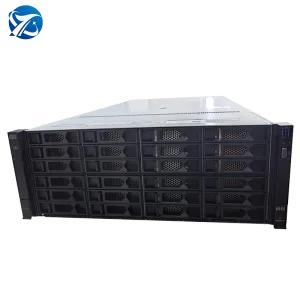
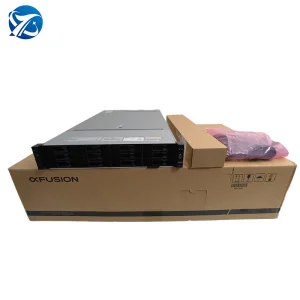
Under the vision of "Smart Bangladesh 2041", the country is witnessing an unprecedented demand for localized cloud hosting, high-performance computing (HPC), and localized banking databases. As financial institutions switch to advanced Core Banking Systems (CBS) and telecom giants build out local 5G edge networks, standard off-the-shelf hardware no longer suffices.
Furthermore, Bangladesh's tropical climate brings severe environmental challenges to data centers. High ambient temperatures exceeding 40°C in summer, paired with extreme relative humidity levels, demand computing nodes engineered with sophisticated thermal mitigation. The V7 rack servers utilize intelligent vector airflow systems, automated fan speed calibration, and industrial-grade conformal coatings on critical circuitry to prevent moisture condensation and dust corrosion.
Modern colocation facilities in Dhaka, Chattogram, and Jessore High-Tech Park actively track their PUE ratios. Zyphora's V7 line architecture utilizes 80 Plus Platinum and Titanium hot-swappable power supplies that reach up to 96% power conversion efficiency. This directly translates into lower operating expenditure, especially in areas facing grid stability challenges where UPS backups and secondary diesel generators are continuously engaged.
Consult Local Architecture ExpertsThe V7 architecture is designed to handle memory-intensive, compute-dense workloads including Deep Learning (AI models like DeepSeek), Big Data processing, and massive Hyperconverged Virtualization. Here are the core hardware advantages of integrating V7 rack systems into your network infrastructure:
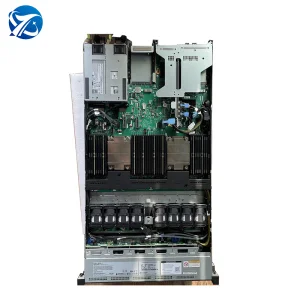
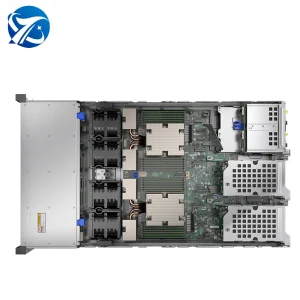
In hot and humid climates like Bangladesh, thermal throttling is the leading cause of server performance degradation. The FusionServer V7 lineup features dynamic counter-rotating fan assemblies coupled with honeycomb high-permeability bezel vents. This configuration creates direct laminar airflow channels across the processor heatsinks and memory modules. Thermal sensors deployed at critical nodes monitor incoming intake temperatures and selectively dynamically accelerate fans in independent cooling zones, lowering auxiliary power consumption by up to 15%.
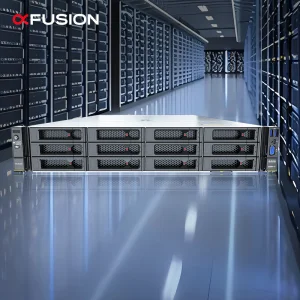
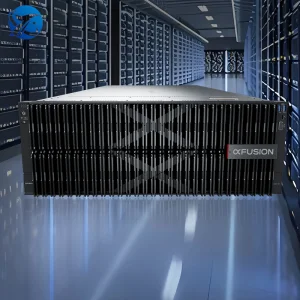
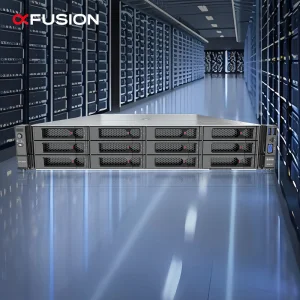
Whether operating as high-performance NAS environments, NVMe tier-0 caches, or distributed database storage arrays, the V7 platform is engineered to prevent I/O bottlenecks. Supporting up to 25 hot-swappable drive bays in a standard 2U format, it routes signals through native PCIe Gen 5 pathways, doubling the throughput of older V5 architectures. This ensures low-latency transactional execution for local fintech platforms and mobile financial service (MFS) networks across Bangladesh.
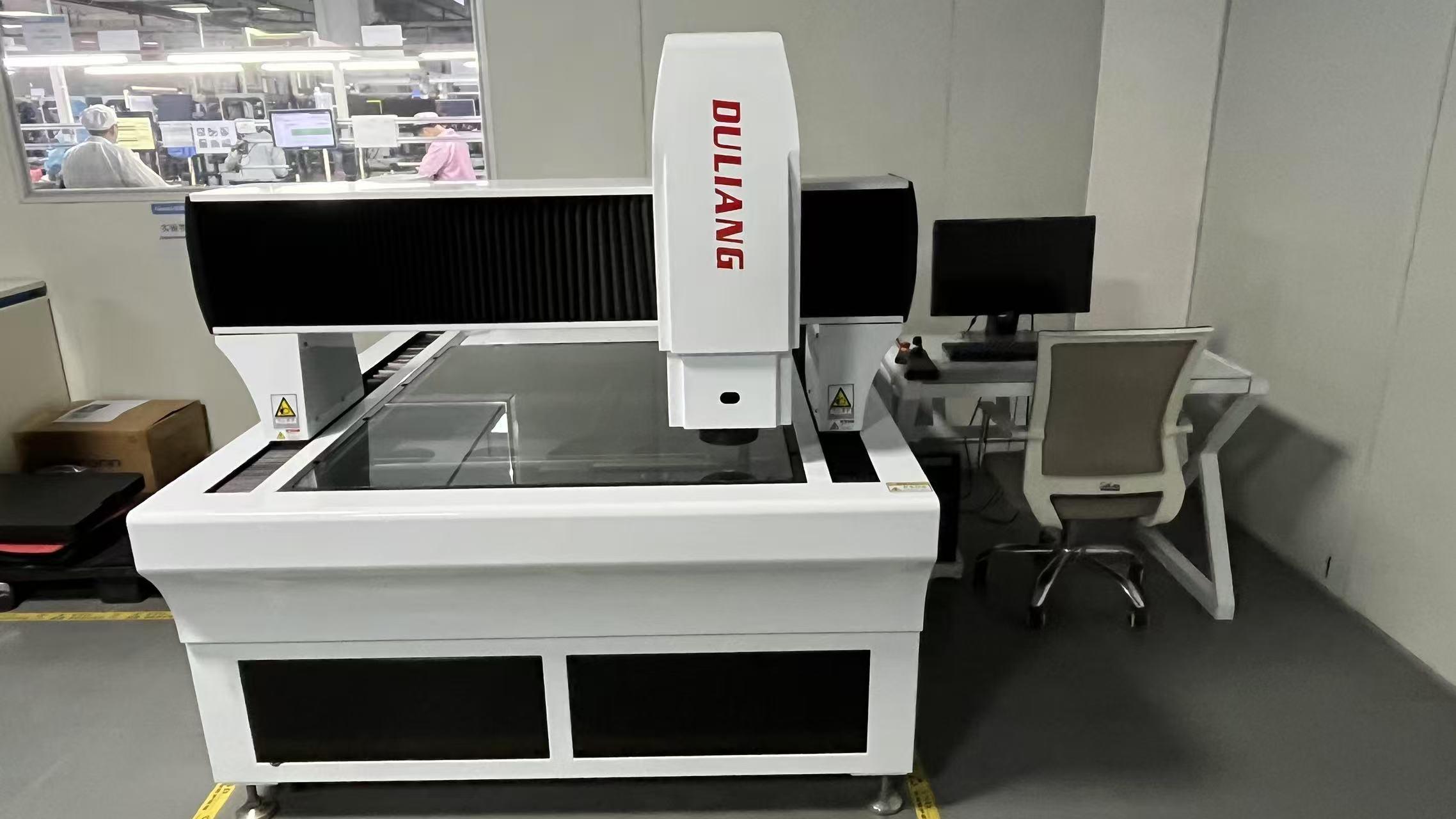
Founded in 2017, Zyphora is a professional manufacturer and global supplier of AI GPU servers, high-performance computing systems, and customized data center solutions. Headquartered in Shenzhen, China, our company operates a state-of-the-art facility covering 386 square meters dedicated to quality validation, configuration optimization, and localized system integration, serving customers across North America, Europe, Southeast Asia, and the Middle East.
With annual export revenue exceeding USD 18 million, Zyphora has built a strong reputation in the AI computing infrastructure industry through continuous innovation, reliable product quality, and customer-focused service. Our team brings over 12 years of industry experience and 7 years of export expertise, enabling us to support clients worldwide with efficient project delivery and professional technical assistance.
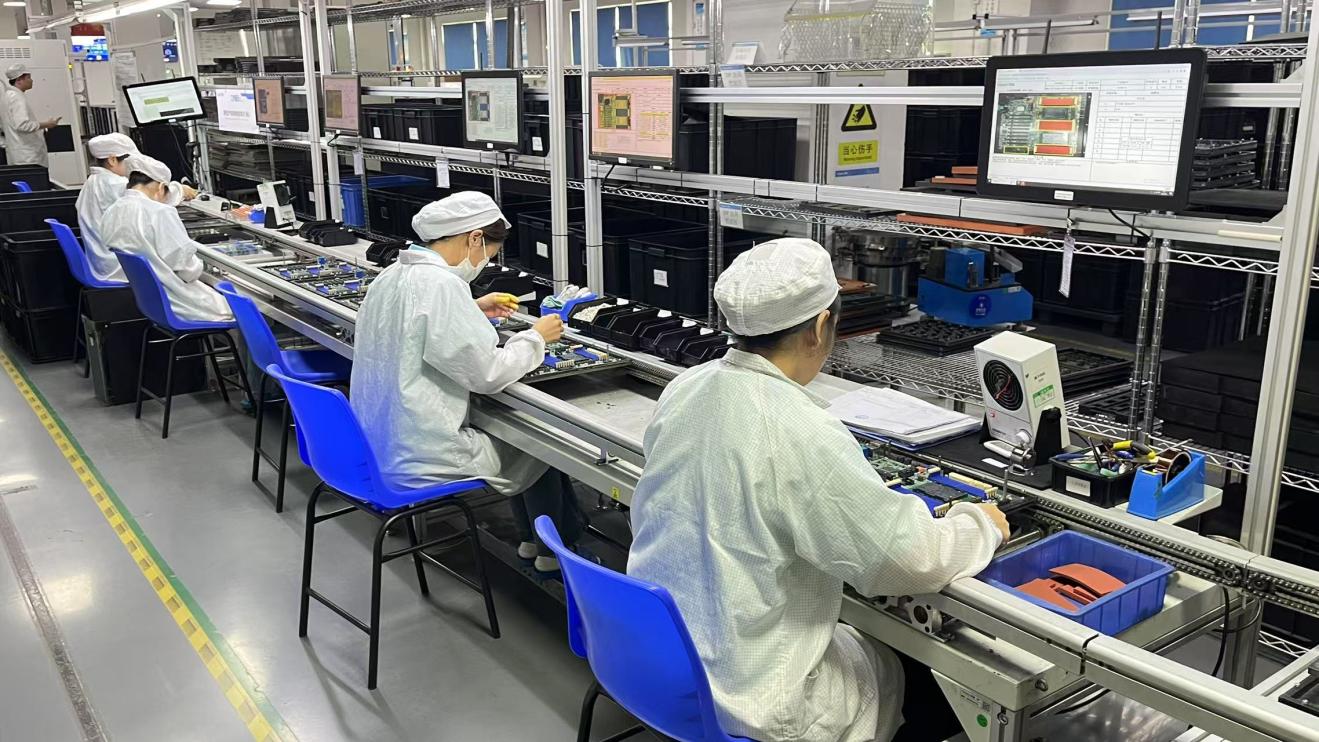
Supported by a robust supply chain network of more than 1,200 qualified partners, we ensure stable sourcing, flexible production, and rapid delivery. Quality is at the core of everything we do. Our products undergo comprehensive reliability testing, thermal performance evaluation, burn-in testing, and functional inspections throughout the manufacturing process. A dedicated quality control team of 42 professionals ensures that every product meets strict international standards before shipment.
Our R&D department consists of 86 experienced engineers specializing in server architecture, thermal management, hardware integration, and AI infrastructure optimization. Each year, we introduce more than 120 new products and upgraded solutions to meet the evolving demands of global customers.
Request a Custom OEM/ODM ProposalBefore any V7 server is packed and shipped to Dhaka, Chittogram, or anywhere globally, it undergoes rigorous hardware stressing. Our manufacturing protocols include dynamic thermal chamber runs, vibration testing simulating transit, full memory diagnostics, and burn-in runs under maximum compute loads.
We provide full hardware customization (OEM/ODM), allowing Bangladesh enterprises to dictate custom chassis branding, dedicated BIOS/UEFI configurations, customized RAID setups, and native integration of local telecommunication interfaces.



To support high-growth economic zones and local digital transformations, our V7 servers are optimized for specific domestic scenarios:
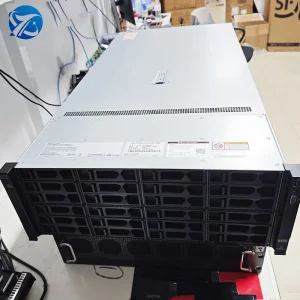
Ready-Made Garments factories leverage GPU-accelerated V7 servers like the G8600 V7 to run real-time computer vision models on assembly lines, identifying fiber and weave defects instantly to reduce waste.
Providing low-latency virtualization pools via Hyperconverged Infrastructure (HCI) to ensure that transactions on MFS platforms run smoothly even during peak festival shopping seasons.
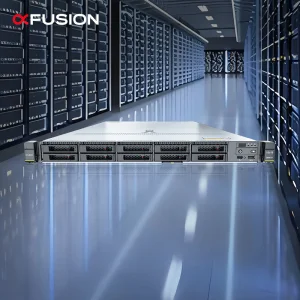
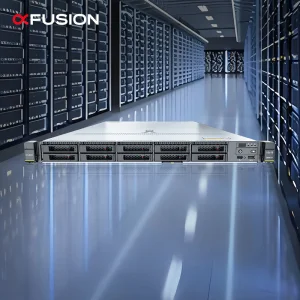
1U V7 nodes installed in urban server closets act as edge computing locations, decoding and routing cellular traffic locally to minimize bandwidth backhaul latency.
Investing in server infrastructure requires a future-proof technology path. The V7 platform is designed to scale and support emerging standards over the next decade:
By using modular motherboard plates, power subsystems, and network cards (OCP 3.0), we ensure that your server assets can be upgraded inline as faster interfaces emerge. Instead of replacing entire chassis arrays, IT administrators in Bangladesh can simply swap processor trays and memory nodes, reducing capital expenditure (CAPEX) by up to 40% and minimizing electronic waste.
Browse our full portfolio of high-density nodes, optimized NAS systems, and hyperconverged appliances available for customization and export to Bangladesh.