Zyphora
Zyphora
Zyphora
Explore our top-performing optical switches, AI server compute clusters, and interconnect architectures.
Pioneering AI computing architectures, specialized rackmount configurations, and comprehensive network solutions since 2017.
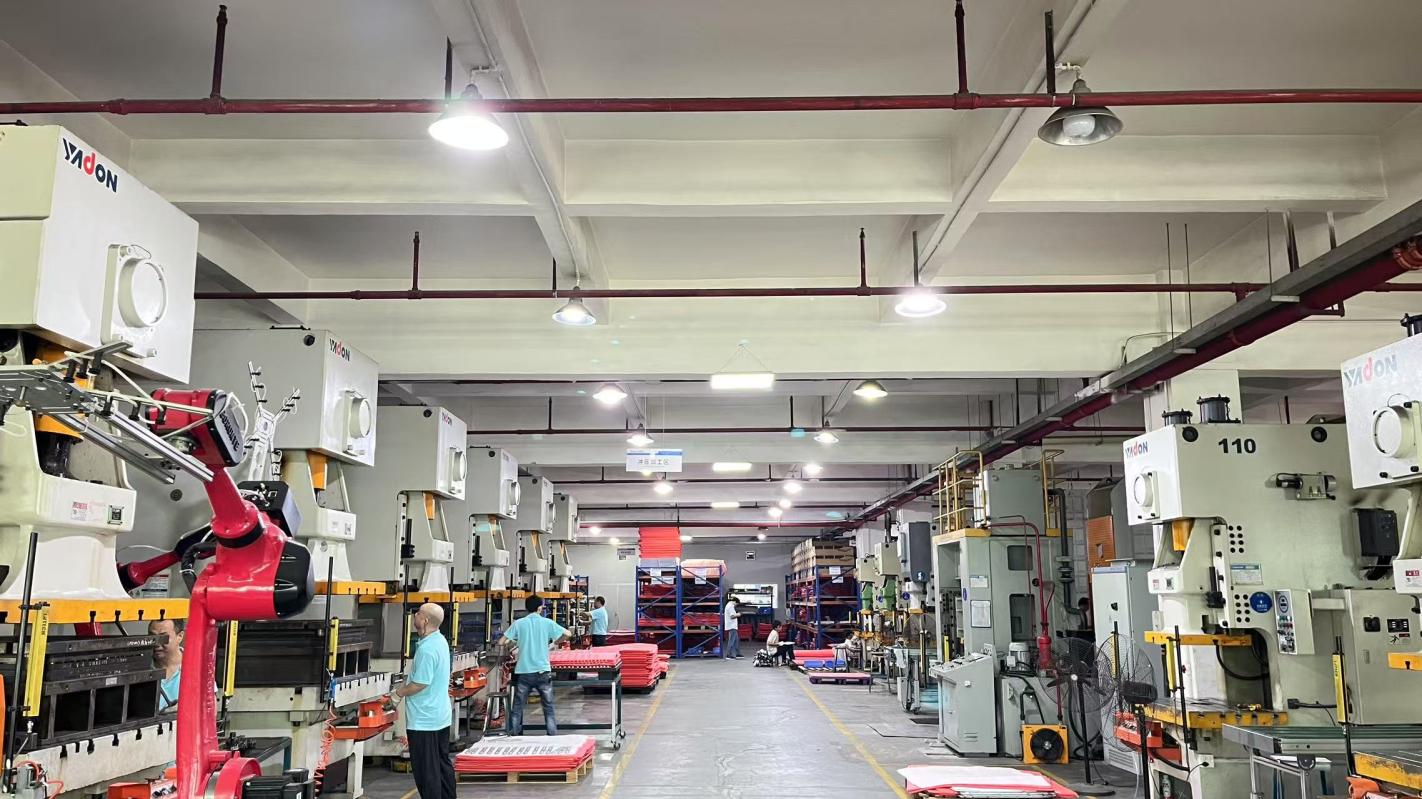
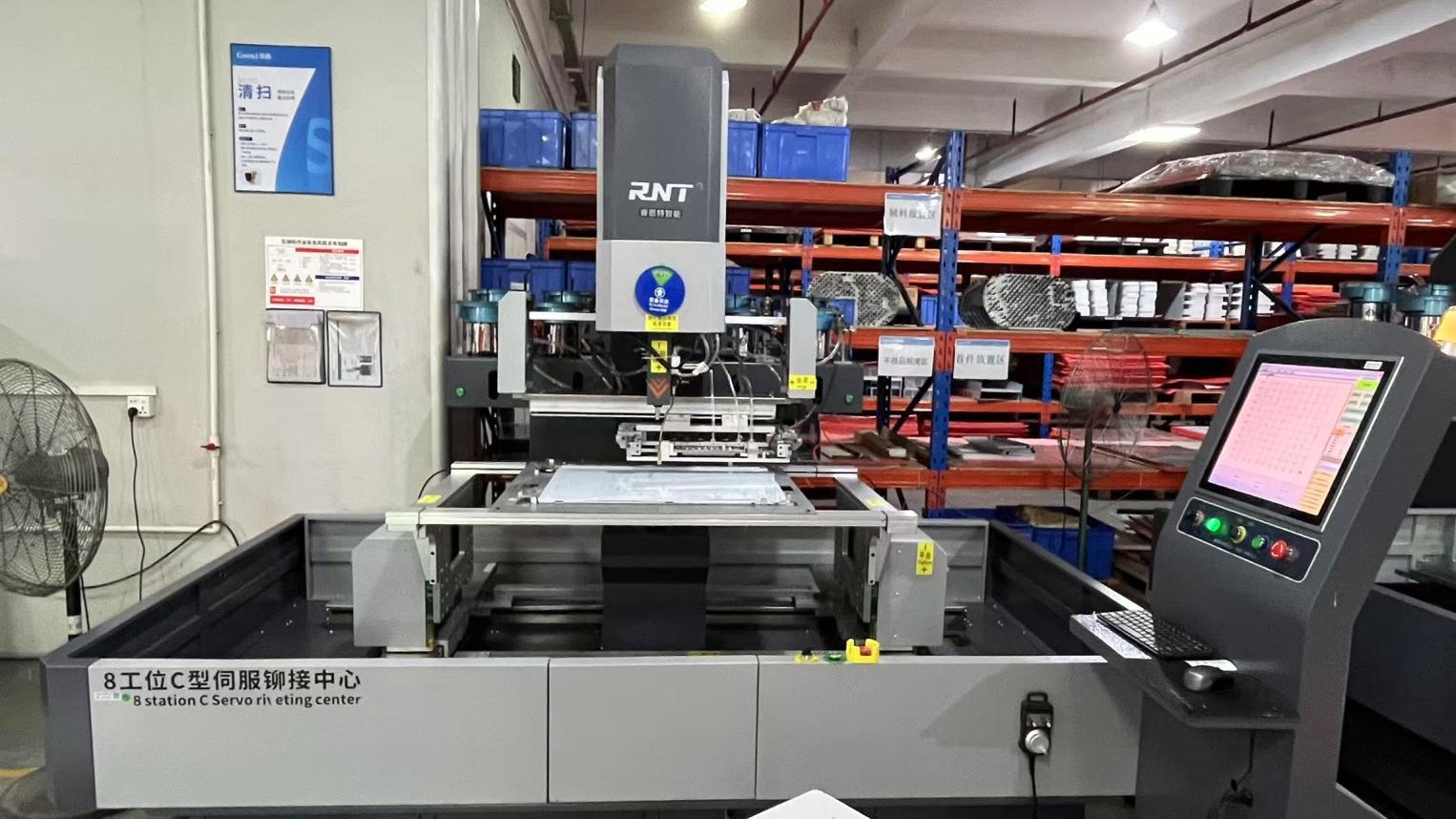
Founded in 2017, Zyphora is a professional manufacturer and global supplier of AI GPU servers, high-performance computing systems, and customized data center solutions. Headquartered in Shenzhen, China, we operate a modern production facility and maintain robust partnerships worldwide.
Our dedicated R&D division has 86 engineers specialized in chassis thermal control, hardware system level design, and deep ASIC integrations. Annually, we design over 120 new products to address emerging technological standards like PCIe Gen5, CXL, and 400G high-bandwidth connectivity.
Backed by an expansive supply network of 1,200+ qualified manufacturing partners, Zyphora facilitates enterprise IT expansion across North America, Europe, Southeast Asia, and the Middle East, maintaining an annual export run rate exceeding USD $18 million.
Deconstructing the macro-demand drivers, operational realities, and performance benchmarks for next-generation network hardware sourcing.
For hyperscalers and Fortune 500 enterprises, network latency or packet loss triggers substantial revenue attrition. Sourcing requirements dictate switches with hot-swappable dual power supplies (AC/DC redundancy), active-active link aggregation, and a Mean Time Between Failures (MTBF) exceeding 150,000 hours.
Modern clouds run multi-vendor environments. Organizations look for open networking standards (ONIE), compatibility with SONiC, and robust Layer 3 routing suites (BGP, OSPF, ECMP). Sourcing from dynamic network switch exporters mitigates vendor lock-in and controls long-term CapEx.
Sourcing is no longer just about the upfront hardware unit price. The total lifecycle cost includes energy consumption (PUE), active thermal management metrics, support plans, and customs cleared door-to-door delivery times. Global operations rely on exporters capable of managing tariff classifications (HS Code 851762) smoothly.
Tailored architectural blueprints engineered to bridge high-performance data planes with mission-critical applications.
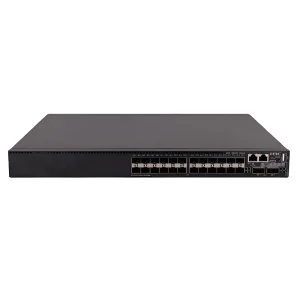
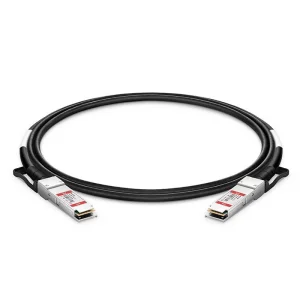
AI workloads require non-blocking fabric and ultra-low latency interconnects to support distributed training models like DeepSeek or LLaMA. S6520X optical core switch ranges coupled with high-speed QSFP+ cabling prevent GPU starvation, maintaining continuous computing utilization across distributed PCIe server configurations.
Industrial edge nodes require resilient networking in harsh environments. Deployment specifications involve din-rail or compact rackmount systems with wide thermal envelopes (-40°C to 75°C) and robust Layer 2 security suites. These networks handle traffic shaping, packet classification, and IGMP snooping for IP surveillance backhauls.
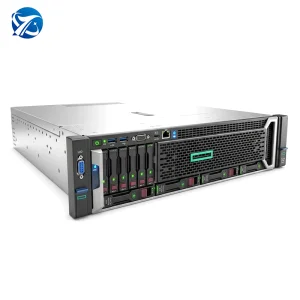
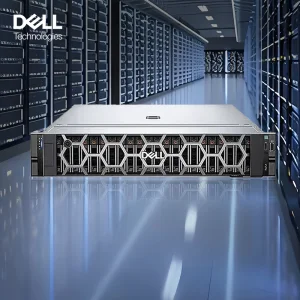
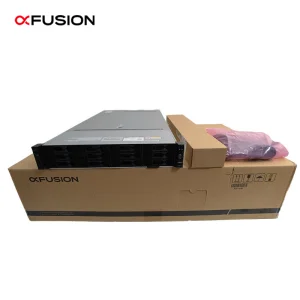
Integrating servers from varying architectures—such as xFusion FusionServer, Dell PowerEdge, or HPE ProLiant Gen11 clusters—demands high-density switching planes. Stackable switch matrices enable unified policy enforcement, VLAN trunking, dynamic access control lists (ACLs), and QoS profiles across multi-tier topologies.
Tracking the industry transitions across network hardware development, energy compliance, and speed boundaries.
As telemetry data streams, real-time analytics, and high-frequency training models expand, the typical 10G/40G pipeline undergoes congestion. Future enterprise infrastructures are migrating toward 100G, 400G, and 800G non-blocking, cut-through fabric designs. Zyphora aligns with chip developers to support PAM4 optical transceivers and high-capacity backplanes to meet these throughput requirements.
Enterprise data centers replace core Layer-3 devices with high-density QSFP28/QSFP-DD chassis configuration.
Deployment of optical interfaces inside server host systems, lowering end-to-end latencies below 1 microsecond.
Migration to automated network provisioning driven by intent-based machine learning monitoring.
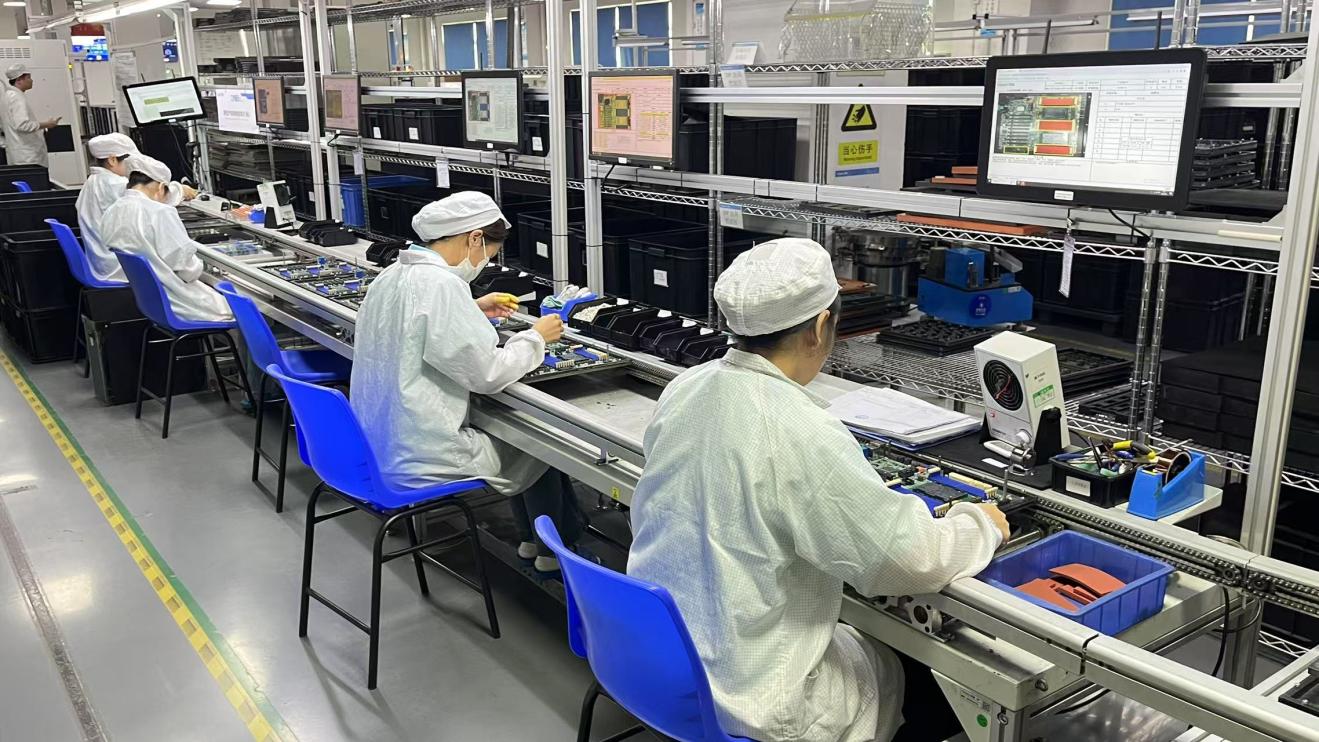
Every network component undergoes strict testing protocols to guarantee optimal signal integrity and long-term reliability.
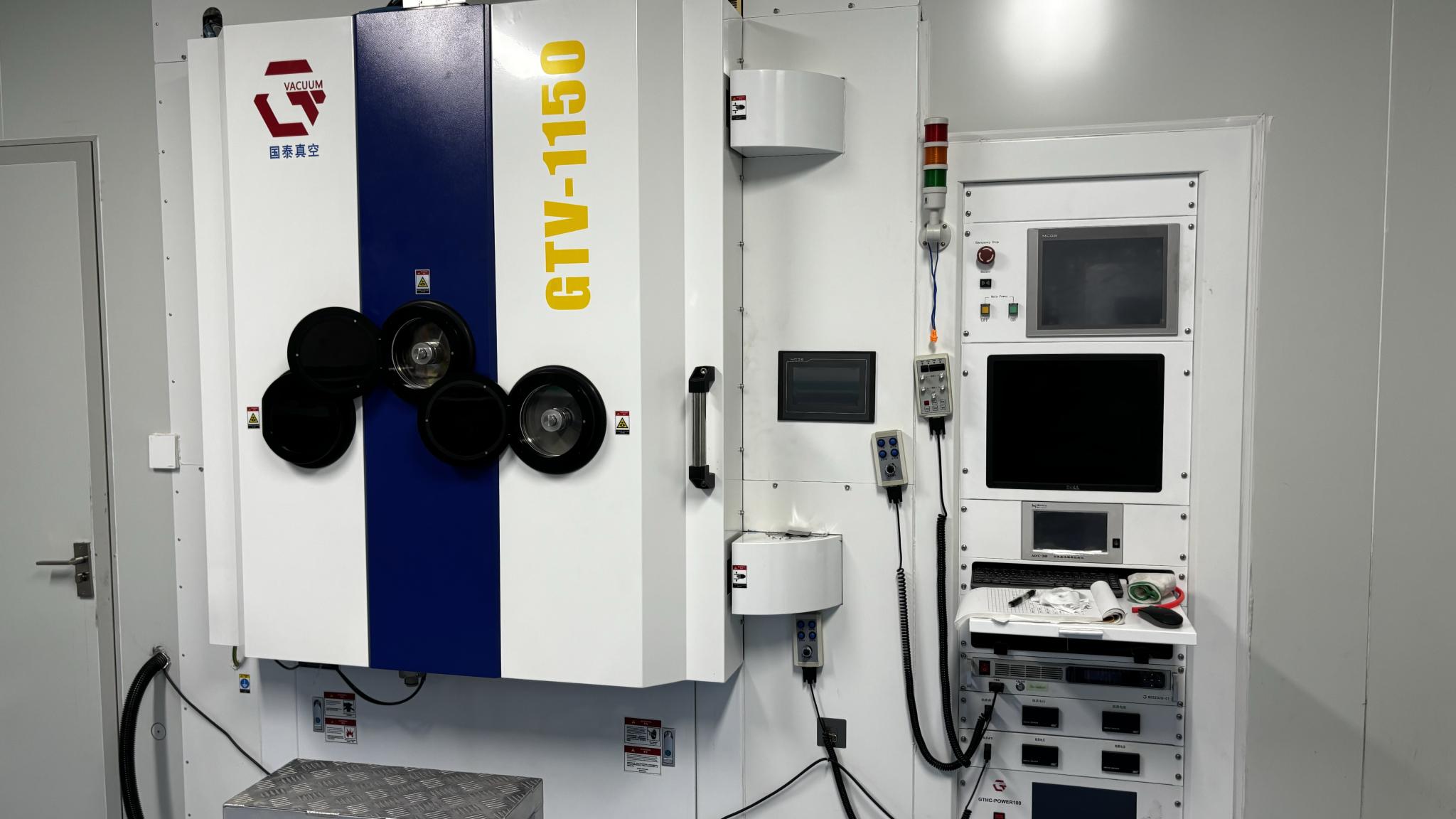
Our quality control infrastructure involves a team of 42 QC professionals who execute exhaustive tests, including: thermal cycling chamber inspections (-20°C to +80°C), power load verification, hardware burn-in, packet loss profiling at maximum backplane capacity, and strict compliance validation.
Zyphora provides comprehensive OEM/ODM customization services. We configure internal PCB structures, customize hardware enclosure branding, pre-flash proprietary network operating systems (NOS), and optimize thermal fan modules for specific rack layouts.
Our solutions adhere to strict international regulatory certifications, including CE, FCC, RoHS, and UL, ensuring seamless import processing, safety compliance, and compatibility with local telecommunication grids.
A side-by-side technical performance matrix to assist enterprise architects in selecting the optimal configuration.
| Switch / System Type | Maximum Throughput | Latency (Cut-Through) | Supported Port Configurations | Primary Architecture Targets |
|---|---|---|---|---|
| 10G Core/Aggregation (e.g. S6520X) | Up to 2.56 Tbps | < 1.2 microseconds | 24×10G SFP+, 2×40G QSFP+ (expansion slots) | Mid-sized enterprise cores, storage area networks (SAN) |
| Hyperscale Spine-Leaf | Up to 12.8 Tbps | < 600 nanoseconds | 32×100G QSFP28 / 8×400G QSFP-DD | Deep-learning computing matrices, hybrid cloud environments |
| Edge Aggregation L3 | Up to 360 Gbps | < 2.5 microseconds | 48×1G/10G Base-T RJ45, 4×10G SFP+ uplinks | Smart office networks, manufacturing floor connectivity |
| AI Fabric Switches (RoCEv2) | Up to 51.2 Tbps | < 450 nanoseconds | 64×800G OSFP / 128×400G QSFP-DD | GPU server clusters (DL360 Gen12, R760, G8600 V7) |
Technical and procurement answers directly from Zyphora’s engineering and export operations departments.
High-density storage configurations, PCI-Express NVMe flash drives, and processing units for scalable hybrid deployments.