Zyphora
Zyphora
Zyphora
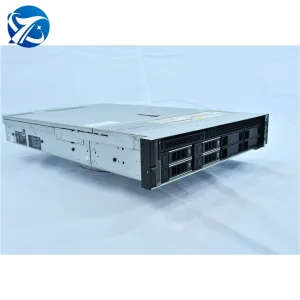
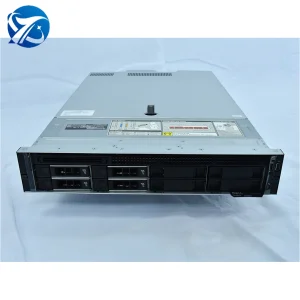
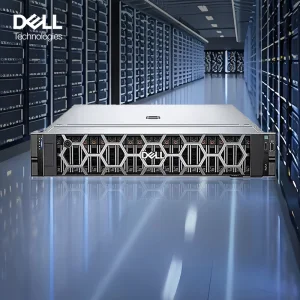
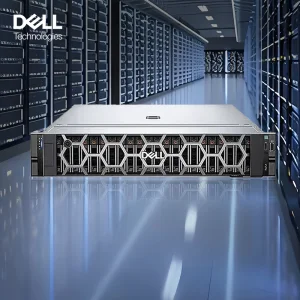
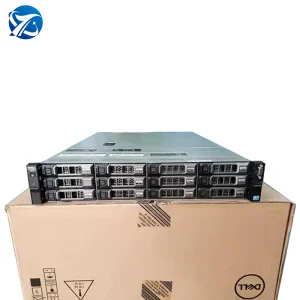
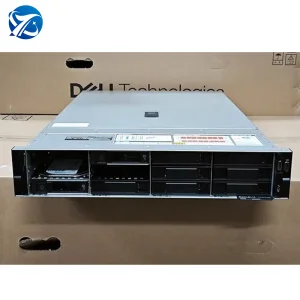
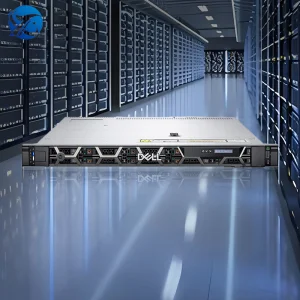
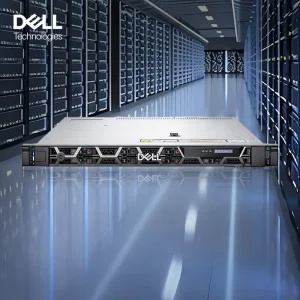
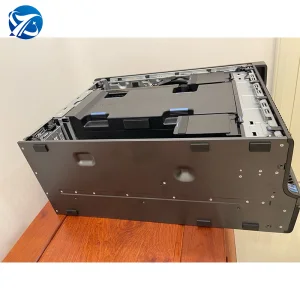
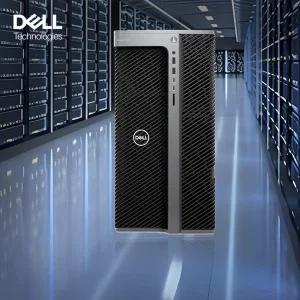
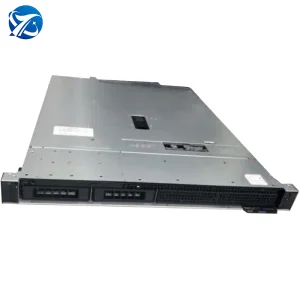
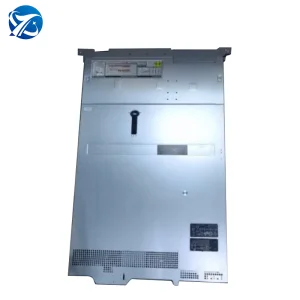
High-density 1U, 2U, and 4U rackmount architectures engineered for hybrid cloud databases, virtualization nodes, and intensive storage workloads.
The production of enterprise-grade rack servers, such as the industry-standard Dell PowerEdge series, represents one of the most sophisticated supply chain achievements of the modern industrial age. Enterprise server manufacturing operates on a multi-tiered global network that balances precision electronic engineering, localized custom configurations, and large-scale manufacturing facilities. This whitepaper analyzes the operational framework of server production plants, highlighting the roles of Original Design Manufacturers (ODMs) and original equipment brands in satisfying global enterprise demands.
Unlike consumer electronics, enterprise systems must be built for continuous, 24/7/365 operational availability. Consequently, server factories rely on tiered integration structures. The foundational motherboard design and initial SMT (Surface Mount Technology) processes are often carried out in dedicated, high-capacity facilities across East Asia. The resulting chassis-level systems (L6 assemblies) are then shipped to regional integration facilities (L10 assemblies) closer to major economic markets, where final CPUs, RAM, storage modules, and custom enterprise firmware configurations are integrated and validated.
Dell maintains manufacturing facilities and partners with leading ODMs worldwide to optimize freight costs, manage duties, and shorten delivery times. Major global assembly points include:
How local ecosystems like Shenzhen drive rapid iteration, precise quality control, and unparalleled integration efficiency for global computing networks.
Shenzhen's hardware ecosystem represents a highly consolidated supply chain cluster. Within a 50-kilometer radius, factories can source motherboards, chassis parts, power distribution units, and high-frequency connectors, reducing integration times from weeks to days.
While traditional global factories focus on large-scale standardization, local ODM manufacturers offer flexible design cycles. This allows cloud service providers and AI startups to prototype, build, and deploy specialized computing nodes optimized for distinct GPU/FPGA matrices.
Modern Shenzhen assembly plants utilize advanced testing platforms, including automatic optical inspections (AOI), x-ray structural checks, and dynamic thermal chamber analysis, ensuring all hardware components meet strict international specifications.
To minimize supply chain risks, modern enterprises are pairing standard server frameworks with custom ODM manufacturing. This dual-source architecture allows companies to run their main workloads on standardized systems while utilizing specialized hardware structures to handle AI training, low-latency trading, and complex database workloads.
Founded in 2017, Zyphora is a professional manufacturer and global supplier of AI GPU servers, high-performance computing systems, and customized data center solutions. Headquartered in Shenzhen, China, the company operates a modern production facility covering 386 square meters and serves customers across North America, Europe, Southeast Asia, and the Middle East.
With annual export revenue exceeding USD 18 million, Zyphora has built a strong reputation in the AI computing infrastructure industry through continuous innovation, reliable product quality, and customer-focused service. Our team brings over 12 years of industry experience and 7 years of export expertise, enabling us to support clients worldwide with efficient project delivery and professional technical assistance.
Zyphora specializes in AI GPU servers, GPU workstations, rackmount servers, storage servers, and customized computing solutions for artificial intelligence, machine learning, cloud computing, and high-performance computing applications. Supported by a robust supply chain network of more than 1,200 qualified partners, we ensure stable sourcing, flexible production, and rapid delivery.
Quality is at the core of everything we do. Our products undergo comprehensive reliability testing, thermal performance evaluation, burn-in testing, and functional inspections throughout the manufacturing process. A dedicated quality control team of 42 professionals ensures that every product meets strict international standards before shipment.
Innovation drives our growth. Our R&D department consists of 86 experienced engineers specializing in server architecture, thermal management, hardware integration, and AI infrastructure optimization. Each year, we introduce more than 120 new products and upgraded solutions to meet the evolving demands of global customers.
Zyphora offers comprehensive OEM and ODM services, including hardware customization, chassis design, branding, firmware configuration, and system integration. Our flexible manufacturing capabilities enable us to provide tailored solutions for cloud service providers, AI startups, research institutions, system integrators, data center operators, and enterprise customers.
Guided by the principles of quality, innovation, and customer success, Zyphora is committed to delivering advanced AI computing infrastructure that empowers organizations to accelerate digital transformation and unlock the full potential of artificial intelligence.
Visualizing our ISO-compliant manufacturing lines, diagnostic equipment, and system configuration labs.




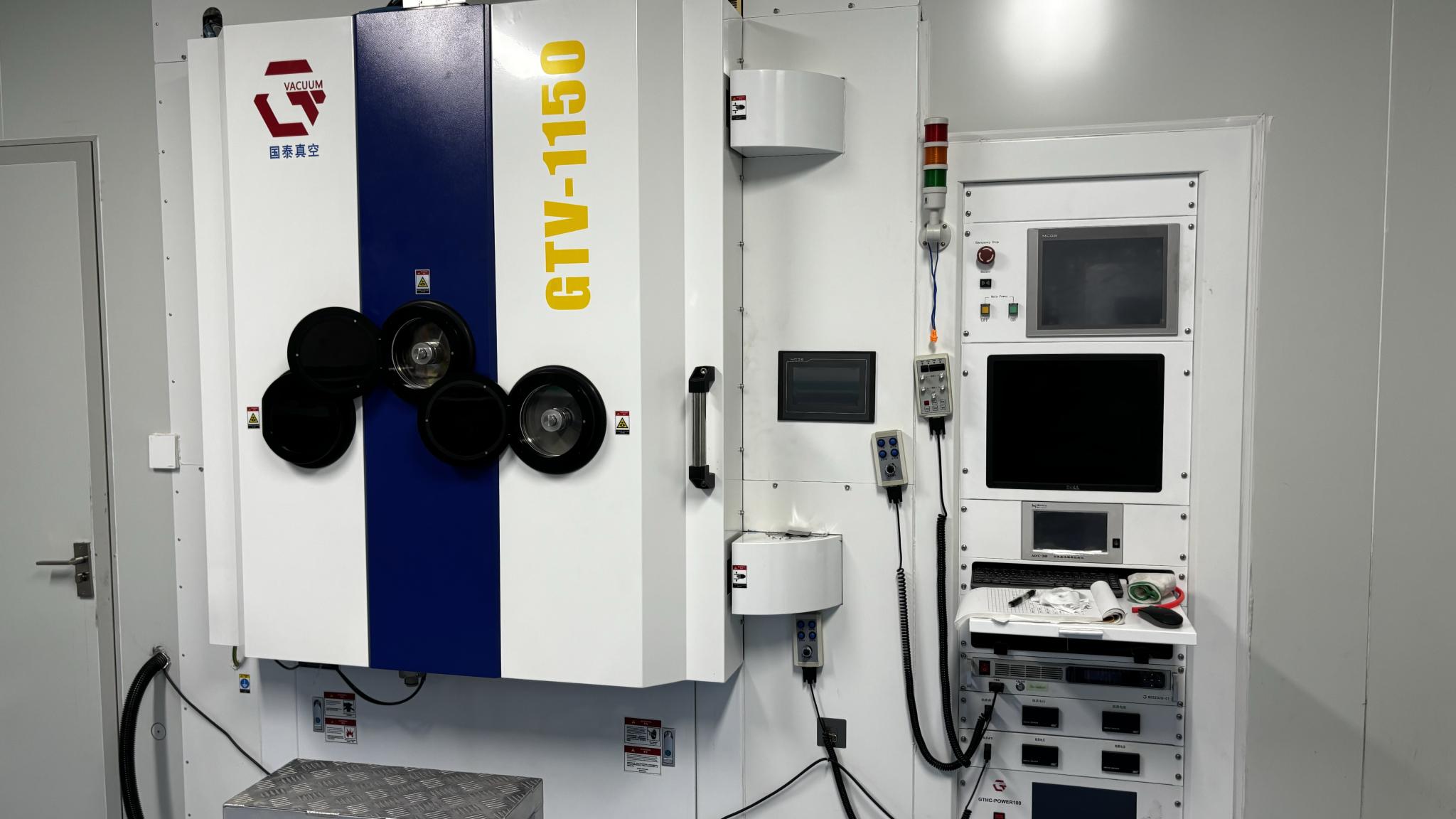
Enterprise architectures deployed globally, tailored for specific computing workloads and local environment requirements.
Deploying high-performance computing in demanding environments, such as shipping ports, factories, or oil rigs, requires structural adjustments. Chassis modifications focus on dust filtration, structural dampening, and wide-temperature operating thresholds.
Relevant Models: PowerEdge R660XS, R760XSLarge scale natural language models and neural networks require high-throughput GPU setups. Custom ODM solutions, incorporating multiple PCIe slots and specialized power distribution systems, support continuous, high-performance training runs.
Relevant Solutions: GPU Workstations, R960 SeriesHyperscalers need optimal performance density per rack unit. High-density 1U servers, combined with custom IPMI firmware interfaces, allow managers to oversee compute resources across global server environments efficiently.
Relevant Models: PowerEdge R660, R260, R350Essential information for global infrastructure planners, procurement managers, and systems integrators.
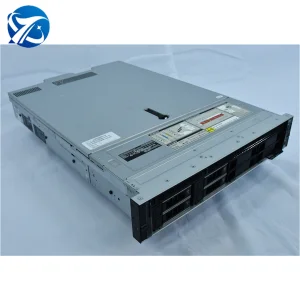
A further range of highly configurable rack architectures for edge computing, nas storage, and virtualized workloads.