Zyphora
Zyphora
Zyphora
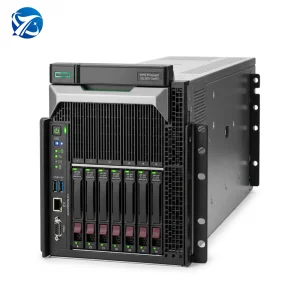
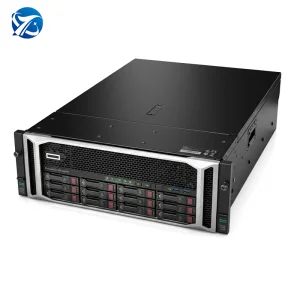
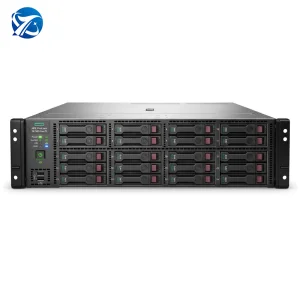
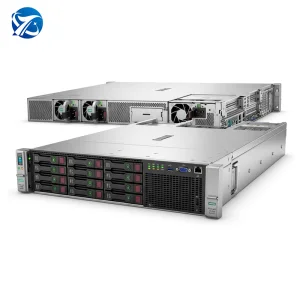
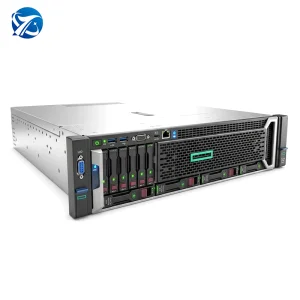
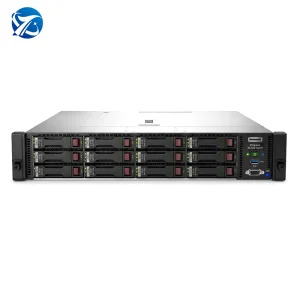
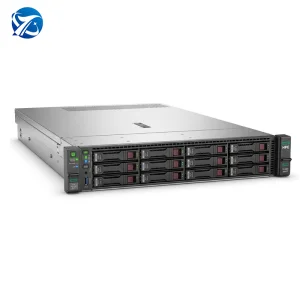
The global enterprise hosting, hybrid cloud compute, and AI infrastructure domains demand robust hardware performance. Hewlett Packard Enterprise (HPE) has maintained a commanding share of this market with its flagship HPE ProLiant series. In modern data systems, from deep learning inference loops to hyperscale virtualization farms, HPE systems represent reliability, security, and scalability. As global supply dynamics evolve, the role of experienced suppliers and exporters becomes vital in bridging localized deployment needs with certified, high-grade server technologies.
Throughout industrial automation, scientific visualization, financial services, and energy exploration, the demand for enterprise computing relies heavily on multi-socket processors and dense storage systems. By engineering systems that align with Intel Scalable platforms and modern AMD EPYC technologies, HPE servers allow organizations to scale computational clusters without sacrificing operational efficiency or increasing thermal profiles beyond management standards.
Modern data pipelines are shifting from isolated local processing arrays to integrated hybrid environments. The capability of HPE servers to bridge workloads seamlessly from edge sensors to centralized high-performance computing centers is supported by robust hardware engineering, including features like Silicon Root of Trust and intelligent power management profiles.
Looking at commercial patterns across major logistics hubs in North America, Europe, Asia Pacific, and the Middle East, enterprises are rapidly decommissioning legacy systems in favor of PCIe Gen5 and Gen6 architectures. This shift is driven by the rise of Large Language Models (LLMs) and advanced data analytics platforms. For sourcing managers, securing stable delivery windows for custom-configured compute nodes is essential to minimizing deployment delays.
The server industry is transitioning through several critical technical changes designed to support next-generation workloads:
Transitioning to DDR5 RAM and PCIe 5.0/6.0 buses provides double the bandwidth of previous standards. This change reduces operational bottlenecks in GPU clustering and complex simulation models.
Modern servers incorporate specialized architectures, such as EDSFF form-factors, allowing dense NVMe drive arrays to sit alongside dual-slot accelerators to process machine learning logic locally.
High-density processors generate significant heat. Adapting liquid loop systems and segmented air cooling corridors helps lower datacenter PUE (Power Usage Effectiveness) ratings.
| Platform Generation | Processor Standard | Memory Technology | PCIe Interface | Target Workloads |
|---|---|---|---|---|
| HPE ProLiant Gen12 Series | Latest Multi-Core Xeon Scalable / AMD EPYC | DDR5 ECC registered (Up to 6400 MT/s) | PCIe Gen 6.0 Support | Generative AI, Large LLM Inference, Ultra-dense Virtualization |
| HPE ProLiant Gen11 Series | 4th/5th Gen Intel Xeon Scalable | DDR5 ECC registered (Up to 4800 MT/s) | PCIe Gen 5.0 High Speed | Hybrid Cloud Datacenters, Relational Databases, GPU Node Clusters |
| HPE ProLiant Gen10 / Gen10 Plus | 2nd/3rd Gen Intel Xeon / AMD EPYC | DDR4 SmartMemory | PCIe Gen 4.0 Standard | Standard Virtualization, Web Hosting, File/Storage Arrays |
Enterprise compute hardware must perform reliably under varying environmental and operational conditions. The application of HPE architectures differs significantly by region and industry:
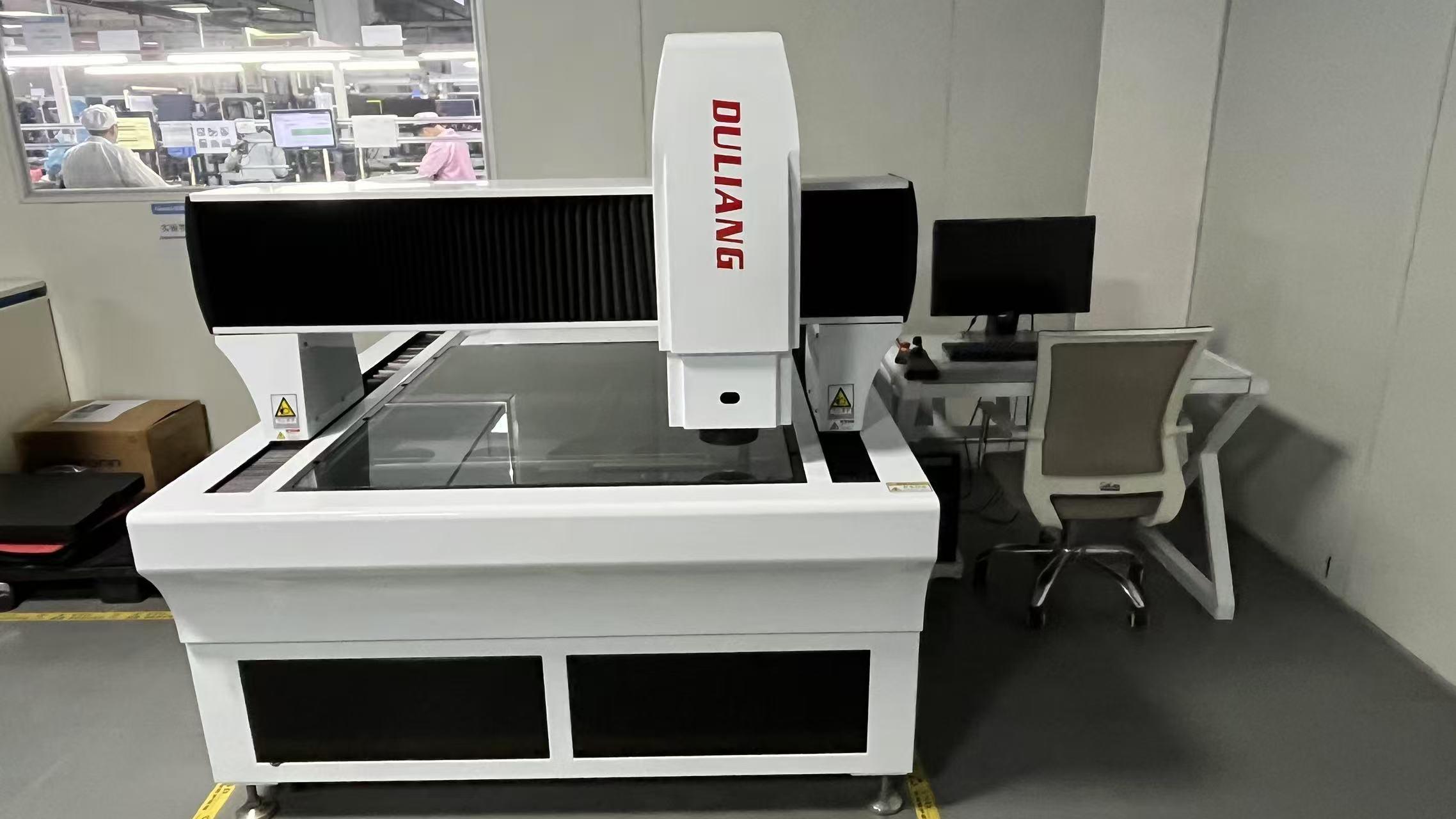
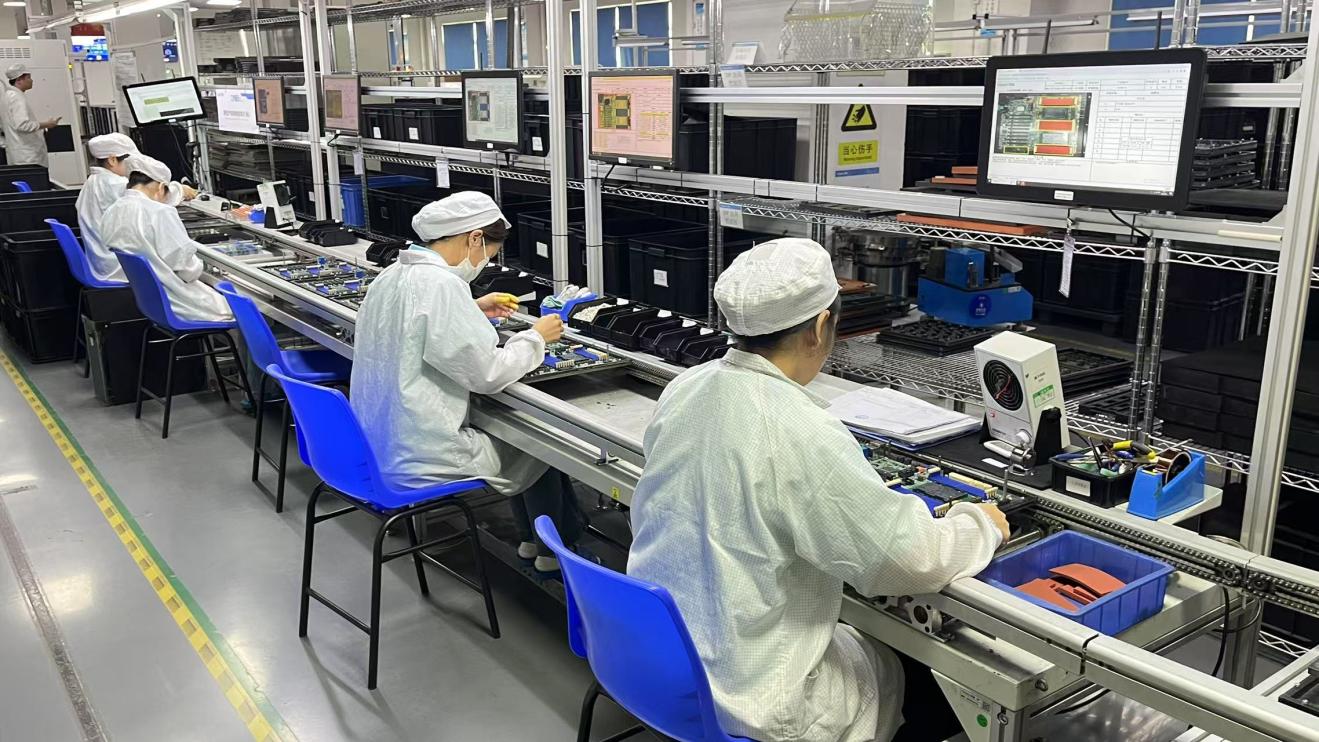
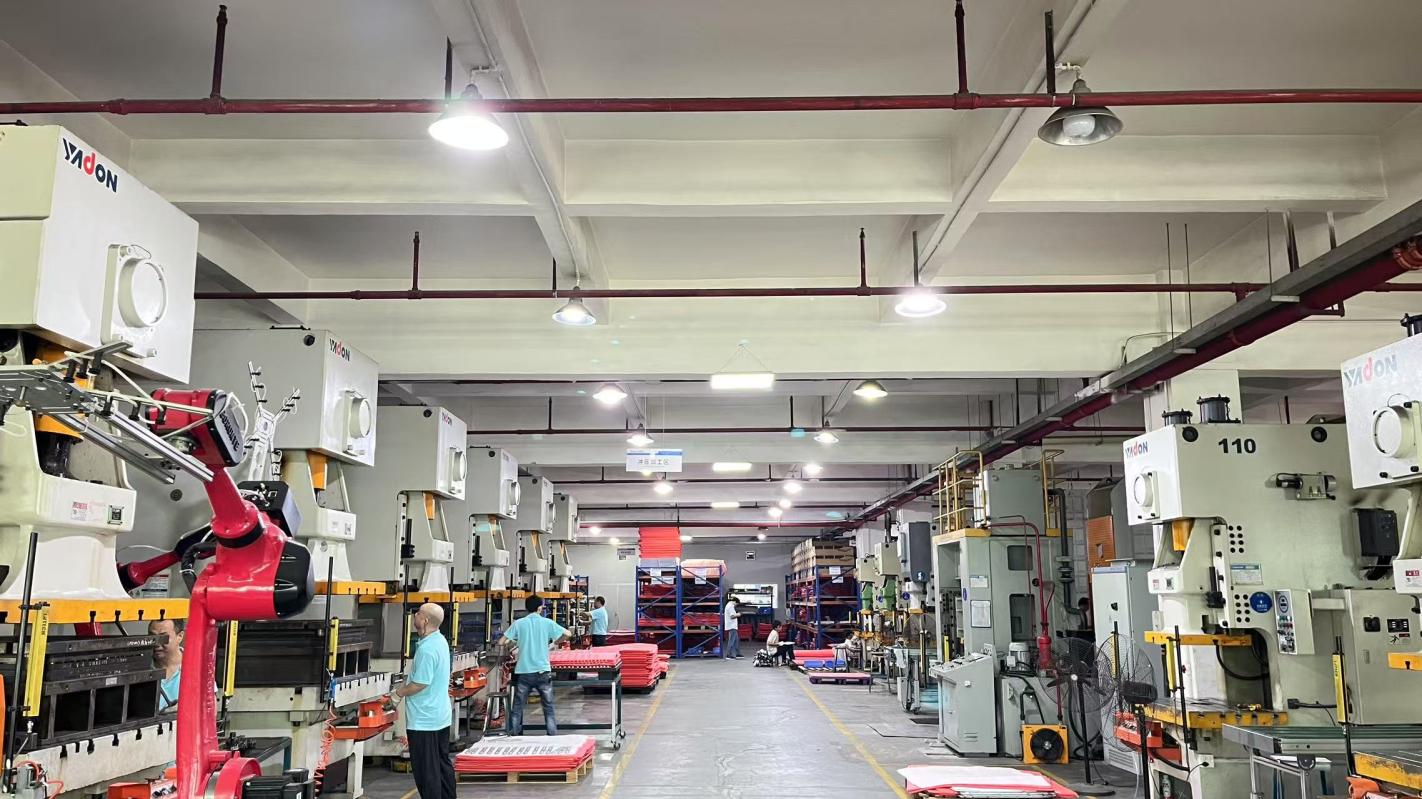
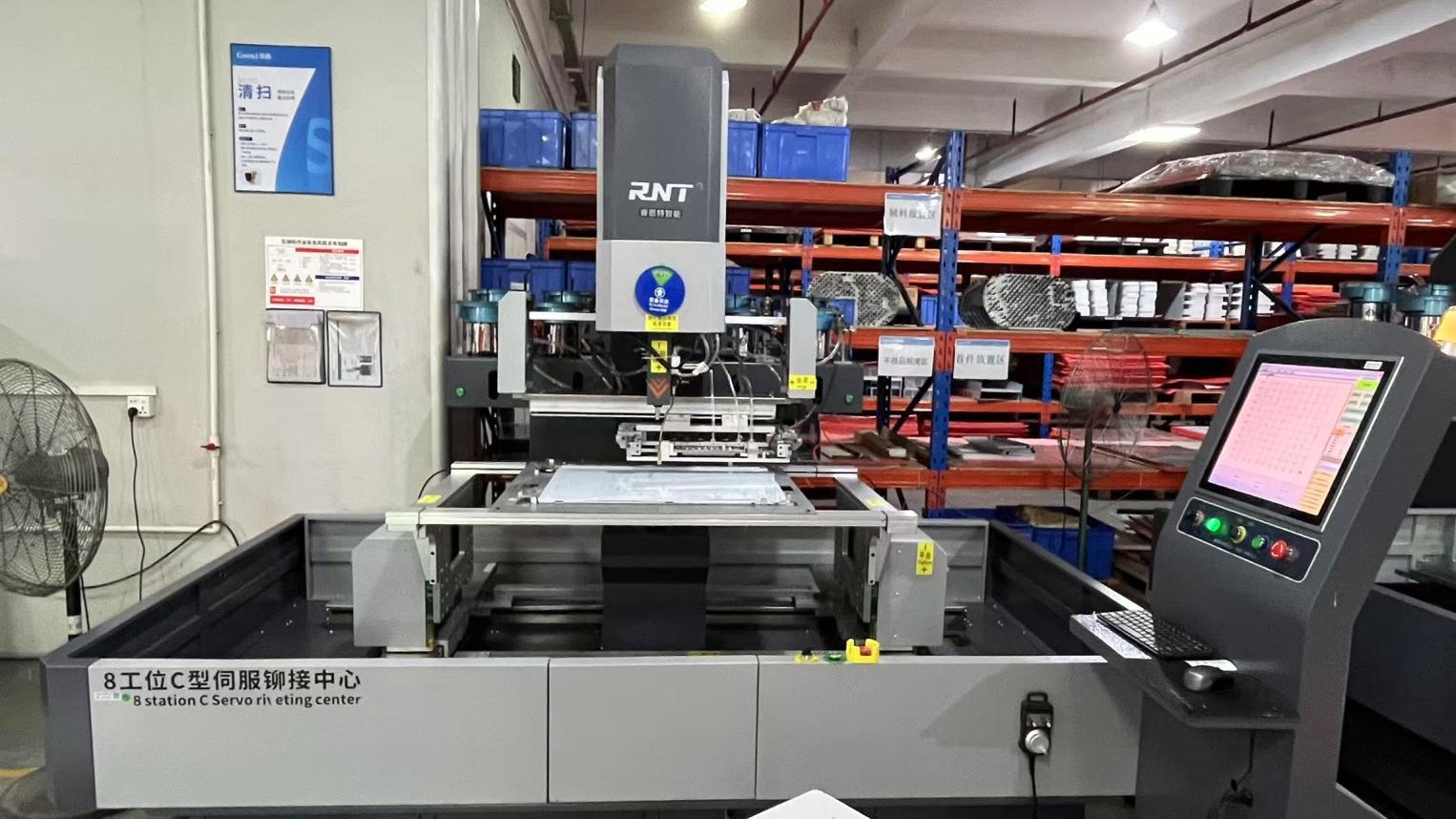
Founded in 2017, Zyphora is a professional manufacturer and global supplier of AI GPU servers, high-performance computing systems, and customized data center solutions. Headquartered in Shenzhen, China, the company operates a modern production facility covering 386 square meters and serves customers across North America, Europe, Southeast Asia, and the Middle East.
With annual export revenue exceeding USD 18 million, Zyphora has built a strong reputation in the AI computing infrastructure industry through continuous innovation, reliable product quality, and customer-focused service. Our team brings over 12 years of industry experience and 7 years of export expertise, enabling us to support clients worldwide with efficient project delivery and professional technical assistance.
Zyphora specializes in AI GPU servers, GPU workstations, rackmount servers, storage servers, and customized computing solutions for artificial intelligence, machine learning, cloud computing, and high-performance computing applications. Supported by a robust supply chain network of more than 1,200 qualified partners, we ensure stable sourcing, flexible production, and rapid delivery.
Quality is at the core of everything we do. Our products undergo comprehensive reliability testing, thermal performance evaluation, burn-in testing, and functional inspections throughout the manufacturing process. A dedicated quality control team of 42 professionals ensures that every product meets strict international standards before shipment.
Innovation drives our growth. Our R&D department consists of 86 experienced engineers specializing in server architecture, thermal management, hardware integration, and AI infrastructure optimization. Each year, we introduce more than 120 new products and upgraded solutions to meet the evolving demands of global customers.
Zyphora offers comprehensive OEM and ODM services, including hardware customization, chassis design, branding, firmware configuration, and system integration. Our flexible manufacturing capabilities enable us to provide tailored solutions for cloud service providers, AI startups, research institutions, system integrators, data center operators, and enterprise customers.
Guided by the principles of quality, innovation, and customer success, Zyphora is committed to delivering advanced AI computing infrastructure that empowers organizations to accelerate digital transformation and unlock the full potential of artificial intelligence.
Deploying server platforms in large enterprise environments requires a balanced approach to networking, computing, and system storage. The optimization of compute clusters can be organized into three strategic paths:
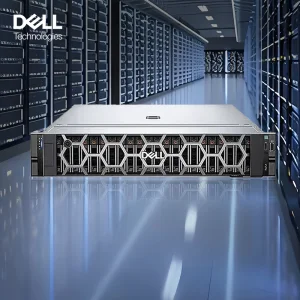
For organizations consolidating multiple enterprise database systems onto single server hosts, virtualization density is key. Utilizing HPE DL380 Gen12 or Gen11 systems allows infrastructure teams to utilize dual Intel Xeon Scalable processors to run hundreds of isolated virtual machines (VMs). By utilizing HPE iLO 6 alongside management consoles, IT teams can monitor server performance and manage workloads dynamically based on demand.
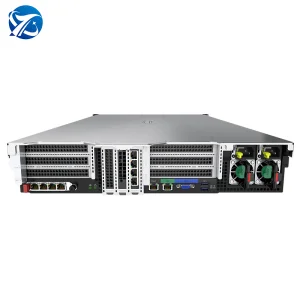
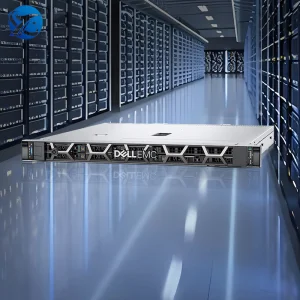
For applications such as smart city video analytics, speech processing, and recommendation models, local latency is critical. Deploying specialized configurations like the HPE ProLiant Compute DL360 Gen12 or custom GPU servers provides high-speed processing near the data source. These systems support dense NVMe storage interfaces (including U.3 and EDSFF styles) and high-speed PCIe slots to keep accelerators supplied with data without system bottlenecks.
For data archives, medical imaging records, and unstructured multimedia files, storage capacity must scale efficiently. Systems configured with multi-tier storage setups, using SAS, SATA, and NVMe drives, allow organizations to balance access speeds with hardware costs. Implementing hardware-based RAID arrays and backup software configurations helps maintain data integrity against unexpected system challenges.