Zyphora
Zyphora
Zyphora
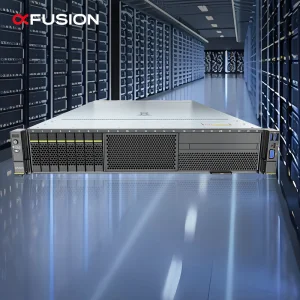
Explore our dynamic line-up of custom-tailored xFusion FusionServer V6 systems, optimized for deep load performance and scalability.
Analyzing the performance profile, deployment value, and structural engineering advantages of modern 2-socket and 4-socket configurations.
The transition of data centers toward AI workloads and intensive cloud infrastructures has dictated a shift in hardware architecture. The xFusion FusionServer V6 family integrates cutting-edge computing capabilities powered by Intel® Xeon® Scalable processors. Engineered with advanced multi-core topologies, high-frequency execution pipelines, and integrated AI acceleration engines (Intel® DL Boost), these servers achieve unparalleled processing throughput.
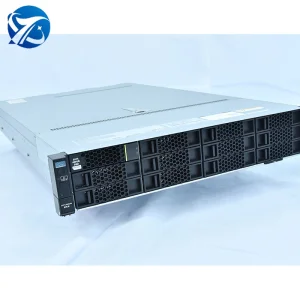
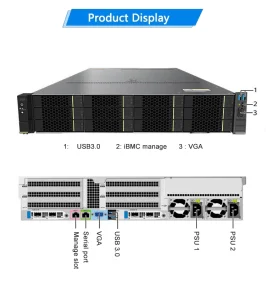
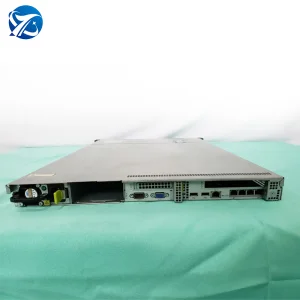
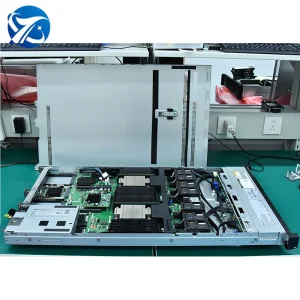
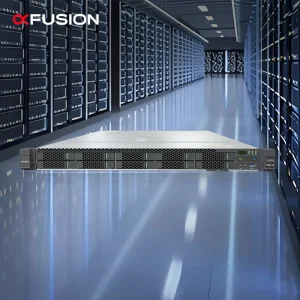
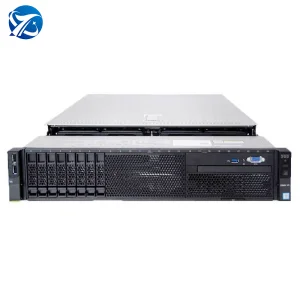
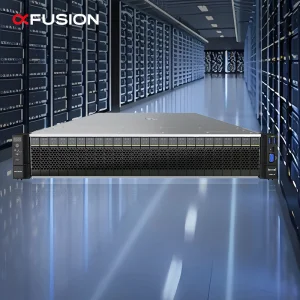
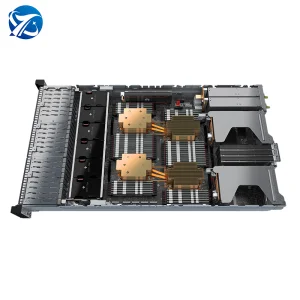
Whether deploying the ultra-dense 1U FusionServer 1288H V6 for space-constrained cloud rendering nodes, or the high-expandability 2U FusionServer 2288H V6 for diverse application hosting, our customers benefit from extensive hardware reliability features. Dual-socket scaling coupled with next-generation memory bandwidth provides the structural foundation required for modern microservices and heavy relational databases.
Key performance factors include:
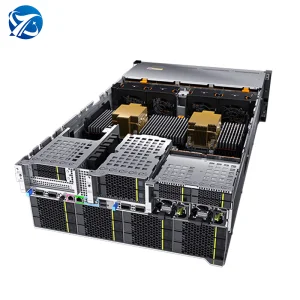
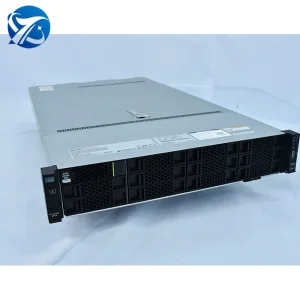
Our engineering testing validates that the FusionServer 2488H V6 (2U 4-socket topology) yields a compute density improvement of up to 100% when compared to equivalent 2U 2-socket footprints, significantly optimizing cabinet space and reducing cooling expenditure for hyper-scale operations.
This allows cloud providers, industrial automation facilities, and research universities to scale computing efficiency without undergoing costly floor-space acquisitions in premium tier-4 data facilities.
A trusted global supplier specializing in high-density rackmount systems, AI GPU servers, and bespoke hardware customization.
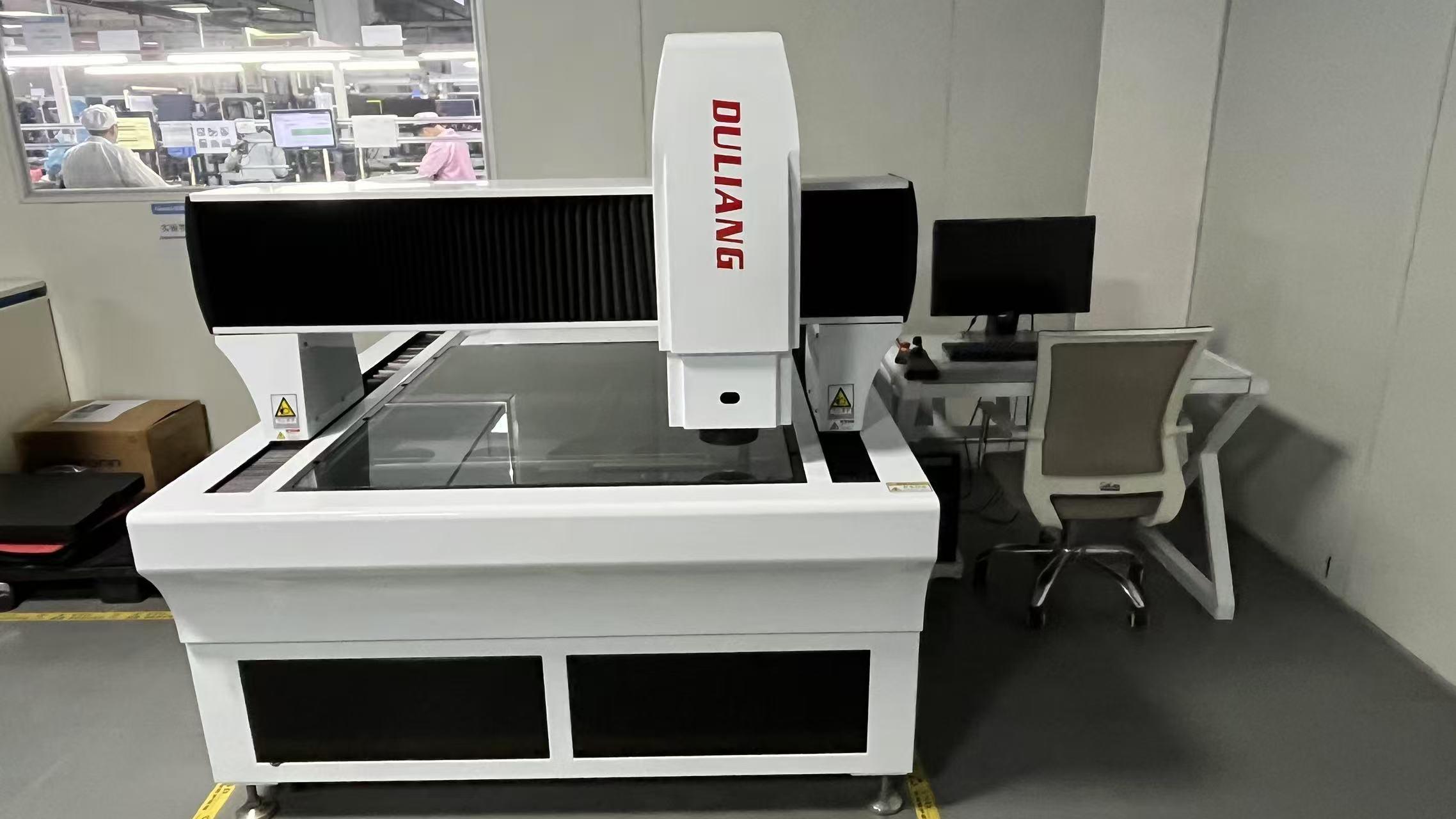
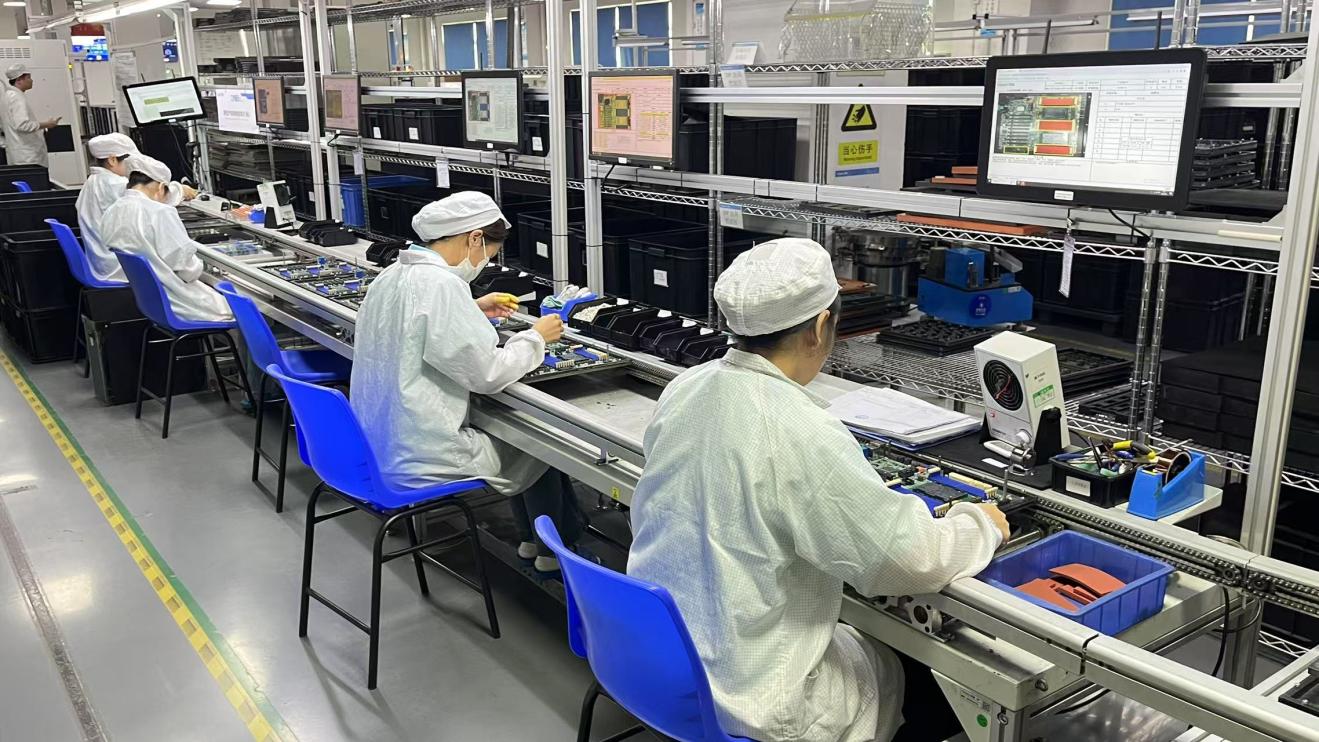
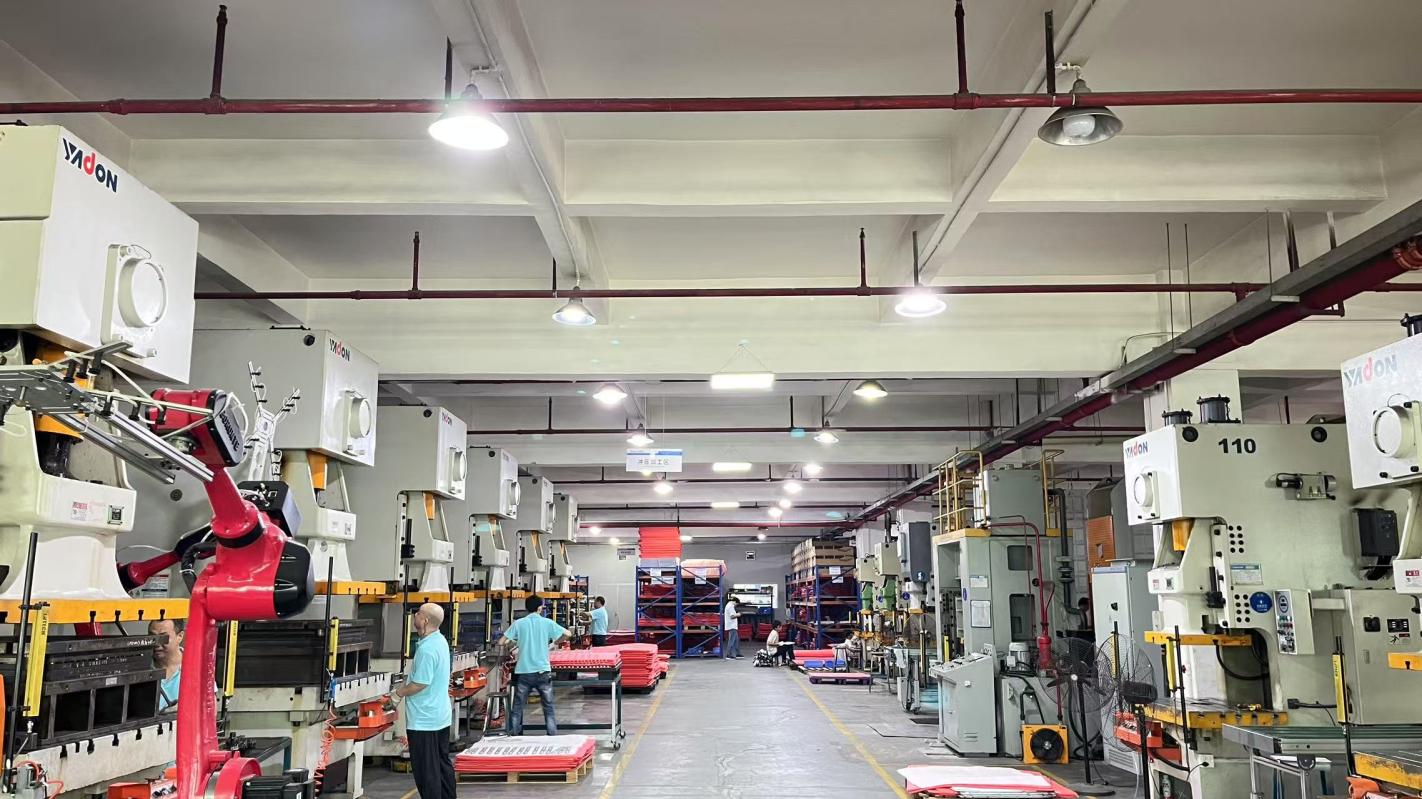
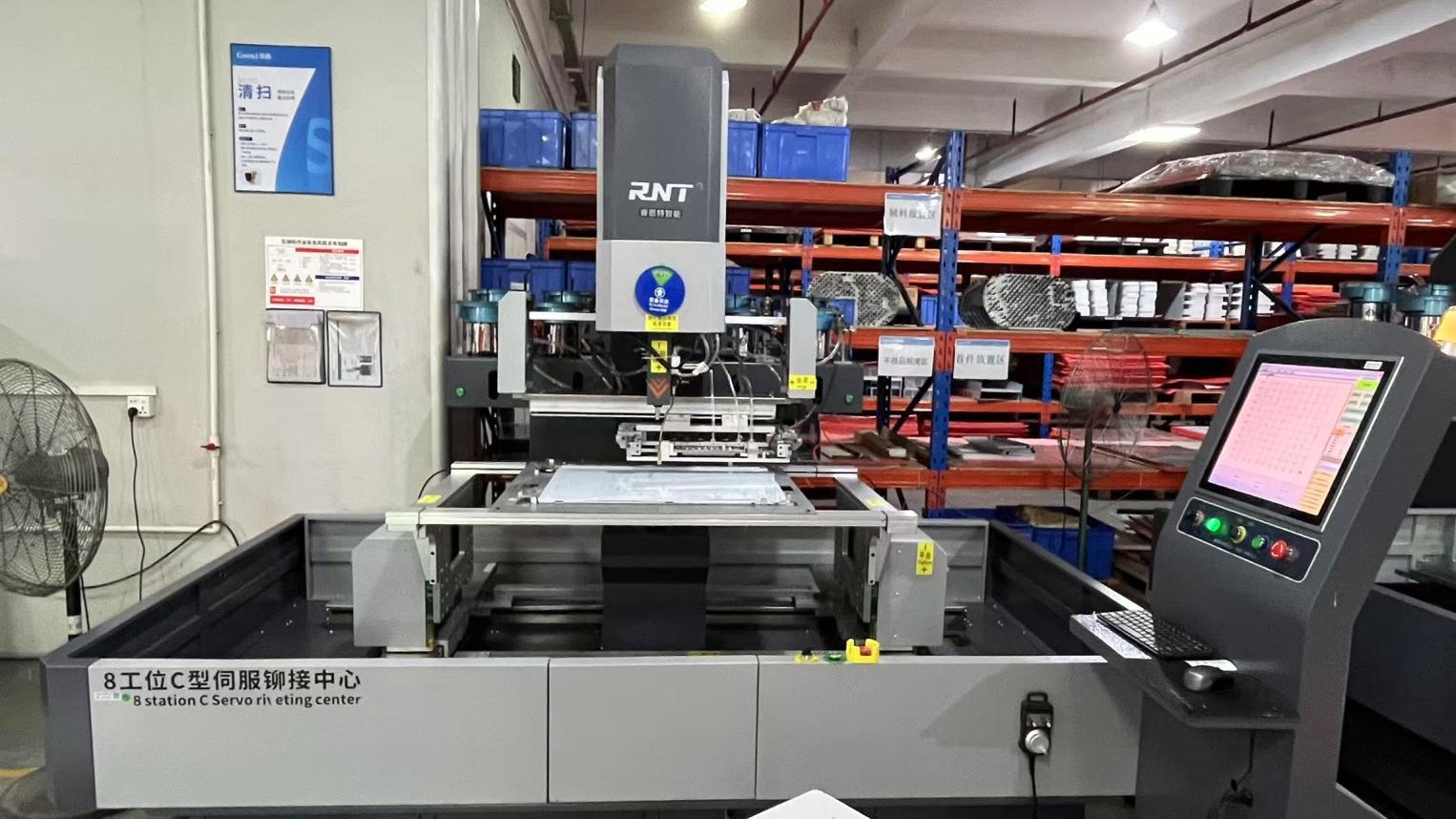
Founded in 2017, Zyphora has evolved into a leading professional manufacturer and global supplier of AI GPU servers, custom rackmount infrastructures, and high-performance computing nodes. Strategically headquartered in Shenzhen, China, our advanced facility operates under strict global production guidelines to execute high-mix, custom-volume batch assemblies for enterprises spanning North America, Europe, Southeast Asia, and the Middle East.
With an annual export volume generating over USD 18 million, our competitive advantage resides in our massive R&D dedication. Our engineering team comprises 86 system-level developers who optimize server thermal pathways, customize BIOS/BMC firmware profiles, and construct custom system integrations. Our robust sourcing infrastructure taps into a verified partner network exceeding 1,200 suppliers, securing reliable, tier-1 DRAM, SSD controllers, and barebone chassis arrays even during tight global chip allocation cycles.
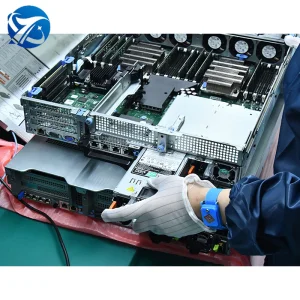
Quality and custom execution remain the foundational pillars of our operations. Zyphora offers comprehensive, customer-aligned OEM/ODM services, facilitating branding, custom riser layouts, localized power supply integrations, and dedicated storage backplane enhancements. Every single system built undergoes a rigorous quality lifecycle encompassing thermal Chamber stress testing, full component burn-in for 24-72 hours, and comprehensive packet testing prior to packaging and dispatch.
How international enterprises customize our hardware topologies to solve computational bottlenecks across critical application sectors.
Utilizing high-density, double-socket platforms (like the FusionServer 2288H V6) featuring large-capacity memory architectures allows data center operators to maximize virtual machine densities per host node, greatly optimizing power-usage effectiveness (PUE) metrics.
For modern generative AI model deployment, including DeepSeek and advanced neural network processing, our custom-configured servers integrate high-bandwidth PCIe slots supporting PCIe-based accelerators and GPUs, ensuring uninterrupted training and rapid token processing.
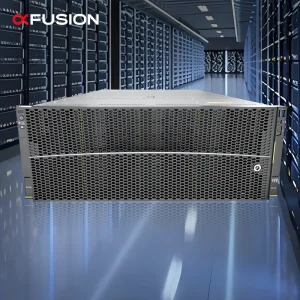
The FusionServer 5288 V6 leverages a highly optimized 4U structure containing up to 36 standard 3.5-inch drive spaces, forming the perfect platform for big data analytics databases, cold archive files, and enterprise-grade software-defined storage (SDS) clusters.
Review the hardware layout variations to align system capacity with project-specific structural needs.
| Server Model | Form Factor | CPU Socket Count | Max Drive Bays (Front / Rear Layouts) | PCIe Expansion Capacity | Primary Intended Workloads |
|---|---|---|---|---|---|
| FusionServer 1288H V6 | 1U Rackmount | Dual-Socket (Intel Xeon 3rd Gen) | 8 x 2.5" SAS/SATA/NVMe | Up to 5 x PCIe Gen 4 slots | Web hosting, edge computing, high-density computing clusters |
| FusionServer 2288H V6 | 2U Rackmount | Dual-Socket (Intel Xeon 3rd Gen) | 8x 2.5", 12x 3.5" or 25x 2.5" drive options | Up to 14 x PCIe Gen 4 slots | Enterprise databases, virtualization, AI GPU acceleration pipelines |
| FusionServer 2488H V6 | 2U Rackmount | Quad-Socket (Intel Xeon 3rd Gen) | 25 x 2.5" SAS/SATA/NVMe | Up to 11 x PCIe Gen 4 slots | In-memory databases, ERP hosting, high-performance virtualization nodes |
| FusionServer 5288 V6 | 4U Rackmount | Dual-Socket (Intel Xeon 3rd Gen) | 36 x 3.5" + 4 x 2.5" SAS/SATA/NVMe | Up to 11 x PCIe Gen 4 slots | Large-scale network NAS arrays, warm/cold archives, media asset backup |
How Zyphora helps enterprise architectures transition smoothly from current generation deployments to next-generation technologies.
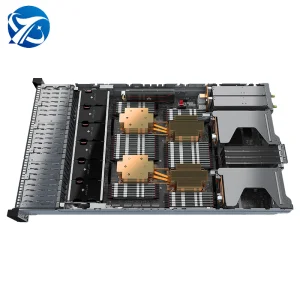
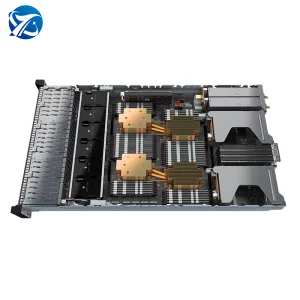
As microchip development paths move toward more power-dense chiplets and increased thermal thresholds, IT infrastructure managers must evaluate their current platforms for long-term scalability. Zyphora's R&D department optimizes the xFusion FusionServer V6 Rack Servers with this future trajectory in mind. The thermal management modules on our 1U and 2U chassis are designed to handle elevated thermal design power (TDP) thresholds without thermal throttling, even under peak computing workloads.
Additionally, the modular design of the V6 platform makes it easy to upgrade to newer hardware components. Removable storage backplanes, customizable PCIe rise card adapters, and hot-swappable power supplies let enterprises adapt their hardware as technology evolves. Our engineering team ensures compatibility with key modern technologies, including:
With CPU and GPU thermal outputs rising rapidly, traditional air cooling is reaching its limits. Zyphora is testing hybrid cooling retrofits for the xFusion V6 2U chassis. This roadmap option allows data centers to combine air cooling with direct-to-chip liquid cooling systems. By upgrading to hybrid liquid cooling, operators can drop system cooling energy use by up to 40% and support processors running at maximum speeds in high-density rack configurations.
How Zyphora delivers consistent, reliable hardware performance across diverse regulatory environments.
Every component—from critical CPU sockets down to secondary storage controllers and PCB components—undergoes strict verification before entering assembly. We verify tracking records for all semiconductor components to prevent counterfeit parts from entering our production line.
Assembled servers undergo rigorous testing cycles inside thermal chambers, operating at extreme temperatures (from 0°C to 45°C) under full computational loads. This process isolates early-stage component flaws, preventing hardware failures after deployment.
We certify and test our configurations to meet international market regulations, including CE, FCC, RoHS, and UL safety standards. This helps global buyers navigate import compliance requirements smoothly and ensures safer operations in enterprise settings.
Addressing the top technical, manufacturing, and shipping questions from enterprise procurement teams.
Select configurations optimized for high-volume network storage, database hosting, and GPU-driven workload nodes.