Zyphora
Zyphora
Zyphora
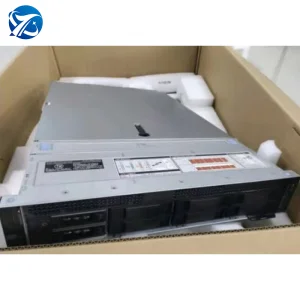
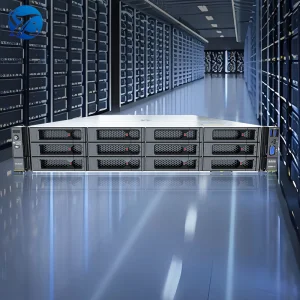
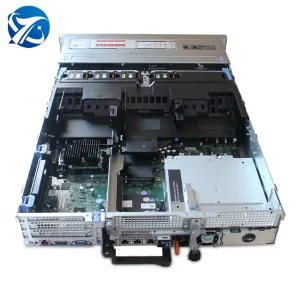
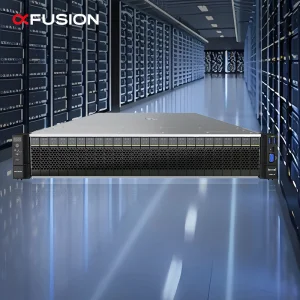
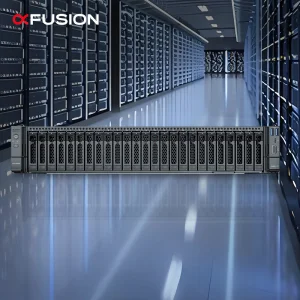
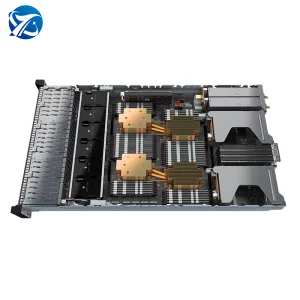
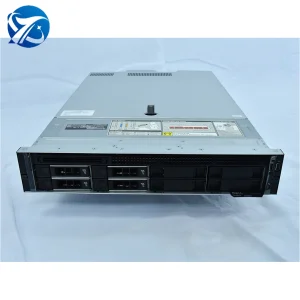
Featured systems built for high-performance cloud deployment, server virtualization, and scalable software-defined storage.
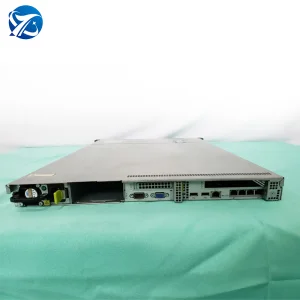
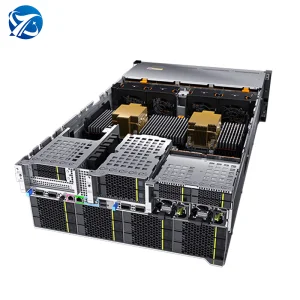
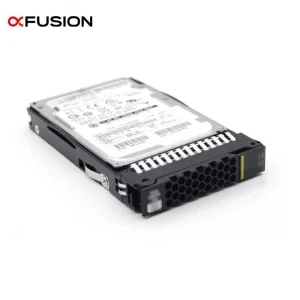
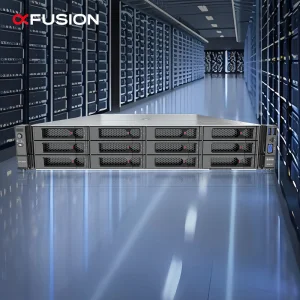
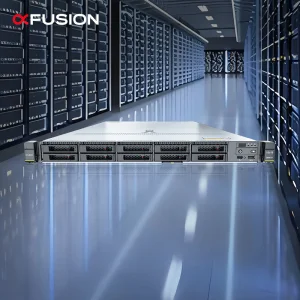
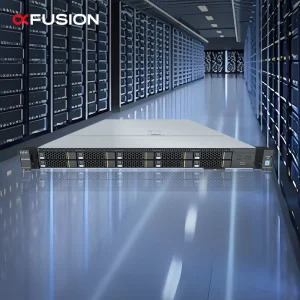
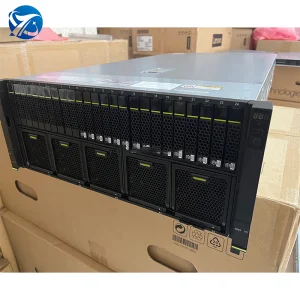
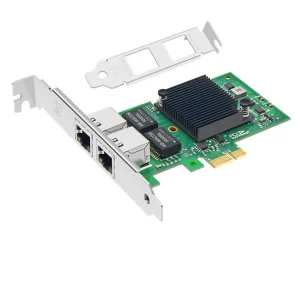
In modern enterprise environments, "Cloud Storage" is no longer defined merely by software interfaces and remote access layers. It is fundamentally anchored to physical bare-metal components: ultra-reliable storage servers, high-density NAS arrays, redundant disk controllers, and fast NVMe storage expansion units. As global data volume scales exponentially, selecting the right hardware partner becomes a critical pillar of infrastructure resilience. The demand is shifting from generic off-the-shelf devices to highly specialized server platforms that can support multi-tenant structures, software-defined storage architectures (like Ceph and vSAN), and intensive data pipeline workloads.
This is where Zyphora steps in. Established in 2017 in Shenzhen, China—the global epicenter of advanced hardware manufacturing—Zyphora has carved out a distinct niche as a premium manufacturer and exporter of artificial intelligence (AI) GPU servers, high-capacity storage server configurations, and customized infrastructure units. Operating a specialized 386-square-meter precision assembly and thermal validation lab in Shenzhen, Zyphora operates as a bridge between high-quality domestic component sourcing and the precise procurement needs of global buyers across North America, Europe, Southeast Asia, and the Middle East.
By achieving an annual export revenue exceeding USD 18 million, Zyphora has demonstrated that structural optimization, strict compliance testing, and professional system integration are the real benchmarks of reliability. Backed by 12 years of industry experience and 7 years of specialized global export operations, the organization is uniquely positioned to address the complex hardware challenges that modern hyper-scalers and cloud system integrators face.
How Shenzhen's ecosystem provides unmatched engineering capabilities and structural cost advantages.
The Greater Bay Area concentrates component manufacturers, PCB fabricators, backplane designers, and chassis manufacturers in a 50-mile radius. Zyphora harnesses this ecosystem of 1,200+ partners to secure raw materials and specialized parts at speeds that cannot be matched globally.
While Western vendors push standard stock units, Chinese exporters like Zyphora excel at custom backplane design, firmware changes, physical branding, and optimization for deep learning platforms like DeepSeek, vSphere, or dedicated Linux/FreeBSD storage nodes.
Through streamlined logistics and local sub-assembly units, the prototyping-to-production lifecycle is cut by 40% compared to domestic Western manufacturers. This enables clients to quickly capture storage demand surges without maintaining bloated local inventories.
The server hardware industry is undergoing a critical transition driven by high-performance data processing. The expansion of AI architectures—particularly large language models (LLMs) and deep neural networks—has forced storage systems to evolve beyond simple data lakes into dynamic processing resources. Today, five major hardware trends dominate the cloud storage sector:
How customized rack storage configurations address distinct enterprise demands.
For transactional systems and customer-facing websites, latency causes cart abandonment. Multi-socket rack systems coupled with PCI-e RAID controllers (such as the 9540-8i cards) ensure transactional databases run with minimal latency and automatic failover redundancy.
Medical imaging (PACS) requires long-term, high-capacity, legally compliant cold and warm storage. High-capacity 4U arrays configured with enterprise SAS hard drives provide the cost-efficient density needed to store Petabytes of patient records safely.
Training models like DeepSeek requires massive compute clusters backed by high-throughput storage layers. Systems configured with dual Intel Xeon processors and multiple GPU connections enable rapid data loading and model checkpoints, preventing GPU idle times.
Purchasing servers from international manufacturers requires balancing cost against reliability, performance, and long-term support. Technical buyers should consider the following parameters when evaluating enterprise storage systems:
| Evaluation Metric | Target Standard | Zyphora Solution Response |
|---|---|---|
| Power Supply Redundancy | 80 Plus Platinum/Titanium, Active-Active Redundancy | Integrated 900W, 1500W, and 2000W redundant PSUs. |
| Hardware Interoperability | Broad OS validation (RHEL, Ubuntu, Windows Server, Proxmox) | Pre-tested architectures with custom UEFI/BIOS options. |
| Thermal Reliability | Hot-swappable redundant fans with variable PWM control | Advanced chassis layout validated by 86 thermal engineers. |
| Quality Verification | Burn-in chambers, CE, FCC, RoHS certifications | 72-hour full-load validation supervised by 42 QC professionals. |
A closer look at our verification laboratories and assembly processes in Shenzhen.
Quality is at the core of everything we do. Our products undergo comprehensive reliability testing, thermal performance evaluation, burn-in testing, and functional inspections throughout the manufacturing process. Our dedicated quality control team of 42 professionals ensures that every server, SSD, and RAID interface card meets strict international standards before shipment. Our R&D department consists of 86 experienced engineers specializing in server architecture, thermal management, hardware integration, and AI infrastructure optimization. Each year, we introduce more than 120 new products and upgraded solutions to meet the evolving demands of global customers.
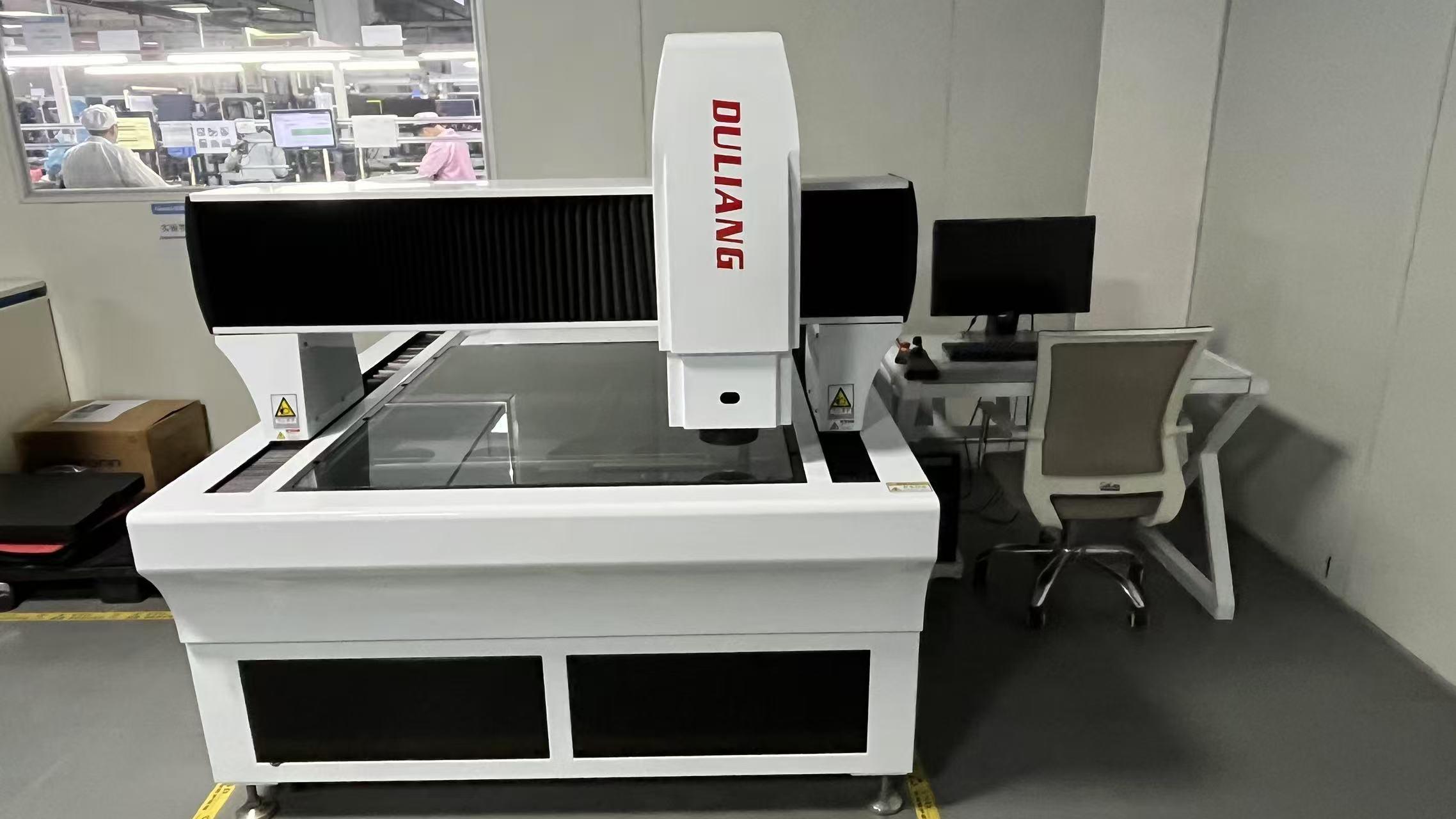
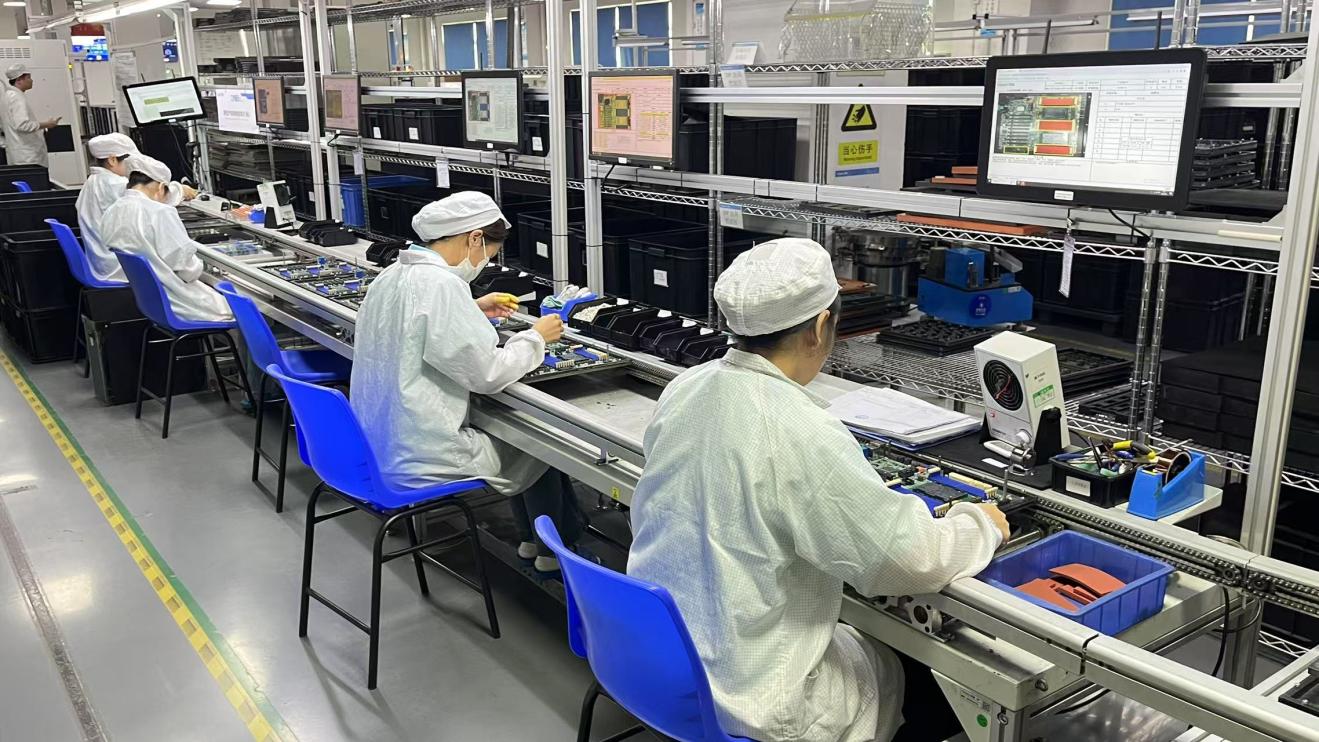
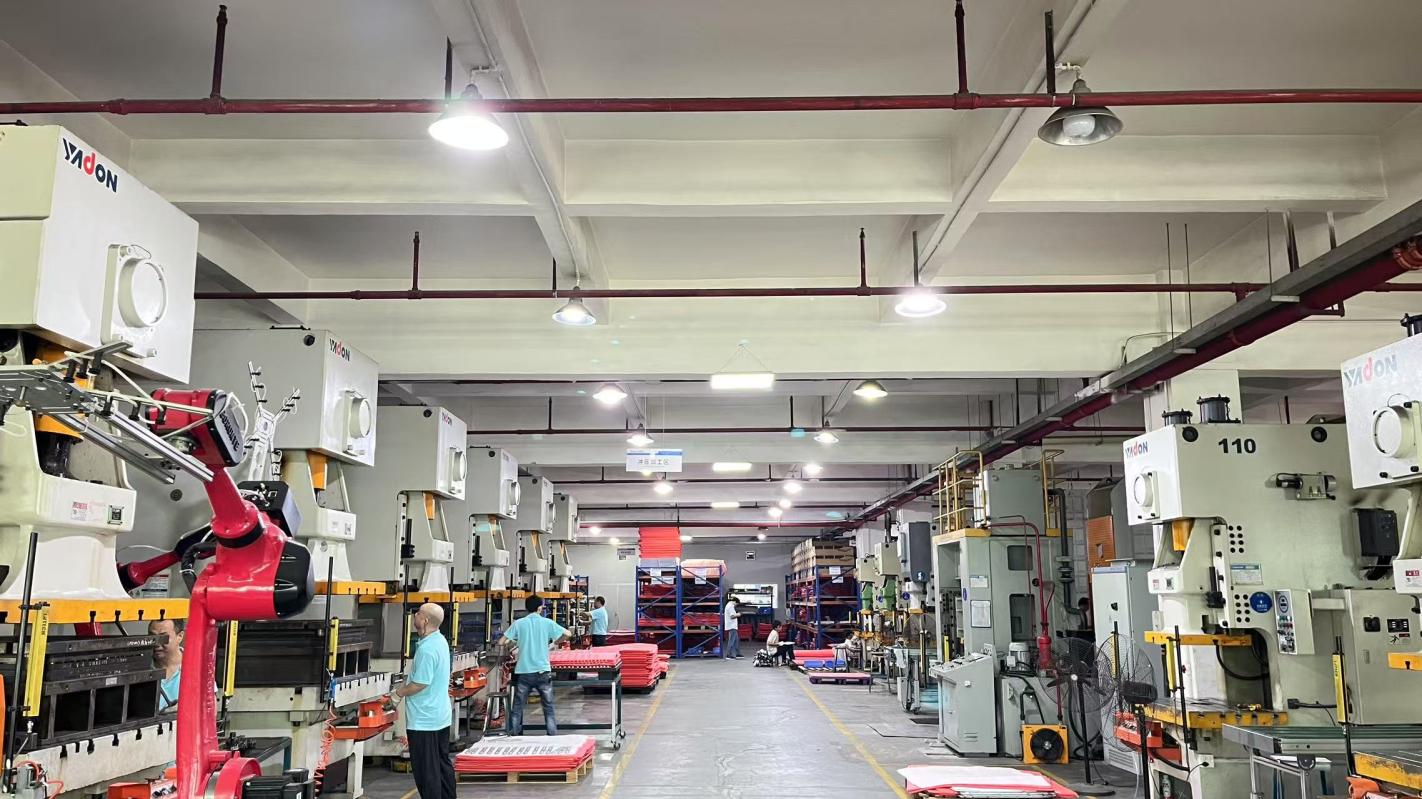

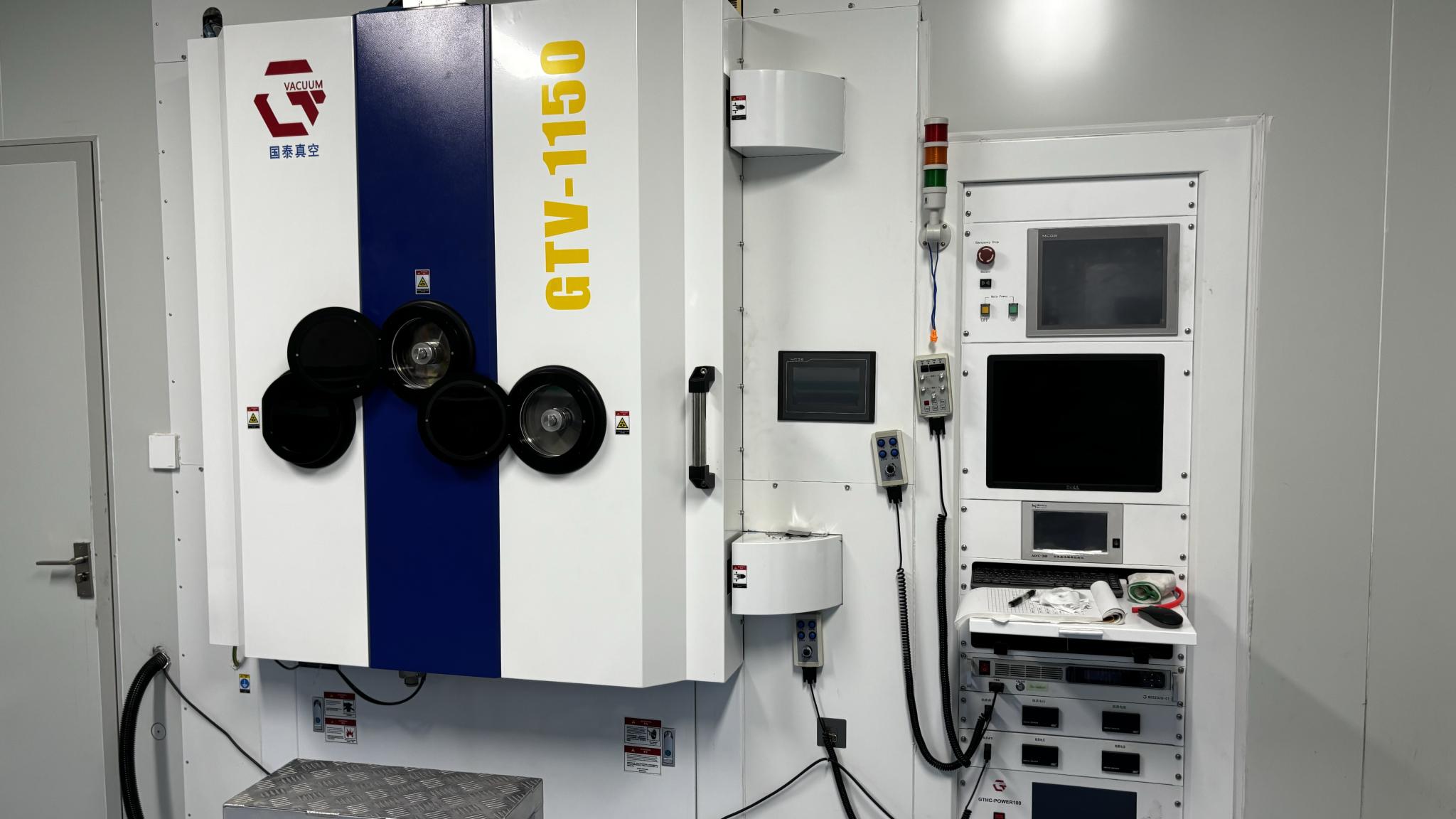
Identifying compute workloads, storage ratios, physical dimensions, and OS configuration requirements.
Designing physical backplanes, chassis airflow, and customized BIOS configurations.
Rigorous thermal simulation, physical component stress-testing, and burn-in chamber runs.
Securing seaworthy packaging, custom clearance documents, and tracking for global delivery.
Addressing critical engineering and sourcing questions from IT decision-makers.
NVMe (Non-Volatile Memory Express) utilizes the PCIe bus directly, bypassing legacy disk controllers. This reduces access latency from milliseconds to microseconds. While SAS HDDs remain highly cost-efficient for large cold-storage archives, AI pipelines require NVMe drives to prevent GPU starvation during training phases.
Zyphora works with pre-validated components (LSI/Broadcom controllers, Intel/AMD platforms, Samsung/Micron storage). Our R&D team tests custom kernels (Ceph, Proxmox, TrueNAS) during assembly, adjusting BIOS settings to ensure smooth operation before shipment.
Our chassis feature counter-rotating, hot-swappable PWM fans that adjust speed based on real-time sensor data. For high-density GPU configurations, we implement optimized air ducts and internal baffles. We also offer options for liquid-assisted cooling loops for high-density racks.
Standard custom orders take 2 to 4 weeks from schematic sign-off to final testing. Systems are shipped in custom, shock-absorbing wood-crated packaging. We handle customs documentation and arrange sea, air, or express freight to match project timelines.
Yes, our OEM services include UEFI logo customization, secure boot key management, and hardware-level chassis intrusion detection switches. This ensures compliance with enterprise security requirements.
Contact Zyphora's engineering team today for technical advice, structural design validation, and bulk pricing options.
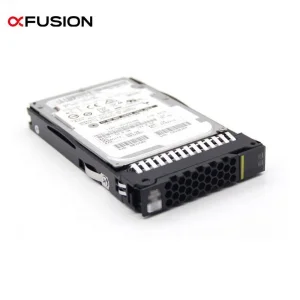
Contact Our Hardware ExpertsFeatured hard drives, RAID controllers, and next-generation multi-socket rack nodes designed for high-density environments.