Zyphora
Zyphora
Zyphora
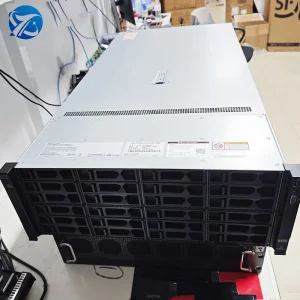
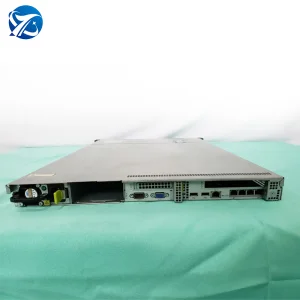
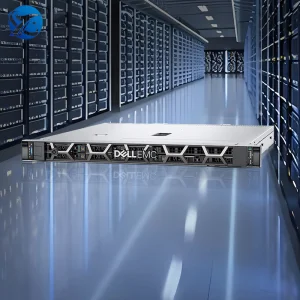
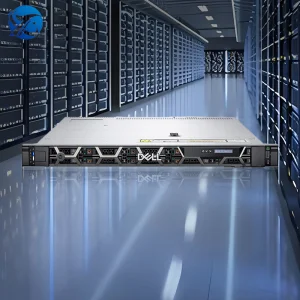
As Japan accelerates its transition toward Society 5.0, integrating physical space and cyberspace, the demands on server architectures have transformed. The rise of sovereign AI models, specialized automotive automation systems, and high-frequency financial platforms in Tokyo and Osaka requires hardware capable of outstanding computation density and absolute reliability. Our customized xFusion enterprise server exports offer the exact hardware foundations needed to sustain these modern Japanese workloads.
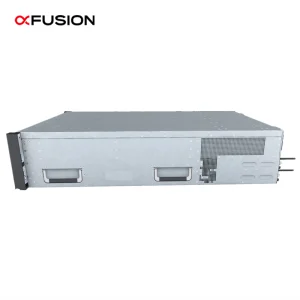
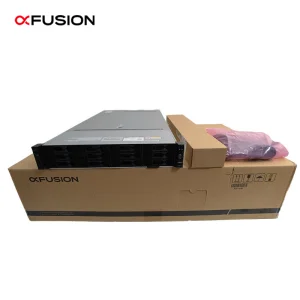
In particular, data centers within Japan face critical structural requirements: extreme seismic safety (requiring standard, space-saving short-depth racks) and severe environmental and energy performance mandates. Power usage effectiveness (PUE) is highly scrutinized due to high electricity prices and nationwide carbon neutrality commitments. Because of this, deploying modern architectures like the xFusion 5885H V7 AI Data Server or the FusionServer G8600 V7 8U GPU Rack becomes a tactical advantage for hosting DeepSeek LLM systems, enterprise databases, and massive virtualization clusters in Japan.
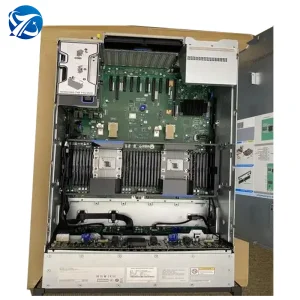
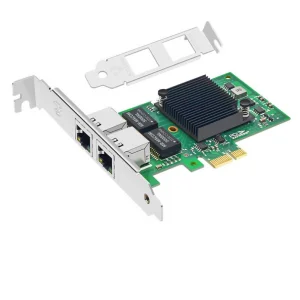
From seismically isolated floor plans in Kanagawa data facilities to tight spatial configurations in Tokyo's high-rise tech parks, hardware must balance physical footprints with computational output. This requires optimized heat dissemination, high-density DRAM integration, and robust RAID controller cards to avoid silent data corruption in mission-critical scenarios.
For research labs in Tsukuba and private AI startups in Tokyo, deploying systems designed for DeepSeek training and high-density GPU computation is imperative. The xFusion G8600 V7 8U allows for up to 8 dual-slot GPU modules, featuring optimized PCIe topologies. This architecture ensures high-throughput interconnectivity for parallel AI workloads and reduces training cycles for sovereign Japanese LLM models.
Under Japan's Energy Conservation Act, data operators must constantly lower power overheads. By using newer generation processors and DDR4/DDR5 ECC RAM modules with ultra-low operating voltages (1.2V/1.1V), our exported servers significantly reduce baseline thermal output. This lower thermal impact translates to reduced HVAC consumption in dense server rows.
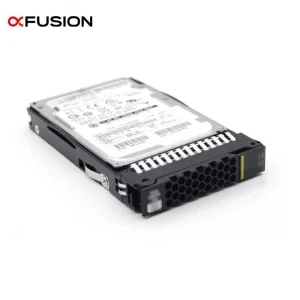
In automated industrial hubs like Nagoya, server reliability directly dictates assembly line efficiency. The inclusion of hardware features such as hardware-based NVMe/SAS RAID, hot-swappable fans, and redundant power supplies ensures 99.999% uptime. The compact rack designs fit neatly into production-line controls and edge control rooms without complex cooling setups.
Founded in 2017, Zyphora is a professional manufacturer and global supplier of AI GPU servers, high-performance computing systems, and customized data center solutions. Headquartered in Shenzhen, China, the company operates a modern production facility covering 386 square meters and serves customers across North America, Europe, Southeast Asia, and the Middle East.
With annual export revenue exceeding USD 18 million, Zyphora has built a strong reputation in the AI computing infrastructure industry through continuous innovation, reliable product quality, and customer-focused service. Our team brings over 12 years of industry experience and 7 years of export expertise, enabling us to support clients worldwide with efficient project delivery and professional technical assistance.
Zyphora specializes in AI GPU servers, GPU workstations, rackmount servers, storage servers, and customized computing solutions for artificial intelligence, machine learning, cloud computing, and high-performance computing applications. Supported by a robust supply chain network of more than 1,200 qualified partners, we ensure stable sourcing, flexible production, and rapid delivery.
Quality is at the core of everything we do. Our products undergo comprehensive reliability testing, thermal performance evaluation, burn-in testing, and functional inspections throughout the manufacturing process. A dedicated quality control team of 42 professionals ensures that every product meets strict international standards before shipment.
Innovation drives our growth. Our R&D department consists of 86 experienced engineers specializing in server architecture, thermal management, hardware integration, and AI infrastructure optimization. Each year, we introduce more than 120 new products and upgraded solutions to meet the evolving demands of global customers.
Zyphora offers comprehensive OEM and ODM services, including hardware customization, chassis design, branding, firmware configuration, and system integration. Our flexible manufacturing capabilities enable us to provide tailored solutions for cloud service providers, AI startups, research institutions, system integrators, data center operators, and enterprise customers.
Guided by the principles of quality, innovation, and customer success, Zyphora is committed to delivering advanced AI computing infrastructure that empowers organizations to accelerate digital transformation and unlock the full potential of artificial intelligence.
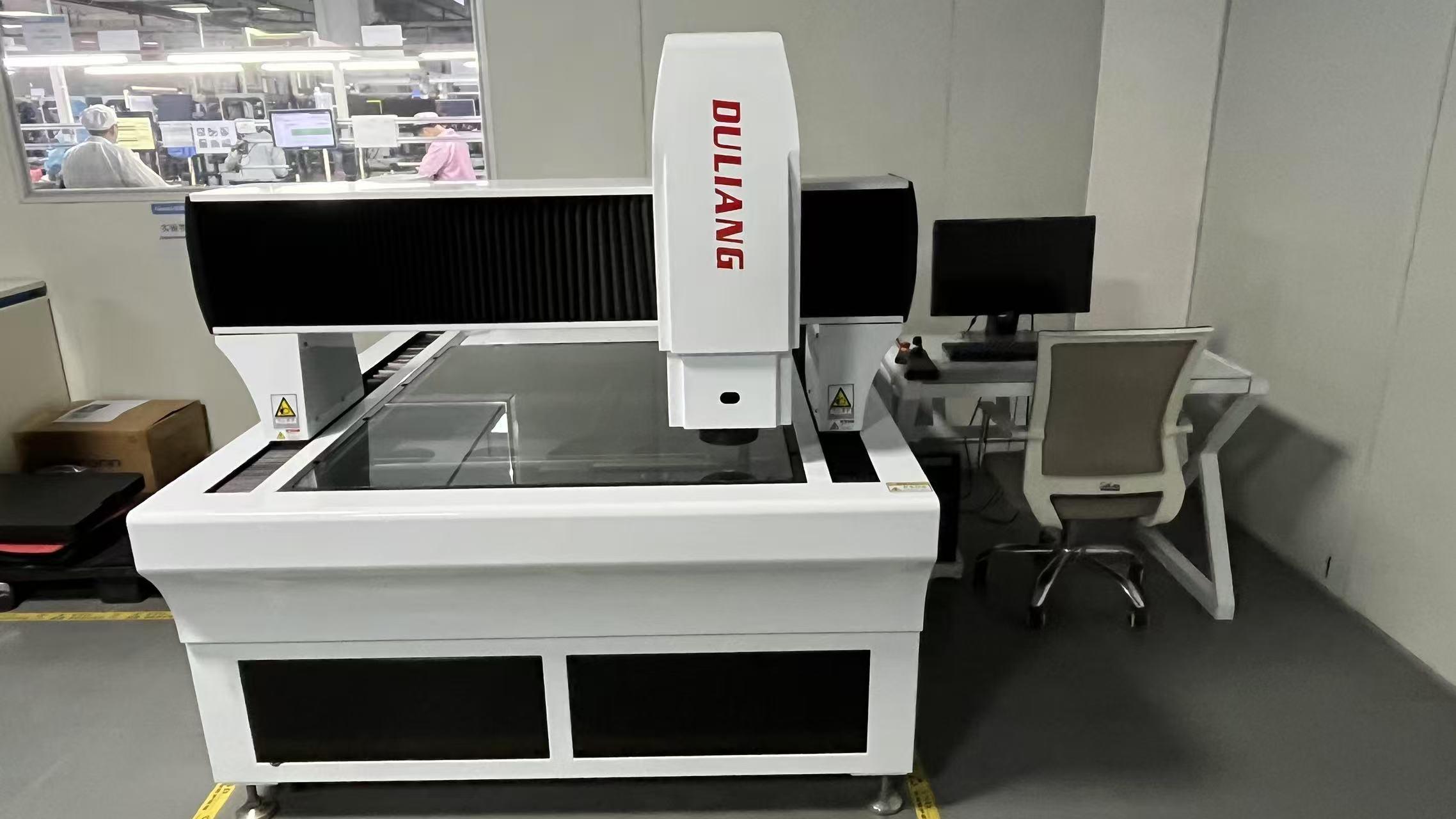
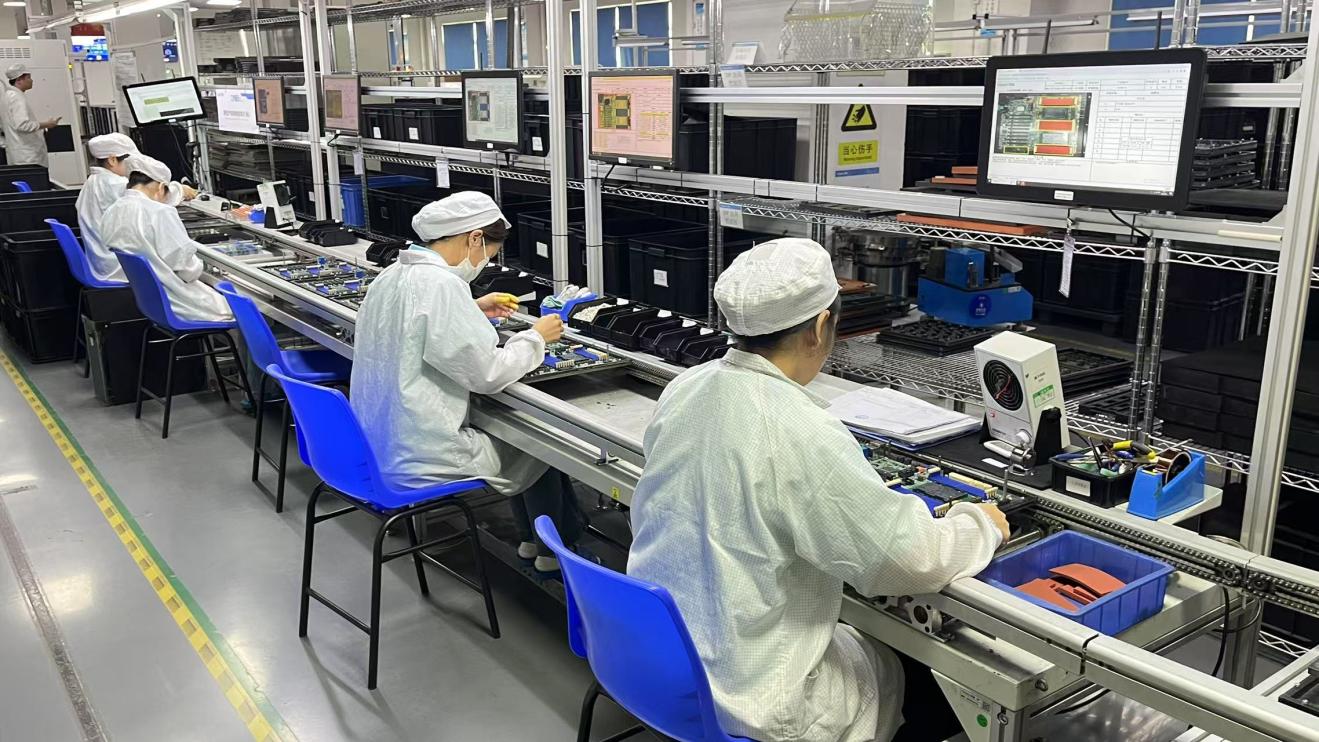


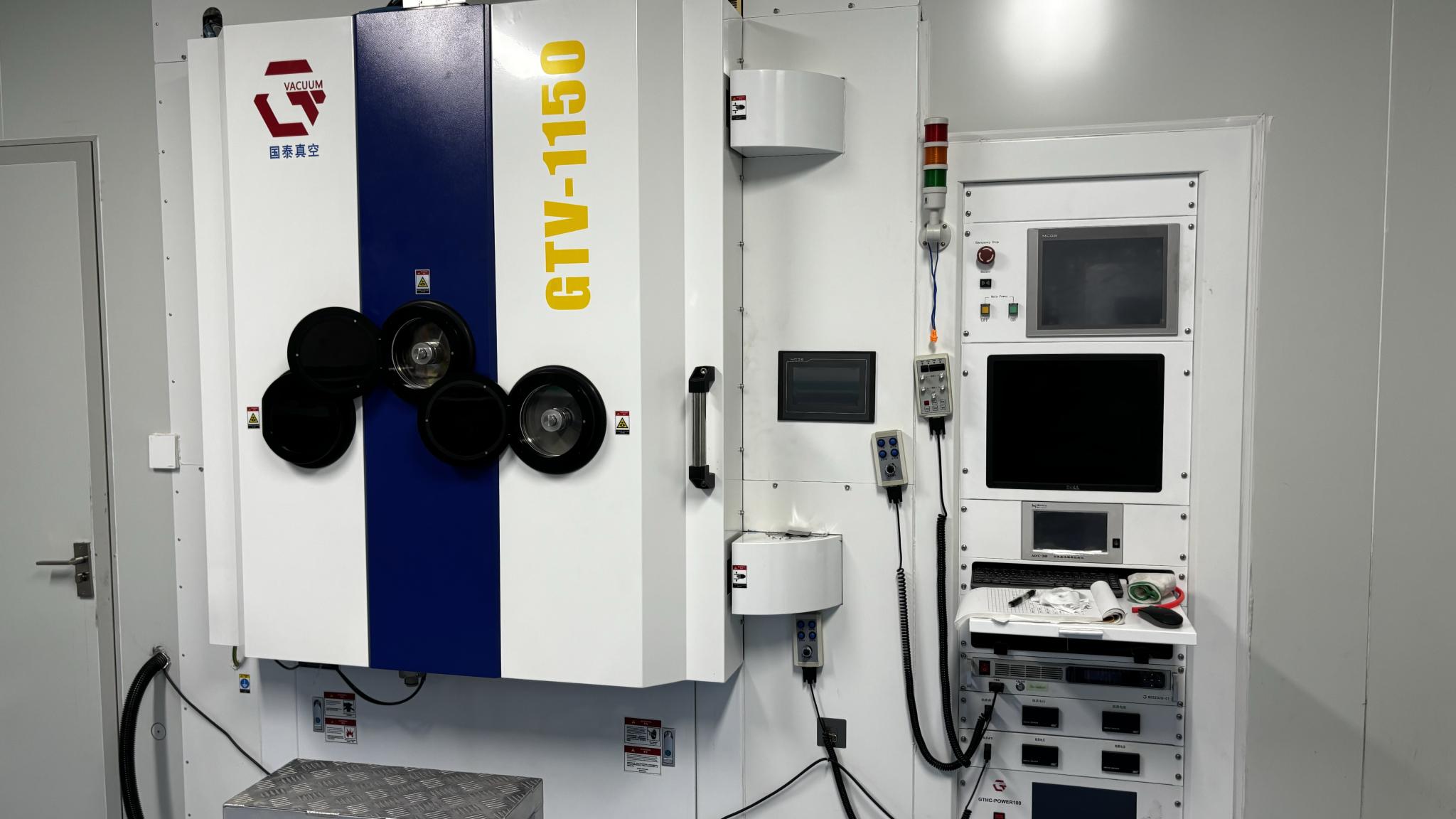
Entering the Japanese IT procurement cycle requires meeting robust import parameters. Under Japan's customs regulations and international security frameworks, high-performance computing hardware must be meticulously processed to ensure direct entry. Zyphora maintains strict administrative compliance routines to facilitate worry-free delivery from our factory gates straight to your loading docks in Tokyo, Yokohama, or Kobe.
Key areas of compliance and security guarantees we support include:
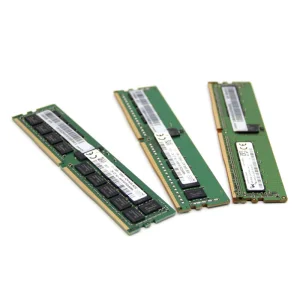
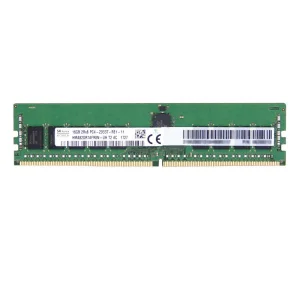
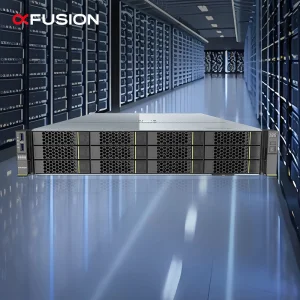
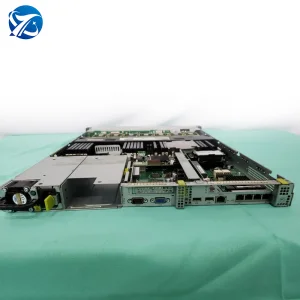
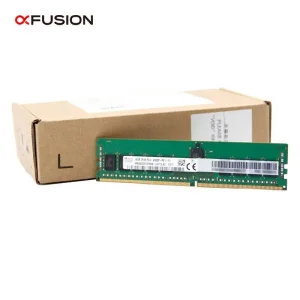
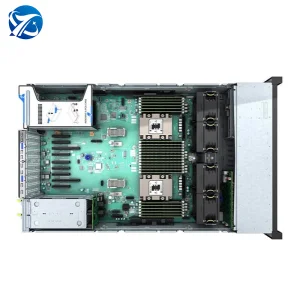
In response to escalating computing density requirements, the roadmap for xFusion deployments involves a swift migration toward liquid-to-air cooling loops (CDUs). While standard air cooling handles traditional workloads, next-generation AI pipelines powered by 8U platforms operate beyond standard air-cooling envelopes. Transitioning to direct-to-chip liquid cooling systems allows data facilities in Osaka and Tokyo to lower fan operating overheads and run high-compute nodes without local thermal degradation.
In addition, system-level architecture transitions are shifting towards PCIe Gen 5 topologies and DDR5 memory. While DDR4 RDIMM remains highly cost-effective and structurally robust, our engineering support lines offer customized layouts to prepare enterprise infrastructures for rapid bandwidth expansion.
Get in touch with our enterprise systems architects for custom quotes, compliance verification, and volume pricing adjustments on xFusion hardware.
Send Inquiry Now