Zyphora
Zyphora
Zyphora
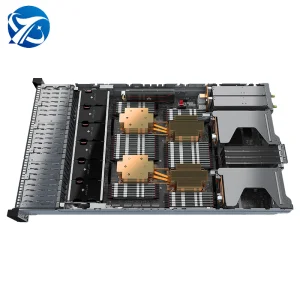
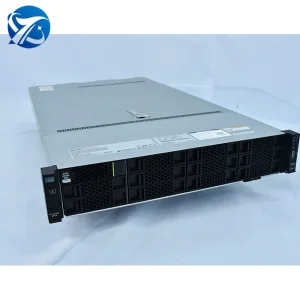
Engineered for high thermal tolerance, energy-efficiency, and low latency, these dual-socket V6 servers are designed specifically for colocation standards in Otemachi, Toyosu, and Inzai zones.
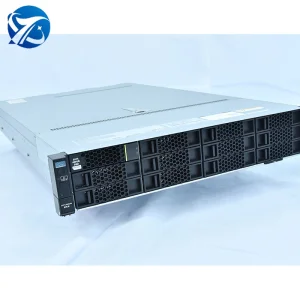
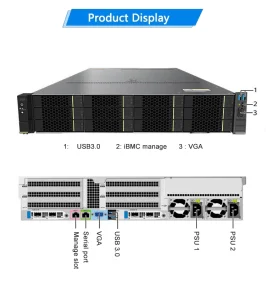
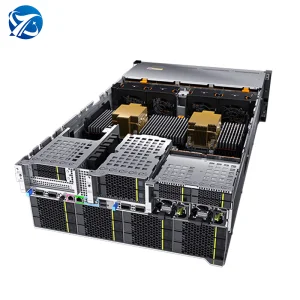
Tokyo is the undisputed financial and technology engine of the Asia-Pacific region. With massive digital transformation (DX) initiatives sweeping both public and private sectors, enterprises face the challenge of managing unprecedented data workloads. From real-time algorithm execution at the Tokyo Stock Exchange to artificial intelligence deployments in robotics and healthtech, high-density server configurations are highly demanded.
As Tokyo's data center cluster expands across Kanagawa, Chiba, and the major metro corridors, power management and heat dissipation have become critical. The local colocation centers impose rigid Power Usage Effectiveness (PUE) limits due to high local power costs. Our customized V6 Rack Servers address these requirements directly by utilizing Platinum/Titanium high-efficiency PSUs, dynamic smart-cooling fan systems, and advanced power management APIs.
We work closely with localized integrators in Tokyo to deliver hardware that seamlessly links into existing network topologies, offering low latency connections to Japan’s major internet exchanges (JPNAP, BBIX, and JPIX).
Why Tier-1 Tokyo Cloud Service Providers and Global Enterprises Select Our V6 Architecture
Utilizing high-performance Intel Xeon Scalable Gen 3/4 processors and high-speed DDR4/DDR5 ECC RAM modules, these units deliver maximum compute threads per unit rack space (U).
Equipped with adaptive PID temperature algorithm controls. Fans dynamically adjust speed to isolate and cool hot spots, minimizing overall noise and auxiliary power consumption.
Built-in TPM 2.0, silicon root of trust, and secure boot technologies protect integrity from shipment to power-on inside Tokyo's secure sovereign clouds.
Operating our specialized server design and assembly facilities in Shenzhen, China gives Zyphora unprecedented component procurement advantages. Shenzhen hosts the world’s most dense semiconductor packaging, chassis prototyping, and power supply manufacturing cluster. This ecosystem enables us to rapidly customize motherboards, optimize thermal systems, and scale production at speeds that traditional manufacturers cannot match.
For Tokyo enterprises, this means optimized pricing and extremely short lead times. We have developed long-term logistical lanes directly to Tokyo Port and Narita International Airport, assuring secure, custom-cleared delivery of server racks within days rather than months. We manage all export documentation, custom clearance clearances, and ensure transit insurance coverage so that your hardware arrives in pristine, plug-and-play condition.
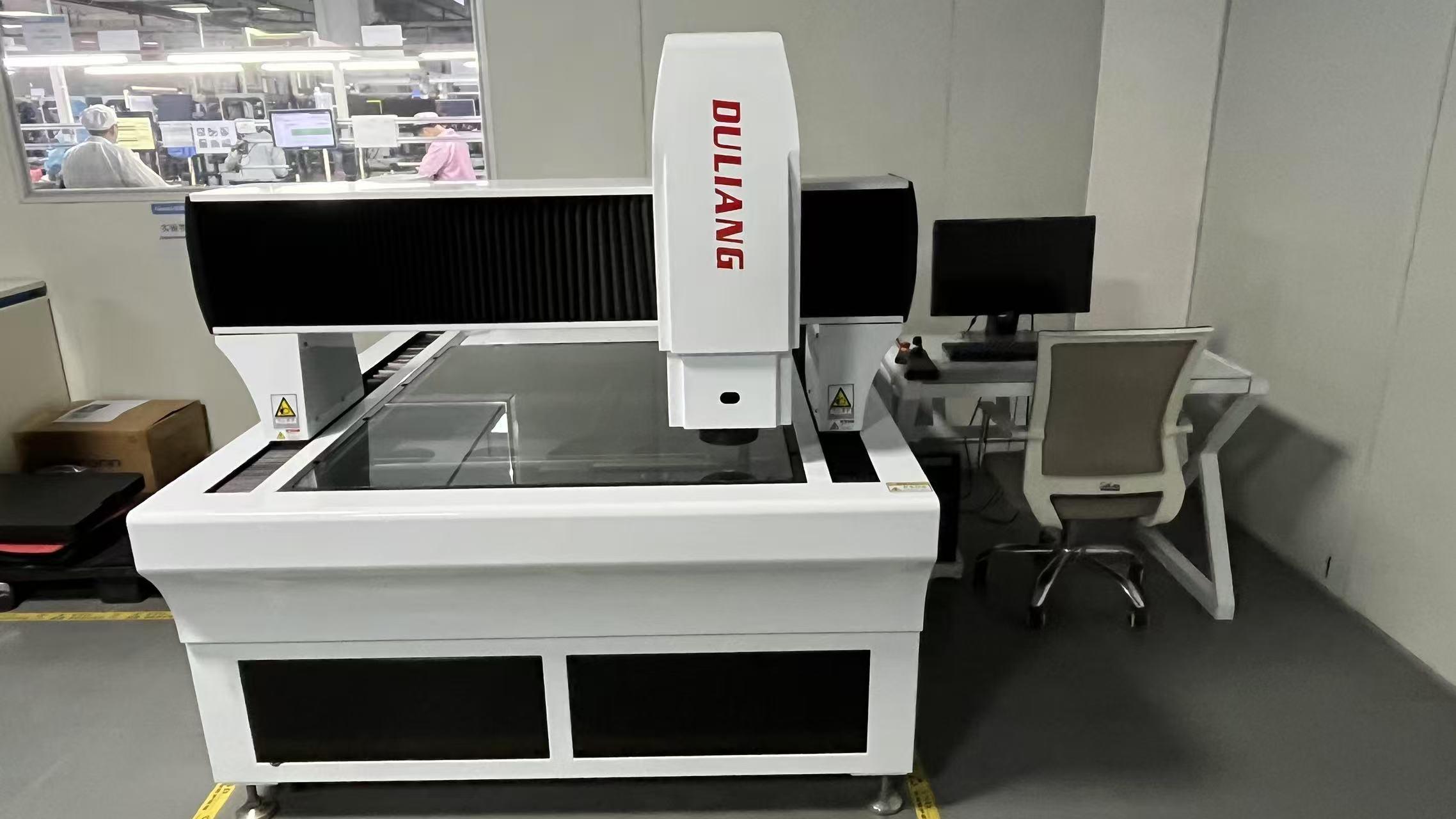
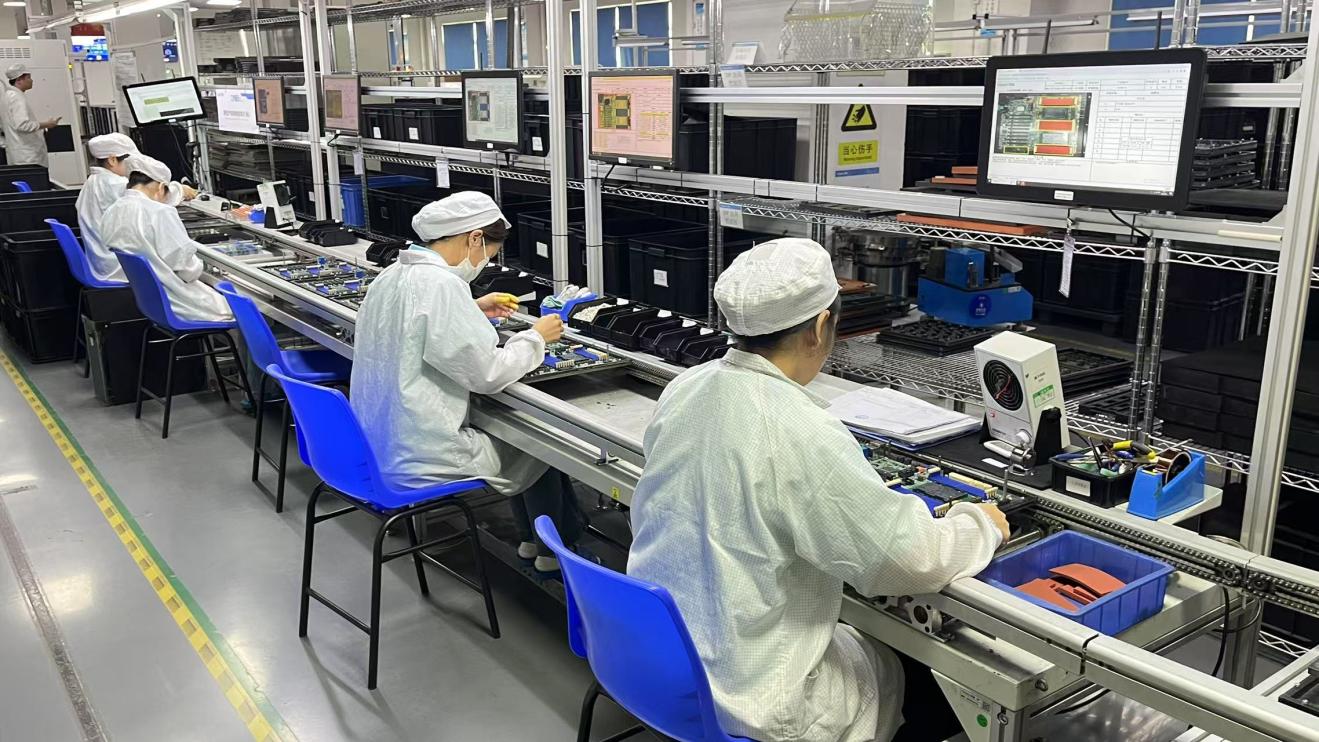
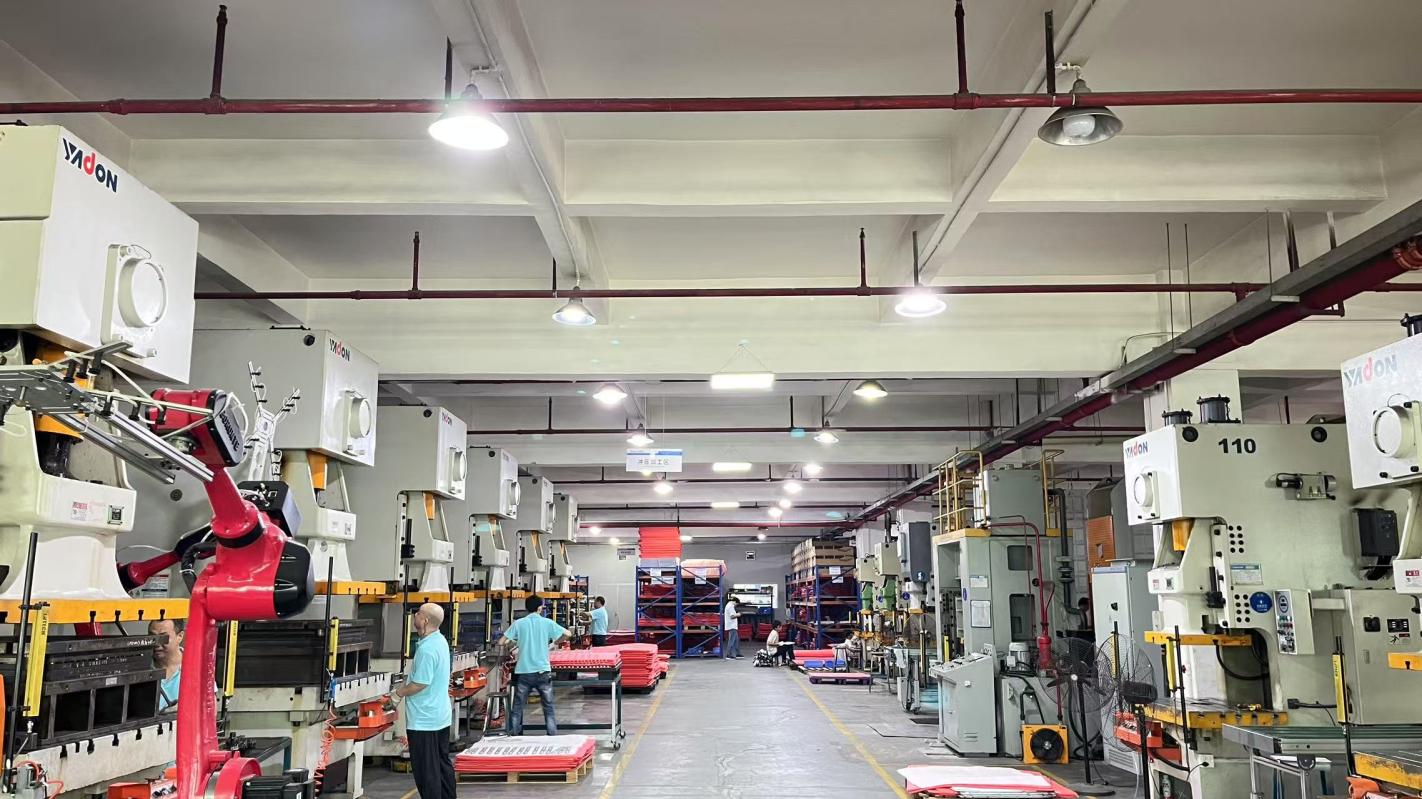
Engineered to power diverse high-availability workloads for Japan’s digital economy
Deploy our dual-socket low-latency V6 servers directly in Tokyo’s financial networks. The high PCIe throughput allows high-frequency trading (HFT) interface cards to process order book modifications in microseconds.
Optimized GPU configurations are suitable for hosting private LLMs and generative text interfaces locally in Tokyo. Keep critical intellectual property compliant with regional Japanese data storage rules.
Excellent for public/private cloud extension. Highly compatible with virtualization systems, allowing Tokyo ISPs to dynamically provision computing resources as demand surges.
Clear, direct answers for procurement teams and system architects evaluating Zyphora hardware in Tokyo.
Yes. We specialize in configuring power distribution modules. Our server systems can be supplied with auto-switching power supply units (PSUs) that operate efficiently at standard Japanese ranges (100V-120V for standard office parks or 200V-240V for high-density enterprise data centers).
Our products are engineered to conform with VCCI Class A emission protocols and PSE safety requirements. If you have specific regional environmental or material tracking requirements (such as METI requirements), please alert our design department during the inquiry phase.
Once the burn-in verification and final QA inspections are completed (typically 7-10 working days from order finalization), sea freight to Tokyo Port takes approximately 7-9 days. Express air freight options via Narita take between 2 to 4 days, depending on custom clearing availability.
Yes, we support our hardware with a comprehensive replacement part warranty. Critical spare components (such as fan assemblies, memory DIMMs, power supplies, and hot-swap drive carrier bays) can be shipped directly to your designated integration facility or data center site on an expedited basis.
Absolutely. Our V6 architecture is fully compatible with popular hypervisors, including VMware ESXi, Proxmox, and Nutanix AHV. They are also optimized to host and process large deep-learning models locally, making them a cost-effective option for private enterprise AI nodes.
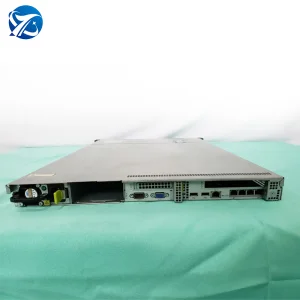
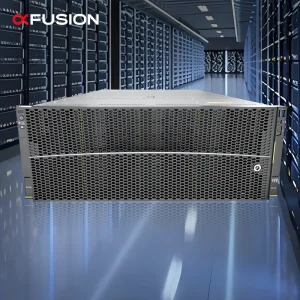
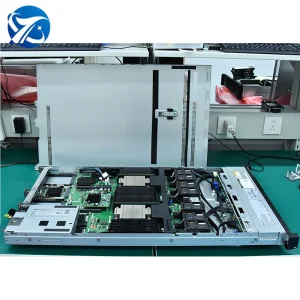
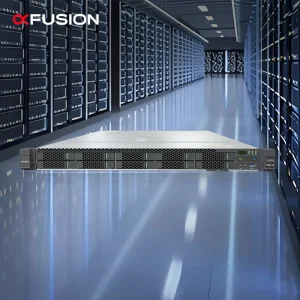
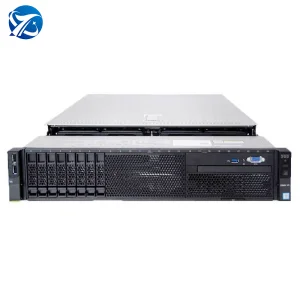
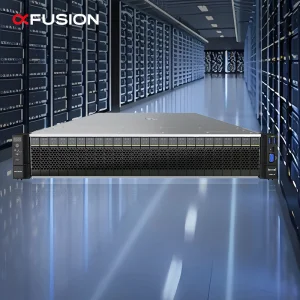
High-reliability dual-socket configurations tailored to high-density virtualized storage and intensive CPU workloads.
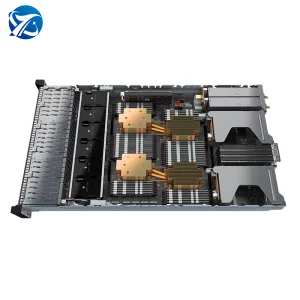
Aligning hardware architectures to next-generation datacenter demands
The rack server industry is undergoing rapid evolutions. As compute workloads transition toward massive model inference, high-density edge deployments, and microservice containerization, traditional standard configurations no longer maximize capital efficiency.
Energy Management: Due to global resource constraints, especially in high-density areas like Tokyo, datacenters are moving away from brute-force cooling. The integration of advanced telemetry (enabling hardware to report exact power profiles, intake-exhaust thermal deltas, and subsystem energy draws) is no longer a luxury. Our V6 platform uses modern board-management controllers (BMC) to provide fine-grained telemetry data, helping Tokyo operations teams optimize active energy allocation.
Storage Interfaces: SATA interfaces are quickly being replaced by PCIe Gen 4/5 based NVMe and EDSFF formats. These flash technologies offer orders of magnitude higher throughput with decreased latency. By integrating hybrid backplanes in our 2U and 4U chassis, we give systems administrators the freedom to design high-tier cache drives and high-capacity arrays in a single enclosure.
Open Standards Integration: Proprietary firmware locks are declining in favor of open management standards. By supporting standardized redfish APIs and industry-standard UEFI BIOS components, we make sure that our hardware is fully ready to join automated provisioning tools (such as Ansible, Terraform, and Kubernetes metal-provisioning layers) inside your development stack.
Partner with a reliable manufacturer who understands local engineering regulations, power parameters, and fast shipping requirements. Receive technical specifications and custom OEM pricing tailored to your scale.