Zyphora
Zyphora
Zyphora
Engineered for seamless integration with major cloud architectures and heavy AI data computing loads across South American networks.
Unlocking high-performance computing capabilities across Latin America's leading technology hub.
Chile has rapidly established itself as the digital epicenter of the Southern Cone in South America. Driven by favorable regulatory frameworks, aggressive renewable energy deployment, and highly reliable international connectivity, hyperscale cloud providers such as Google, Microsoft, Amazon Web Services (AWS), and Huawei have built or are actively expanding multi-zone data centers in the Santiago Metropolitan Region. These hyperscale deployments require massive volumes of enterprise-grade server memory to power transactional databases, edge caching networks, and localized SaaS frameworks.
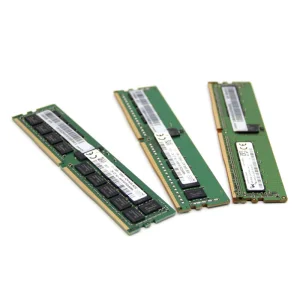
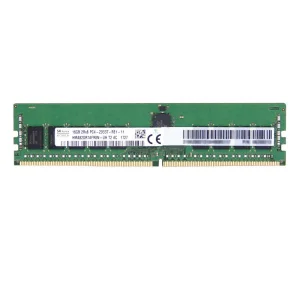
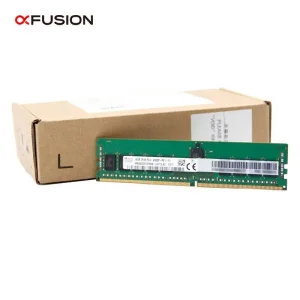
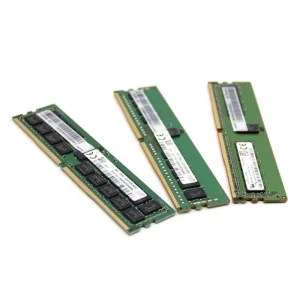
For procurement officers and IT infrastructure architects managing these centers, securing a direct supply line to high-quality Server RAM Manufacturers is no longer a luxury—it is a critical requirement. Our memory modules are designed to sustain high operations workloads in these hyperscale zones, providing optimized memory pathways and extreme thermal resilience.
Operating data centers in Chile presents unique geophysical challenges, most notably high seismic activity. Physical vibrations caused by low-amplitude tremors can cause minor contact degradation in poorly seated DIMMs, leading to memory register faults or hardware dropouts. Consequently, hardware deployment in the region requires memory modules built with precision-tolerance PCBs (printed circuit boards) and thick gold fingers (minimum 30 micro-inches of gold plating) to ensure firm connection integrity within the server chassis slot.
Furthermore, many mining sites located in the high-altitude Atacama Desert utilize localized edge computing clusters to manage heavy machinery, sorting sensors, and site automation. At altitudes exceeding 3,000 meters, thinner air significantly reduces thermal dissipation efficiency. To counter this, Zyphora's memory products undergo rigorous thermal-load validations to ensure stable performance under ambient thermal variations.
Evaluating high-frequency bandwidth, lower power profiles, and compute-express-link evolution.
Enterprise compute is undergoing a fundamental shift. Modern applications like LLMs, real-time analytics, and high-frequency trading require high data rates and memory density that stretch the capabilities of legacy DDR4 architectures. Our production capabilities cover both current-gen DDR4 structures and high-speed DDR5 options to allow clients to scale according to their infrastructure budgets.
| Specification Metric | DDR4 Enterprise Standard (RDIMM) | DDR5 Enterprise Next-Gen (RDIMM) | Architectural Impact on Chile Data Centers |
|---|---|---|---|
| Maximum Transfer Rate | 3200 MT/s (up to 3200MHz) | 4800 to 6400+ MT/s | Doubles data throughput for high-performance databases and real-time computation. |
| Operating Voltage | 1.2V | 1.1V | Reduces module-level power consumption, improving overall PUE (Power Usage Effectiveness). |
| Power Management | Controlled via server motherboard | On-board PMIC (Power Management IC) | Provides precise voltage regulation and mitigates power loss directly at the module. |
| Error Correction | Standard ECC (System-level detection) | On-Die ECC + Standard Sideband ECC | Provides dual-layer error mitigation, critical for remote systems in desert mining areas. |
| Capacity Scaling | Up to 64GB per RDIMM (standard dies) | Up to 128GB/256GB per module | Allows high-density virtualization setups, reducing physical server footprint. |
Traditional ECC corrects single-bit errors and detects multi-bit errors at the system level. DDR5 introduces On-Die ECC, which performs error correction inside the DRAM chip itself before sending the data packet down the bus. This secondary safety layer significantly increases data integrity and reduces CPU workload, providing a highly stable operational standard for enterprise clients.
As CPU core counts scale, memory bandwidth per core has traditionally decreased. With CXL technology, servers can access pooled memory structures dynamically. Our engineering roadmap includes the development of CXL-compliant memory expanders, allowing cloud providers in Santiago to pool and share RAM resources across multi-socket nodes without latency penalties.
Operating a data center requires strict temperature controls. Heat dissipation in DDR5 is managed by an integrated PMIC, which distributes power across the module more evenly. Our thermal testing validates that our custom heat-spreader designs keep temperature profiles within critical limits, even under continuous 100% duty cycles.
Tailored memory architectures supporting Chile's primary commercial sectors.
Atacama's copper and lithium mining facilities rely heavily on remote, automated systems and heavy machinery. Edge computing nodes at these sites must withstand mechanical vibrations, wide temperature fluctuations, and airborne particulate matter. We deliver industrial-grade, wide-temperature DRAM solutions with conformal coatings to protect the circuitry from dust and corrosion, preventing unexpected downtime in high-altitude environments.
Santiago's financial district demands high transaction speeds and minimal latency. Standard cloud architectures are not sufficient; they require high-frequency, low-latency RDIMM configurations. Our 3200MHz DDR4 and high-frequency DDR5 products enable local retail banking platforms and international trading systems to run complex algorithms with minimal latency.
Chilean universities and regional research institutions are focusing heavily on artificial intelligence, astronomical data analysis, and climate modeling. By partnering directly with a qualified RAM manufacturer like Zyphora, research computing clusters can scale their AI memory capacity up to 256GB per channel, providing the raw memory bandwidth required to run large AI models.
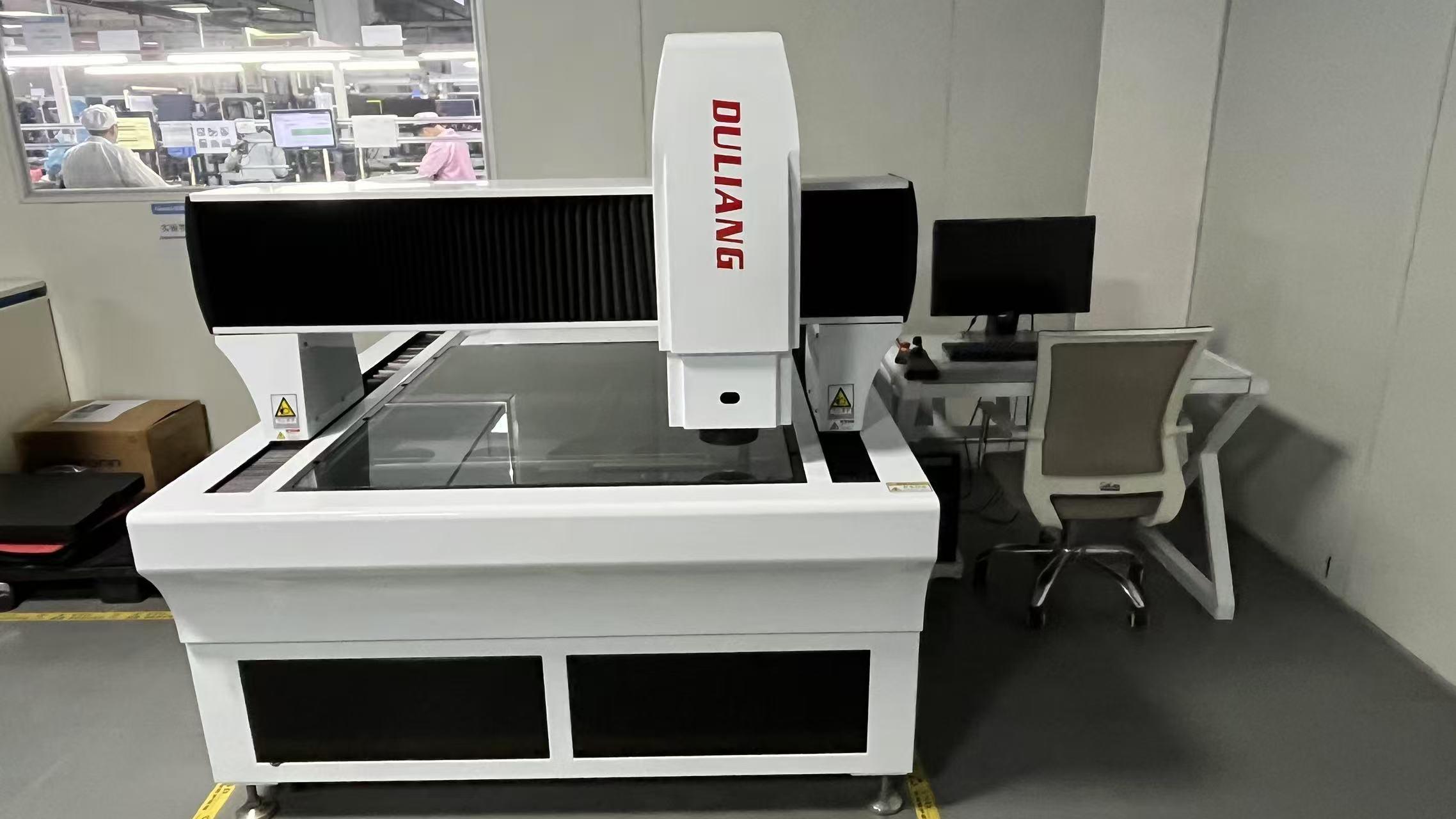
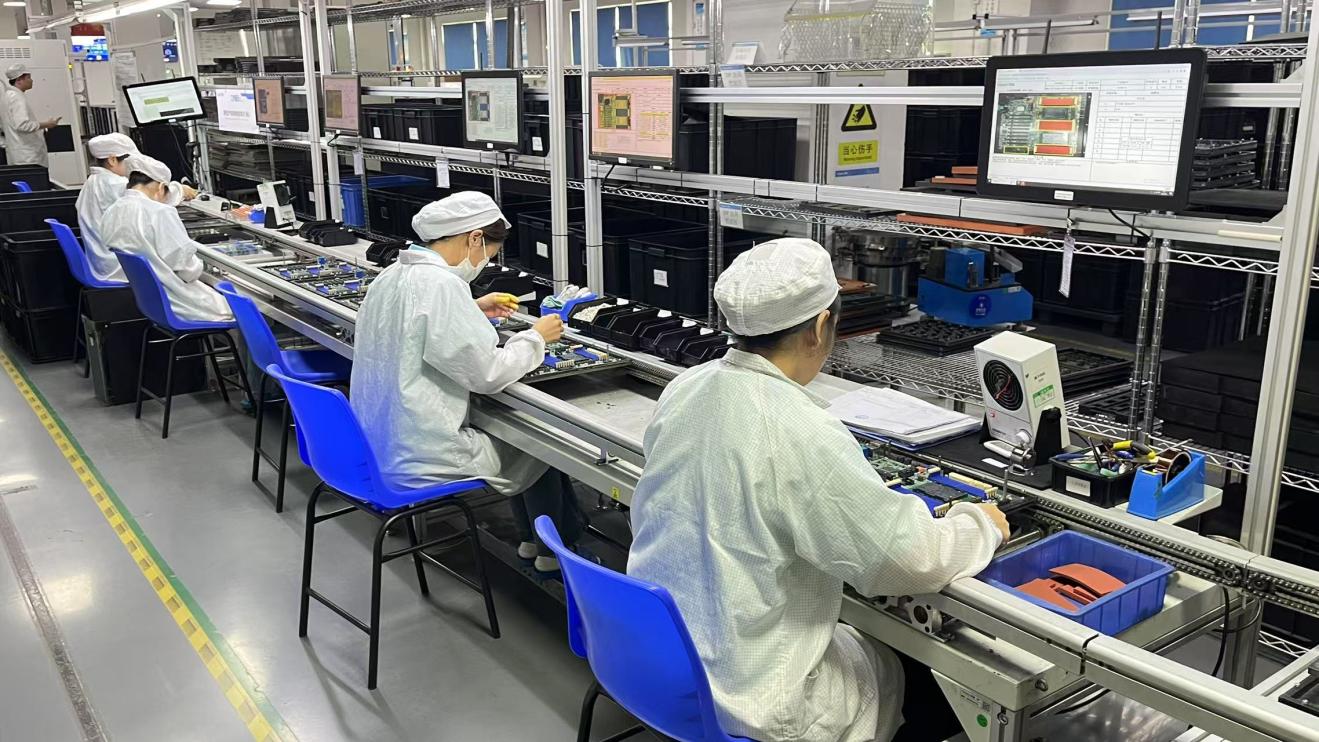
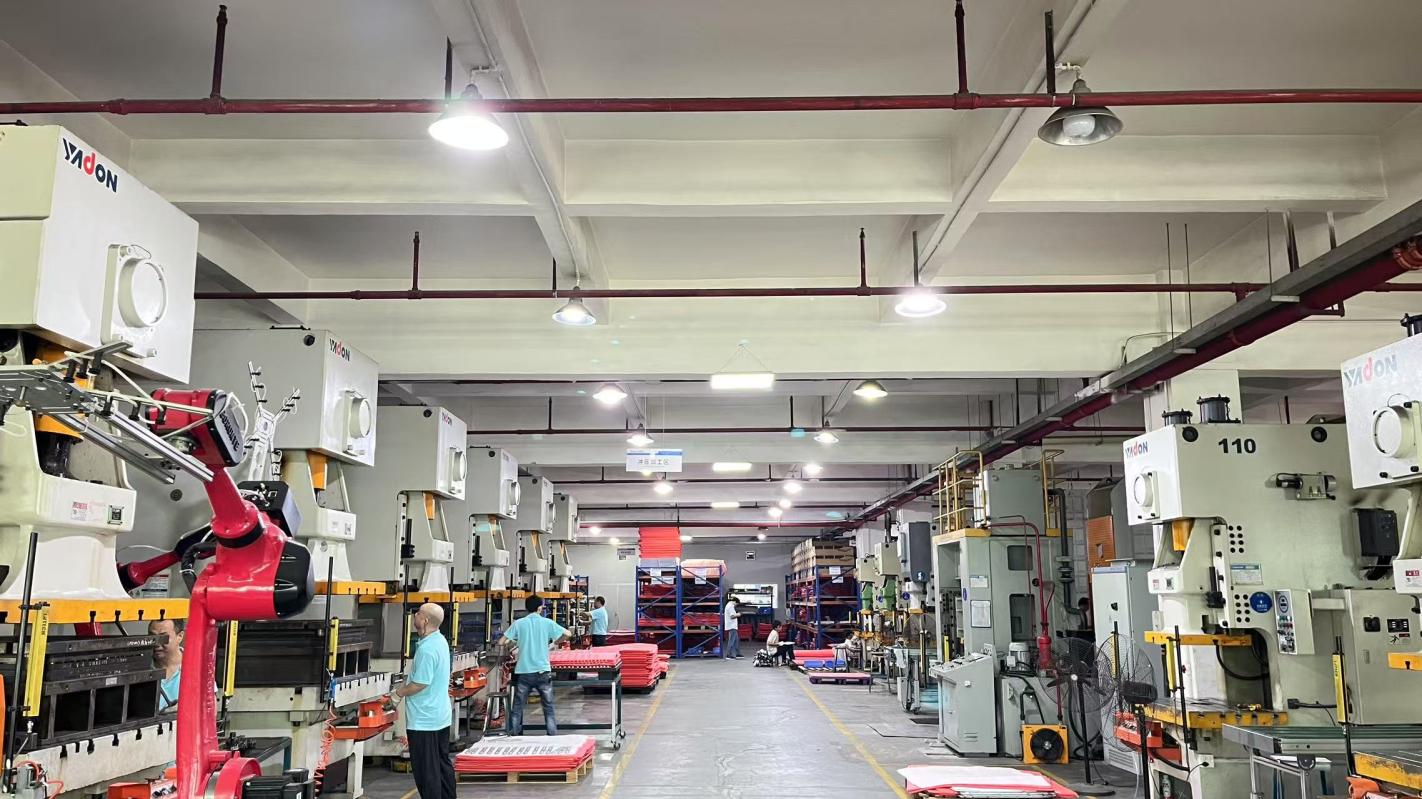
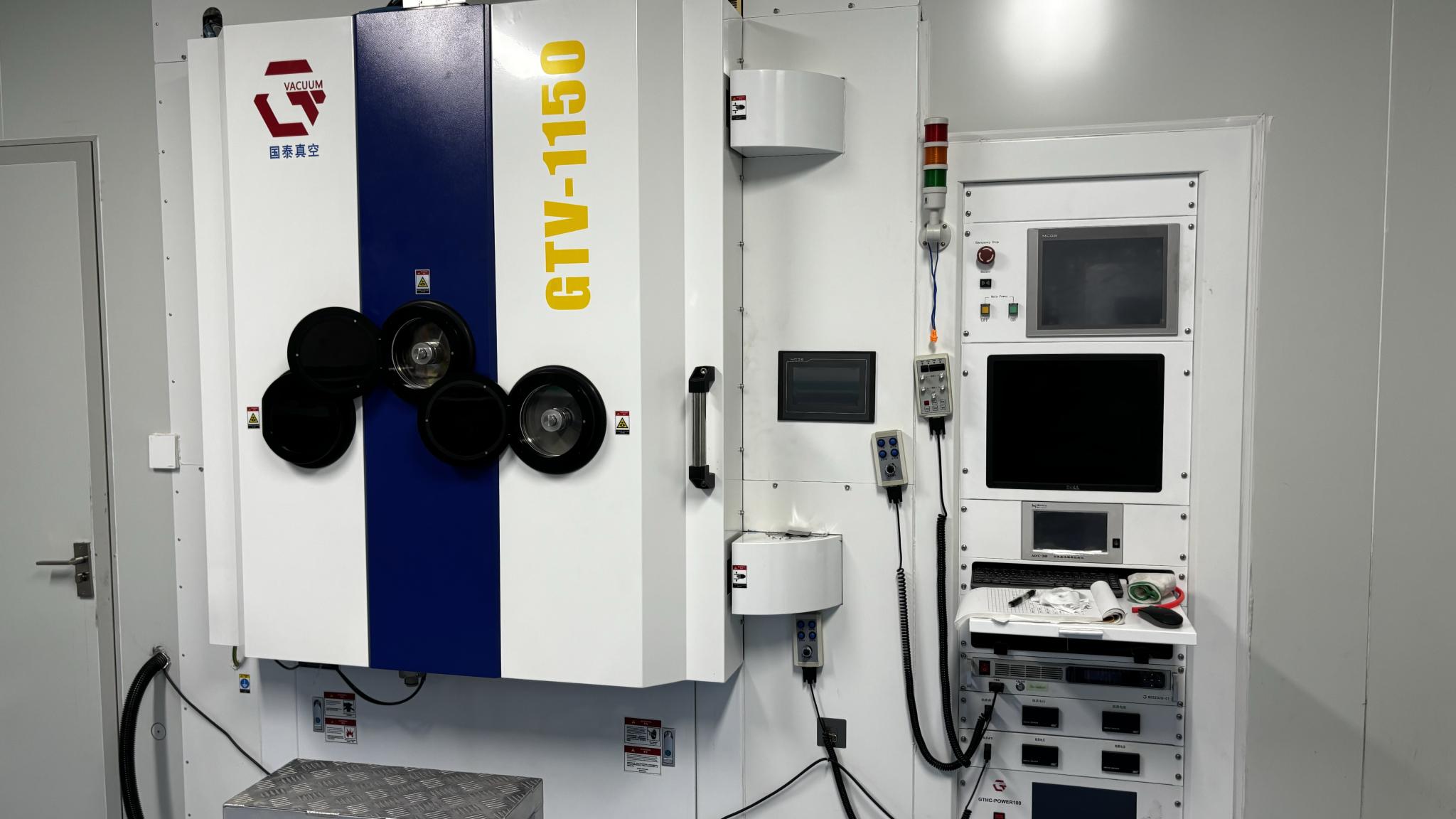
Ensuring high performance and quality through testing protocols at our Shenzhen facility.
To maintain high reliability, Zyphora implements a multi-stage Quality Assurance (QA) workflow for all outgoing DRAM modules before delivery to our clients in Chile. Each module undergoes the following validation steps:
Our deep partnership with over 1,200 global suppliers guarantees consistent raw material availability, even during component shortages. For Chilean procurers accustomed to long lead times, Zyphora's logistics system ensures rapid shipping times from our Shenzhen manufacturing hub. Our OEM/ODM capabilities also allow custom firmware and branding adjustments directly at the factory level, allowing system integrators in South America to deploy customized hardware solutions.
A global provider of AI computing infrastructure and high-density memory systems.
Founded in 2017, Zyphora is a professional manufacturer and global supplier of AI GPU servers, high-performance computing systems, and customized data center solutions. Headquartered in Shenzhen, China, the company operates a modern production facility covering 386 square meters and serves customers across North America, Europe, Southeast Asia, and the Middle East.
With annual export revenue exceeding USD 18 million, Zyphora has built a strong reputation in the AI computing infrastructure industry through continuous innovation, reliable product quality, and customer-focused service. Our team brings over 12 years of industry experience and 7 years of export expertise, enabling us to support clients worldwide with efficient project delivery and professional technical assistance.
Zyphora specializes in AI GPU servers, GPU workstations, rackmount servers, storage servers, and customized computing solutions for artificial intelligence, machine learning, cloud computing, and high-performance computing applications. Supported by a robust supply chain network of more than 1,200 qualified partners, we ensure stable sourcing, flexible production, and rapid delivery.
Quality is at the core of everything we do. Our products undergo comprehensive reliability testing, thermal performance evaluation, burn-in testing, and functional inspections throughout the manufacturing process. A dedicated quality control team of 42 professionals ensures that every product meets strict international standards before shipment.
Innovation drives our growth. Our R&D department consists of 86 experienced engineers specializing in server architecture, thermal management, hardware integration, and AI infrastructure optimization. Each year, we introduce more than 120 new products and upgraded solutions to meet the evolving demands of global customers.
Zyphora offers comprehensive OEM and ODM services, including hardware customization, chassis design, branding, firmware configuration, and system integration. Our flexible manufacturing capabilities enable us to provide tailored solutions for cloud service providers, AI startups, research institutions, system integrators, data center operators, and enterprise customers.
Guided by the principles of quality, innovation, and customer success, Zyphora is committed to delivering advanced AI computing infrastructure that empowers organizations to accelerate digital transformation and unlock the full potential of artificial intelligence.

Navigating import standards and operations in Chile.
Importing enterprise-grade computing components into Chile requires strict compliance with local customs regulations. Zyphora provides comprehensive international trade documentation, including HS Code classification, Certificate of Origin paperwork, and compliance declarations. All shipments are packaged in anti-static, shock-absorbing materials designed to handle long-distance shipping routes, ensuring they arrive undamaged and pass quickly through customs checkpoints in Valparaíso or Santiago Airport.
A key concern for remote operators is hardware support. To address this, Zyphora offers SLA-supported hardware replacement plans. Every server RAM module is backed by a multi-year warranty. If a component failure occurs, our technical team works with you to diagnose the issue remotely. If a replacement is necessary, we leverage our global logistics partnerships to ship replacement modules quickly, minimizing downtime for your local infrastructure.
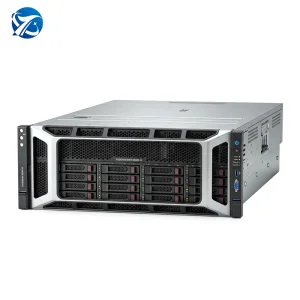
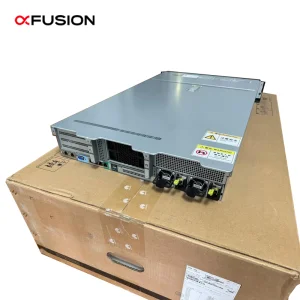
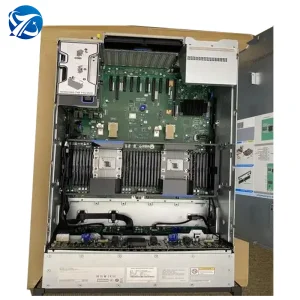
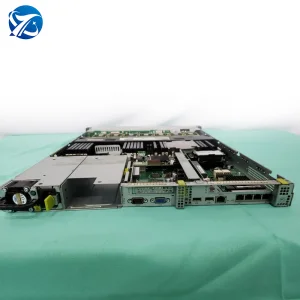
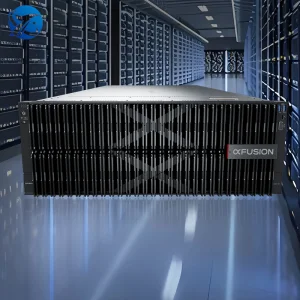
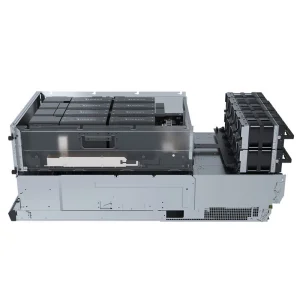
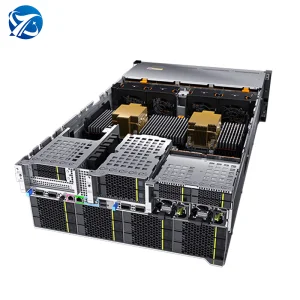
A comprehensive range of high-performance computing hardware, from GPU nodes to rack servers, designed for enterprise deployments in Chile.
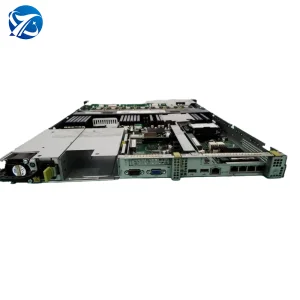
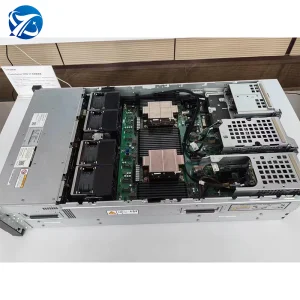
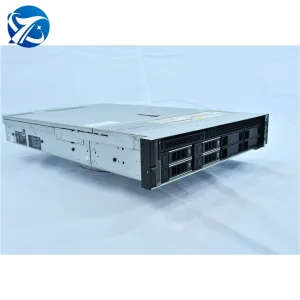
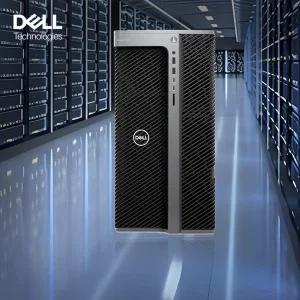
Essential guidelines for importing enterprise-grade server components to South America.
When sourcing RAM modules for major server networks, hardware procurement teams should look beyond the initial unit price. Factors such as memory-related server downtime, thermal-induced motherboard failures, and shipping delays can significantly impact total operating costs. By choosing memory modules that undergo factory burn-in and compatibility testing, enterprises can minimize hardware failures, optimize system performance, and lower the overall cost of ownership.
Developing a reliable supply chain requires balancing inventory requirements with transport lead times. Standard sea freight to South America can take 35 to 50 days, which can disrupt deployment schedules during hardware upgrades. For critical projects, Zyphora coordinates with international express carriers to deliver components by air within 5 to 7 business days, providing a reliable option to address emergency demand or minimize project delays.
Technical and procurement inquiries addressed by our engineering team.
ECC (Error-Correcting Code) memory detects and corrects single-bit memory errors, preventing system crashes and data corruption. Non-ECC RAM is typically used in consumer PCs and does not have built-in error correction. For enterprise systems, database hosting, and mission-critical workloads in Chile, ECC memory is required to ensure system stability and data integrity.
No. DDR4 and DDR5 modules use different physical layouts, pin configurations, signal schemes, and operating voltages. Motherboard slots are keyed differently to prevent mixing generations. If your server is built for DDR4, it cannot accept DDR5 memory modules without upgrading the motherboard and processor.
In high-altitude mining areas like the Atacama Desert, the thin air reduces cooling efficiency, causing memory modules to run hotter than they would at sea level. In addition, low-level vibrations from regional seismic activity can affect poorly seated components. To address these issues, we design our memory modules with robust heatsinks and gold-plated contacts to ensure stable connections and thermal performance.
Our OEM and ODM services include custom PCB and heat spreader designs, tailored BIOS and firmware profiles for improved hardware compatibility, custom branding, and custom packaging. This allows system integrators and cloud providers to deploy branded, pre-configured memory modules directly into their production environments.
We test our memory modules on major server platforms from brands like Dell, HPE, Lenovo, and xFusion. This validation process includes running continuous memory diagnostic suites under full system loads to ensure our products meet or exceed the performance specifications of the original hardware.
Partner with a reliable manufacturer to get high-performance, fully validated DDR4 and DDR5 memory modules tailored to your hardware requirements. Contact our sales team today to request a quote or discuss custom OEM/ODM solutions.
Send Inquiry Now