Zyphora
Zyphora
Zyphora
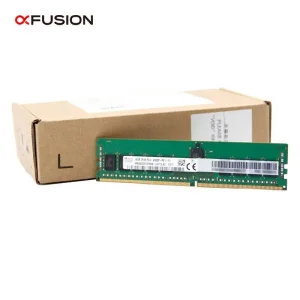
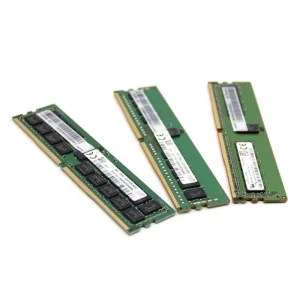
Greater Boston is recognized globally as an elite center of technological innovation, where advanced academia, cutting-edge biotechnology, and financial services converge. From Kendall Square in Cambridge to the high-tech corridors of Route 128 and Interstate 95, Boston's enterprise infrastructure requires unparalleled compute power. The deployment of high-capacity server memory (RAM) is a critical foundation for these workloads, driving breakthrough performance in machine learning, computational biology, and low-latency financial modeling.
In Boston's life sciences sector, genomic sequencing and molecular modeling generate vast datasets that must be processed in real-time. For these operations, standard computing architectures fall short. Memory bandwidth and capacity act as the primary bottlenecks. High-performance computing (HPC) clusters deployed in Harvard, MIT, and local private research laboratories utilize large-scale server memory configurations—often exceeding 1TB of RAM per node—to ensure complex algorithms can operate entirely in-memory, bypassing slower disk storage.
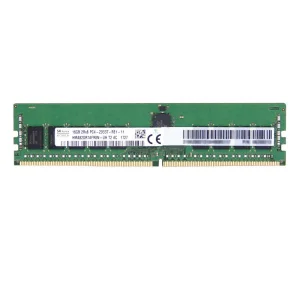
Additionally, the rapid growth of AI innovation hubs in Boston, focusing on robotics, generative AI modeling, and edge computing, demands robust hardware reliability. The hardware baseline has shifted. Error-Correcting Code (ECC) server RAM is no longer optional; it is a fundamental requirement to prevent data corruption in systems running continuous calculations. As a specialized server memory factory and supplier serving the Boston metro area, Zyphora understands these extreme performance dynamics and provides memory modules built to survive high-duty enterprise lifecycles.
The enterprise server architecture landscape is undergoing a massive generational shift. While DDR4 RAM continues to support a large installed base of legacy enterprise servers, the market is aggressively pivoting toward DDR5 memory. This transition is defined by crucial performance enhancements, lower operational power requirements, and smarter integrated management systems designed to handle the massive multi-core scaling of modern server processors like AMD EPYC™ and Intel® Xeon® Scalable families.
DDR5 memory architecture starts at base speeds of 4800 MT/s and stretches up to 6400 MT/s and above, representing a massive bandwidth leap over DDR4's standard 3200 MT/s ceiling. For data centers in Boston hosting virtualization layers, this extra bandwidth translates directly to support for higher virtual machine (VM) densities and lower latency for transactional databases.
Unlike DDR4, which relies on the motherboard to manage voltage regulation, DDR5 moves power management directly onto the memory module itself via a Power Management Integrated Circuit (PMIC). This significantly improves signal integrity, reduces server motherboard design complexity, and minimizes power loss—reducing the overall Power Usage Effectiveness (PUE) for urban Boston data facilities.
With chip densities scaling up to meet 128GB and 256GB single-module demands, DDR5 integrates on-die ECC. This provides an internal layer of error correction before data even leaves the DRAM chip, running in tandem with system-level ECC to protect high-performance research servers against multi-bit errors.
Compute Express Link (CXL) is redefining the physical limits of server memory. By utilizing high-speed PCIe lanes, CXL allows servers to pool memory dynamically. Boston-based enterprises can scale memory capacity independently of CPU architectures, preventing the underutilization of expensive RAM hardware resources.
In the modern hardware manufacturing environment, supply chain integrity and structural resilience are vital. System integrators and enterprise IT teams across Boston cannot afford delays caused by critical semiconductor shortages or logistics breakdowns. Procurement must rely on partners who command direct factory relationships, stable raw material sources, and structured global logistics routes.
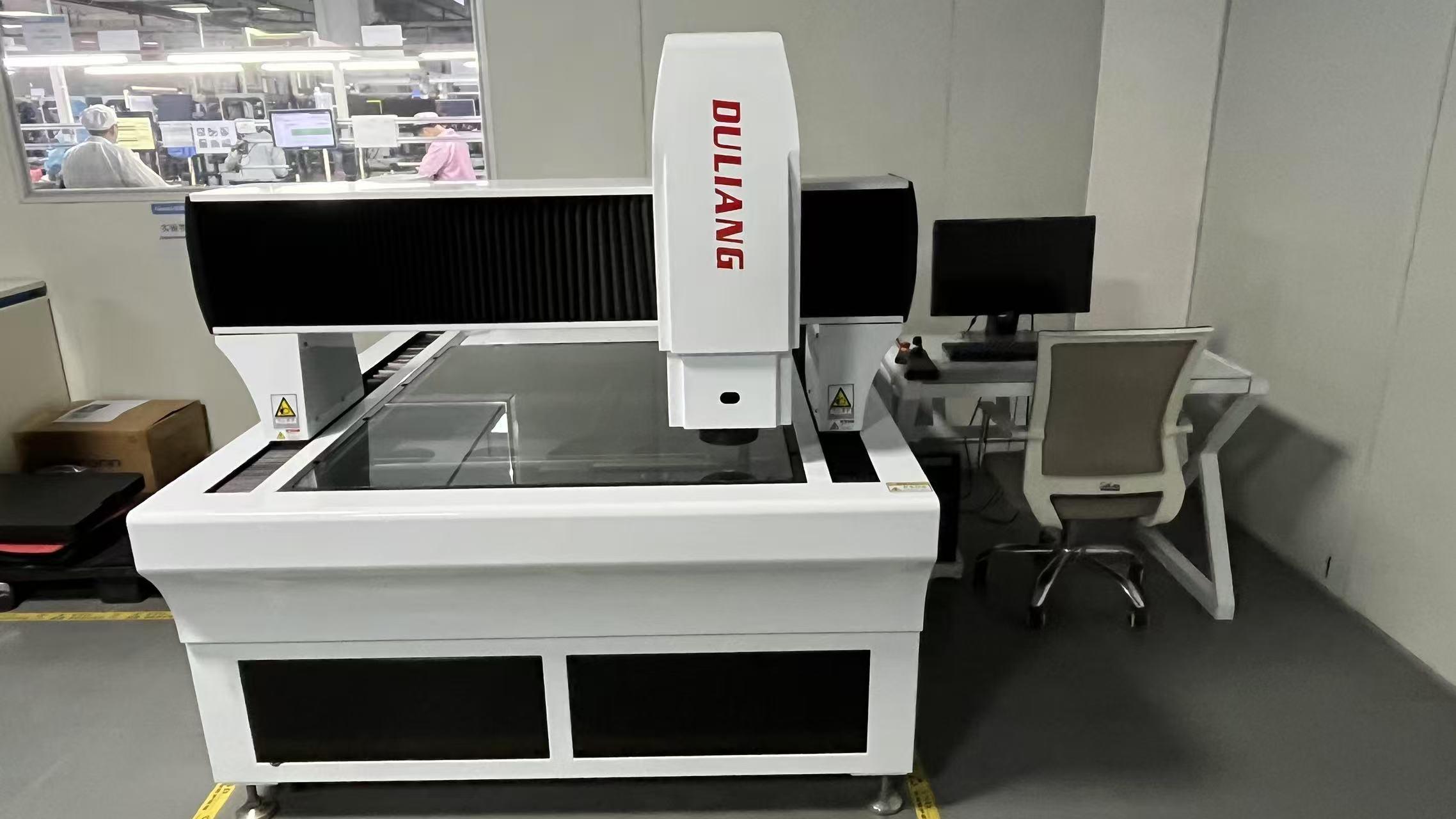
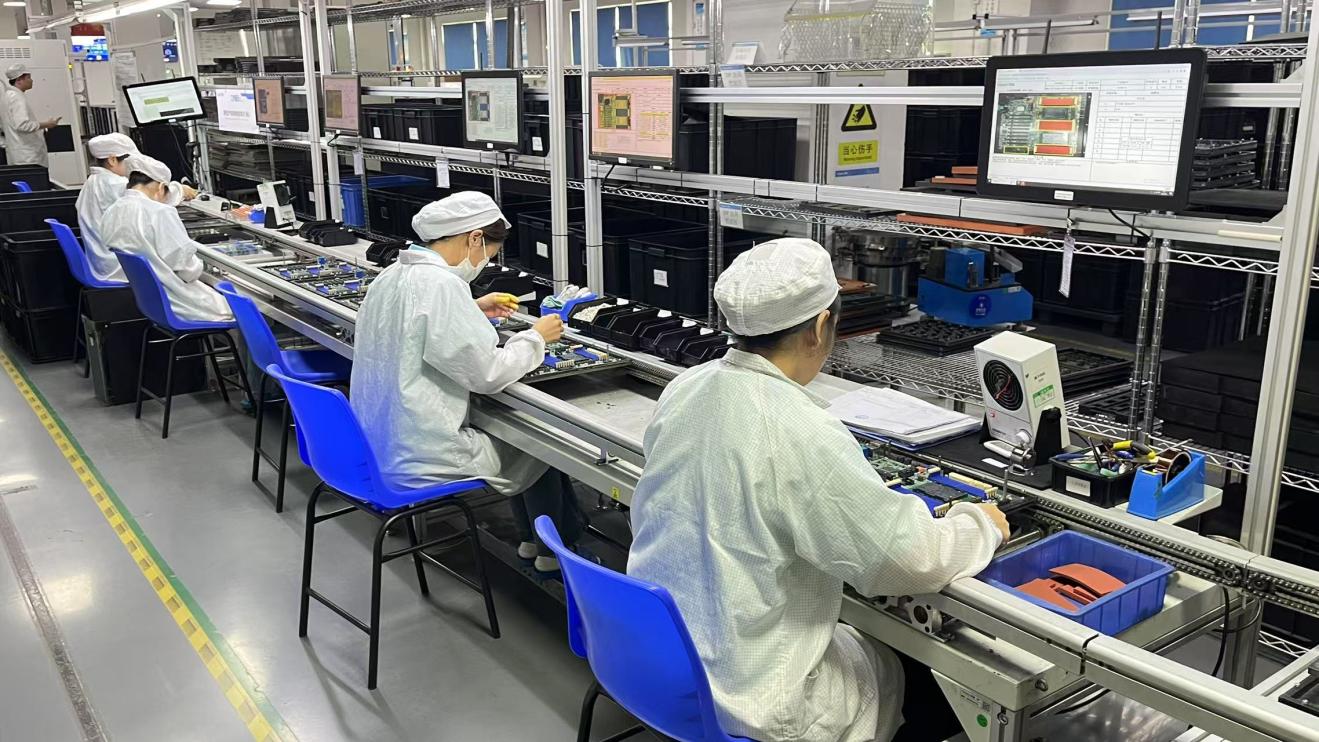
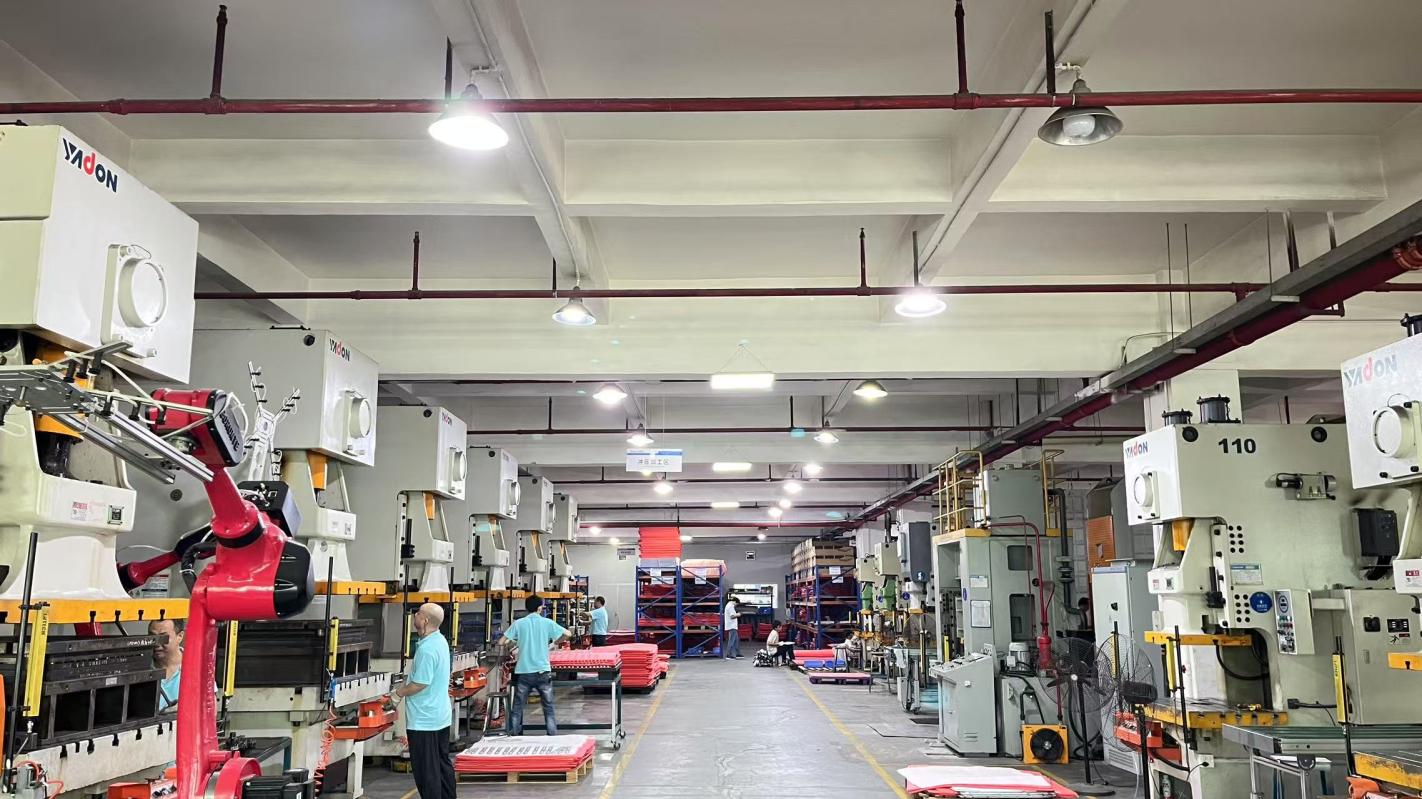
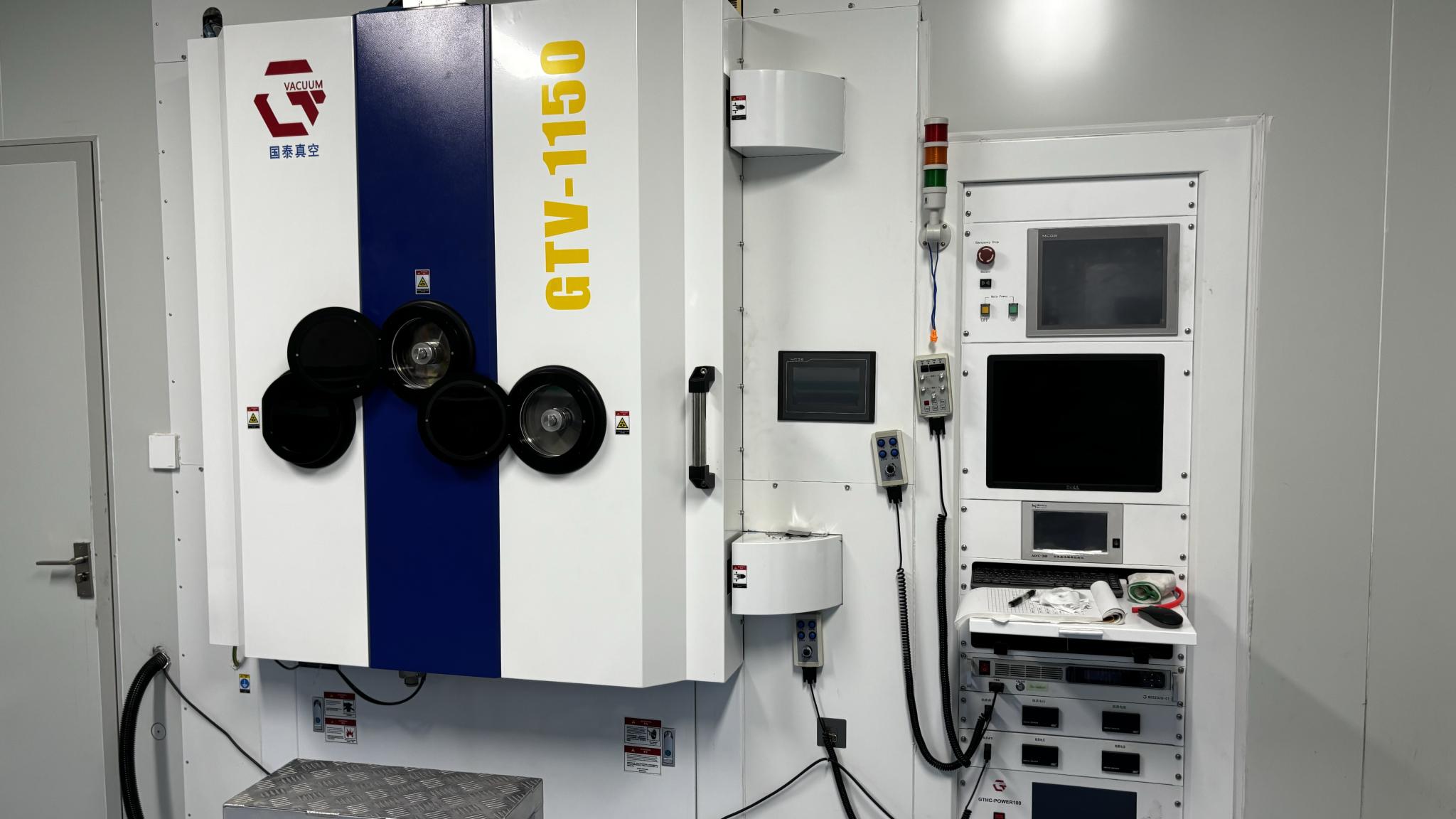
Zyphora bridges the gap between raw industrial component manufacturing and local deployment in Boston. Operating a sophisticated facility in Shenzhen and backed by an extensive partner ecosystem of over 1,200 qualified supply chain associates, Zyphora delivers consistent, verified enterprise hardware. This dual advantage of factory-direct cost-efficiency and rigorous engineering standards allows Boston companies to bypass middle-tier markups while securing reliable technical specifications.
Whether configuring high-density rackmount arrays for cloud data storage or deploying AI-dedicated GPU systems, our engineering-driven manufacturing approach guarantees that all memory modules are composed of original, grade-A DRAM chips from premier semiconductor fabrication facilities. This proactive supply chain strategy minimizes lead times, secures raw material allocations, and guarantees that our products match the performance profiles of major tier-one server providers.
Boston's position as a hub for medical research, defense contracting, and financial systems means that compliance is non-negotiable. Computing architectures operating within these sectors must adhere to stringent regulatory guidelines, including HIPAA (Health Insurance Portability and Accountability Act), SEC compliance, and NIST standards. Every server component, particularly memory, must perform with total transparency and traceability.
At Zyphora, quality control is integrated directly into the manufacturing floor. Every memory module undergoes a strict pipeline of multi-phase testing protocols:
With our dedicated quality assurance team of 42 QC professionals, we ensure that every batch of server memory and every rackmount configuration meets international safety, emission, and environmental standards (CE, FCC, RoHS). When a shipment arrives at your facility in Boston, you receive fully validated hardware, minimizing integration friction and assuring immediate operational readiness.
Every enterprise has unique compute needs. While standardized configurations suit typical workloads, high-performance environments often demand custom hardware engineering. Zyphora excels in delivering OEM and ODM services, tailoring server layout architectures, cooling solutions, and memory configurations to meet the specific requirements of our clients.
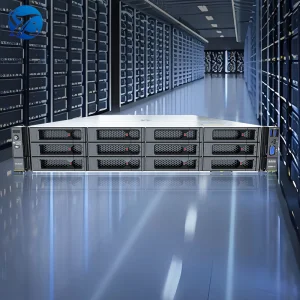
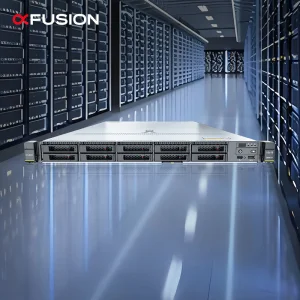
For research institutes in Boston, this customization could mean configuring specialized 1U or 2U high-density nodes to maximize compute density in limited colocation cabinet space. For cloud service providers, it could mean optimizing firmware configurations to align memory speeds and timings with specialized bare-metal deployments. Through close collaboration between our 86 R&D engineers and client IT architects, we turn complex technical requirements into high-performing hardware realities.
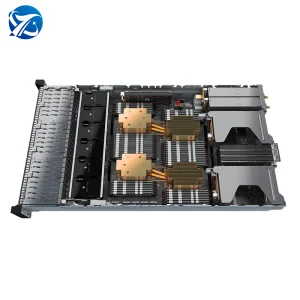
Our capabilities extend from metal chassis customization, thermal pipe design, and motherboard integration to complete system provisioning. We guarantee that all systems, whether designed for deep learning training, massive storage virtualization, or low-latency analytics, arrive fully optimized, branded, and ready for deployment into your existing data center architecture.
Founded in 2017, Zyphora is a professional manufacturer and global supplier of AI GPU servers, high-performance computing systems, and customized data center solutions. Headquartered in Shenzhen, China, the company operates a modern production facility covering 386 square meters and serves customers across North America, Europe, Southeast Asia, and the Middle East.
With annual export revenue exceeding USD 18 million, Zyphora has built a strong reputation in the AI computing infrastructure industry through continuous innovation, reliable product quality, and customer-focused service. Our team brings over 12 years of industry experience and 7 years of export expertise, enabling us to support clients worldwide with efficient project delivery and professional technical assistance.
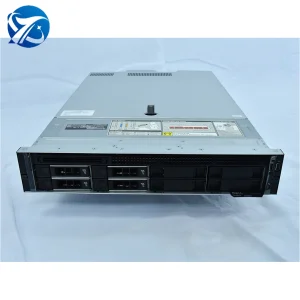
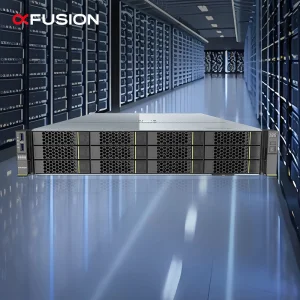
Zyphora specializes in AI GPU servers, GPU workstations, rackmount servers, storage servers, and customized computing solutions for artificial intelligence, machine learning, cloud computing, and high-performance computing applications. Supported by a robust supply chain network of more than 1,200 qualified partners, we ensure stable sourcing, flexible production, and rapid delivery.
Quality is at the core of everything we do. Our products undergo comprehensive reliability testing, thermal performance evaluation, burn-in testing, and functional inspections throughout the manufacturing process. A dedicated quality control team of 42 professionals ensures that every product meets strict international standards before shipment.
Innovation drives our growth. Our R&D department consists of 86 experienced engineers specializing in server architecture, thermal management, hardware integration, and AI infrastructure optimization. Each year, we introduce more than 120 new products and upgraded solutions to meet the evolving demands of global customers.
Zyphora offers comprehensive OEM and ODM services, including hardware customization, chassis design, branding, firmware configuration, and system integration. Our flexible manufacturing capabilities enable us to provide tailored solutions for cloud service providers, AI startups, research institutions, system integrators, data center operators, and enterprise customers.
Guided by the principles of quality, innovation, and customer success, Zyphora is committed to delivering advanced AI computing infrastructure that empowers organizations to accelerate digital transformation and unlock the full potential of artificial intelligence.