 Zyphora
Zyphora
Zyphora
Industrial-grade, thermal-tested, and ECC-registered memory modules configured for high-availability IT infrastructures across Muscat, Salalah, and Sohar.
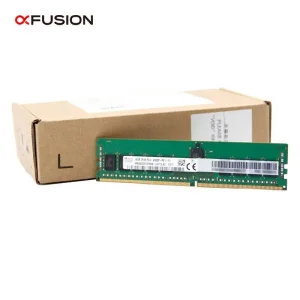
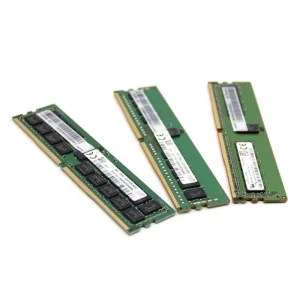
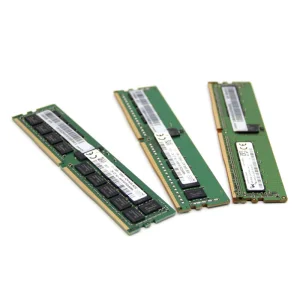
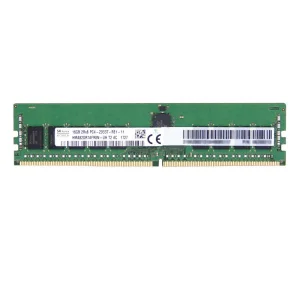
Analyzing the shift toward Next-Generation HPC Memory Architecture under the framework of Oman Vision 2040 and the Middle East Data Center Expansion.
Oman is undergoing an unprecedented digital transition. Under the national mandate of Oman Vision 2040, spearheaded by the Ministry of Transport, Communications and Information Technology (MTCIT), the Sultanate is rapidly transforming from a oil-reliant economy into a leading regional digital gateway. Enterprise entities, sovereign cloud architectures, and telecommunications giants like Omantel, Ooredoo, and Awasr are rolling out hyper-scale data centers and distributed edge computing systems across Muscat, Sohar, and Salalah.
This massive digital transformation places absolute stress on computing hardware infrastructure. In a server environment, the memory subsystem (Server RAM) is frequently the primary bottleneck for application throughput, virtualization density, and system reliability. To operate cloud infrastructure at maximum uptime, Omani enterprises require advanced, fault-tolerant memory configurations such as Registered DIMMs (RDIMMs) with advanced Error-Correcting Code (ECC) mechanisms.
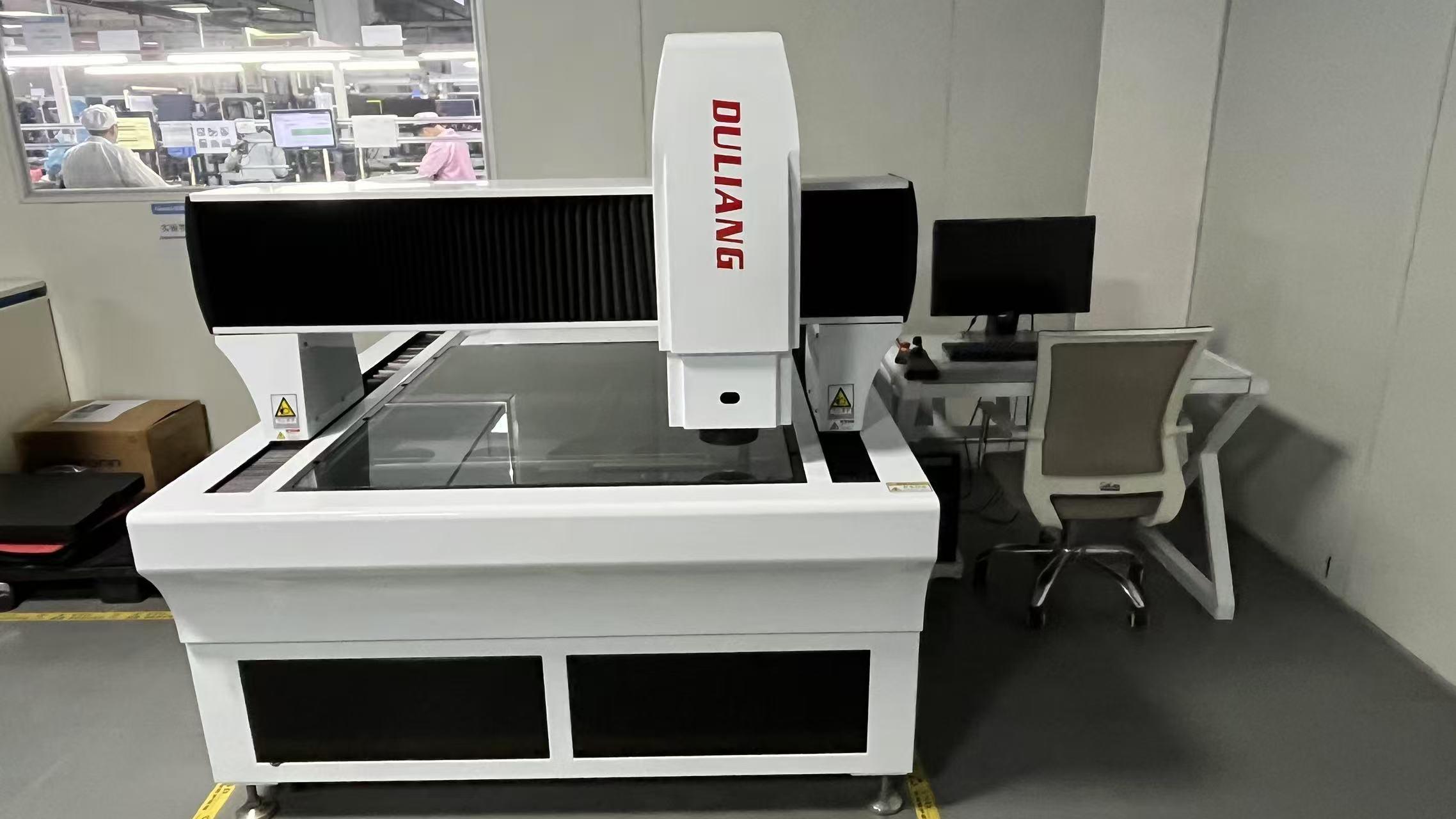
"In hyper-converged architectures operated within coastal regions like Salalah, where cooling systems battle elevated ambient humidity and temperatures, server memory modules must adhere to strict thermal envelopes. Every single DRAM IC integrated into our enterprise server memory undergoes rigorous thermal chamber testing up to 85°C to guarantee zero-degradation operation."
Data center cooling and ambient humidity management present unique challenges in the Gulf region. High thermal loads require server fans to run at maximum RPM, inducing high-frequency chassis vibrations that can destabilize standard consumer-grade electronics. For server motherboards executing mission-critical workloads, ECC (Error-Correcting Code) is non-negotiable. Standard UDIMMs lack the register clock driver and parity check registers needed to handle the multi-lane data signals typical of high-density server configurations.
By employing specialized 288-pin dual-inline memory modules with integrated Register Clock Drivers (RCD), Zyphora’s server memory modules minimize electrical loading on the processor's memory controller. This allows Omani system integrators to scale up memory capacity per channel without sacrificing operating frequency. From DDR4-3200MHz solutions running at 1.2V to next-generation DDR5 technologies, our products provide the optimal balance between power savings and extreme memory bandwidth.
Sourcing server memory modules directly from specialized manufacturing facilities in Shenzhen, China, offers Omani companies unmatched advantages in supply chain transparency, technical customization, and unit economics:
We flash custom Serial Presence Detect (SPD) configurations to ensure native compatibility with legacy xFusion, Dell PowerEdge, HPE ProLiant, and Lenovo ThinkSystem servers operating in Oman.
Our server RAM undergoes dynamic burn-in tests under loaded cycles to pre-emptively identify and weed out infant mortality failures, assuring extreme stability in warm Middle Eastern operations.
We source only tier-1 DRAM silicon wafers from leading global producers, guaranteeing consistent write/read latency parameters across all modules.
Optimized transport pipelines link our Shenzhen facility to Muscat International Airport (MCT) and Sultan Qaboos Port, facilitating fast customs clearance and immediate project delivery.
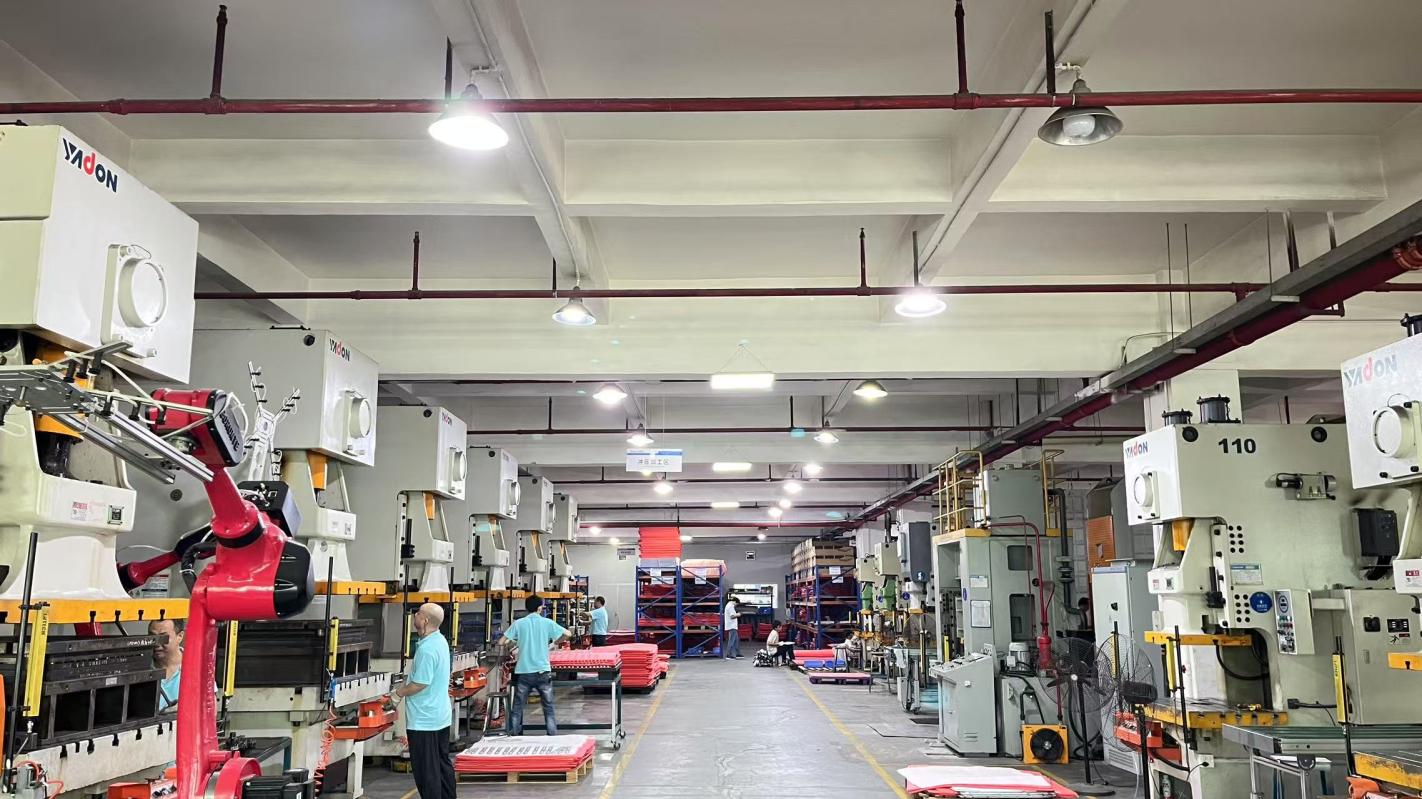
Founded in 2017, Zyphora is a professional manufacturer and global supplier of AI GPU servers, high-performance computing systems, and customized data center solutions. Headquartered in Shenzhen, China, the company operates a modern production facility covering 386 square meters and serves customers across North America, Europe, Southeast Asia, and the Middle East.
With annual export revenue exceeding USD 18 million, Zyphora has built a strong reputation in the AI computing infrastructure industry through continuous innovation, reliable product quality, and customer-focused service. Our team brings over 12 years of industry experience and 7 years of export expertise, enabling us to support clients worldwide with efficient project delivery and professional technical assistance.
Zyphora specializes in AI GPU servers, GPU workstations, rackmount servers, storage servers, and customized computing solutions for artificial intelligence, machine learning, cloud computing, and high-performance computing applications. Supported by a robust supply chain network of more than 1,200 qualified partners, we ensure stable sourcing, flexible production, and rapid delivery.
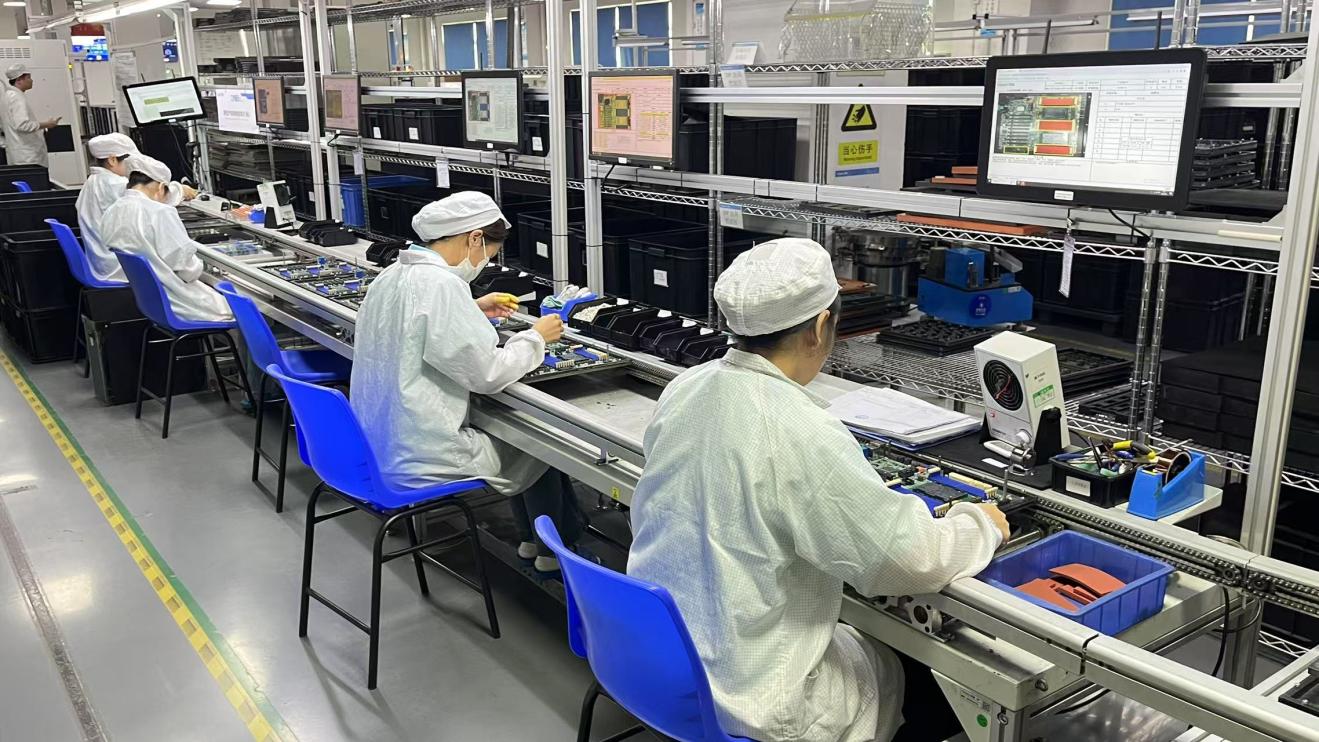
Quality is at the core of everything we do. Our products undergo comprehensive reliability testing, thermal performance evaluation, burn-in testing, and functional inspections throughout the manufacturing process. A dedicated quality control team of 42 professionals ensures that every product meets strict international standards before shipment.
Innovation drives our growth. Our R&D department consists of 86 experienced engineers specializing in server architecture, thermal management, hardware integration, and AI infrastructure optimization. Each year, we introduce more than 120 new products and upgraded solutions to meet the evolving demands of global customers.
Zyphora offers comprehensive OEM and ODM services, including hardware customization, chassis design, branding, firmware configuration, and system integration. Our flexible manufacturing capabilities enable us to provide tailored solutions for cloud service providers, AI startups, research institutions, system integrators, data center operators, and enterprise customers.
Guided by the principles of quality, innovation, and customer success, Zyphora is committed to delivering advanced AI computing infrastructure that empowers organizations to accelerate digital transformation and unlock the full potential of artificial intelligence.

Explore our high-density rackmount computing servers, fiber channel HBA cards, high-capacity enterprise drives, and arrays designed to interface seamlessly with our memory modules.
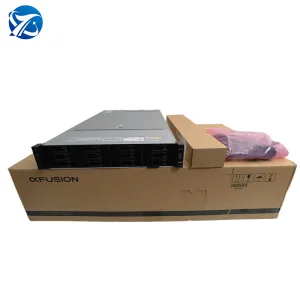
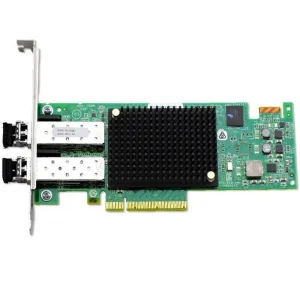
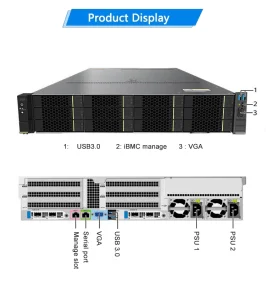

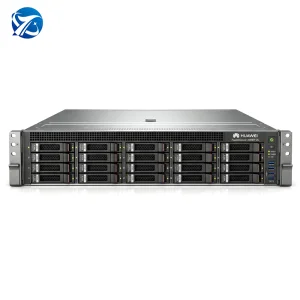
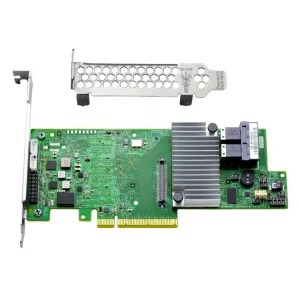
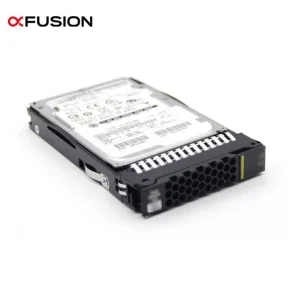
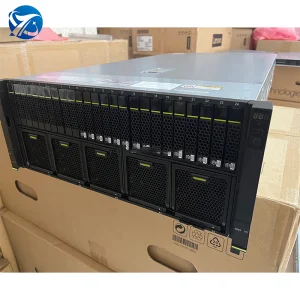
How our enterprise-grade memory hardware is applied across key Omani industries to optimize operational workloads.
Oman’s energy sector utilizes highly complex seismic simulation algorithms and reservoir modeling applications. These scientific applications perform high-intensity matrix math operations that require massive system memory bandwidth. Standard RAM cannot cope with the sheer data volume, resulting in bus latency bottlenecks. Upgrading computing infrastructure with our dual-ranked (2 Rank) 64GB DDR4 3200MHz ECC RDIMMs increases computational density, reducing processing times for critical geological calculations from days to hours.
Institutions such as Bank Muscat and the Central Bank of Oman demand absolute transaction integrity. A single bit flip in server memory can trigger an accounting discrepancy or unexpected system crash. Our memory modules utilize advanced on-die and side-band ECC mechanisms that instantly detect and rectify single-bit errors in real time, assuring continuous system reliability during heavy payment traffic cycles.
Omani telecommunications providers require high-capacity, multi-tenant physical servers to host virtualized network functions (VNFs) and 5G edge computing environments. In these architectures, memory allocation per virtual machine (VM) must remain completely stable under peak user demand. Our low-voltage (1.2V) DDR4 modules reduce thermal generation within dense 2U rack chassis, lowering total data center power consumption and stabilizing operations across high-density hypervisor host environments.
Sohar Port and Salalah Port act as crucial nodes in global maritime commerce, running continuous ERP systems to coordinate supply chains. A hardware failure in these systems can disrupt shipping schedules. Operating our high-reliability ECC RDIMMs on mission-critical servers guarantees that port logistics databases run continuously with zero database corruption or memory-related downtime.
Essential technical and procurement insights for Omani system administrators, procurement officers, and engineering leads.