Zyphora
Zyphora
Zyphora
In the rapidly changing landscape of global technology, solid-state drives (SSDs) have moved beyond simple storage solutions. They are now foundational elements of advanced computational infrastructure. As artificial intelligence (AI), machine learning (ML), and high-performance computing (HPC) workflows expand, the demands on data pipelines have grown significantly. Modern data processing systems require fast read/write speeds, high data retention, and minimal latency. High-capacity enterprise SSD storage is essential for bridging the gap between raw compute power and structured data lakes, enabling processors to operate efficiently.
Leading SSD storage manufacturers and factories are adapting to these needs by implementing advanced processes. This includes the development of multi-layered 3D NAND technology and new high-speed interfaces like PCIe Gen 5 and Gen 6. High-end solid-state drives must now handle intensive read-write cycles, maintain stability under extreme thermal conditions, and offer reliable hardware-level encryption. For procurement teams, IT architects, and system builders, choosing the right SSD storage partner requires a clear understanding of manufacturing standards, component quality, and technical support.
This whitepaper provides an overview of the global enterprise SSD manufacturing landscape. It covers the core technologies, design architectures, quality control systems, and deployment practices used by leading industrial solid-state drive manufacturers. Additionally, we analyze how specialized providers, such as Zyphora, integrate high-capacity storage drives into advanced servers and custom computing architectures to support global enterprises.
The development of solid-state storage is closely linked to innovations in interface standards. Legacy interfaces, such as SATA and SAS, are increasingly replaced in modern data centers by NVMe (Non-Volatile Memory Express) protocols running over PCIe buses. The transition from PCIe 4.0 to PCIe 5.0 doubles the theoretical data transfer rate, allowing enterprise SSDs to achieve sequential read speeds exceeding 14,000 MB/s.
By operating on high-bandwidth PCIe Gen 5 lines, enterprise controllers reduce system latency to microsecond levels. This ensures that GPU clusters running models like DeepSeek remain supplied with data, preventing pipeline stalls.
CXL is changing how storage interacts with memory. By enabling memory pooling and cache coherency, CXL-attached storage blurs the line between RAM and SSDs, allowing systems to access large datasets with minimal overhead.
Stacking memory cells vertically beyond 232 layers allows manufacturers to build higher-capacity drives in standard 2.5-inch, U.2, U.3, and E3.S form factors. QLC technology also makes high-density storage more cost-effective.
These technological advancements require specialized engineering to manage the increased heat generated by high-speed data transfers. Consequently, thermal management is a key focus area in factory design and system integration. Manufacturers are incorporating advanced heat spreaders, optimized thermal interface materials (TIMs), and support for airflow-optimized chassis to maintain performance and prevent thermal throttling.
Producing enterprise-grade SSD storage requires strict quality control processes. Unlike consumer-grade drives, enterprise drives are designed to operate continuously under heavy write loads. This requires rigorous testing at every stage of manufacturing:
Reliability starts with high-quality components. Factories select flash memory wafers from major fabricators and pair them with enterprise-grade controllers (such as those from Phison, Silicon Motion, or Marvell) that support advanced error-correcting code (ECC).
Advanced automated SMT lines place NAND packages, DRAM cache chips, controllers, and power-loss protection (PLP) capacitors onto the PCB. X-ray inspections verify the integrity of every solder joint.
Drives undergo long burn-in cycles inside thermal chambers, cycling through temperatures from -40°C to +85°C. This helps identify early component failures before shipment.
Firmware configurations are optimized to balance wear-leveling algorithms, write amplification, and over-provisioning space, tailoring the drives for specific write-intensive or read-intensive applications.
To prevent data corruption during unexpected outages, manufacturers include physical tantalum capacitors on the drive. These capacitors provide temporary power to flush the onboard DRAM cache into non-volatile NAND cells if power is lost, securing critical data in flight.
High-performance SSD storage is utilized across various industries, each with specific requirements for throughput, drive writes per day (DWPD), and latency:
| Vertical Industry | Primary Storage Demand | Recommended Drive Type | Crucial Metrics |
|---|---|---|---|
| AI Training & GPU Clusters | Fast read access to large training datasets | U.2 / U.3 PCIe 5.0 NVMe (TLC) | High sequential read, low read latency |
| Cloud & Hyperscale NAS | Consistent mixed read/write workloads | E3.S / E1.S EDSFF Enterprise SSDs | High IOPS density, power efficiency |
| Financial High-Frequency Trading | Ultra-low transaction response times | PCIe 5.0 NVMe with optimized firmware | Lowest possible random access latency |
| Edge Computing & IoT Gateways | Resistance to vibration and extreme temperatures | Industrial SATA / M.2 NVMe SSDs | Wide operating temperature range, high shock resistance |
For system integrators, matching SSD specifications to the workload is key to long-term reliability. For example, write-intensive databases benefit from high-DWPD drives, while content delivery networks (CDNs) are better served by high-capacity, read-optimized drives.
As enterprise workloads require tighter integration between processors and storage, specialized manufacturers provide critical support. Zyphora operates in this space, offering integrated systems designed to maximize data throughput.
Founded in 2017, Zyphora is a professional manufacturer and global supplier of AI GPU servers, high-performance computing systems, and customized data center solutions. Headquartered in Shenzhen, China, the company operates a modern production facility covering 386 square meters and serves customers across North America, Europe, Southeast Asia, and the Middle East.
With annual export revenue exceeding USD 18 million, Zyphora has built a strong reputation in the AI computing infrastructure industry through continuous innovation, reliable product quality, and customer-focused service. Our team brings over 12 years of industry experience and 7 years of export expertise, enabling us to support clients worldwide with efficient project delivery and professional technical assistance.
Zyphora specializes in AI GPU servers, GPU workstations, rackmount servers, storage servers, and customized computing solutions for artificial intelligence, machine learning, cloud computing, and high-performance computing applications. Supported by a robust supply chain network of more than 1,200 qualified partners, we ensure stable sourcing, flexible production, and rapid delivery.
Quality is at the core of everything we do. Our products undergo comprehensive reliability testing, thermal performance evaluation, burn-in testing, and functional inspections throughout the manufacturing process. A dedicated quality control team of 42 professionals ensures that every product meets strict international standards before shipment.
Innovation drives our growth. Our R&D department consists of 86 experienced engineers specializing in server architecture, thermal management, hardware integration, and AI infrastructure optimization. Each year, we introduce more than 120 new products and upgraded solutions to meet the evolving demands of global customers.
Zyphora offers comprehensive OEM and ODM services, including hardware customization, chassis design, branding, firmware configuration, and system integration. Our flexible manufacturing capabilities enable us to provide tailored solutions for cloud service providers, AI startups, research institutions, system integrators, data center operators, and enterprise customers.
Guided by the principles of quality, innovation, and customer success, Zyphora is committed to delivering advanced AI computing infrastructure that empowers organizations to accelerate digital transformation and unlock the full potential of artificial intelligence.
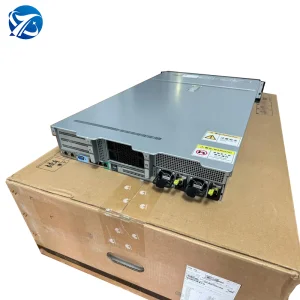
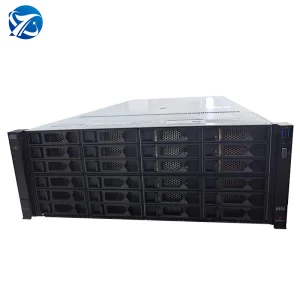
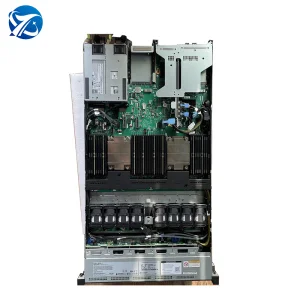
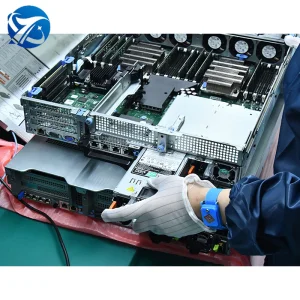
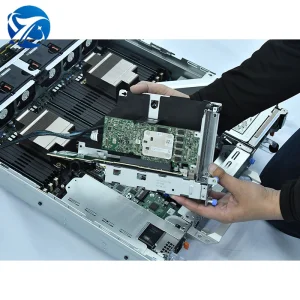
Below are the verified images showing Zyphora's production lines, testing facilities, and assembly environments:
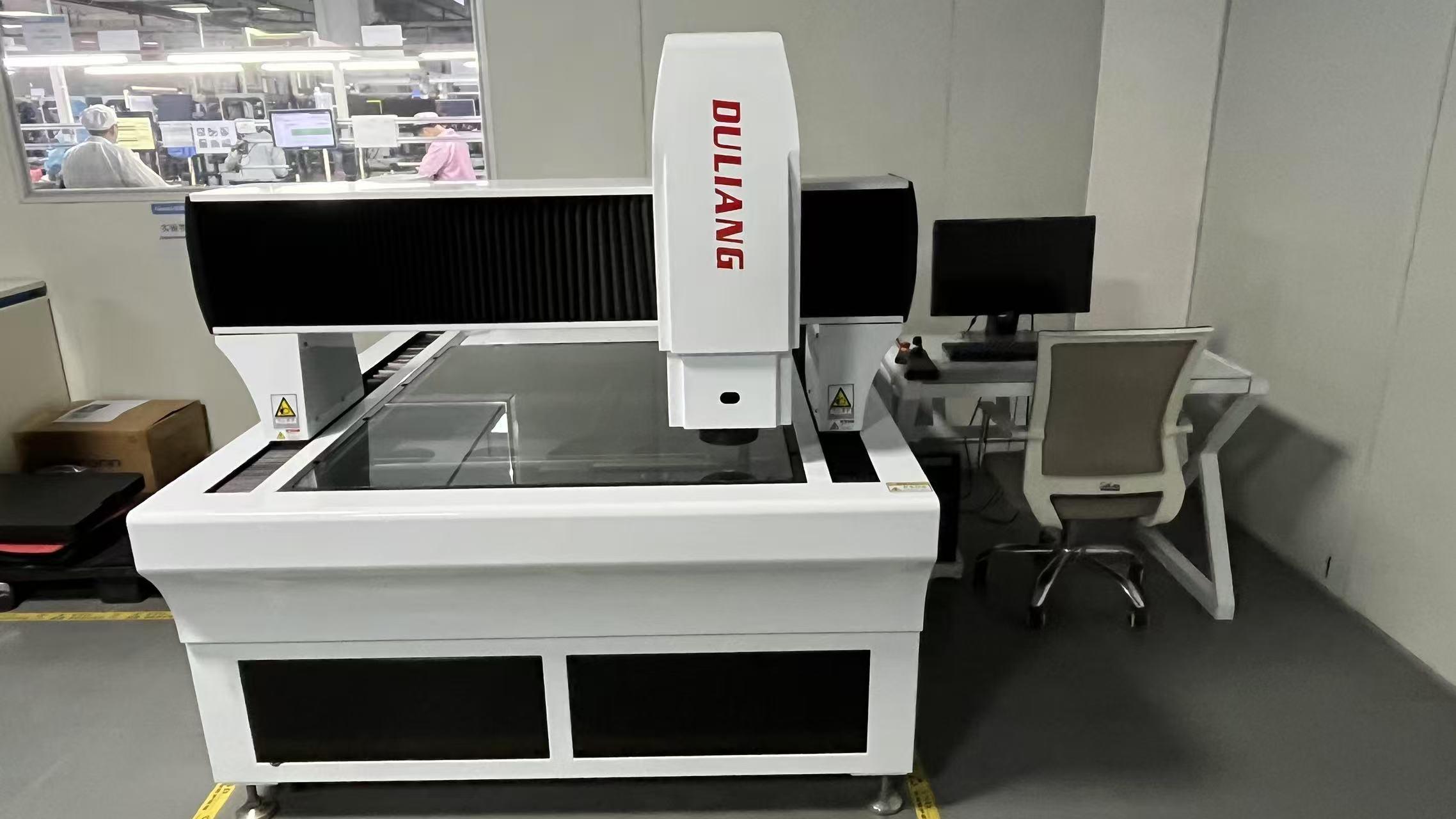
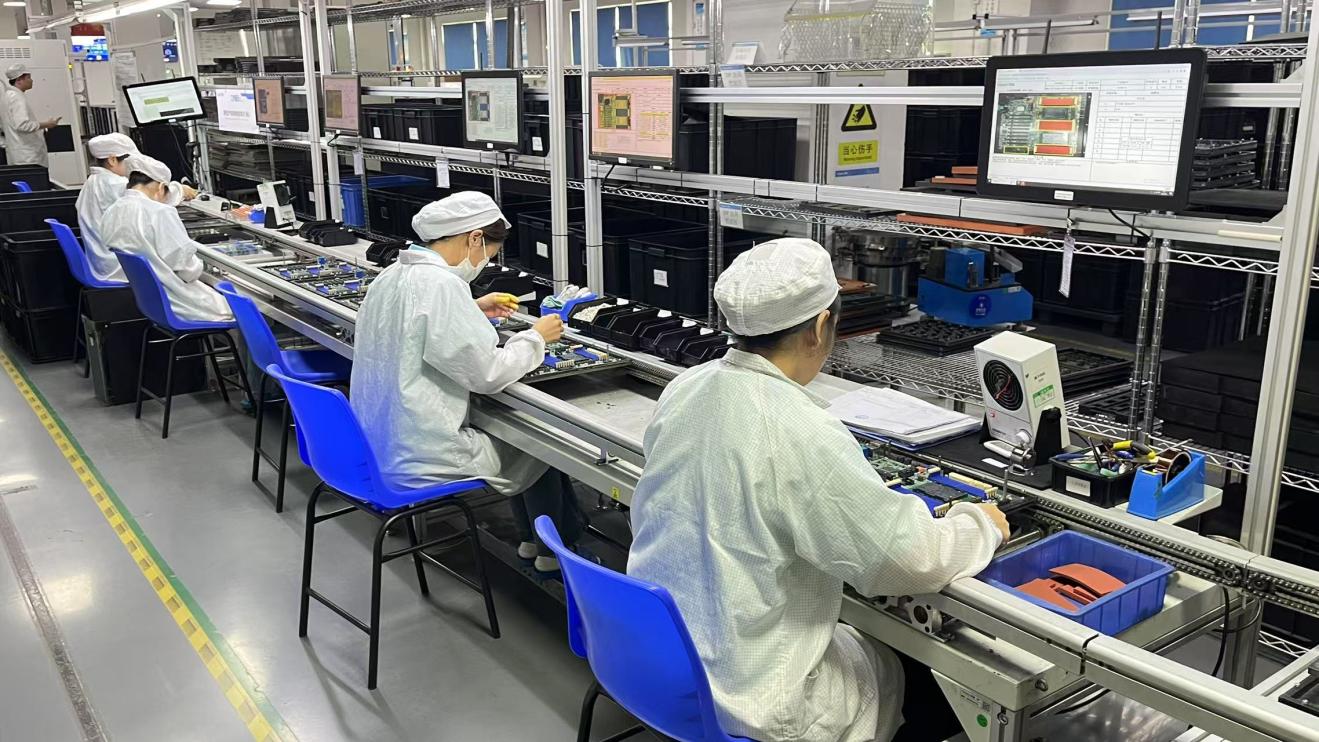
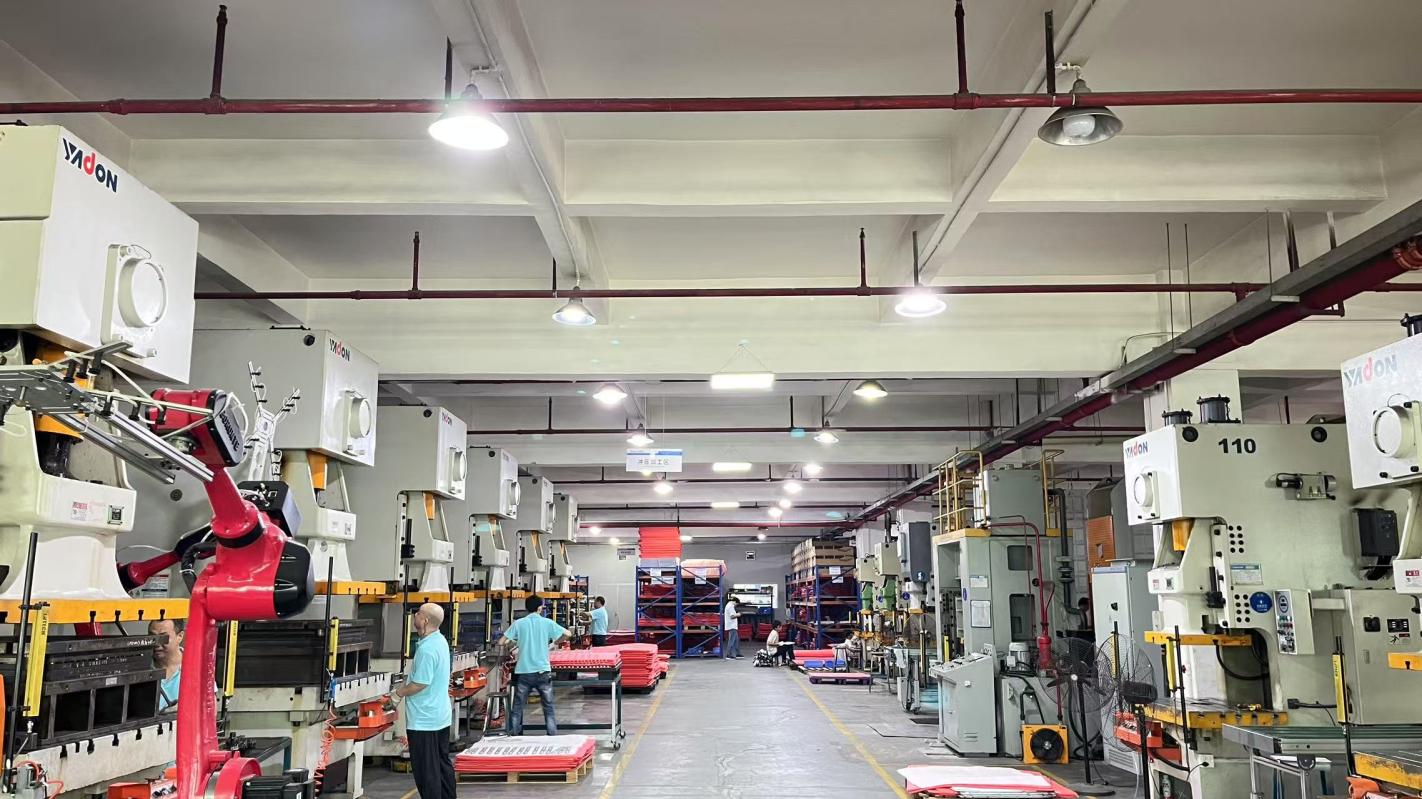
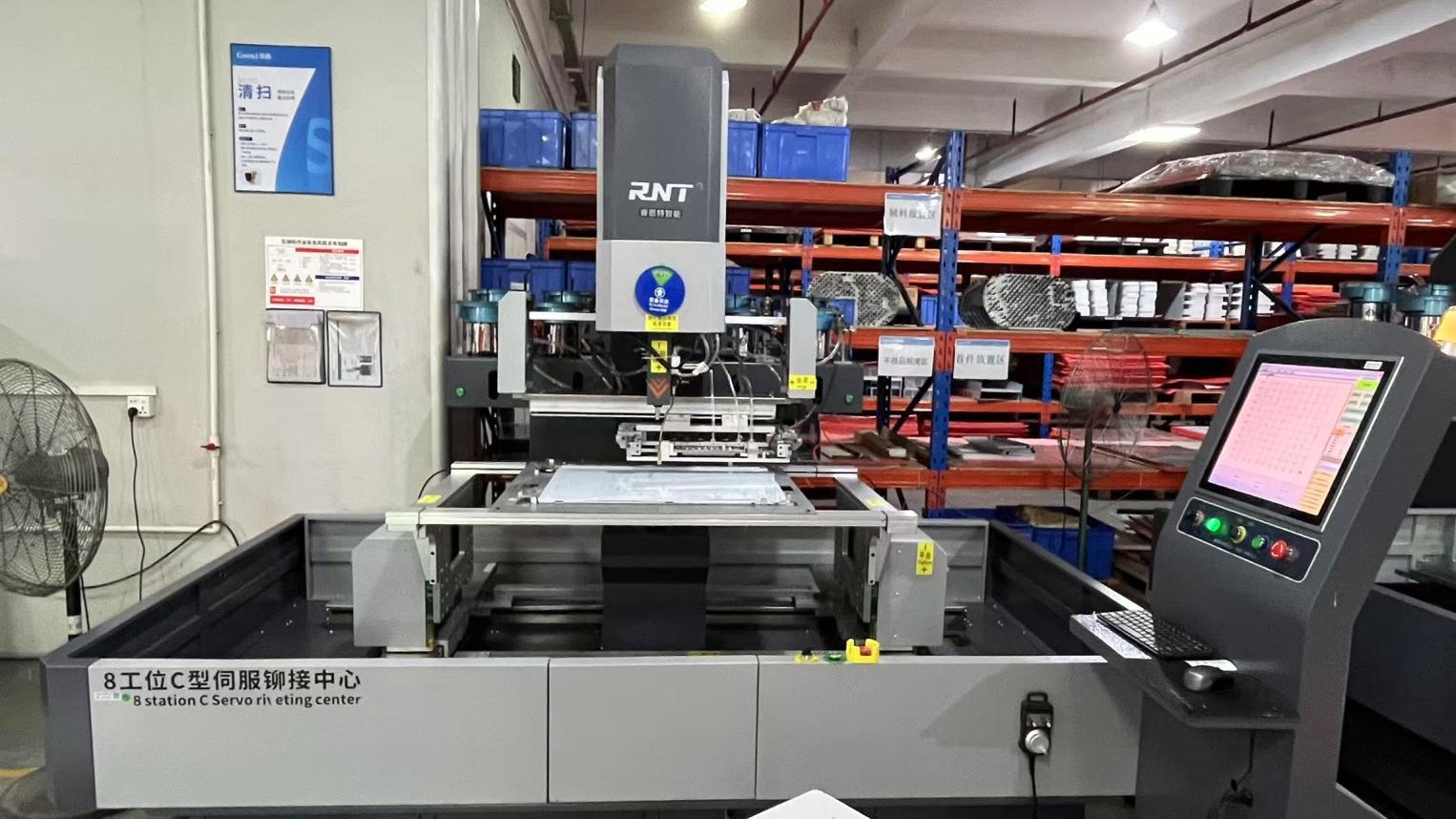
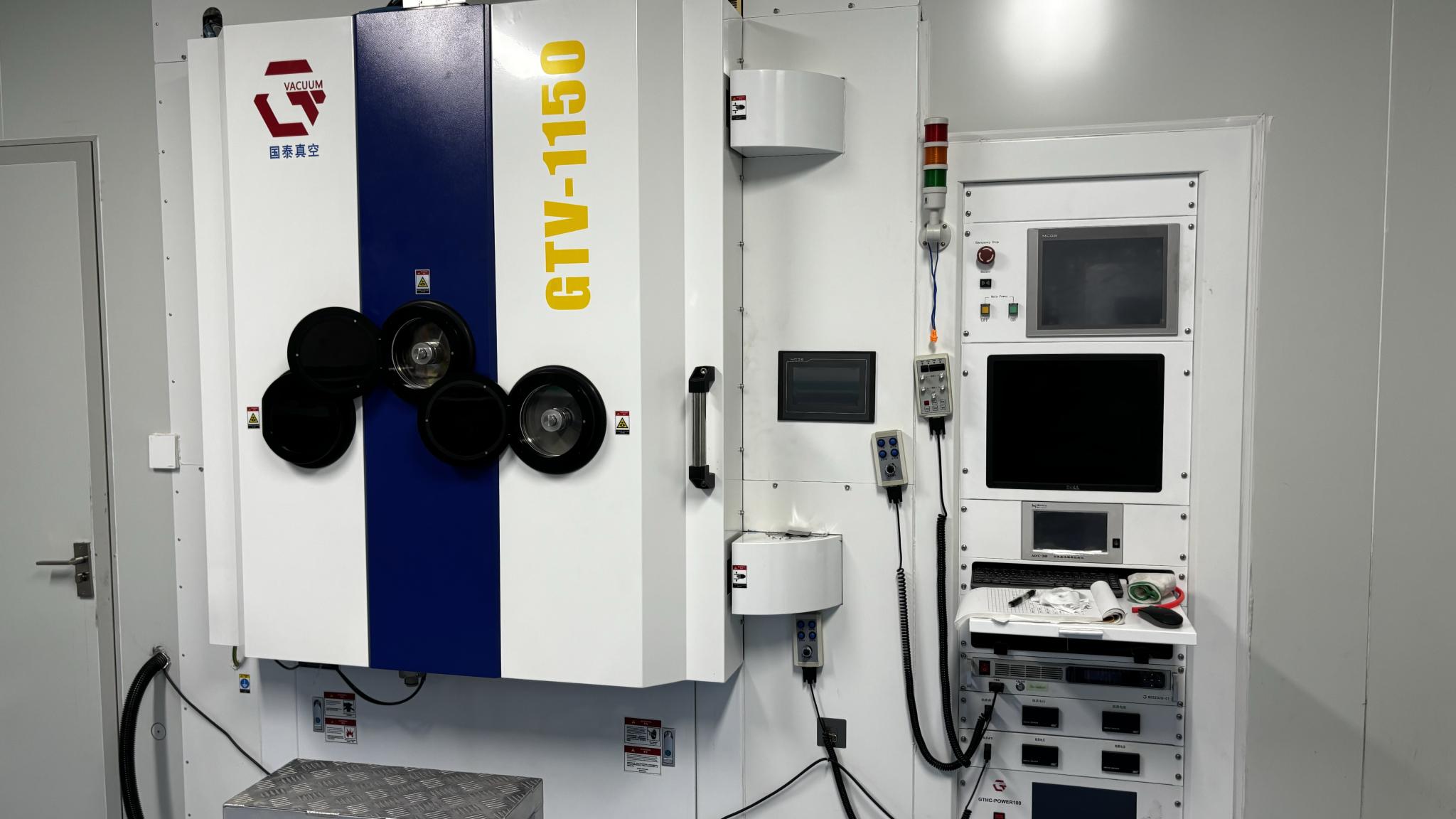
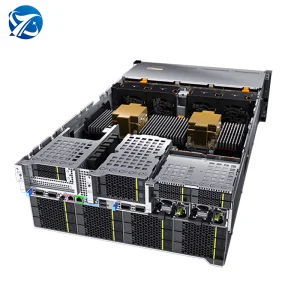
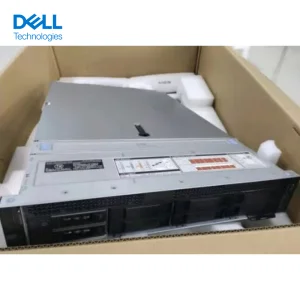
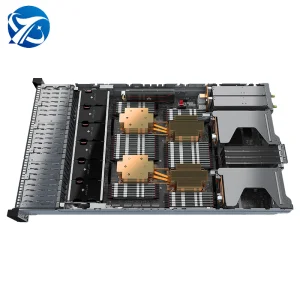
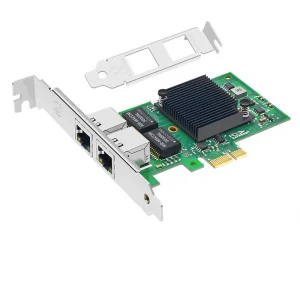
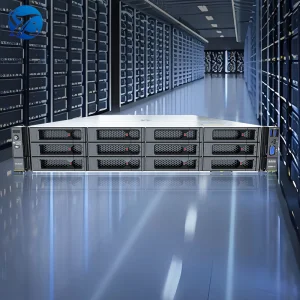
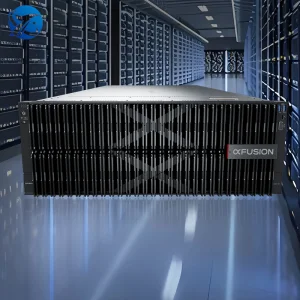
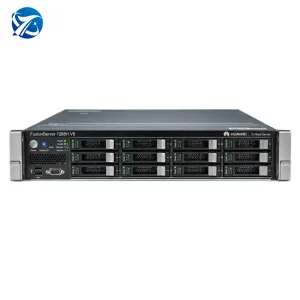
Integrating high-speed storage SSD arrays into AI servers requires careful consideration of thermals and signal integrity. Through co-engineering, Zyphora matches storage subsystems with appropriate server architectures, ensuring that components like PCIe slots, RAID controllers, and NVMe drives operate reliably under continuous loads.
Understanding the key specifications of SSDs helps technical teams make informed purchasing decisions: