Zyphora
Zyphora
Zyphora
Optimized server hardware components configured to deliver predictable IOPS, high-availability virtualization, and seamless hybrid cloud scaling. Check our premier hardware solutions manufactured for absolute compliance and reliability.
As modern enterprises seek to bypass vendor lock-in, eliminate single-point failures, and balance pricing models between public hyperscalers, the demand for modular, high-efficiency, multi-cloud bare-metal infrastructure has reached unprecedented heights.
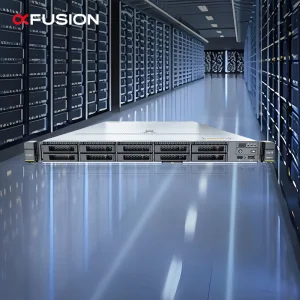
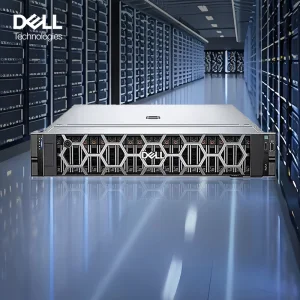
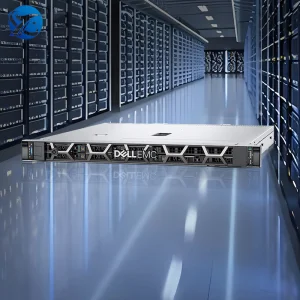
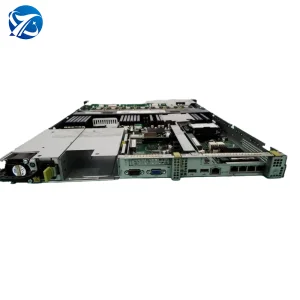
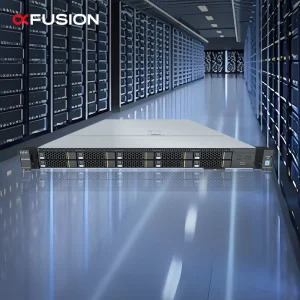
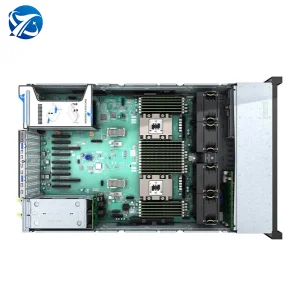
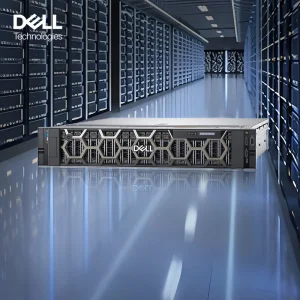
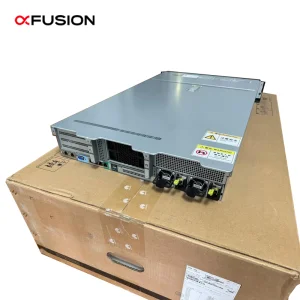
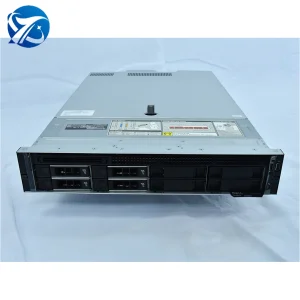
Enterprises require physical servers capable of seamless migration. Standardizing on high-density 1U/2U architectures like the 1288H V7 and PowerEdge R760 series enables uniform containerized orchestration across hybrid and edge environments.
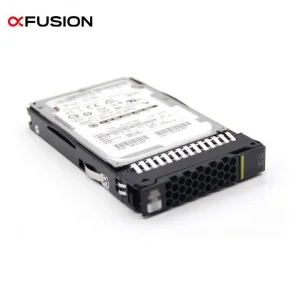
To limit costly egress fees from public clouds, procurements favor local tier-1 storage nodes using hybrid PM897 Enterprise SSDs and SAS3808 controllers, striking an ideal balance between performance, caching, and unit costs.
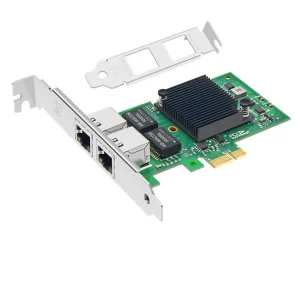
Modern multi-cloud models rely on localized hardware security modules. System designs demand RAID controller configurations (such as the 9540-8i PCIe 4.0 card) with robust local firmware validation to prevent hardware-level data breaches.
Procurement directors are shifting focus toward open-compute standards and highly flexible hardware systems. By partnering with dedicated production facilities like Zyphora, corporations secure stable OEM/ODM sourcing contracts that mitigate typical 16-to-24-week component supply chain bottlenecks.
Bridging the gap between software orchestration layers (Kubernetes, VMware Tanzu, OpenStack) and localized, high-performance physical server configurations.
| Vertical Market | Architectural Challenge | Bare-Metal Infrastructure Solution | Multi-Cloud Integration Strategy |
|---|---|---|---|
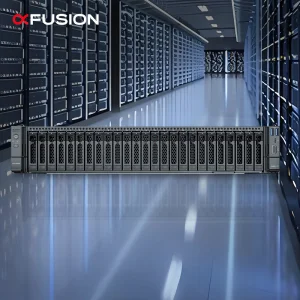
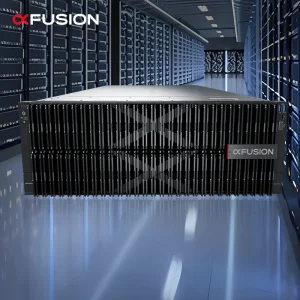
| Fintech & Banking | Strict regulatory audits, microsecond latency requirements, transaction processing. | FusionServer 2488H V7 (4-socket, high memory density) & enterprise SSD arrays. | Private core database synchronized with public clouds for risk-analysis workloads. |
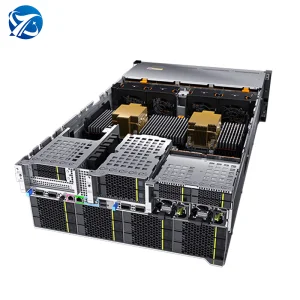
| AI Research & LLMs | Massive computational throughput, dynamic GPU memory mapping, DeepSeek/LLM scaling. | High-performance GPU servers, high-wattage redundant PSUs (2000W+). | Distributed model training on-prem; inferencing served globally via public edge clouds. |
| Industrial Automation | Harsh edge environments, massive IoT sensor ingestion, predictive maintenance. | 1U/2U short-depth server nodes with hardware-level RAID 0/1/JBOD systems. | Local data preprocessing at factory floor; aggregated data telemetry pushed to AWS/Azure. |
| E-Commerce & Retail | Extreme peak traffic variations (Black Friday), distributed inventory state systems. | Intel Xeon Scalable nodes configured with hot-swappable dual-redundant power modules. | Dynamic workload bursting from private cloud clusters to regional public clouds. |
The convergence of edge computing, machine learning operations (MLOps), and multi-cloud environments dictates the next generation of physical server specifications.
Transitioning data center fleets to DDR5-compatible computing nodes (e.g., PowerEdge R760XD2 and FusionServer V7 Series) to multiply memory bandwidth. Eliminating bottlenecks between virtualized layers and fast physical drives using SAS3808 boot-cards and high-speed PCIe 4.0/5.0 RAID setups.
As CPU and GPU TDP exceed 350W and 700W respectively, air cooling reaches its thermodynamic limit. Server factories will shift toward pre-integrated cold-plate liquid cooling modules at the factory level, allowing reliable operations inside dense hybrid-cloud modular data pods.
Hardware layers will incorporate smart Out-Of-Band (OOB) edge management controllers capable of reporting structural component telemetry directly to cloud hypervisors. Predictive hardware failure detection (e.g. SSD block wear, fan bearing vibration) will automate VM migration across clouds before hardware failures happen.
Understanding the macro forces governing computing supply chains, custom ODM hardware fabrication, and localized delivery logistics.
The global semiconductor market has changed dramatically. Relying on single-cloud providers poses a catastrophic risk to enterprise continuity. Multi-cloud deployment models require a distributed architecture where physical hardware acts as the baseline.
Furthermore, the explosion of demand for generative AI models, such as DeepSeek, has caused global GPU shortages. In response, leading companies are acquiring robust CPU/GPU server frames directly from custom manufacturers to ensure their private workloads can balance seamlessly with cloud instances.
Having dedicated supply partnerships with agile factories located in production hubs like Shenzhen, China, allows international buyers to source customized racks, custom BIOS/Firmware flashing, and custom OEM branding without having to accept long delays from tier-1 global distributors.
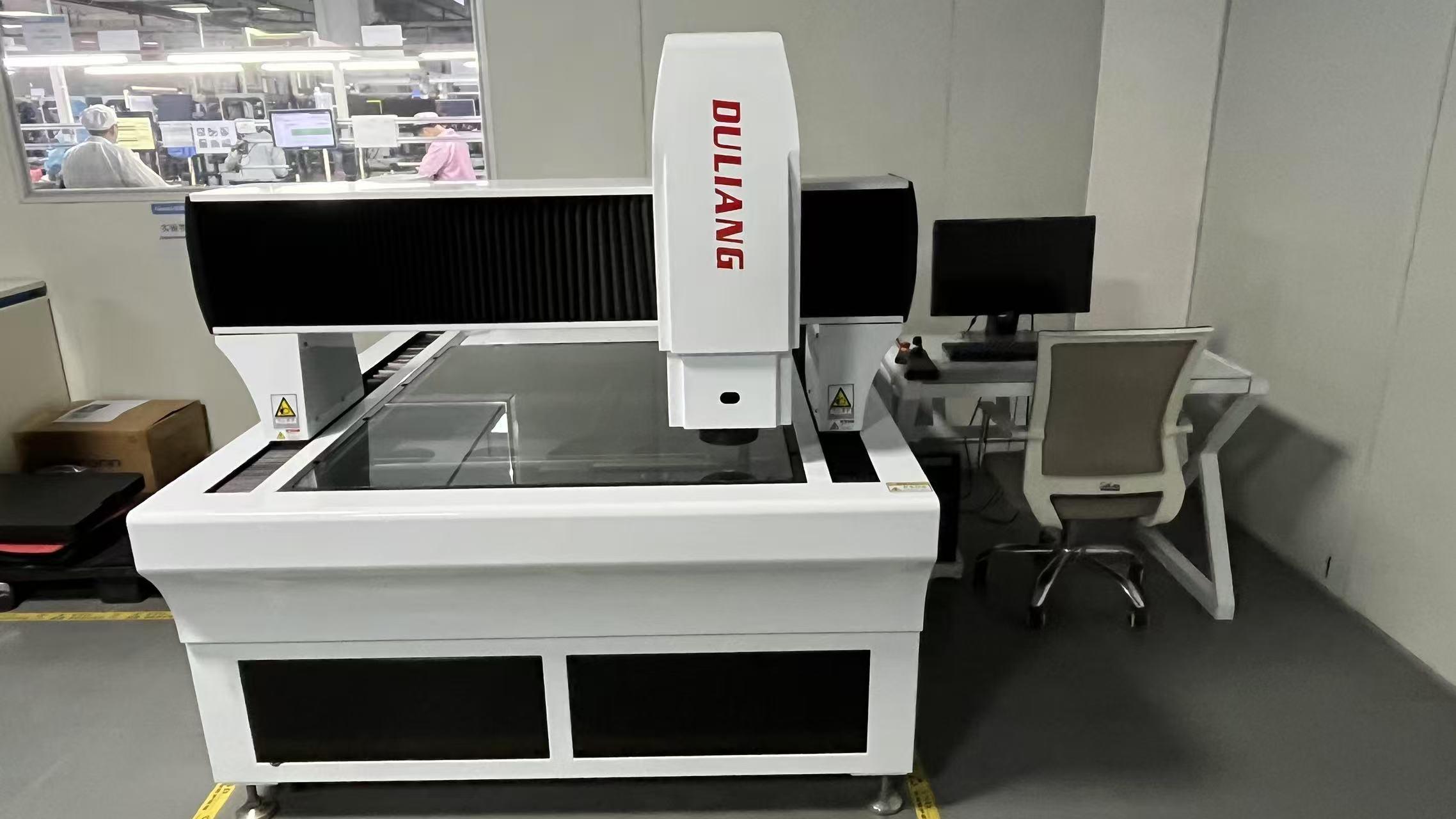
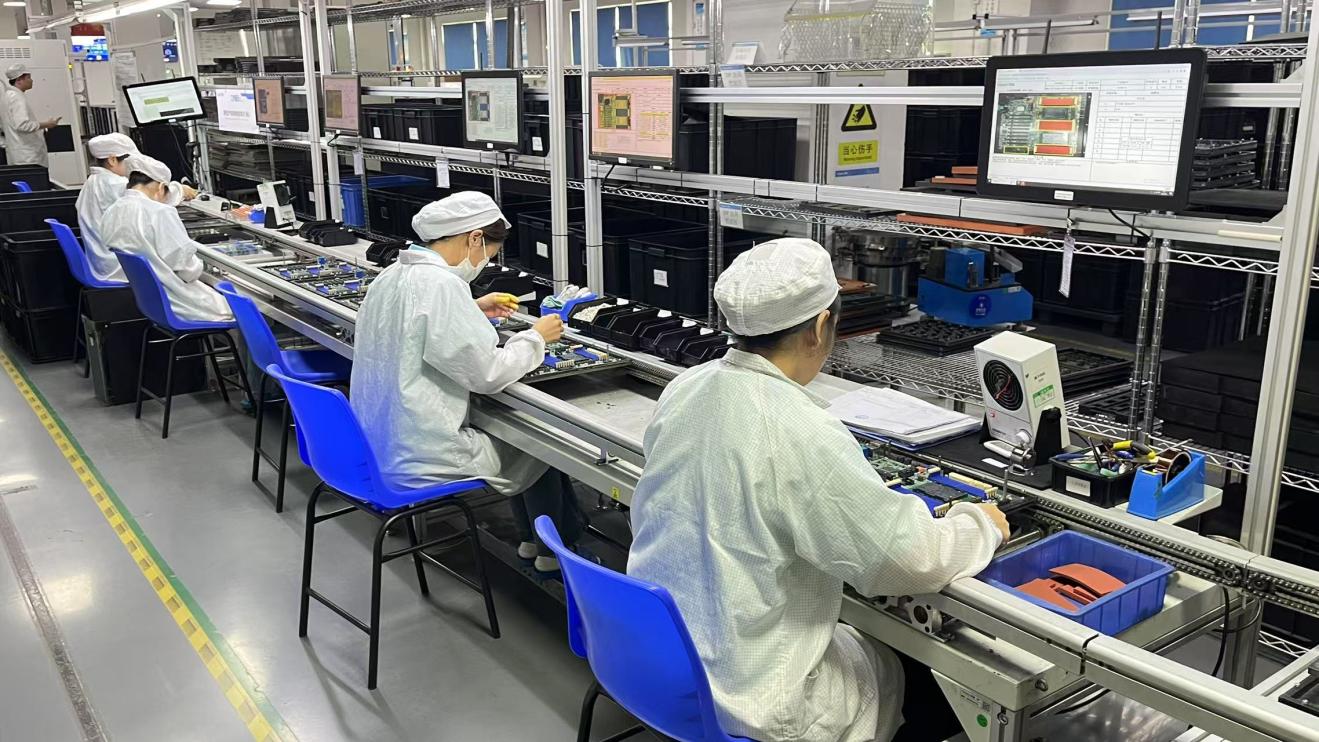
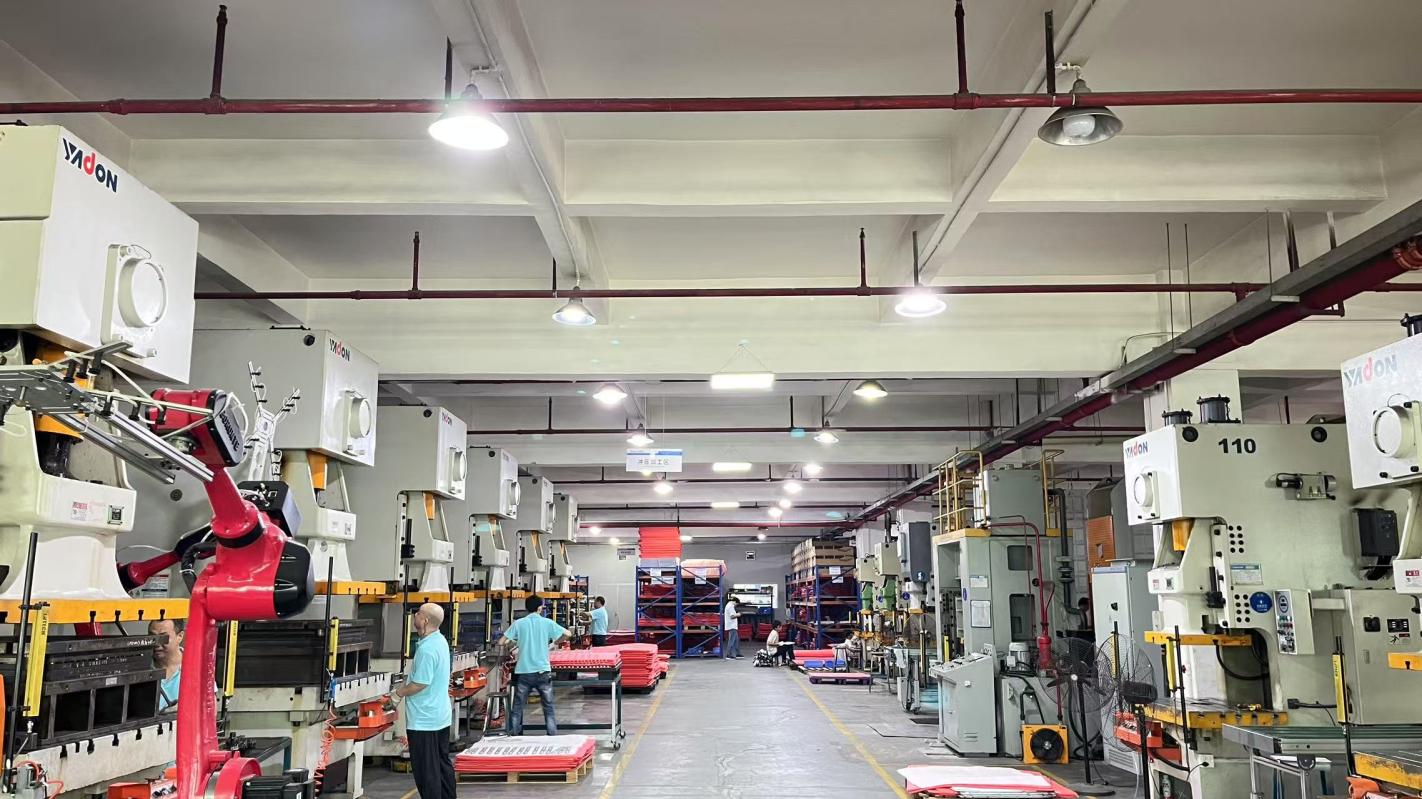
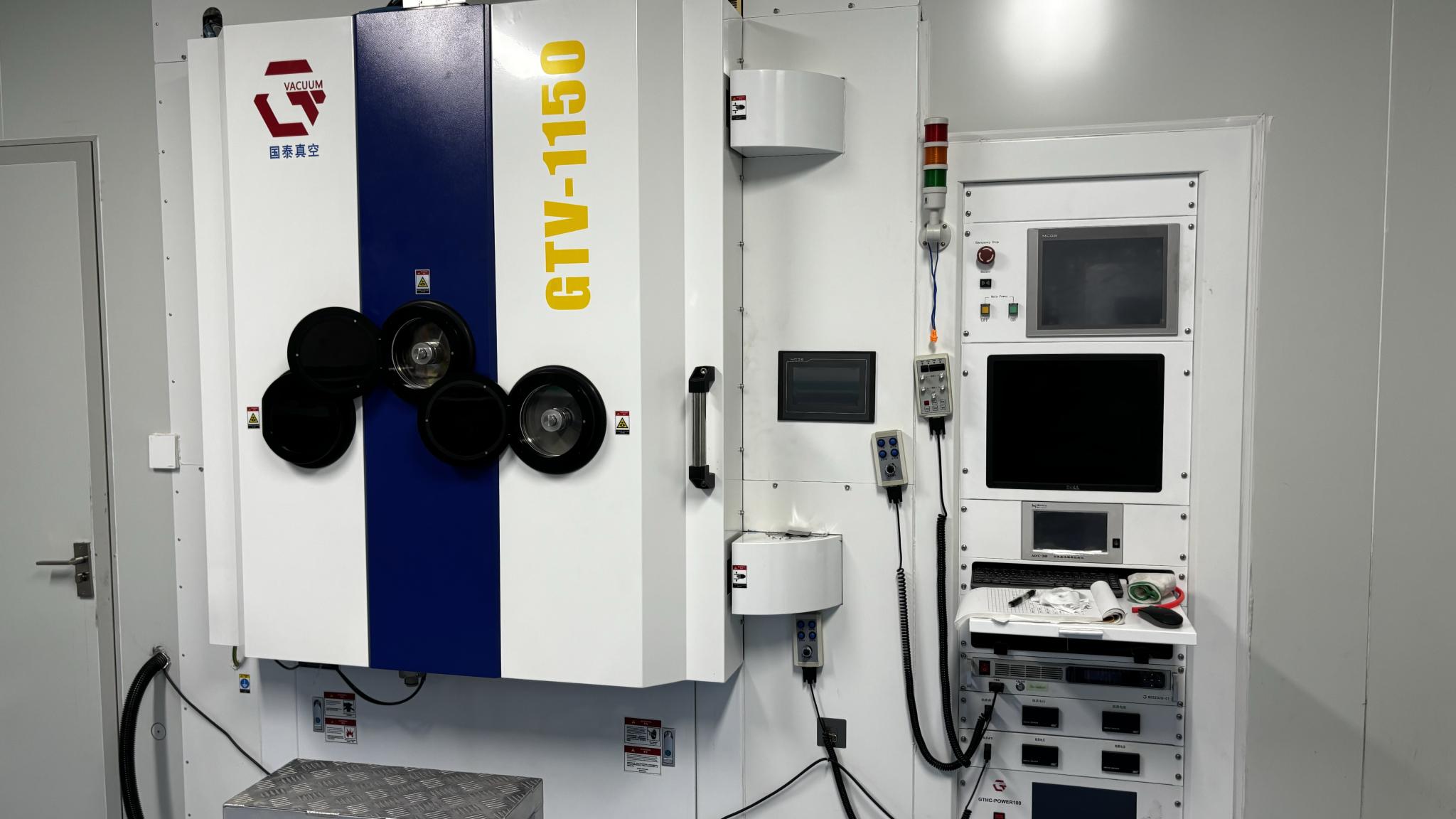
Founded in 2017, Zyphora is a professional manufacturer and global supplier of AI GPU servers, high-performance computing systems, and customized data center solutions. Headquartered in Shenzhen, China, the company operates a modern production facility covering 386 square meters and serves customers across North America, Europe, Southeast Asia, and the Middle East.
With annual export revenue exceeding USD 18 million, Zyphora has built a strong reputation in the AI computing infrastructure industry through continuous innovation, reliable product quality, and customer-focused service. Our team brings over 12 years of industry experience and 7 years of export expertise, enabling us to support clients worldwide with efficient project delivery and professional technical assistance.
Zyphora specializes in AI GPU servers, GPU workstations, rackmount servers, storage servers, and customized computing solutions for artificial intelligence, machine learning, cloud computing, and high-performance computing applications. Supported by a robust supply chain network of more than 1,200 qualified partners, we ensure stable sourcing, flexible production, and rapid delivery.
Quality is at the core of everything we do. Our products undergo comprehensive reliability testing, thermal performance evaluation, burn-in testing, and functional inspections throughout the manufacturing process. A dedicated quality control team of 42 professionals ensures that every product meets strict international standards before shipment.
Innovation drives our growth. Our R&D department consists of 86 experienced engineers specializing in server architecture, thermal management, hardware integration, and AI infrastructure optimization. Each year, we introduce more than 120 new products and upgraded solutions to meet the evolving demands of global customers.
Zyphora offers comprehensive OEM and ODM services, including hardware customization, chassis design, branding, firmware configuration, and system integration. Our flexible manufacturing capabilities enable us to provide tailored solutions for cloud service providers, AI startups, research institutions, system integrators, data center operators, and enterprise customers. Guided by the principles of quality, innovation, and customer success, Zyphora is committed to delivering advanced AI computing infrastructure that empowers organizations to accelerate digital transformation and unlock the full potential of artificial intelligence.

Operating across borders requires deep alignment with safety standards, trade directives, and global data privacy frameworks.
Our systems support configurations featuring localized encryption modules and dedicated enterprise solid-state storage to guarantee regional client data remains in-country, meeting compliance standards for European clients.
By offering customization options with components manufactured in approved countries, Zyphora allows public sector procurers in the US and Canada to qualify for federal bids and defense sector contracts.
Enterprise deployments do not sleep. We offer tier-3 engineering support desk availability across multiple time zones, backed by regional parts hubs for hot-swappable drives, RAID controllers, and memory kits.
Expert technical answers regarding server hardware sourcing, compatibility, and integration for multi-cloud deployments.
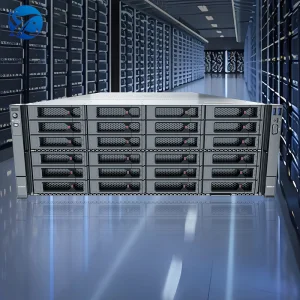
Select from our extensive product catalog of high-density computational systems, rackmount storage frames, and deep-learning infrastructure arrays.