Zyphora
Zyphora
Zyphora
Explore our cutting-edge AI cluster backbone nodes, low-latency distribution systems, and enterprise storage switches.
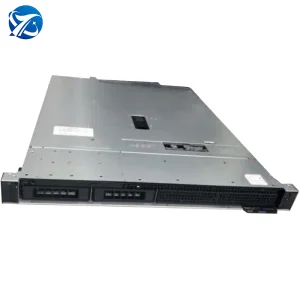
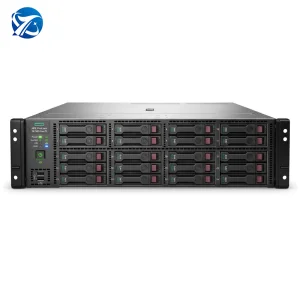


Analyzing how artificial intelligence, cloud architectures, and next-generation protocols are forcing the transition to multi-gigabit routing systems.
The global digital transformation has shifted from general-purpose cloud computing to specialized high-density AI processing. Today, high-speed network switches (specifically 100G, 400G, and 800G platforms) represent the true backbone of this transition. Enterprises can no longer rely on legacy copper topologies; modern inference clusters running large language models like DeepSeek or Llama-3 require massive bandwidth and zero-loss optical fabric topologies.
Export markets have seen unprecedented demands for high-throughput Ethernet and InfiniBand-compatible switches, primarily coming from data center hubs in North America, Northern Europe, and Southeast Asia. As a premier provider of hardware, Zyphora aligns its engineering standards with international telecommunication mandates to deliver predictable packet transmission latency even under peak computational loads.
"High-speed switching is not just about raw bandwidth; it's about minimizing congestion and preventing packet drops at the hardware level, especially when clustering hundreds of GPUs together."
Several underlying movements drive the present sourcing habits of tier-1 and tier-2 data centers:
An objective, deep architectural breakdown of core technologies powering high-performance hardware interfaces today.
| Architecture Metric | Legacy Ethernet (10G/40G) | Modern RoCEv2 Ethernet (100G/400G) | InfiniBand NDR/HDR | Next-Gen Silicon CPO (800G+) |
|---|---|---|---|---|
| 10 - 20 Microseconds (µs) | 1.2 - 2.5 Microseconds (µs) | Sub-0.6 Microseconds (µs) | Sub-0.4 Microseconds (µs) | |
| TCP Flow Control (Lossy) | PFC / ECN (Lossless profile) | Hardware Credit-Based (Lossless) | Dynamic AI-Orchestrated Congestion Control | |
| NRZ Modulation / Copper DAC | PAM4 / Active Optical Cable (AOC) | Dedicated Optical Adapters | Co-Packaged Optics (CPO) / Silicon Photonics | |
| Broadcom Trident II / Legacy | Broadcom Tomahawk 3/4, Trident 4 | NVIDIA Quantum-2 | Tomahawk 5 / Custom Silicon Integrations |
In high-speed AI cluster deployments, traditional TCP/IP networks fail due to high packet processing overhead. RDMA over Converged Ethernet (RoCEv2) resolves this by utilizing Priority Flow Control (PFC) and Explicit Congestion Notification (ECN) to simulate a lossless environment over standard physical Ethernet connections. Conversely, InfiniBand relies on credit-based flow control at the link layer, ensuring packets are only sent if the receiving buffer has the space. This guarantees zero packet loss and minimal jitter, but introduces higher initial infrastructure costs.
Ultra-Low Port-to-Port Latency
Max Interface Speeds Supported
Annual Upgraded Solutions
Burn-In Testing & Verification
Tailored topologies developed by Zyphora's network architecture experts to address real-world deployment challenges.
Designed for large-scale GPU training setups. Features a non-blocking fat-tree Leaf-Spine topology supporting RoCEv2. By matching high-speed switches directly with multi-node AI GPU servers, we eliminate performance bottlenecks during all-reduce synchronization steps.
For organizations deploying high-availability internal cloud storage networks. Utilizes virtualization overlays (VXLAN) combined with deep-buffer switches to absorb bursty read/write operations from high-density NVMe-oF arrays.
Optimized for processing arrays at the localized edge, where temperatures fluctuate and physical conditions are hostile. Our industrial solutions implement enhanced passive thermal dissipation, dust ingress protection, and rugged chassis components.
A trusted global supplier of computing architectures and reliable structural hardware.
Founded in 2017, Zyphora is a professional manufacturer and global supplier of AI GPU servers, high-performance computing systems, and customized data center solutions. Headquartered in Shenzhen, China, the company operates a modern production facility covering 386 square meters and serves customers across North America, Europe, Southeast Asia, and the Middle East.
With annual export revenue exceeding USD 18 million, Zyphora has built a strong reputation in the AI computing infrastructure industry through continuous innovation, reliable product quality, and customer-focused service. Our team brings over 12 years of industry experience and 7 years of export expertise, enabling us to support clients worldwide with efficient project delivery and professional technical assistance.
Zyphora specializes in AI GPU servers, GPU workstations, rackmount servers, storage servers, and customized computing solutions for artificial intelligence, machine learning, cloud computing, and high-performance computing applications. Supported by a robust supply chain network of more than 1,200 qualified partners, we ensure stable sourcing, flexible production, and rapid delivery.
Quality is at the core of everything we do. Our products undergo comprehensive reliability testing, thermal performance evaluation, burn-in testing, and functional inspections throughout the manufacturing process. A dedicated quality control team of 42 professionals ensures that every product meets strict international standards before shipment.
Innovation drives our growth. Our R&D department consists of 86 experienced engineers specializing in server architecture, thermal management, hardware integration, and AI infrastructure optimization. Each year, we introduce more than 120 new products and upgraded solutions to meet the evolving demands of global customers.
Zyphora offers comprehensive OEM and ODM services, including hardware customization, chassis design, branding, firmware configuration, and system integration. Our flexible manufacturing capabilities enable us to provide tailored solutions for cloud service providers, AI startups, research institutions, system integrators, data center operators, and enterprise customers.
Guided by the principles of quality, innovation, and customer success, Zyphora is committed to delivering advanced AI computing infrastructure that empowers organizations to accelerate digital transformation and unlock the full potential of artificial intelligence.
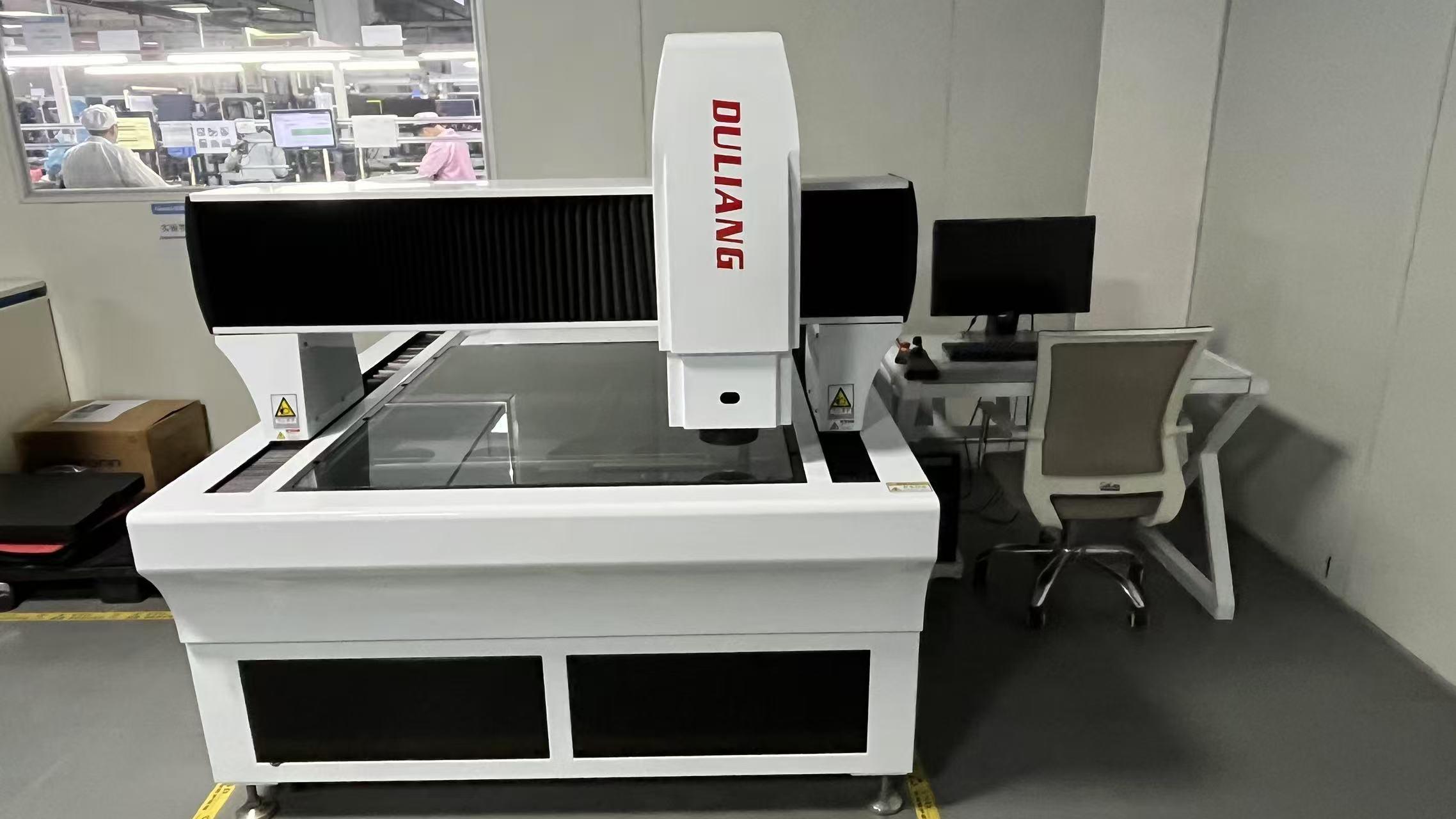
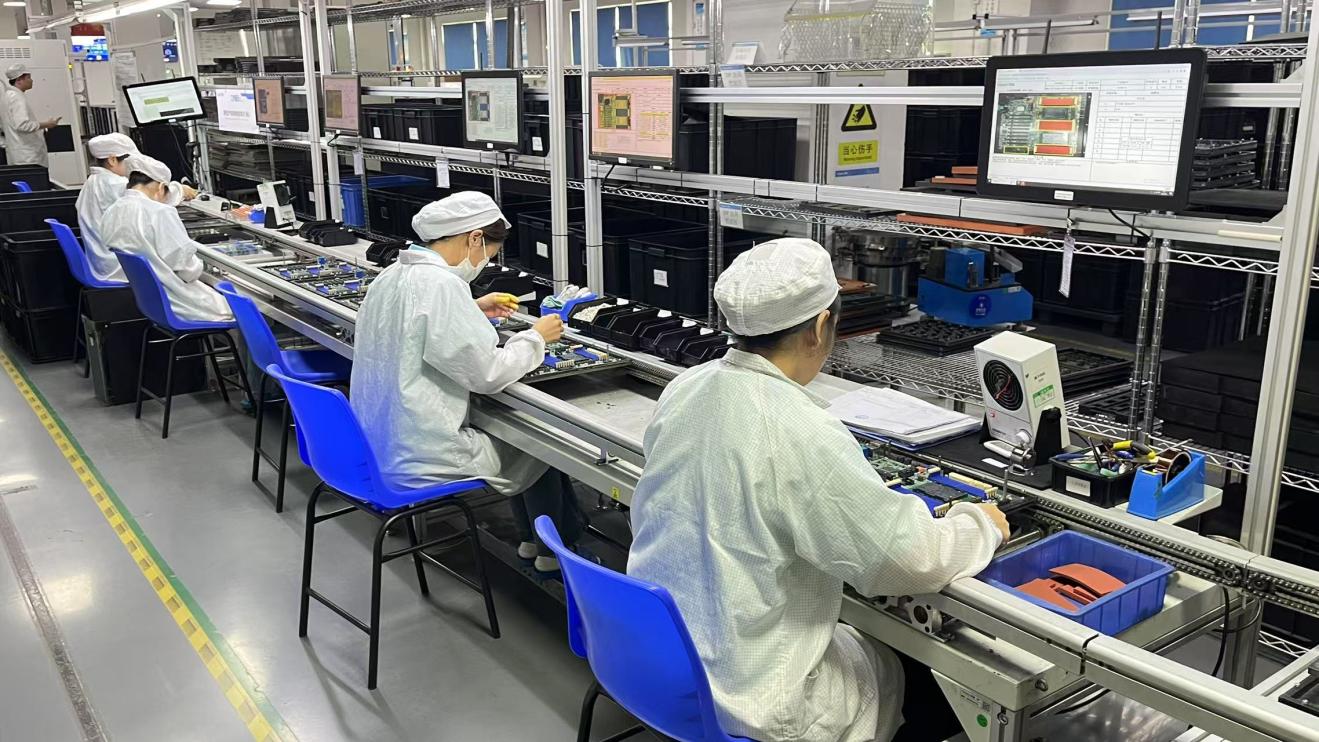
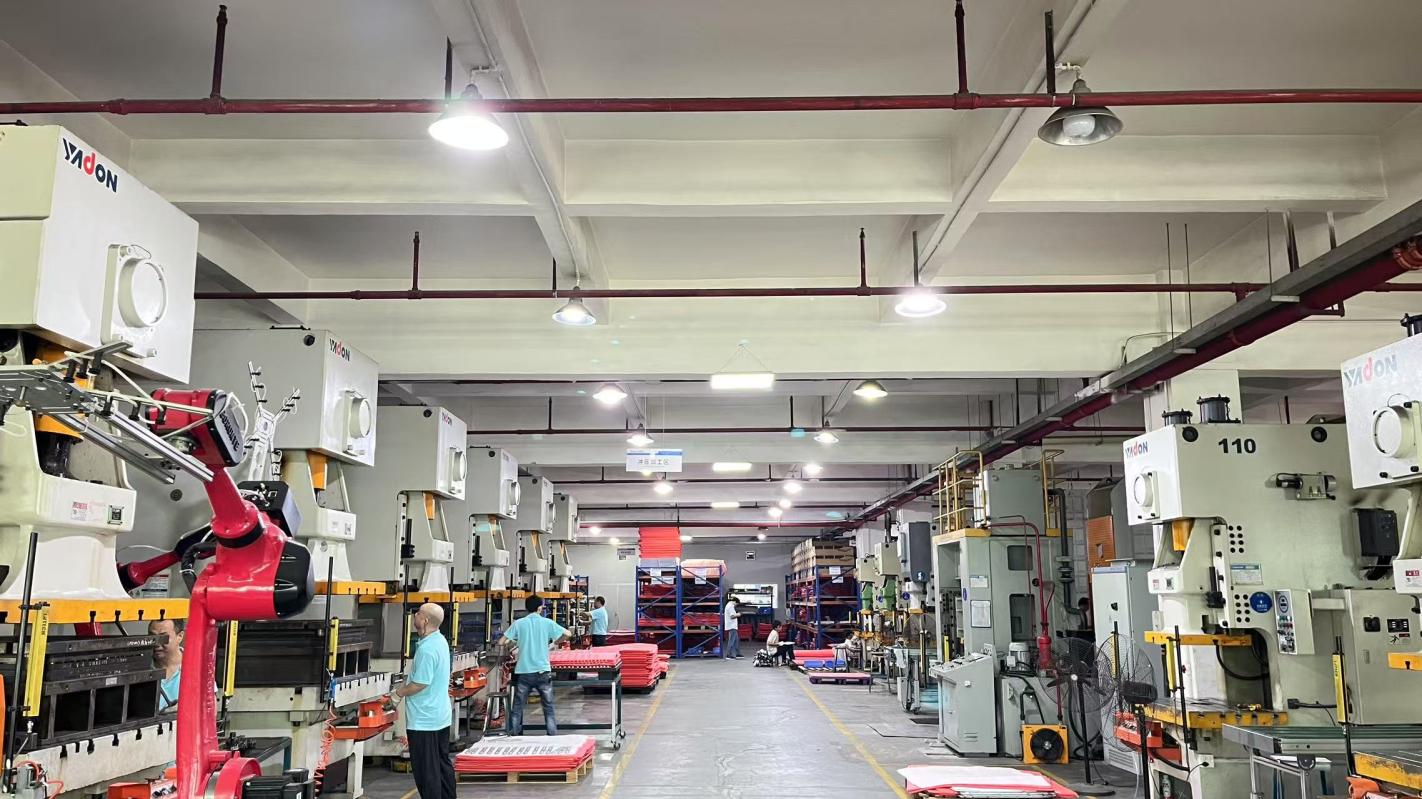

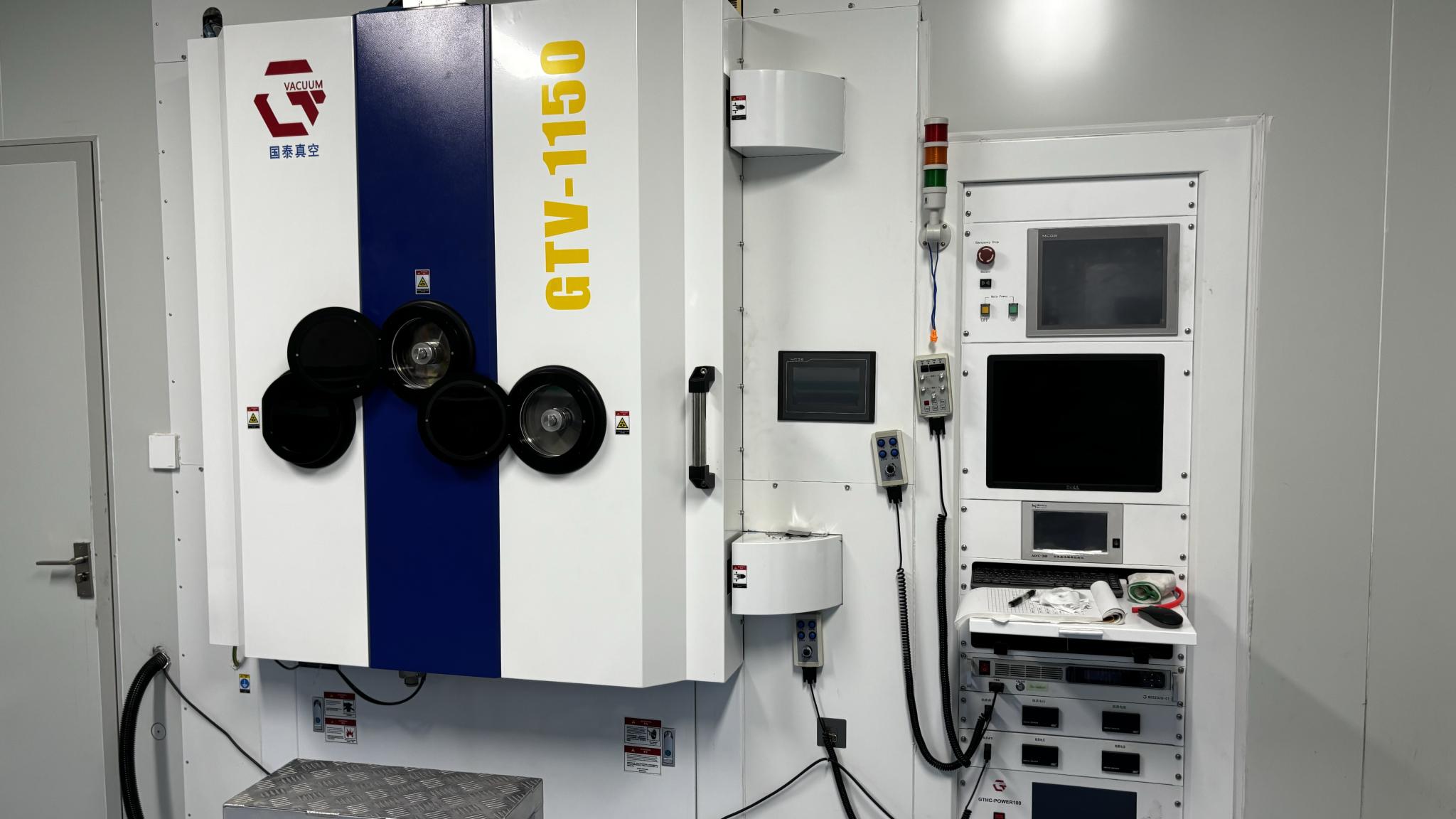
A breakdown of Zyphora's multi-layered validation process that ensures zero-defect delivery across global shipping channels.
Every network interface card (NIC), high-speed switch module, and customized server node undergoes a demanding sequence of performance evaluations. Led by our 42-member Quality Control team, we verify both signaling integrity and power supply efficiency under simulated peak thermal levels.
With an extensive supply network containing over 1,200 qualified component partners, Zyphora manages supply chains proactively to mitigate vendor bottlenecks. Our final products strictly adhere to standard validation guidelines:
Insightful, clear answers addressing user intent, hardware architectures, and deployment options.
Complete your high-speed networking environment with these high-performance host nodes and system components.