Zyphora
Zyphora
Zyphora
Explore our high-performance hardware configurations optimized for enterprise operations, massive scale database systems, and AI GPU workloads.

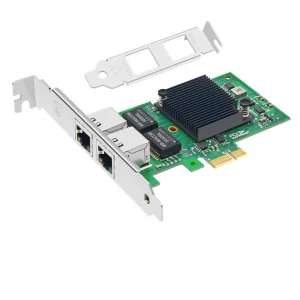
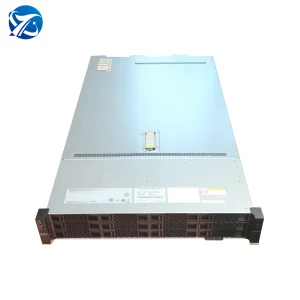
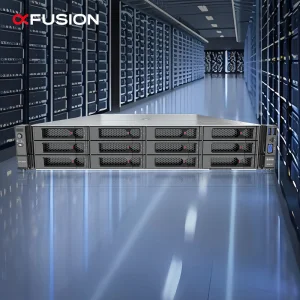
Modern enterprises operate in a digital environment dominated by artificial intelligence (AI), machine learning (ML), high-performance computing (HPC), and distributed data fabrics. As a result, standard storage architectures are shifting from simple passive data deposits to intelligent, software-defined, hyper-converged hubs. The globalization of business operations mandates storage solutions that not only boast high data capacities but also provide extremely low latency, massive throughput, and military-grade reliability.
With NVMe-oF (NVMe over Fabrics) and PCIe Gen5 interfaces, storage servers are achieving latency profiles measured in microseconds rather than milliseconds, solving standard bottleneck constraints in critical database systems.
Modern layouts separate physical storage from management layers. Technologies like Ceph, Lustre, and distributed NAS setups give operators granular, cloud-like provisioning control on bare-metal architectures.
Dynamic hardware RAID controllers (such as the SAS3908 and XC470C-M-8i cards) process high-performance computations locally, protecting raw data through real-time replication and encryption without taxing the host CPU.
Data creation speeds are outstripping processing capacities, forcing hardware manufacturers to optimize drive density and thermal efficiency. Key development vectors include:
| Server Profile | Primary Storage Array Options | Ideal Application Intent | Performance & Scale Focus |
|---|---|---|---|
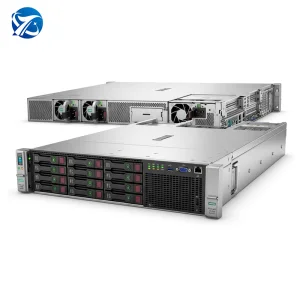
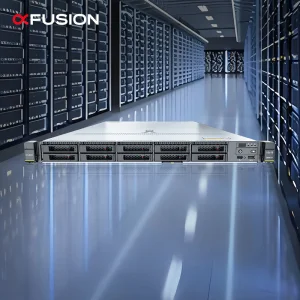
| 1U Dense Rack (e.g., DL360 Gen11) | Up to 10 SFF SAS/SATA/NVMe drives | Edge virtualization, web serving, database indexing | High compute density per rack unit, optimized for minimal space |
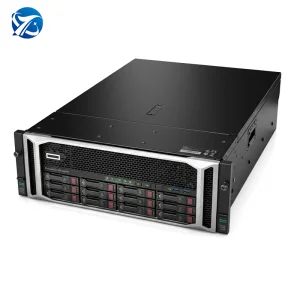
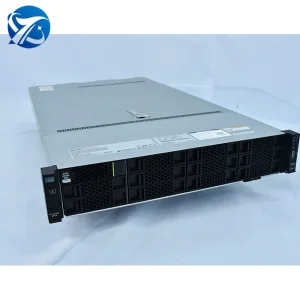
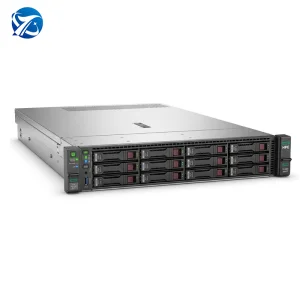
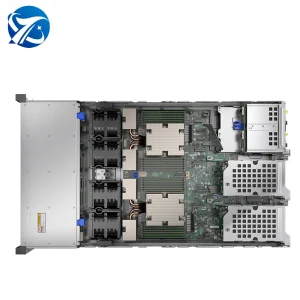
| 2U Standard Storage (e.g., 2288H V7) | Up to 25x 2.5" or 12x 3.5" hot-swappable drives | Distributed NAS, high-capacity hybrid cloud platforms | Optimal balance between compute resources, raw storage space, and PCIe expansion |
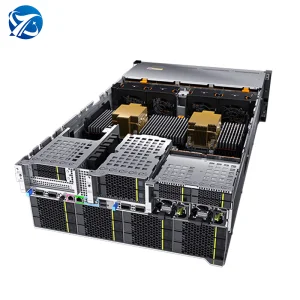
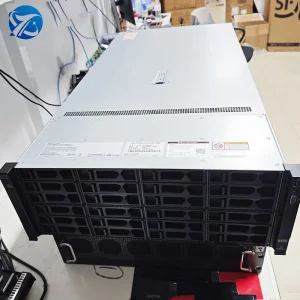
| 4U/8U High-Density GPU (e.g., G8600 V7) | High-capacity NVMe drive pools combined with GPU arrays | Deep learning, LLM model training (DeepSeek), AI analytics | Maximum PCIe lane availability for GPU interconnects with high-speed local cache storage |
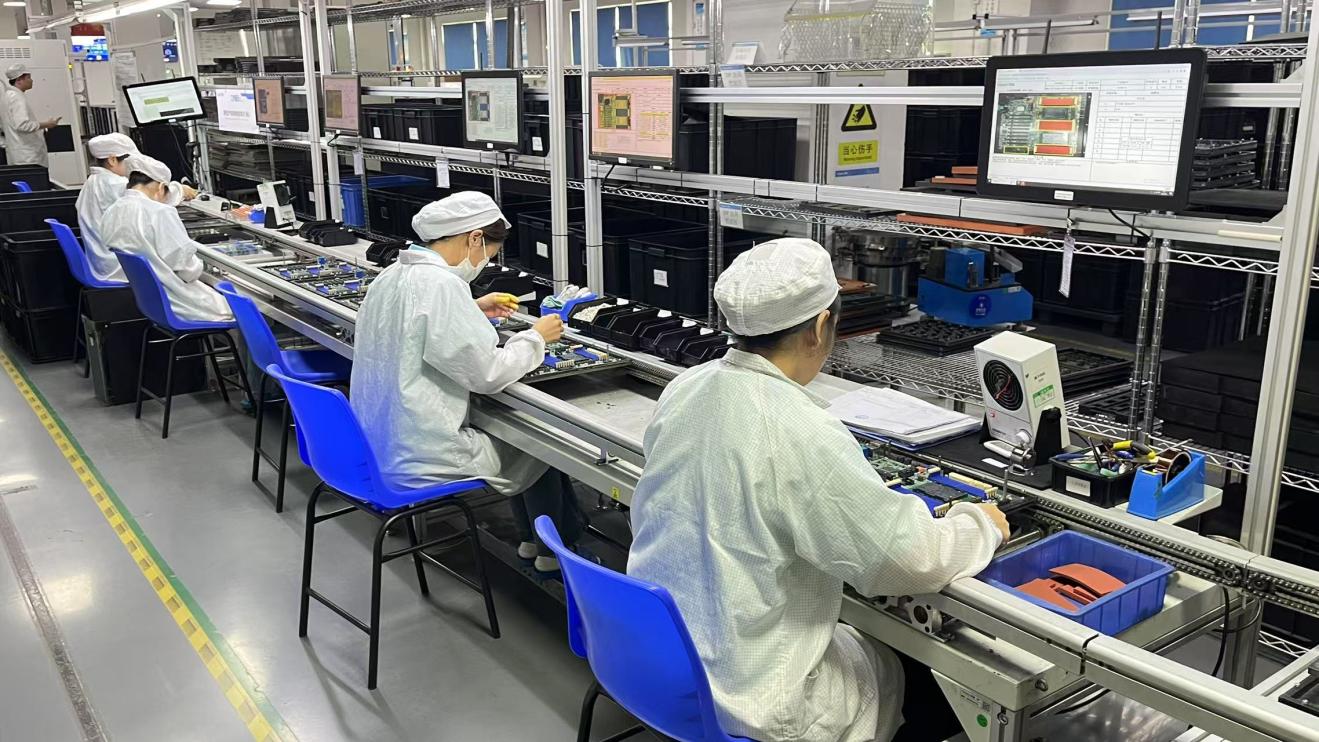
Founded in 2017 in Shenzhen, China, Zyphora has established itself as an expert manufacturer and global provider of high-performance computing, AI GPU server setups, and customized storage solutions. Our state-of-the-art production hub covers 386 square meters and serves as the epicenter for strict testing, assembly, and quality verification workflows.
Backed by more than 12 years of industry experience and 7 years of specialized global export history, our team helps organizations navigate the complexities of data center hardware procurement. We bridges the gap between raw hardware manufacturing and application-specific performance optimization.
Quality and stability are cornerstones of our enterprise mission. Through a robust supply chain network containing over 1,200 verified partner manufacturers, Zyphora guarantees sourcing stability, customized component agility, and rapid production cycles even under challenging global hardware supply conditions.
Our operational framework is fine-tuned to deliver reliable, enterprise-grade data hardware directly to mission-critical platforms.
Data hardware is not a one-size-fits-all product. The operational environment dictates the configuration of the network controller, drive bay density, processor selection, and caching architecture. Below are the key scenarios where Zyphora's enterprise solutions provide high reliability:
Training large models requires continuous streaming of massive datasets from storage arrays to GPU clusters. Solutions like the FusionServer G8600 V7 8U GPU Server are built to support high-throughput, low-latency data streams, eliminating I/O storage bottlenecks during training epochs.
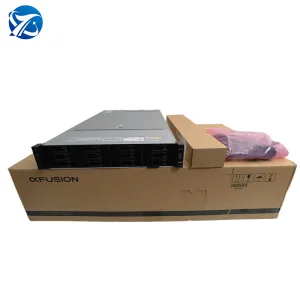
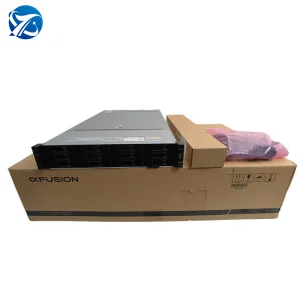
Dynamic cloud platforms hosting virtualized systems require adaptive, high-density storage arrays. Incorporating servers like the xFusion 2288H V7 2U Server (configured with 25*2.5-inch drive paths) ensures consistent uptime, rapid VM replication, and ample growth space.
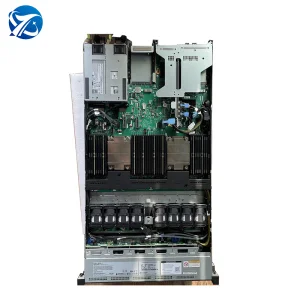
Telecom nodes and regional data processing loops operate under strict space, power, and thermal constraints. The 1U rack profile of the HPE DL360 Gen11 server allows high-capacity storage deployment inside tight rack installations, providing local compute capabilities with minimal footprint.
As a leading supplier of enterprise storage from China, Zyphora commits to a strict engineering roadmap designed to keep your infrastructure ahead of evolving technological demands. Our R&D team continuously refines system architectures to optimize overall cost-to-performance metrics, thermal footprints, and software compatibility layers.
Every piece of data hardware, from motherboard controllers to standard drive caddies, undergoes a series of strict verification loops overseen by our 42 QC professionals before leaving our facility:
Our engineering division targets key storage and processing goals to address future enterprise data demands:
Have technical questions regarding our hardware architecture, configurations, or shipping procedures? Find answers below from our hardware engineering specialists.
The primary trade-offs are space efficiency and overall expansion capacity. A 1U rack server optimizes spatial density, making it ideal for compute-heavy workloads or edge data centers where rack footprint is limited. A 2U server (e.g., xFusion 2288H V7) offers deeper drive bays, allowing up to 25x 2.5-inch or 12x 3.5-inch drives, plus more PCIe expansion slots for dedicated RAID cards, network interface adapters, and acceleration cards.
The XC470C-M-8i is an enterprise-grade hardware RAID controller powered by the SAS3908 chipset. It features 4GB of onboard cache to handle read/write tasks directly, offloading this processing from the host CPU. By managing RAID levels (including RAID 0, 1, 5, 6, 10, 50, and 60) at the controller level, it ensures write path consistency and data recovery in the event of disk drive failures.
Yes. As a comprehensive OEM/ODM provider, Zyphora can configure customized BIOS and Baseboard Management Controller (BMC) settings before shipping. This includes setting custom boot priorities, pre-configuring IP addresses for remote out-of-band management, adjusting fan speed curves for specific datacenters, and integrating proprietary security keys.
All our servers and storage systems are packed in heavy-duty, anti-static materials with customized form-fitting foam padding. We collaborate with top international freight forwarders to handle shipping to North America, Europe, Southeast Asia, and the Middle East, ensuring safe delivery and assistance with import clearance processes.
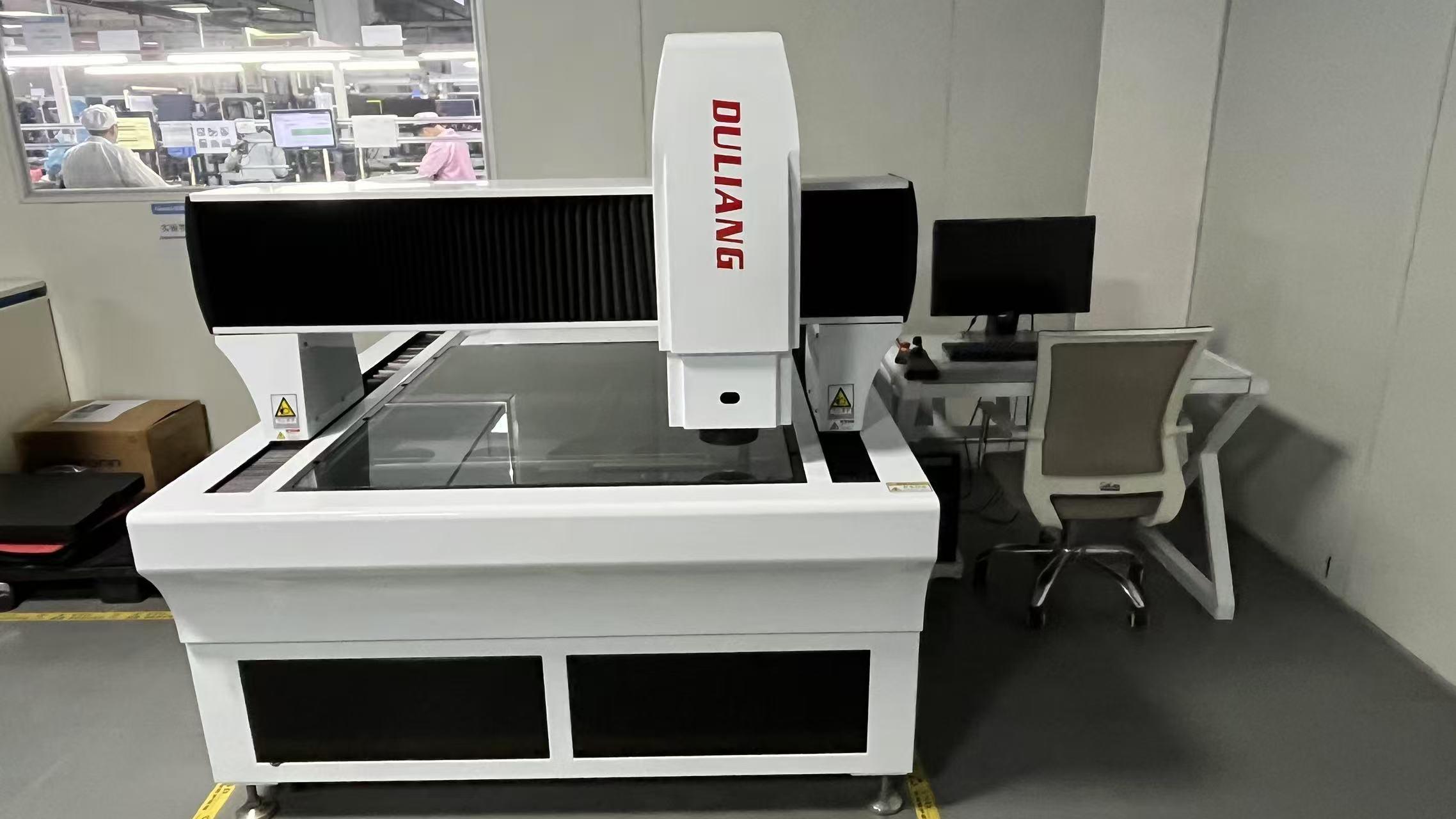
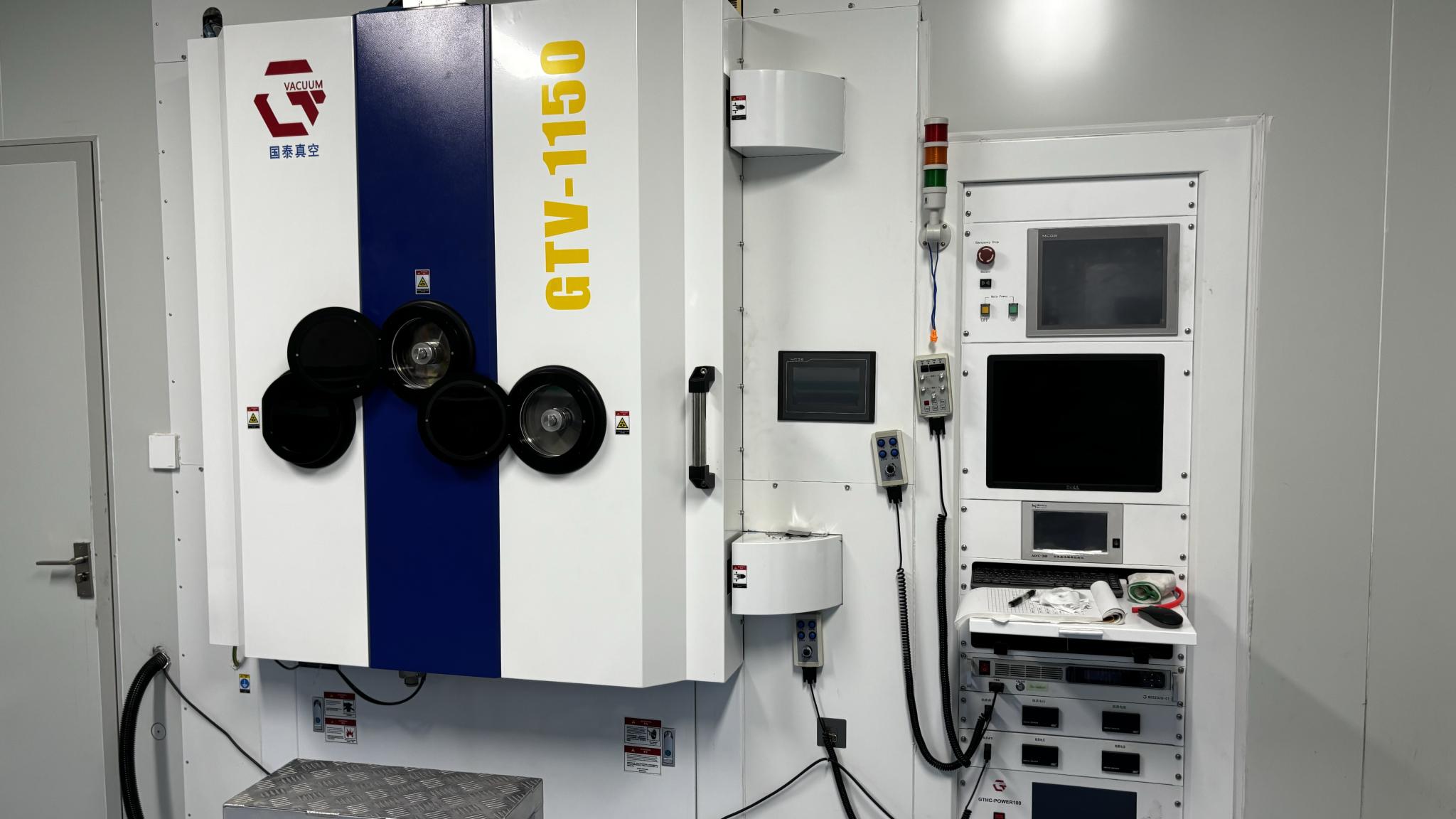
Take a look inside Zyphora's production assembly line, QA testing rooms, and logistics shipping departments based in Shenzhen, China. Our facilities conform to international quality management guidelines to ensure that all shipped hardware functions reliably under enterprise workloads.


Compare more enterprise systems designed for intensive virtualization networks, distributed file storage, and data backup roles.