Zyphora
Zyphora
Zyphora
Enterprise-grade computing, memory caching, and storage controller hardware optimized for constant video ingest and deep learning workloads.
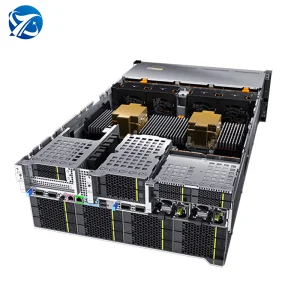
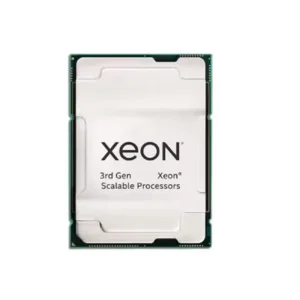

Modern video surveillance has migrated far beyond basic closed-circuit television (CCTV). Today, we operate in the era of AI-driven intelligent vision analytics, smart municipal safety networks, and real-time behavioral monitoring. In this environment, camera endpoints are merely the collectors; the real work happens in backend data systems.
As high-resolution streams (4K, 8K, and multisensor cameras) expand across critical infrastructures, classic Network Video Recorders (NVRs) struggle. The demand has shifted to high-compute server nodes, enterprise-grade storage hardware, and smart switching arrays that process, store, and interpret hundreds of parallel video streams without frame drops.
In large-scale installations (such as international airports, transit hubs, and smart factories), video management systems (VMS) are structured across distinct infrastructure layers. Our components fill these exact critical hardware sockets:
| Layer | Hardware Requirement | Representative Product |
|---|---|---|
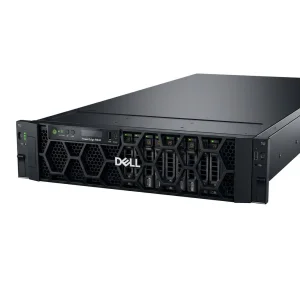
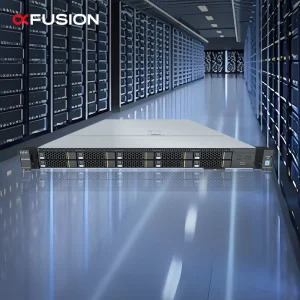
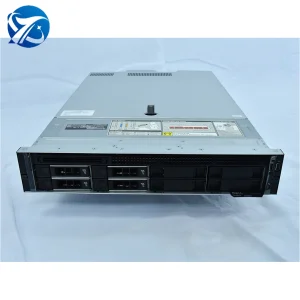
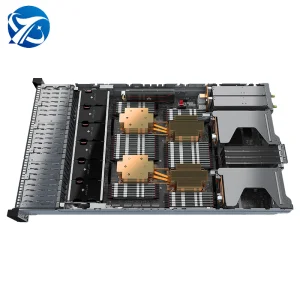
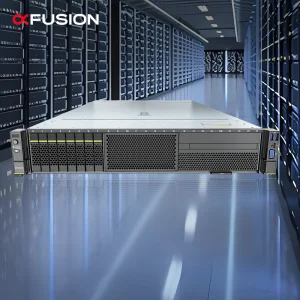
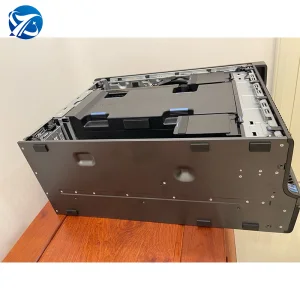
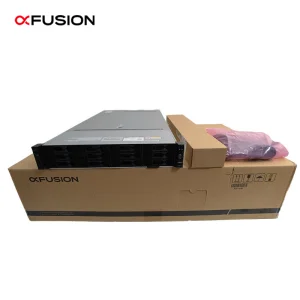
| Edge Analytics / GPU Computing | High-density GPU accelerators, multi-socket Intel Xeon scalables. | xFusion 2288H V6 / FusionServer G8600 V7 |
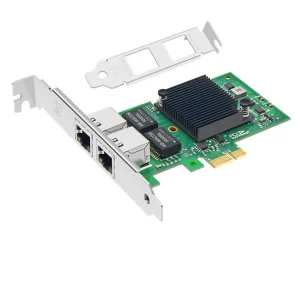
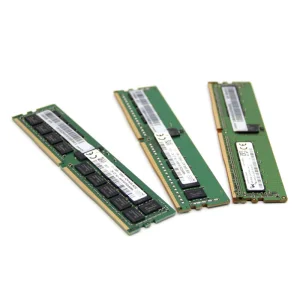
| High-Throughput Ingestion Storage | Hardware RAID controllers, SAS 12G/s expanders, dual-rank RDIMMs. | 9540-8i RAID Controller / xFusion DDR4 3200MHz |
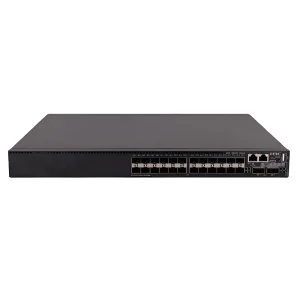
| Core Switch Fabric | Layer 3 Non-blocking switching fabric, high-density 10G SFP+ and 40G uplinks. | H3C S6520X-30QC-EI Core Switch |
When sourcing hardware from manufacturing factories, security integrators must look beyond initial cost profiles. A trustworthy manufacturing partner must demonstrate hardware consistency, thermal optimization expertise, and strict supply chain reliability.
By establishing strategic partnerships with leading tier-1 infrastructure OEMs, we offer pre-validated hardware configurations optimized specifically for enterprise VMS suites like Milestone XProtect, Genetec Security Center, and Network Optix. This eliminates hardware-software integration conflicts during field deployments.
Headquartered in Shenzhen, Zyphora bridges the gap between massive silicon availability and highly specialized computing demands worldwide.
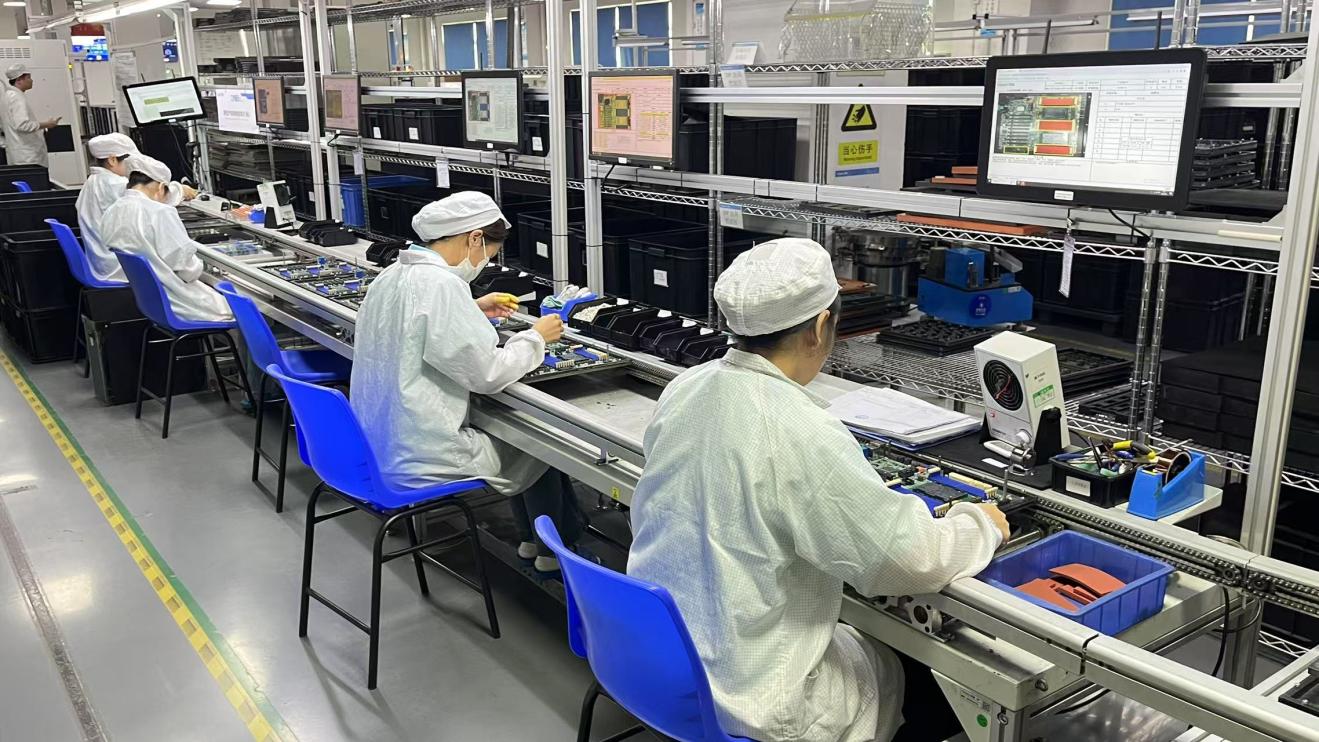
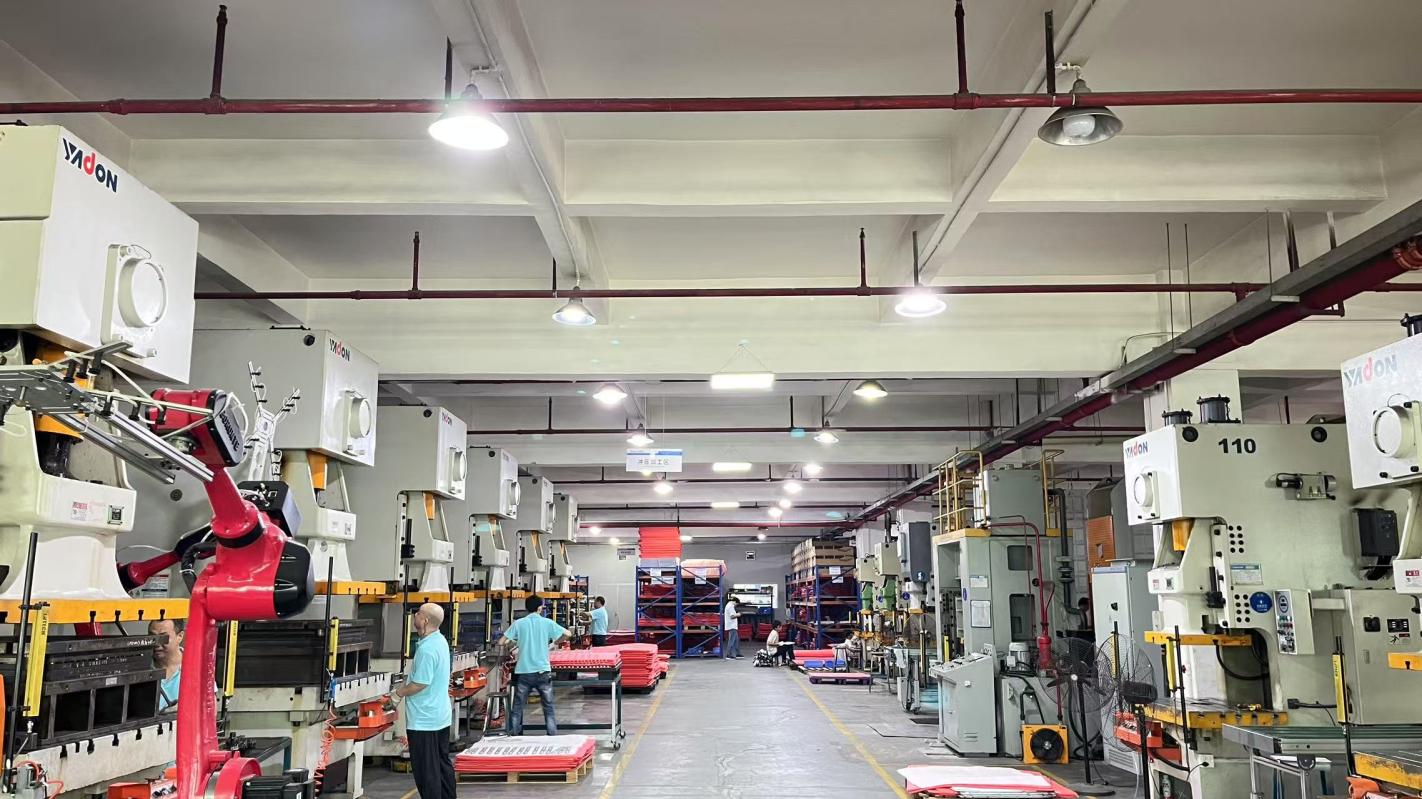
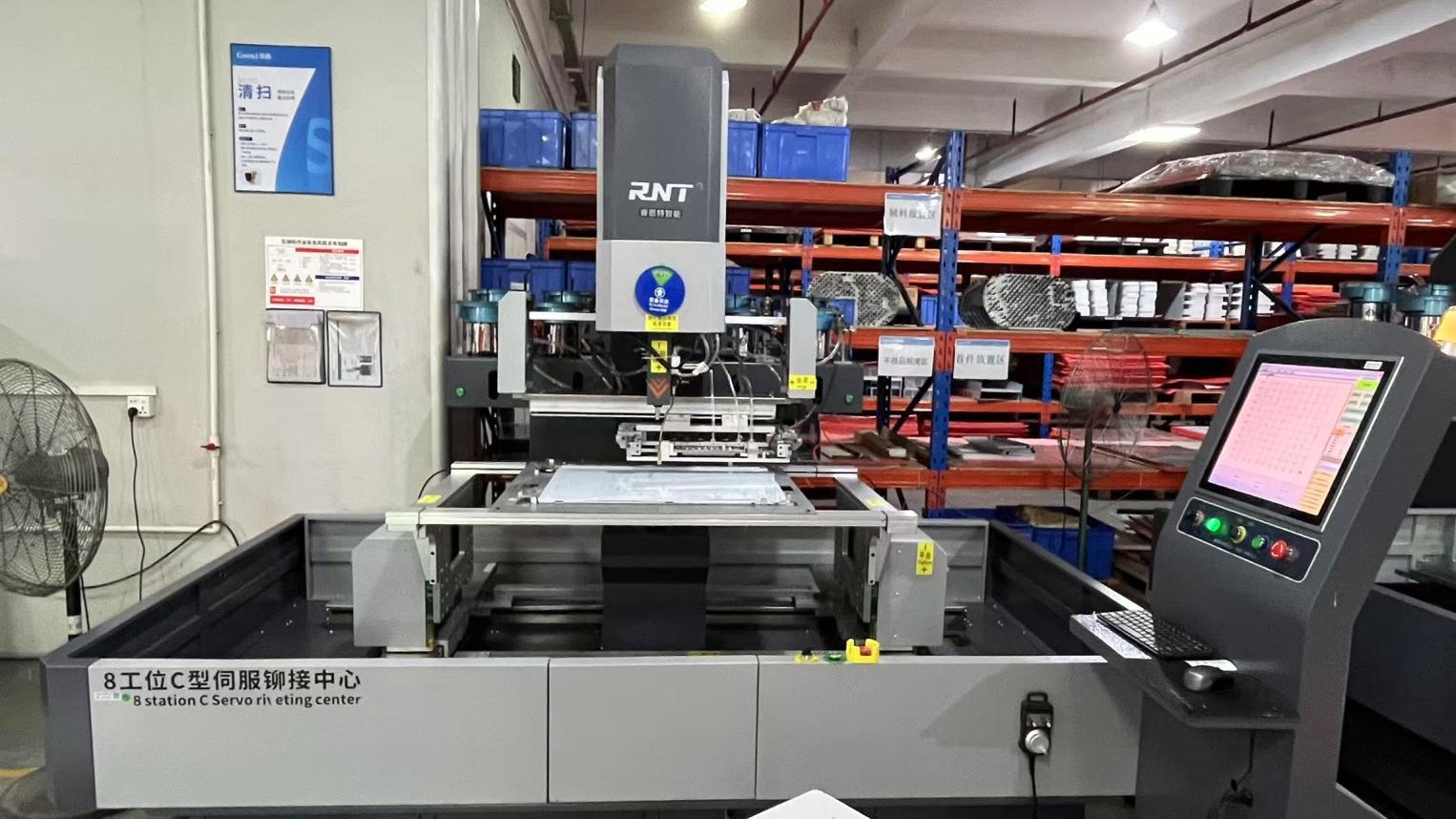
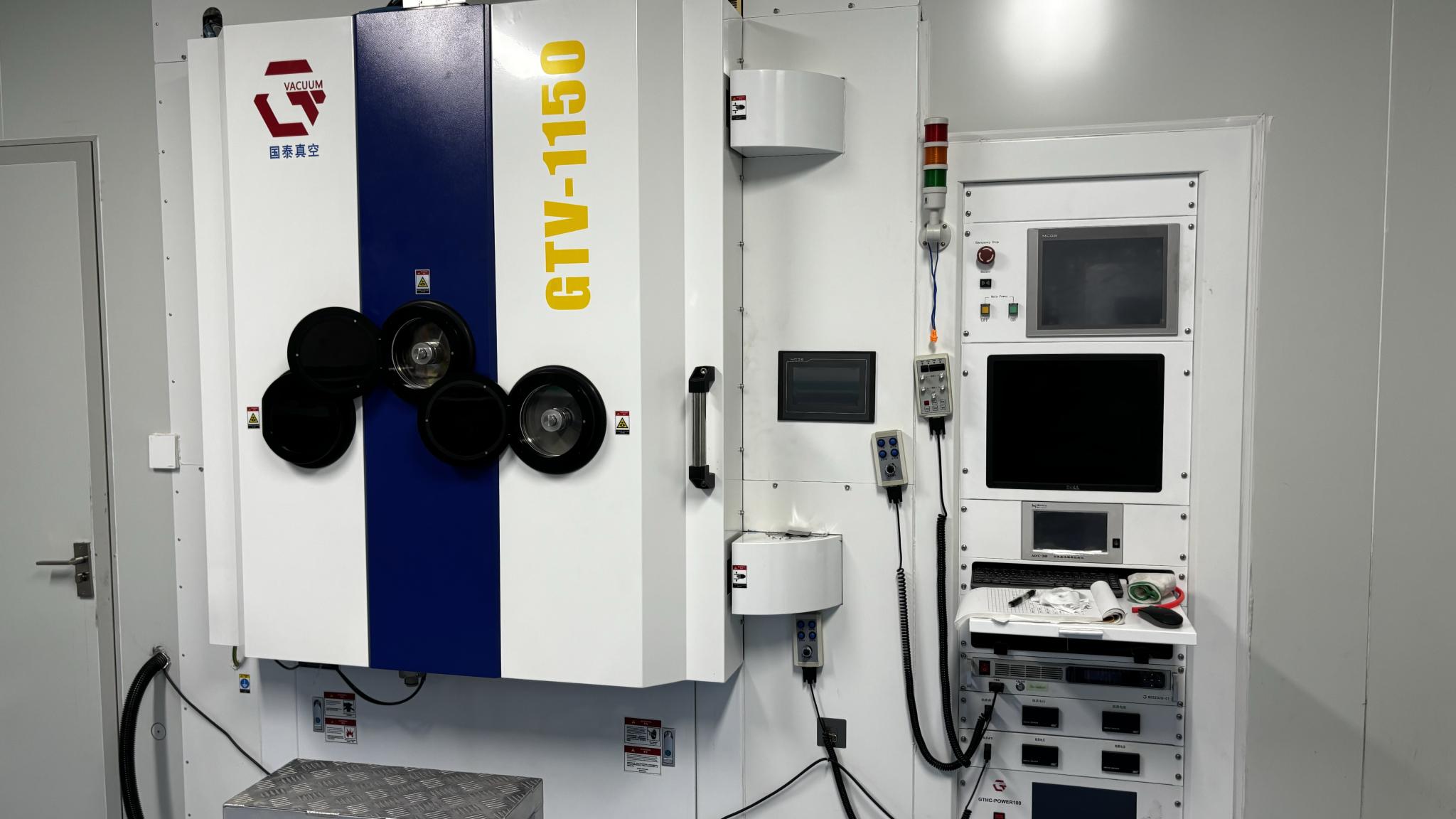
Founded in 2017, Zyphora operates a modern production facility in Shenzhen, China. Backed by 12 years of industry experience and a robust network of over 1,200 qualified supply partners, we provide quick, reliable component routing and assembly.
Our engineering division consists of 86 design professionals specializing in thermal modeling, high-speed circuit trace routing, and server chassis optimization. We launch over 120 custom solutions and variations annually to keep pace with technology trends.
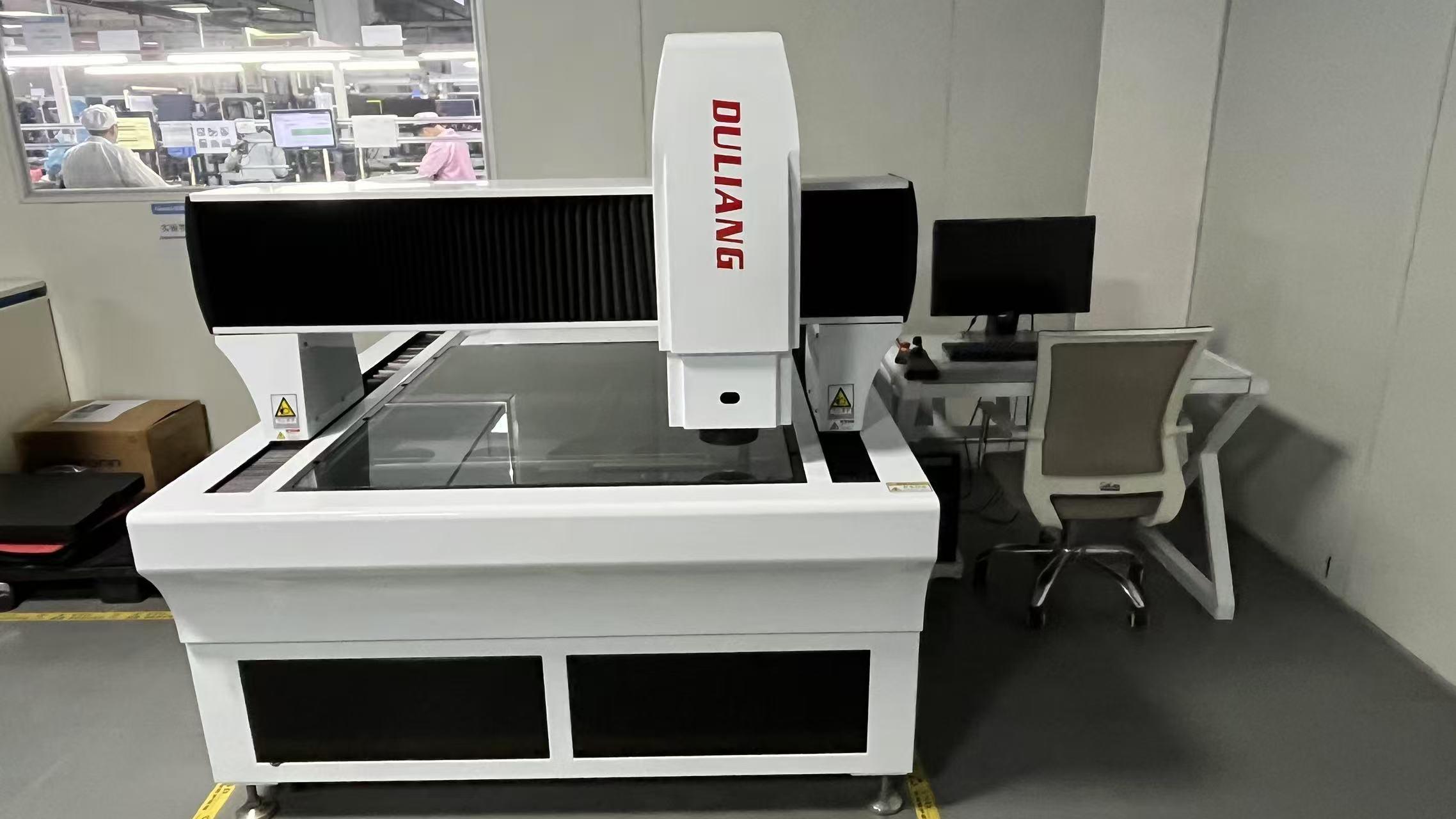
A dedicated division of 42 QC inspectors subjects every server, CPU, memory module, and storage host bus adapter to 24-hour heat chamber burn-in, vibration tests, and functional loop diagnostics before packaging and export.
Our facilities are built to meet the needs of international system integrators and distributors. We maintain full traceability on batches, offering OEM/ODM services from simple chassis branding to custom firmware configurations.
From smart transit nodes to private enterprise campuses, global projects demand localized compliance profiles and reliable hardware.
Municipal security grids link tens of thousands of street-level IP nodes back to core networks. High-density switching equipment handles these large traffic bursts, while clustered AI servers support real-time traffic monitoring and public safety applications.
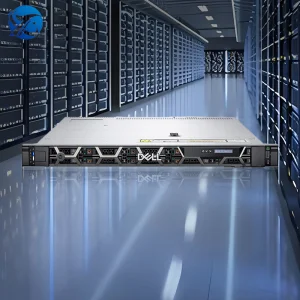
Enterprise retail outlets use video data to map customer paths and manage checkout queues. In these setups, compact 1U/2U server nodes running AI models process regional camera feeds locally, sending only key metadata metrics back to headquarters.
Chemical plants, refineries, and logistical hubs need automated detection of safety hazards, such as fire, smoke, and unauthorized area access. Dual-socket rack mount servers provide the 24/7 compute reliability needed for safety monitoring.
Exporting surveillance infrastructure globally requires meeting strict international regulatory standards. Our products and systems are designed with these requirements in mind:
As neural network engines grow in complexity and scale, the hardware backplanes powering video surveillance must adapt quickly. Over the next five years, Zyphora is aligning its products around three major industry trends:
How we design next-generation surveillance platforms:
| Metric | Current System Standard | Next-Gen Roadmap |
|---|---|---|
| Video Bus Rates | PCIe Gen 4.0 (16 GT/s) | PCIe Gen 5.0 / 6.0 (Up to 64 GT/s) |
| Switch Fabrics | 10G / 40G Uplinks | 100G / 400G RoCE Fabrics |
| Memory Density | DDR4 RDIMM 3200MHz | DDR5 RDIMM 4800+ MHz |
| Local GPU Compute | Classic NVIDIA Ampere Nodes | NVIDIA Hopper / Custom H200 Clusters |
Expert technical answers regarding server architectures, networking requirements, and OEM customization options.
Traditional hardware Network Video Recorders (NVRs) are built for recording and simple playback. When you add high-density AI analytics—like facial recognition, vehicle indexing, and automatic path mapping—an NVR’s processing unit quickly hits its limit.
By moving to GPU-accelerated rack servers, you get dedicated compute pipelines that process multiple video feeds in parallel. This setup supports real-time, low-latency AI inference directly at the storage point, making your system far more scalable.
Surveillance systems write data 24/7. This continuous load can wear out drives faster than in standard office workloads. A dedicated hardware RAID controller (like the PCIe Gen 4 SAS controller) manages data distribution across arrays with minimal latency.
If a hard drive fails, the RAID controller uses parity data (in RAID 5 or RAID 6 setups) to reconstruct the missing information on the fly. This keeps the cameras recording and ensures no footage is lost while the failed drive is replaced.
When running live video analytics, raw data must be decoded and passed to the GPU or CPU for processing. Low memory bandwidth can create a bottleneck, causing delayed alerts or dropped frames.
Using high-speed, dual-rank DDR4 or DDR5 RDIMM memory modules ensures data flows smoothly between storage disks, CPUs, and GPUs, maintaining real-time performance even with multiple high-definition camera feeds.
Zyphora offers end-to-end customization for system integrators, including custom chassis colors and logo branding, pre-configured BIOS settings, optimized storage arrays, and pre-installed VMS operating systems. This lets partners deploy systems straight out of the box.
High-performance network switches, compact 1U/2U nodes, and multi-socket GPU platforms to complete your surveillance deployment.