Zyphora
Zyphora
Zyphora
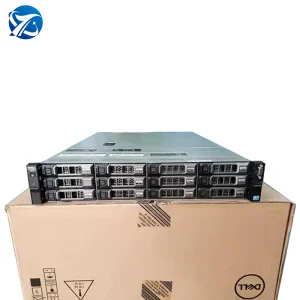
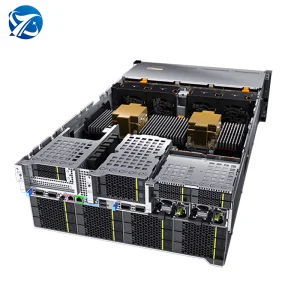
Explore our leading V5, V6, and V7 rack server architectures optimized for cloud scaling and high-density deep learning acceleration.
Strategic performance indicators of a premier compute architecture manufacturing powerhouse.
Analyzing industrial manufacturing, supply chain dynamics, and thermal efficiency for next-generation enterprise AI deployments.
As modern artificial intelligence, deep learning (such as DeepSeek and LLaMA parameter tuning), and hyperscale virtualization demand higher computing densities, the architecture of rackmount servers undergoes evolutionary design pressures. The transition from legacy computing clusters to modern V7 platform optimization standards is marked by critical hardware shifts: PCIe Gen 5 integration, high-capacity DDR5 memory pipelines, advanced CXL (Compute Express Link) interconnects, and strict PUE (Power Usage Effectiveness) restrictions in regional green data centers.
Chinese factories, primarily concentrated in the technological innovation hub of Shenzhen, offer substantial competitive advantages to international enterprise purchasers searching for highly optimized V7 server infrastructures:
The enterprise server landscape is experiencing monumental transitions driven by workload mutations and efficiency regulations:
How customized V7 platforms drive infrastructure modernization across diverse global sectors.
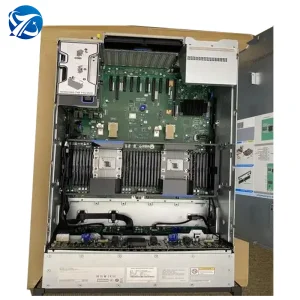
Configuring xFusion 5885H V7 servers with dedicated GPU expansions to manage complex AI operations, including local DeepSeek models, with enhanced data throughput.
Deployment of low-latency hardware utilizing optimized 1U host architectures with memory caches tuned to deliver microsecond-level order execution paths.
Utilizing short-depth, ruggedized V7 rack systems equipped with dynamic boot arrays for industrial manufacturing monitoring and localized visual processing.
A trusted global supplier of optimized server platforms, AI systems, and cloud infrastructure components.
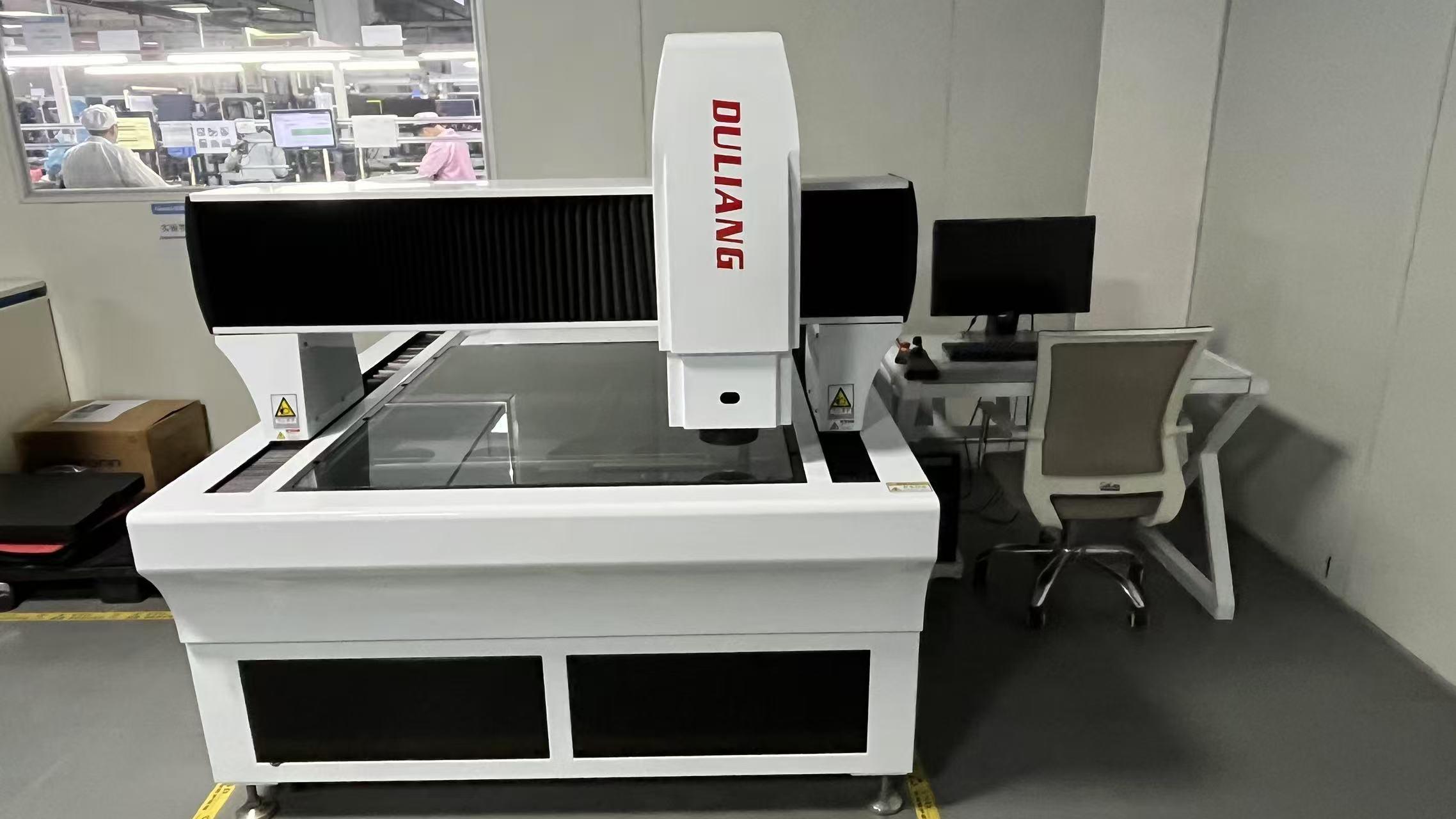
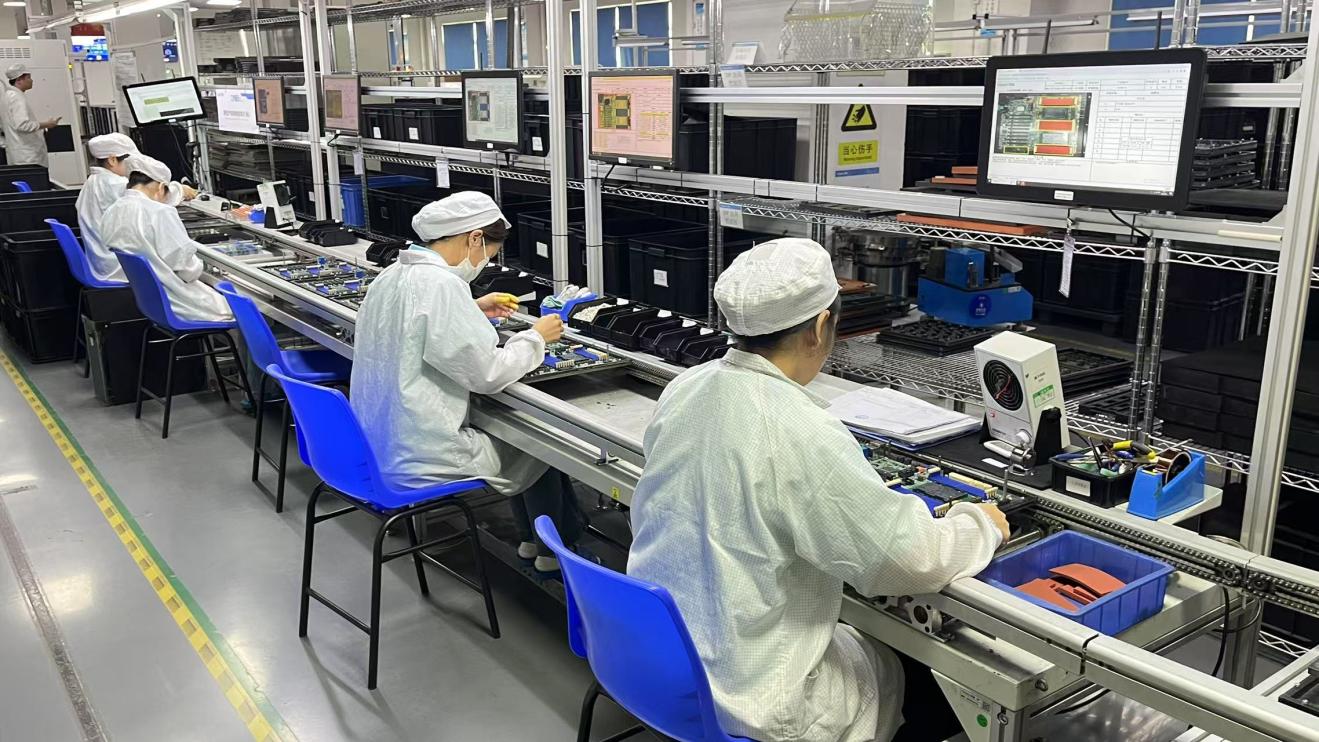
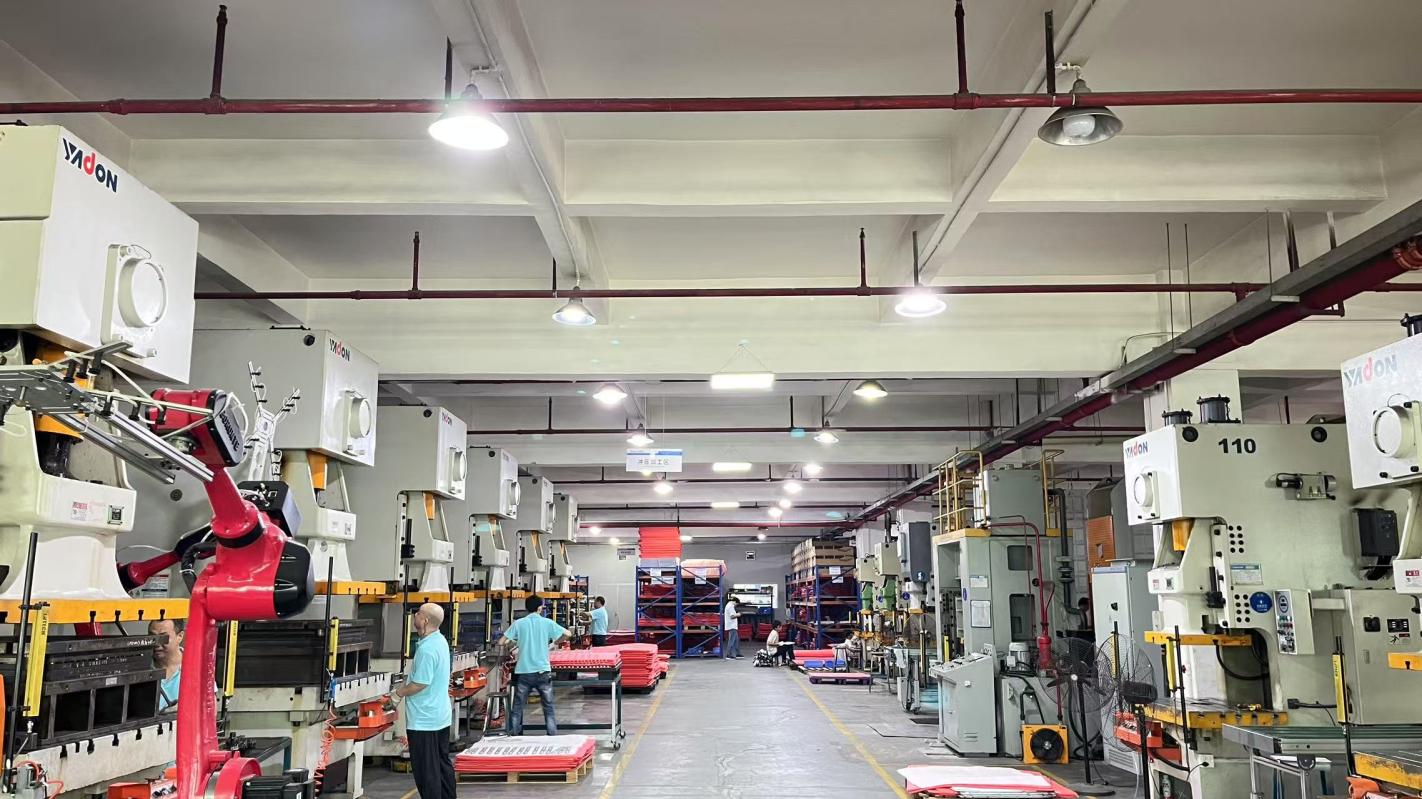
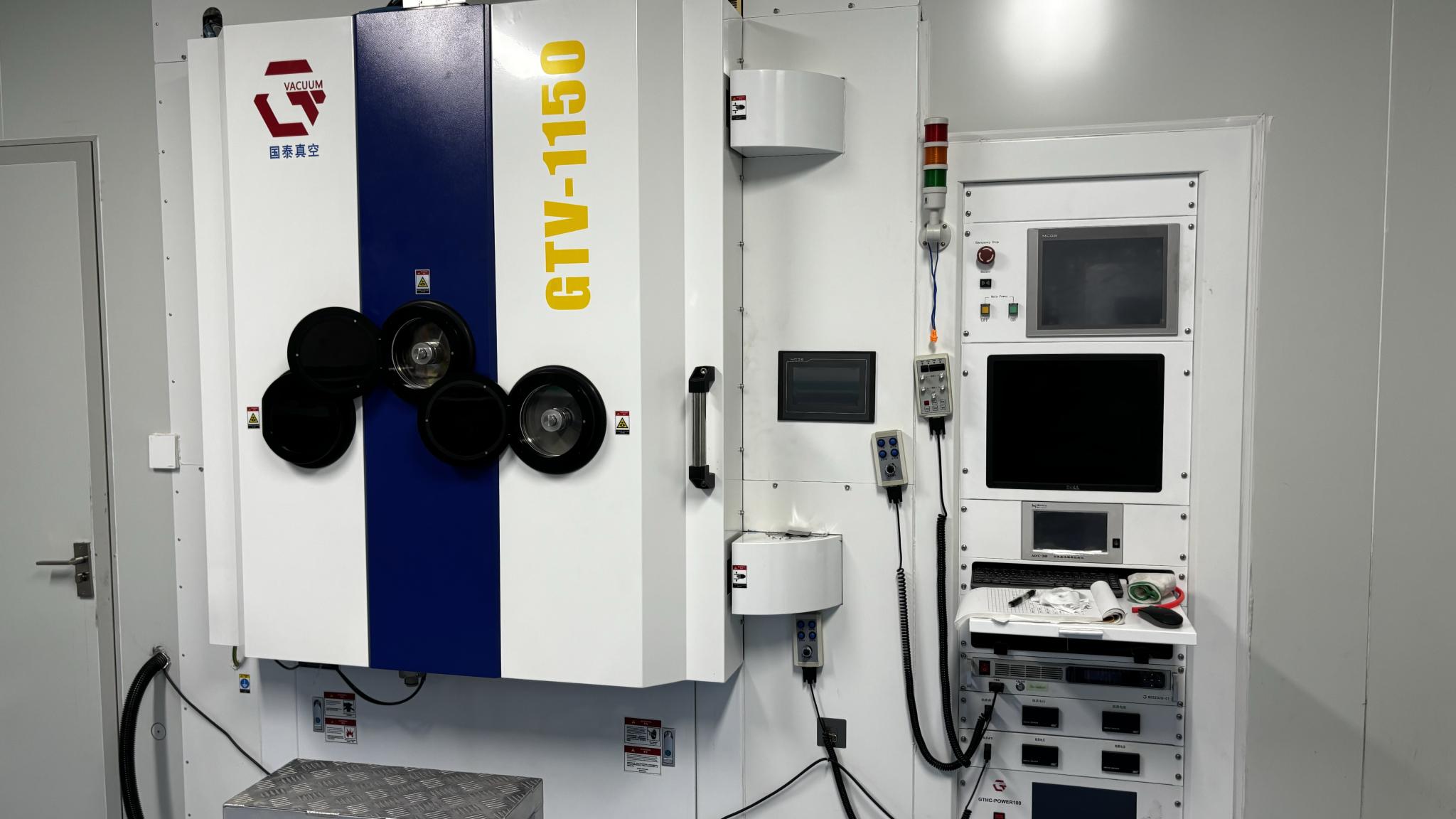
Founded in 2017, Zyphora is a professional manufacturer and global supplier of AI GPU servers, high-performance computing systems, and customized data center solutions. Headquartered in Shenzhen, China, the company operates a modern production facility covering 386 square meters and serves customers across North America, Europe, Southeast Asia, and the Middle East.
With annual export revenue exceeding USD 18 million, Zyphora has built a strong reputation in the AI computing infrastructure industry through continuous innovation, reliable product quality, and customer-focused service. Our team brings over 12 years of industry experience and 7 years of export expertise, enabling us to support clients worldwide with efficient project delivery and professional technical assistance.
Zyphora specializes in AI GPU servers, GPU workstations, rackmount servers, storage servers, and customized computing solutions for artificial intelligence, machine learning, cloud computing, and high-performance computing applications. Supported by a robust supply chain network of more than 1,200 qualified partners, we ensure stable sourcing, flexible production, and rapid delivery.
Quality is at the core of everything we do. Our products undergo comprehensive reliability testing, thermal performance evaluation, burn-in testing, and functional inspections throughout the manufacturing process. A dedicated quality control team of 42 professionals ensures that every product meets strict international standards before shipment.
Innovation drives our growth. Our R&D department consists of 86 experienced engineers specializing in server architecture, thermal management, hardware integration, and AI infrastructure optimization. Each year, we introduce more than 120 new products and upgraded solutions to meet the evolving demands of global customers.
Zyphora offers comprehensive OEM and ODM services, including hardware customization, chassis design, branding, firmware configuration, and system integration. Our flexible manufacturing capabilities enable us to provide tailored solutions for cloud service providers, AI startups, research institutions, system integrators, data center operators, and enterprise customers.
Guided by the principles of quality, innovation, and customer success, Zyphora is committed to delivering advanced AI computing infrastructure that empowers organizations to accelerate digital transformation and unlock the full potential of artificial intelligence.

Addressing critical engineering questions from enterprise systems architects and global sourcing directors.
Optimized V7 systems, like the 5885H V7, support dynamic fan-speed control algorithms integrated into the BMC. They handle hot-swappable dual-rotor fan modules with N+1 redundancy. For higher thermal loads (TDP >350W per socket), custom Chinese ODM factories provide Direct-to-Chip (D2C) liquid-cooling cold plates and closed-loop liquid-to-air heat exchangers that fit within standard 1U/2U configurations, lowering cooling-related power requirements.
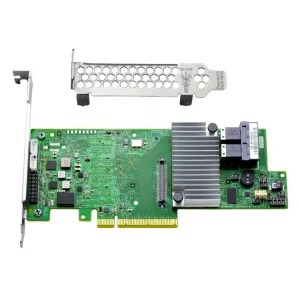
Upgrading to PCIe Gen 5 controllers doubles the throughput compared to PCIe Gen 4, reaching speeds up to 32 GT/s per lane. When combined with NVMe-oF (NVMe over Fabrics) layouts and large onboard cache setups (such as the 8GB Cache found on the 9560-16i controller), these hardware configurations enable databases to sustain higher sequential IOPS. This configuration reduces query latency in transactional processing environments (OLTP).
Zyphora relies on a hardware Root of Trust (RoT) architecture during manufacturing. All custom BIOS and BMC firmware packages are cryptographic signed. Production models undergo port-scanning verification, vulnerability analysis, and validation protocols using IPMI 2.0 and modern Redfish API frameworks to ensure compliance with enterprise network security requirements.
Sourcing agencies should request comprehensive BIOS splash screen rebranding, tailored OEM hardware IDs, customized chassis colors, and pre-configured IP configurations. Our R&D team of 86 engineers handles direct platform adjustments, allowing smooth integration into our customers' existing data center monitoring tools.
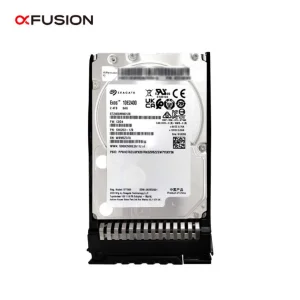
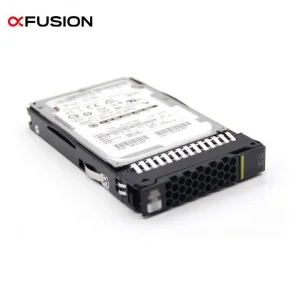
Optimize your V7 system storage pipelines with high-speed controllers, NVMe hybrid arrays, and SATA solid-state drives.