Zyphora
Zyphora
Zyphora
Premium server infrastructure and performance storage options optimized for modern enterprise clusters.
A deeper look into memory architectures that power modern AI data centers, virtualization layers, and multi-tenant cloud platforms.
In the modern data center ecosystem, Server Memory (RAM) acts as the critical conduit between high-performance processors (CPUs/GPUs) and local storage devices. With the rapid expansion of Artificial Intelligence workloads, machine learning clusters, and large language model (LLM) processing, memory bandwidth and latency have emerged as the primary bottlenecks in computing infrastructure. Understanding the key technologies such as DDR5, RDIMMs (Registered DIMMs), and CXL (Compute Express Link) is essential for any enterprise deployment.
Unlike standard desktop memory, server memory requires specialized hardware-level data integrity features, notably ECC (Error-Correcting Code). ECC memory detects and corrects single-bit memory errors, preventing data corruption and avoiding system crashes. The newest standard, DDR5 (Double Data Rate 5), takes this reliability further by introducing On-Die ECC (ODECC), which works alongside side-band ECC to monitor memory health inside the DRAM chip itself. By moving the Power Management Integrated Circuit (PMIC) directly onto the DIMM module, DDR5 ensures cleaner power delivery, higher frequency rates, and lower operating voltages than DDR4.
An expert analysis of the leading Tier-1 integrated manufacturers and high-performance module integration exporters shaping global enterprise supply chains.
As the undisputed world leader in DRAM silicon manufacturing, Samsung controls the largest market share in server memory fabrication. Their high-density DDR5 chips, created with extreme ultraviolet (EUV) lithography, form the foundation of enterprise servers globally.
A dominant tier-one Korean manufacturer that has gained a massive competitive edge through its early leadership in HBM (High Bandwidth Memory) stacks and enterprise RDIMMs, boasting exceptionally low thermal resistance profiles.
Headquartered in the US, Micron is renowned for its advanced fabrication nodes (1-alpha and 1-beta processes). They provide high-reliability DDR4 and DDR5 enterprise modules designed for compute-heavy architectures.
As the largest third-party memory module manufacturer globally, Kingston sources dynamic wafer components from Tier-1 foundries to compile their industry-standard "ServerPremier" line, featuring strict BOM (Bill of Materials) control.
Specializing in custom design engineering, Smart Modular supplies ruggedized and enterprise-class modules tailored to challenging military, aerospace, and high-availability cloud platforms.
An expert in non-volatile DIMM technology (NVDIMM-N) and DRAM integration, Viking delivers cutting-edge performance configurations for enterprise caching engines and database accelerators.
A Taiwanese powerhouse providing an extensive catalog of industrial-grade modules. Their server solutions feature customized thermal spreaders and rigorous environmental screening procedures.
Focused strictly on industrial and enterprise storage/memory integrations. Innodisk stands out for implementing proprietary hardware-level cybersecurity features directly onto memory modules.
Headquartered in Shenzhen, Zyphora operates as an integrated manufacturer and exporter, delivering high-performance AI GPU server hardware and customized enterprise-level computing components designed for AI clusters.
A trusted global supplier offering server memory modules that undergo extreme thermal cycling and pressure testing to satisfy demanding telecommunication and industrial edge servers.
Why Tier-1 data center operators and high-performance computing engineers source key infrastructure elements from Shenzhen and China's high-tech manufacturing hubs.
Shenzhen houses a hyper-concentrated network of printed circuit board (PCB) fabricators, passive component suppliers, PMIC program experts, and SMT (Surface Mount Technology) assembly lines, dramatically shortening time-to-market.
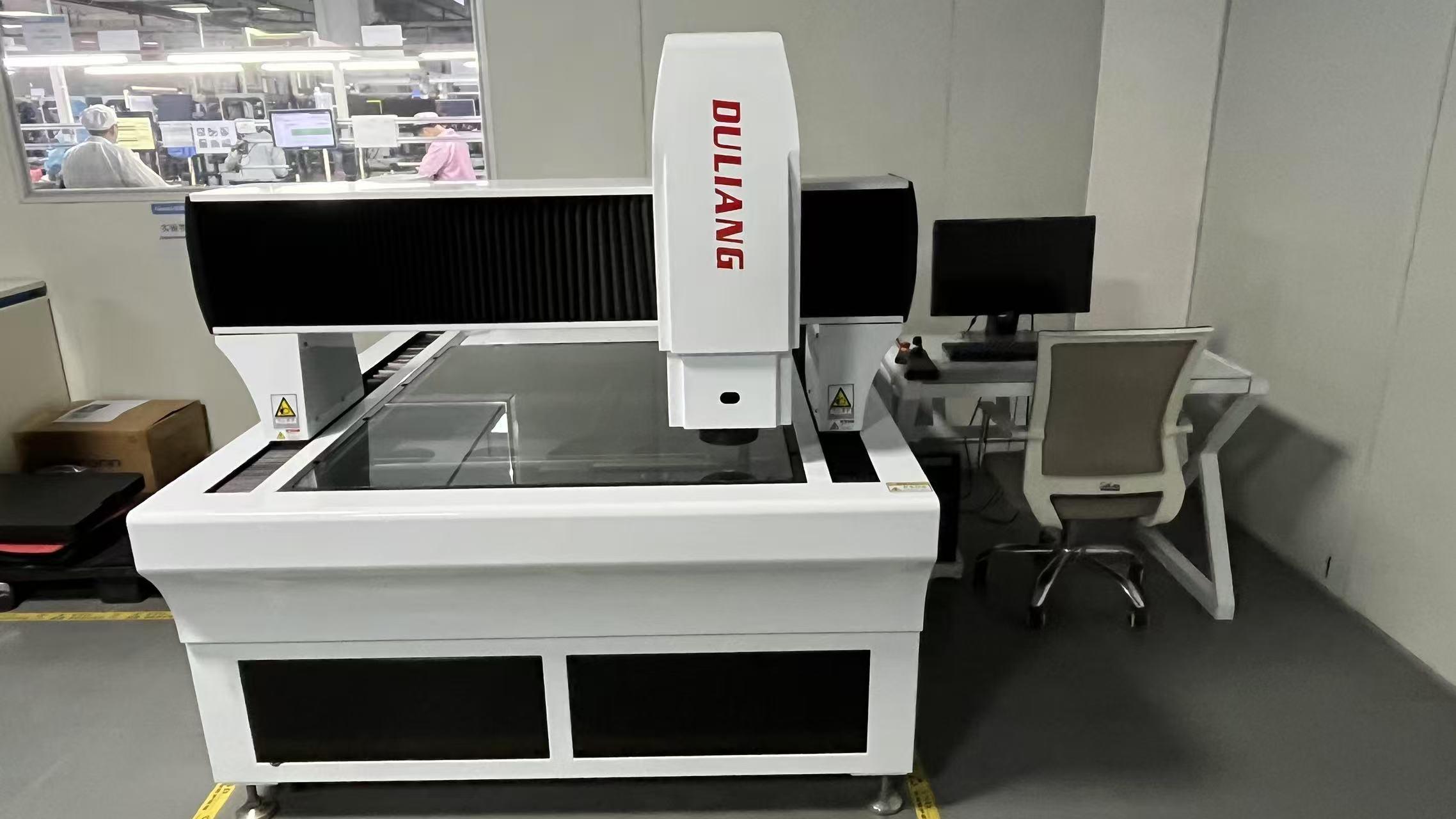
Chinese manufacturers employ automated optical inspections (AOI), x-ray structural analysis, and real-time environment-controlled thermal testing to identify component-level weaknesses prior to export shipment.
By standardizing operations and leveraging domestic volume distribution networks, suppliers can achieve higher manufacturing throughputs, leading to significant savings that scale with volume purchases.
Unlike rigid global corporations, manufacturers in China offer flexible minimum order quantities (MOQs) alongside complete OEM/ODM customization capabilities, encompassing custom BIOS configuration and thermal sink styling.
Key memory breakthroughs paving the way for next-generation AI pipelines and massive cloud infrastructure.
CXL is a modern cache-coherent interconnect that enables memory expansion over PCIe slots. CXL 2.0/3.0 allows servers to dynamically share pools of DDR5 memory, improving host CPU utilization and lowering total cost of ownership (TCO) in cloud computing operations.
DDR5 memory architecture doubles data rates to 8400 MT/s and beyond. By splitting each memory module into two independent 32-bit sub-channels, it increases execution efficiency while improving access latency for dense multithreading applications.
For workloads requiring maximum processing bandwidth, such as generative AI model training, HBM stacks DRAM dies vertically using Through-Silicon Vias (TSVs). Positioned directly next to the GPU processor, it achieves TB/s bandwidth speeds.
Adapting server memory arrays to satisfy specific industry performance profiles and operational parameters.
Training models requires deep neural network weights to reside directly in memory for immediate computation access. High-speed DDR5 RDIMMs with maximum sub-channel performance ensure that GPU processor cores remain fully saturated, preventing memory bottlenecks.
Deployment recommendation: 128GB+ DDR5 5600MHz ECC RDIMMs configured in multi-channel configurations.Cloud hosts run hundreds of virtual machines (VMs) on a single physical rack node. High-density RAM configurations allow for maximum VM density, ensuring each instance receives dedicated, isolated physical memory without causing performance degradation.
Deployment recommendation: High-density 64GB / 128GB DDR4 or DDR5 ECC modules for high VM consolidation ratios.High-frequency financial trading systems rely on memory speed to execute transactions in microseconds. In-memory databases store active logs in system RAM rather than SSDs, demanding high-frequency rates combined with rigorous ECC error checking.
Deployment recommendation: Low-latency, high-frequency DDR5 RDIMMs configured with dedicated performance cooling profiles.A reliable partner for AI GPU servers, performance computing systems, and customized hardware components.
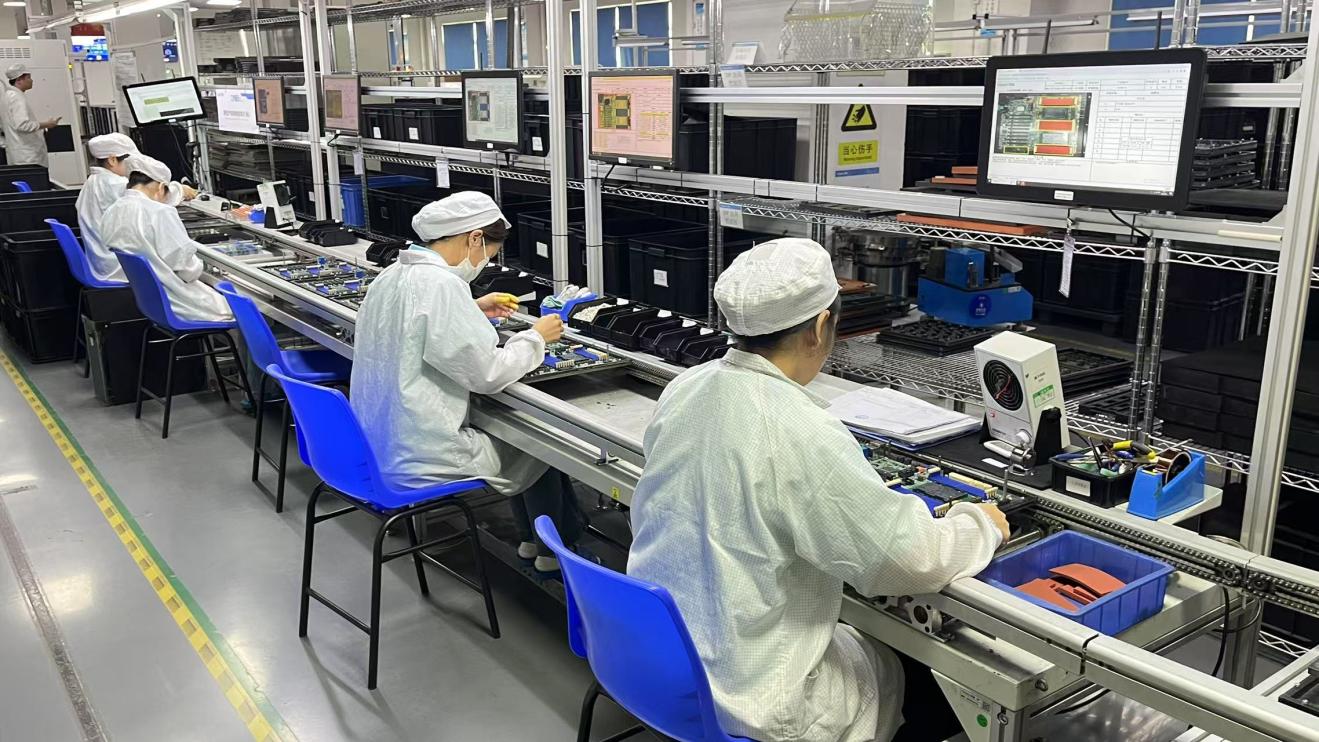
Founded in 2017, Zyphora is a professional manufacturer and global supplier of AI GPU servers, high-performance computing systems, and customized data center solutions. Headquartered in Shenzhen, China, the company operates a modern production facility covering 386 square meters and serves customers across North America, Europe, Southeast Asia, and the Middle East.
With annual export revenue exceeding USD 18 million, Zyphora has built a strong reputation in the AI computing infrastructure industry through continuous innovation, reliable product quality, and customer-focused service. Our team brings over 12 years of industry experience and 7 years of export expertise, enabling us to support clients worldwide with efficient project delivery and professional technical assistance.
Zyphora specializes in AI GPU servers, GPU workstations, rackmount servers, storage servers, and customized computing solutions for artificial intelligence, machine learning, cloud computing, and high-performance computing applications. Supported by a robust supply chain network of more than 1,200 qualified partners, we ensure stable sourcing, flexible production, and rapid delivery.
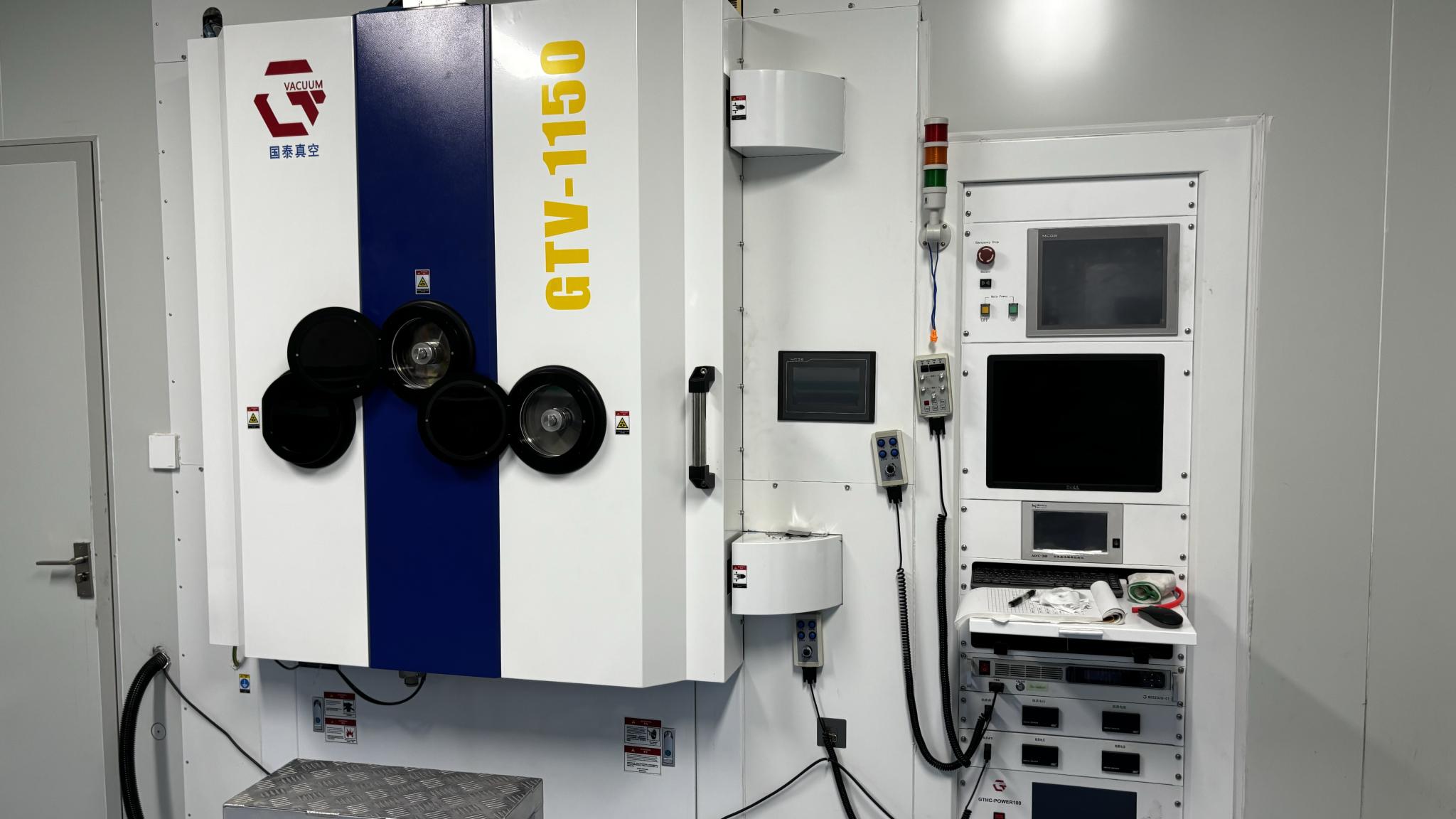
Quality is at the core of everything we do. Our products undergo comprehensive reliability testing, thermal performance evaluation, burn-in testing, and functional inspections throughout the manufacturing process. A dedicated quality control team of 42 professionals ensures that every product meets strict international standards before shipment.
Innovation drives our growth. Our R&D department consists of 86 experienced engineers specializing in server architecture, thermal management, hardware integration, and AI infrastructure optimization. Each year, we introduce more than 120 new products and upgraded solutions to meet the evolving demands of global customers.
Zyphora offers comprehensive OEM and ODM services, including hardware customization, chassis design, branding, firmware configuration, and system integration. Our flexible manufacturing capabilities enable us to provide tailored solutions for cloud service providers, AI startups, research institutions, system integrators, data center operators, and enterprise customers.
Guided by the principles of quality, innovation, and customer success, Zyphora is committed to delivering advanced AI computing infrastructure that empowers organizations to accelerate digital transformation and unlock the full potential of artificial intelligence.


Key technical parameters hardware procurement departments evaluate when qualifying memory modules and global manufacturers.
Procurement teams demand to know the source of the dynamic wafer components. Enterprise applications require original A-grade dies from major manufacturers (Samsung, SK Hynix, or Micron) to ensure long-term stability and compatibility.
Mean Time Between Failures (MTBF) rates should exceed 2 million hours. Reputable server RAM exporters support their products with comprehensive warranties and advance replacement programs to minimize customer downtime.
Server chassis are densely packed, creating challenging thermal environments. Sourcing memory with low-profile thermal spreaders or high-grade thermal pads helps transfer heat away from sensitive DRAM chips and PMIC chips, preventing thermal throttling.
Our engineers address common technical queries from procurement professionals and system administrators.
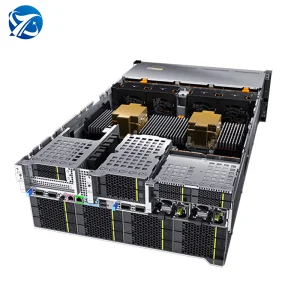
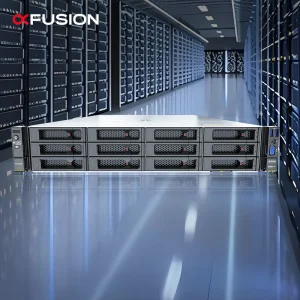
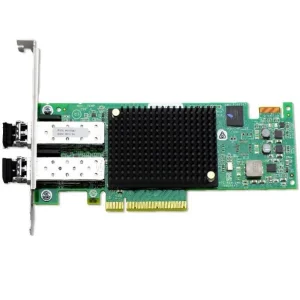
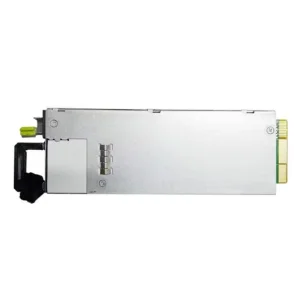
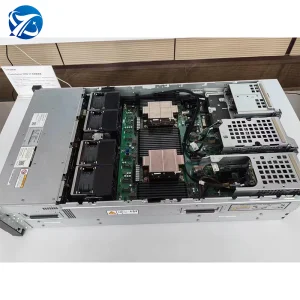
Explore high-performance AI GPU configurations, network controllers, and redundant power supplies designed for 24/7 data center uptime.