Zyphora
Zyphora
Zyphora
Optimized Hardware Solutions Supporting Next-Gen Fiber Optic Connectivity and Parallel Computing

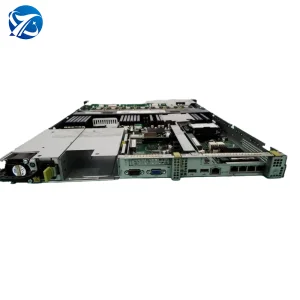
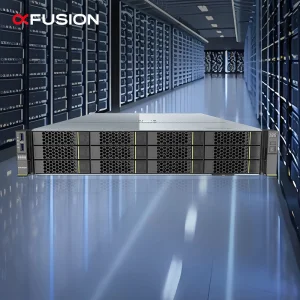
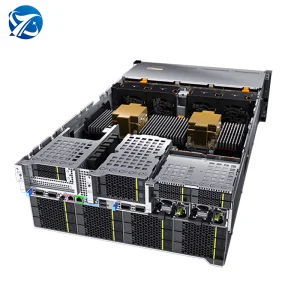
Modern global enterprise computing is undergoing a dramatic shift. As deep learning workloads, hyper-scale cloud deployments, and massive distributed training platforms like DeepSeek and Large Language Models (LLMs) expand, the primary system bottleneck has moved away from individual chip processing power. Today, interconnect bandwidth and latency are the absolute determinants of overall infrastructure efficiency.
Optical fiber equipment is no longer merely utility cabling; it is the structural nervous system of the worldwide digital economy. Selecting the right fiber optic equipment factory and exporter ensures that signal integrity, attenuation tolerances, and network density align with the extremely demanding standards of high-performance computing (HPC) nodes and next-generation telecommunications networks.
From Active Optical Cables (AOC) and high-density MTP/MPO fiber assemblies to optical transceivers operating at 400G, 800G, and developmental 1.6T speeds, top manufacturers are providing the technical foundation to eliminate localized pipeline congestion. They do this by combining high-precision manufacturing with strict compliance standards.
In AI cluster networking (such as InfiniBand or RoCEv2 architectures), latency budgets are measured in nanoseconds. The deployment of high-grade single-mode fibers and zero-tolerance physical contact interfaces is critical.
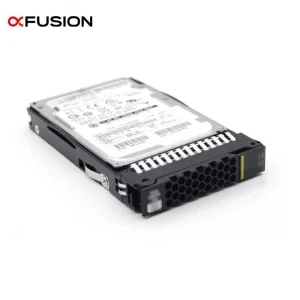
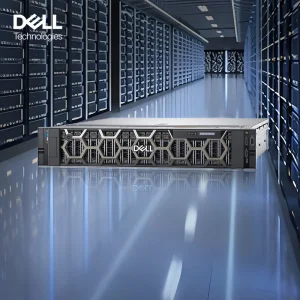
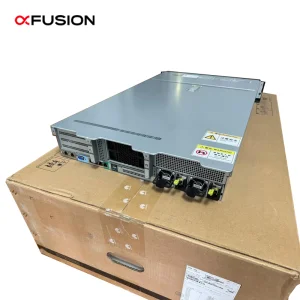
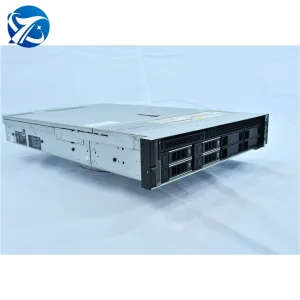
Servers from providers like Dell (PowerEdge series) or xFusion require absolute hardware alignment with optical networks. Enterprise network interfaces must perform continuously without frame loss or thermal runaway.
How Global Sourcing Leaders Vet Tier-1 Fiber Optic Equipment Factories
Leading factories deploy 3D optical interferometers to inspect the physical attributes of fiber connector end-faces. Key criteria like radius of curvature, apex offset, and fiber height determine long-term connectivity stability and prevent air-gap attenuation under varying thermal loads.
Ensuring compliance with ITU-T G.652.D (single-mode), G.657.A1/A2 (bend-insensitive), or OM3/OM4/OM5 (multi-mode) standards is vital. Vetted exporters use high-grade preforms from global leading suppliers to guarantee attenuation rates below 0.18 dB/km at 1550nm.
As rack space in data centers becomes increasingly expensive, optical fiber solutions must match density requirements. Factories must offer high-density MPO/MTP cassettes, patch panels, and breakout cabling systems that optimize space while maintaining adequate cable bend relief.
Integrating global fiber optic manufacturing expertise across diverse industrial, commercial, and next-generation telecommunication verticals.
Supplying massive FTTx (Fiber-to-the-Home/Building) distribution nodes globally. Modern factories manufacture PLC splitters, fiber access terminals, and drop cables that can withstand harsh weather while offering quick-connect mechanisms for field operators.
Enabling multi-node GPU communications. Zyphora’s hardware ecosystem leverages direct-attach active cables, MPO trunk configurations, and low-latency transceivers to guarantee that interconnect lanes stay wide open during high-intensity gradient computations.
Industrial settings generate significant electromagnetic interference (EMI). Optical fibers are naturally immune to electrical noise, which makes them ideal for connection networks in power generation, offshore wind farms, and heavy production lines.
The roadmap for fiber optic technology points toward higher density and lower power consumption. With current transceiver technology facing physical scaling challenges, the industry is transitioning to Co-Packaged Optics (CPO) and Silicon Photonics. By integrating optical engines directly onto the processor substrate, system architectures can reduce power loss by up to 30%.
Additionally, the adoption of Hollow-Core Fibers is no longer just theoretical. By guiding light through air channels instead of solid glass cores, signal propagation speeds increase by approximately 50%, opening new possibilities for algorithmic execution in high-frequency trading and distributed AI synchronizations.
For B2B buyers and systems engineers, staying ahead of this technical roadmap is crucial. Tier-1 exporters are proactively upgrading their manufacturing suites to handle next-generation fiber assemblies, helping their customers avoid technical obsolescence within the next decade.
Your Global Partner for High-Performance Infrastructure and Advanced Network Architectures
Founded in 2017, Zyphora is a professional manufacturer and global supplier of AI GPU servers, high-performance computing systems, and customized data center solutions. Headquartered in Shenzhen, China, the company operates a modern production facility covering 386 square meters and serves customers across North America, Europe, Southeast Asia, and the Middle East.
With annual export revenue exceeding USD 18 million, Zyphora has built a strong reputation in the AI computing infrastructure industry through continuous innovation, reliable product quality, and customer-focused service. Our team brings over 12 years of industry experience and 7 years of export expertise, enabling us to support clients worldwide with efficient project delivery and professional technical assistance.
Zyphora specializes in AI GPU servers, GPU workstations, rackmount servers, storage servers, and customized computing solutions for artificial intelligence, machine learning, cloud computing, and high-performance computing applications. Supported by a robust supply chain network of more than 1,200 qualified partners, we ensure stable sourcing, flexible production, and rapid delivery.
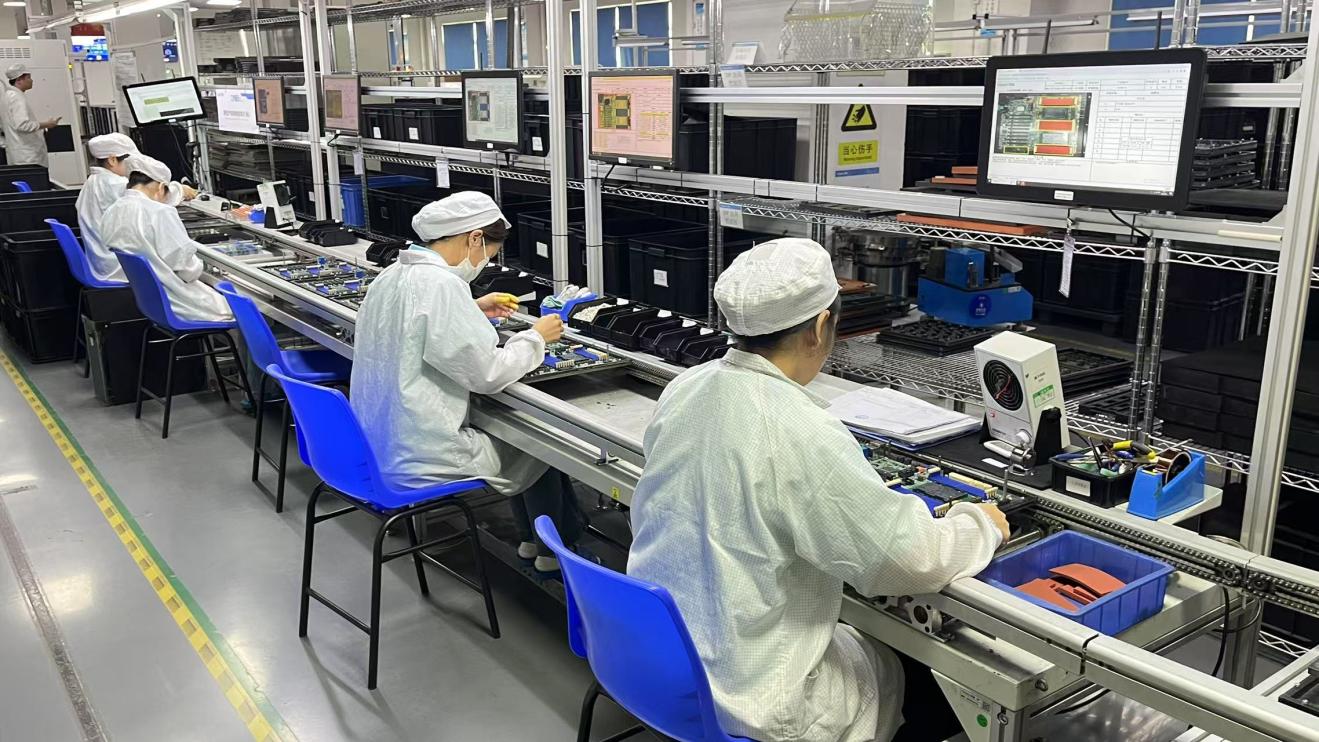
Quality is at the core of everything we do. Our products undergo comprehensive reliability testing, thermal performance evaluation, burn-in testing, and functional inspections throughout the manufacturing process. A dedicated quality control team of 42 professionals ensures that every product meets strict international standards before shipment.
Innovation drives our growth. Our R&D department consists of 86 experienced engineers specializing in server architecture, thermal management, hardware integration, and AI infrastructure optimization. Each year, we introduce more than 120 new products and upgraded solutions to meet the evolving demands of global customers.
Zyphora offers comprehensive OEM and ODM services, including hardware customization, chassis design, branding, firmware configuration, and system integration. Our flexible manufacturing capabilities enable us to provide tailored solutions for cloud service providers, AI startups, research institutions, system integrators, data center operators, and enterprise customers.
Guided by the principles of quality, innovation, and customer success, Zyphora is committed to delivering advanced AI computing infrastructure that empowers organizations to accelerate digital transformation and unlock the full potential of artificial intelligence.



Technical Answers to Core Infrastructure and Fiber Optic Sourcing Inquiries
MTP/MPO connectors provide high-density termination for multi-fiber ribbon structures, typically packaging 12, 24, or up to 72 fibers into a single modular plug. In modern AI clusters and GPU systems, these configurations are essential to support high parallel bandwidth (like 400G and 800G optical lines) within a small footprint, greatly simplifying cable routing and maximizing cooling airflow.
B2B buyers look for factories equipped with ISO9001 quality management, CE, FCC, RoHS, and CPR certifications (important for European construction cable safety). They must also have advanced physical testing equipment, such as 3D geometry end-face interferometers and Optical Time-Domain Reflectometers (OTDR), to verify insertion loss (strictly <0.2 dB) and return loss (PC >50 dB, APC >60 dB).
Zyphora relies on an engineering team of 86 R&D professionals who conduct extensive compatibility testing. They evaluate how server models interact with network interface cards (NICs), PCIe configurations, and optical transceivers. We work closely with our supply chain network of 1,200+ partners to deliver pre-configured, tested hardware setups that offer plug-and-play installation for the customer.
Single-mode fiber (SMF) has a small core (typically ~9µm) that allows only one light path, resulting in minimal attenuation and dispersion. This makes it ideal for long-distance transmissions and high-speed enterprise backbones. Multi-mode fiber (MMF) has a larger core (~50µm) that allows multiple light modes, which is cost-effective for short distances (typically under 100 meters) in corporate data centers.
We provide full hardware custom design, chassis customization, custom branding, optimized bios/firmware configurations, and specialized network and server system integration. Our R&D team can design specialized high-density rack configurations that integrate optical fiber cabling and server units to meet unique performance and space requirements.
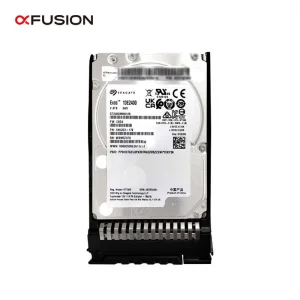
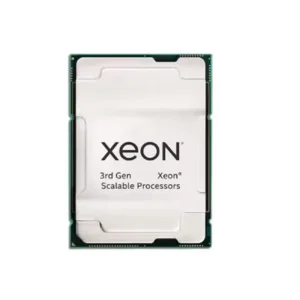
Select Memory, Processors, and Expansion Modules for Cloud and Enterprise Network Backbones