Zyphora
Zyphora
Zyphora
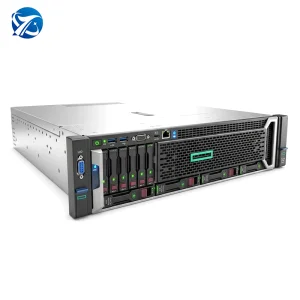
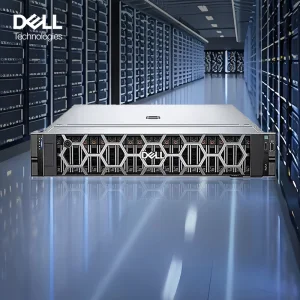
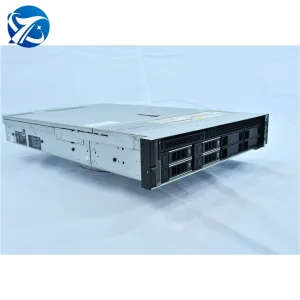
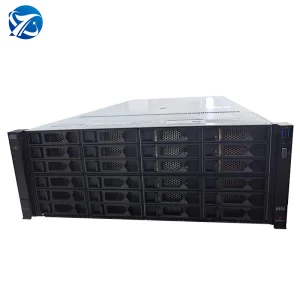
High-performance network nodes, enterprise accelerators, and industrial servers optimized for decentralized data structures and localized processing.
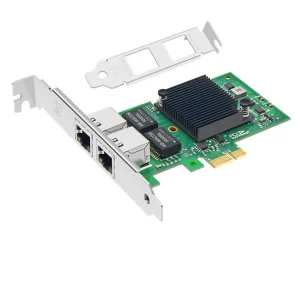
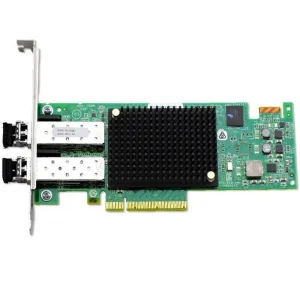
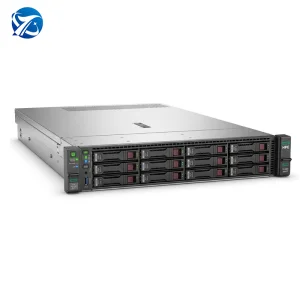
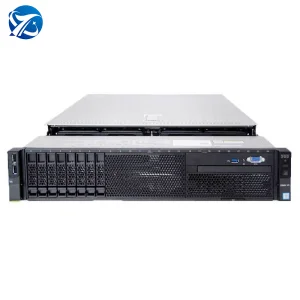
Modern enterprise workflows are undergoing a structural decentralization. Centralized hyperscale data centers, while highly efficient for cold data storage and massive batch training jobs, are fundamentally incapable of meeting the ultra-low latency requirements of industrial automation, smart grid control, and real-time autonomous systems. This hardware evolution has catalyzed the demand for robust, specialized systems manufactured directly by leading edge computing factories.
By bringing compute, storage, and networking resources physically closer to the source of data generation, Edge AI Servers eliminate the round-trip network overhead, reduce WAN bandwidth costs, and bolster data sovereignty compliance. Modern industrial edge architectures utilize advanced hardware solutions like PCIe Gen 4.0/5.0 interfaces, high-throughput Host Bus Adapters (HBAs), and low-latency SAS storage nodes to ensure deterministic operations under extreme physical environments.
Shenzhen, China, has evolved from a simple assembly hub into the epicenter of high-performance computing hardware development. Factory operators in this region—most notably Zyphora—leverage unique macroeconomic and engineering advantages that set them apart globally:
Empirical proof of manufacturing scale, technical depth, and international export reach.
Annual Export Volume
Supply Chain Partners
Dedicated R&D Engineers
Quality Assurance Experts
Deploying robust, low-latency computing nodes across demanding commercial, industrial, and clinical ecosystems.
Deploying ruggedized 1U/2U server nodes directly on manufacturing floors. These nodes run computer vision algorithms to detect micro-defects in assembly lines with latency below 5 milliseconds.
Processing localized large language models (LLMs) and advanced robotic instructions safely on-premises. Dedicated storage systems with dual-socket processors enable autonomous decision loops independent of cloud availability.
Processing high-density imaging data (such as MRI and CT scans) directly within hospital premises. Ensures compliance with strict patient privacy frameworks (HIPAA/GDPR) by avoiding unnecessary public cloud transfers.
Procuring edge hardware requires a granular focus on specifications that standard data center setups overlook. Enterprise procurement managers must evaluate several technical aspects to guarantee operational continuity:
Edge nodes are vulnerable to physical intrusion and network spoofing. Exporters must provide secure boot configurations, TPM 2.0 modules, and customized BIOS settings that allow automated recovery even during absolute network isolation. System integration must align with modern operating environments including Windows Server 2025, containerized Linux environments, and hypervisors.
High-speed telemetry collection requires high-bandwidth system backplanes. Edge infrastructure relies on components like the Emulex HBA LPE35000 for 32Gb/s fiber channel speed and PCIe 4.0 storage controller cards (such as the 9540-8i RAID) to maintain uninterrupted processing queues even when handling gigabytes of real-time sensory data.
Exporters must ensure compliance with global regulatory standards: FCC Class A/B for electromagnetic compatibility, CE for European markets, RoHS for environmental safety, and UL listings for electrical fire safety. Zyphora manages these requirements through a robust system of 42 QC professionals who oversee compliance audits and comprehensive factory acceptance tests (FAT).
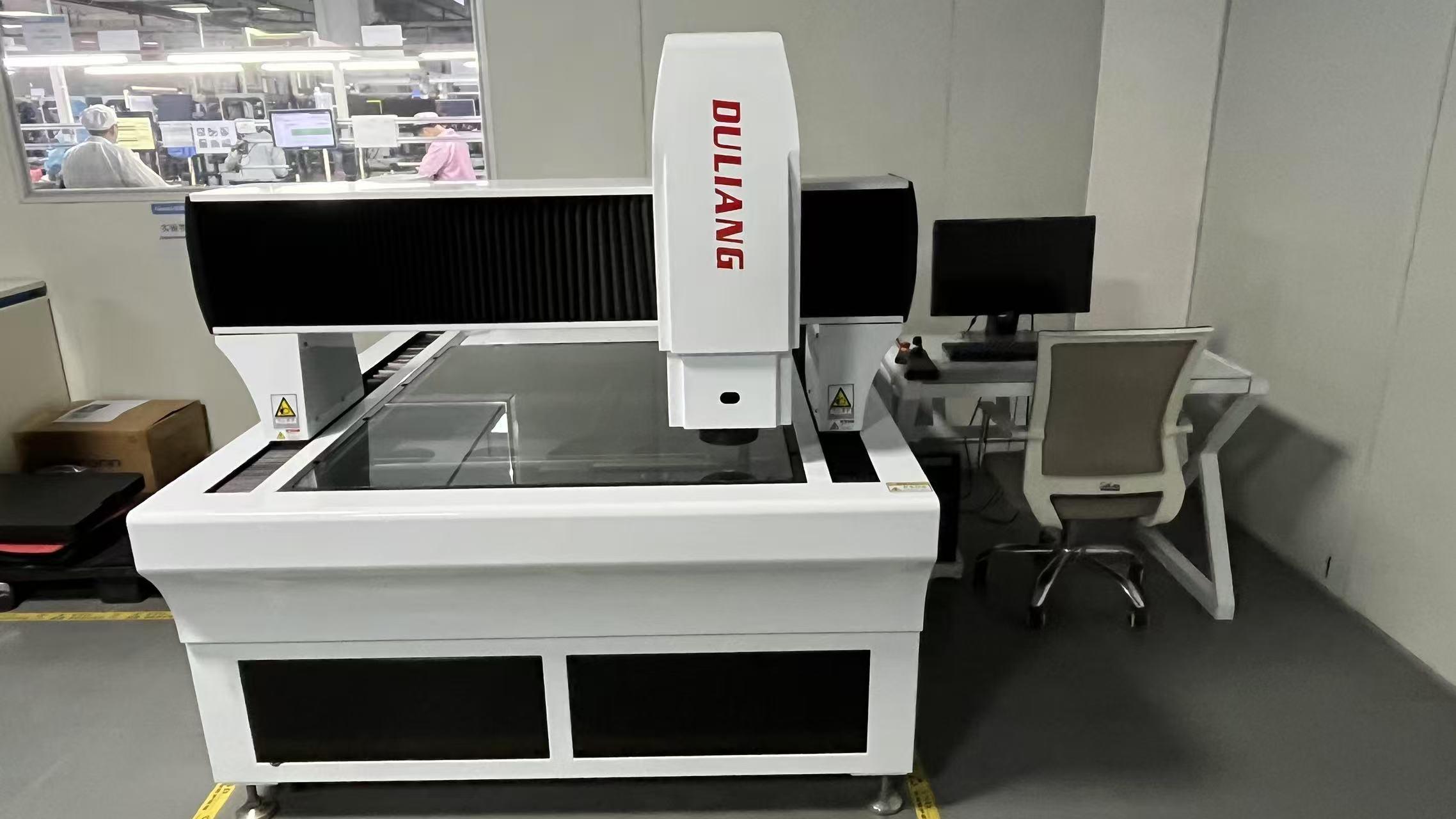
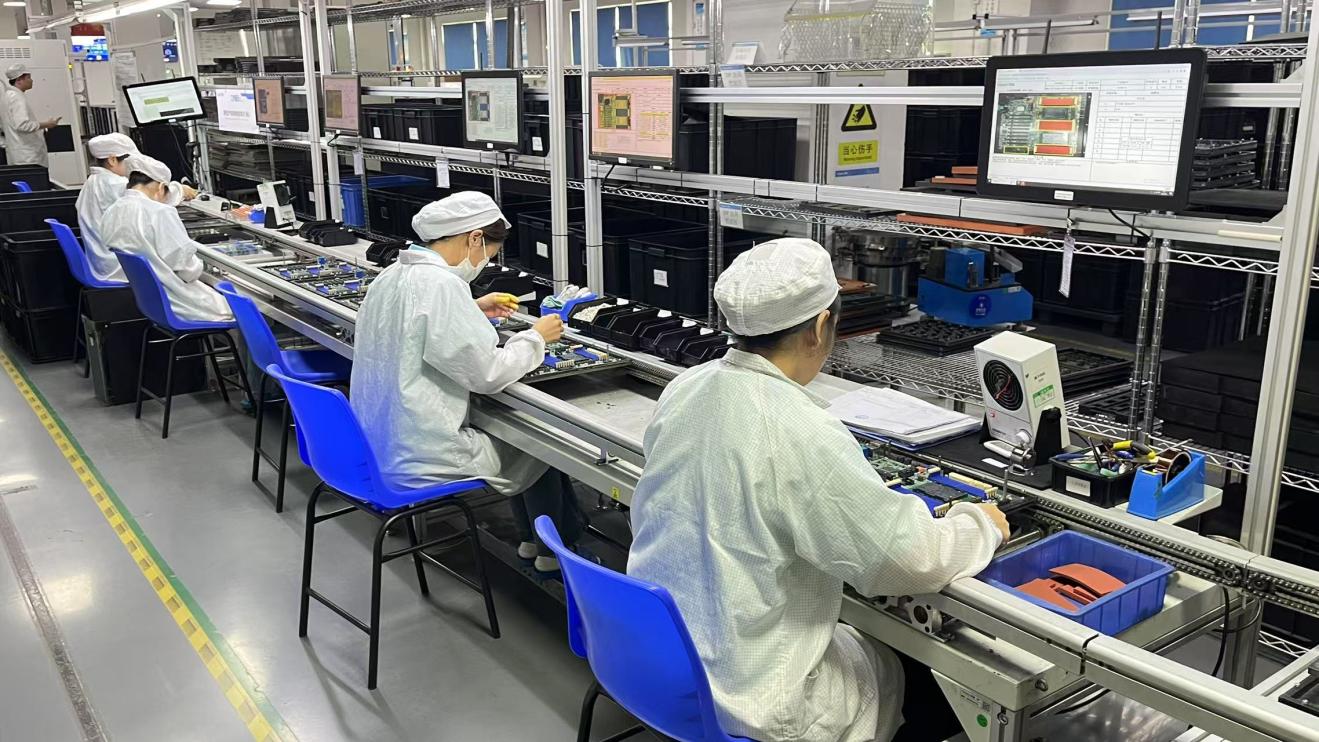
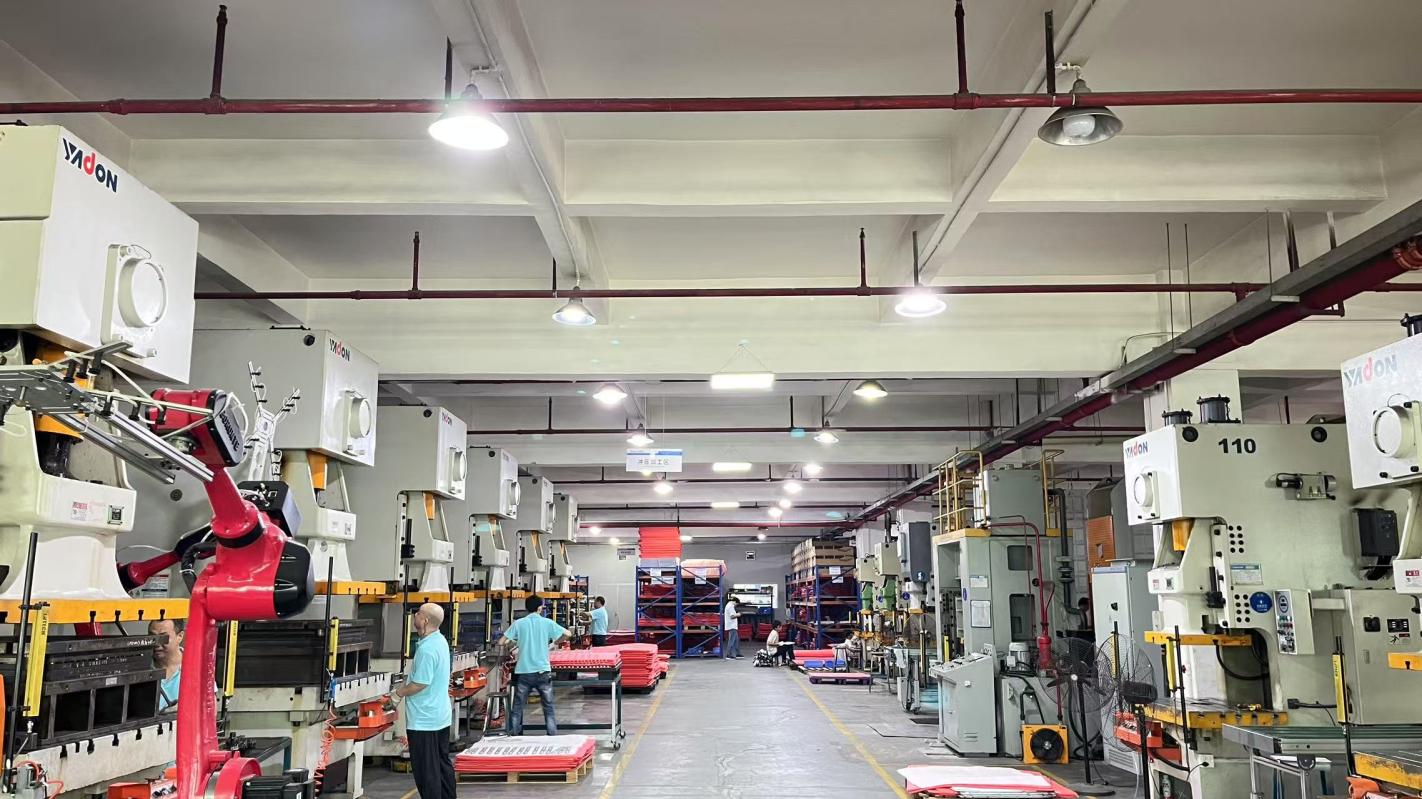
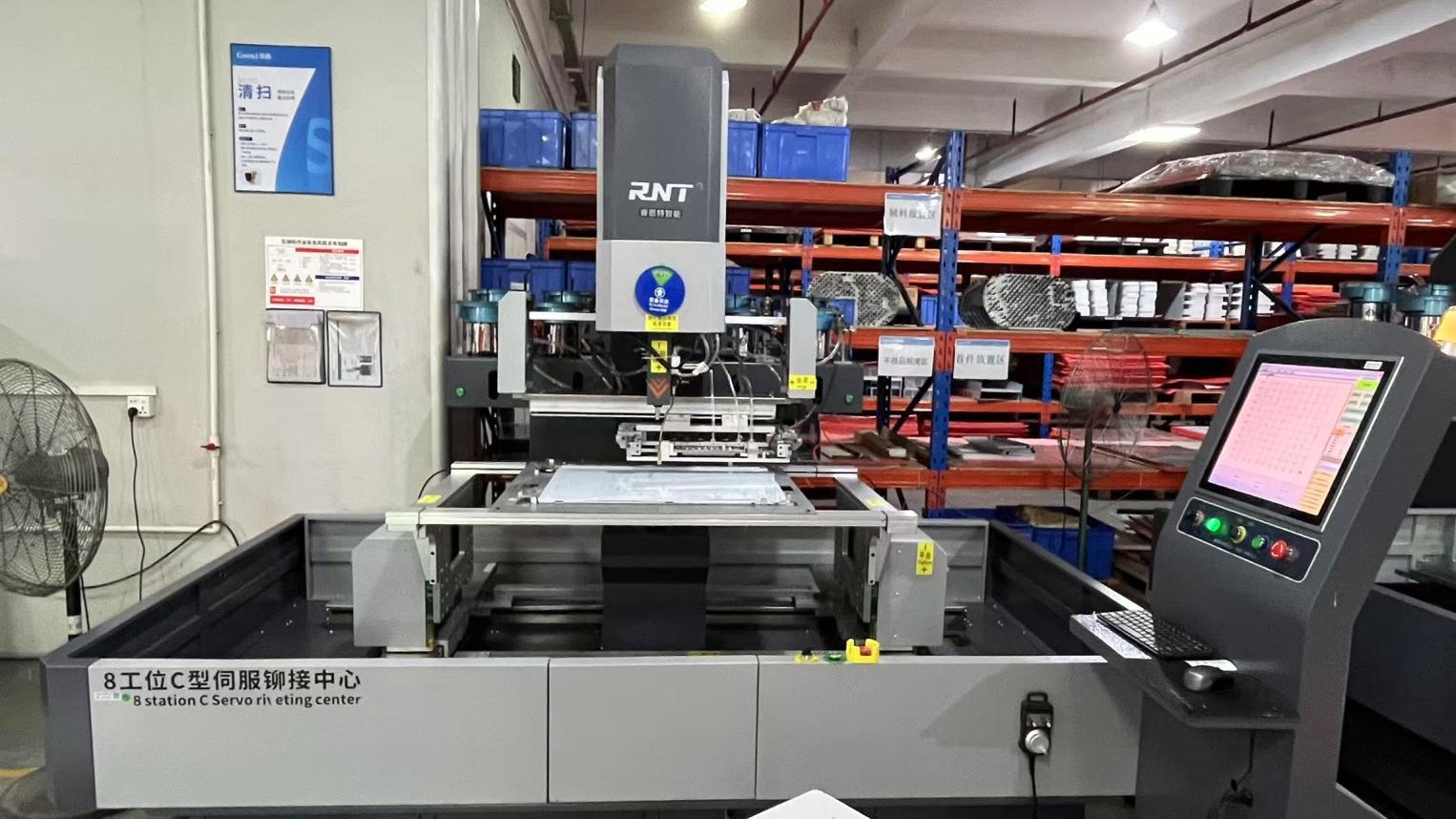
Founded in 2017, Zyphora is a professional manufacturer and global supplier of AI GPU servers, high-performance computing systems, and customized data center solutions. Headquartered in Shenzhen, China, the company operates a modern production facility covering 386 square meters and serves customers across North America, Europe, Southeast Asia, and the Middle East.
With annual export revenue exceeding USD 18 million, Zyphora has built a strong reputation in the AI computing infrastructure industry through continuous innovation, reliable product quality, and customer-focused service. Our team brings over 12 years of industry experience and 7 years of export expertise, enabling us to support clients worldwide with efficient project delivery and professional technical assistance.
Zyphora specializes in AI GPU servers, GPU workstations, rackmount servers, storage servers, and customized computing solutions for artificial intelligence, machine learning, cloud computing, and high-performance computing applications. Supported by a robust supply chain network of more than 1,200 qualified partners, we ensure stable sourcing, flexible production, and rapid delivery.
Quality is at the core of everything we do. Our products undergo comprehensive reliability testing, thermal performance evaluation, burn-in testing, and functional inspections throughout the manufacturing process. A dedicated quality control team of 42 professionals ensures that every product meets strict international standards before shipment.
Innovation drives our growth. Our R&D department consists of 86 experienced engineers specializing in server architecture, thermal management, hardware integration, and AI infrastructure optimization. Each year, we introduce more than 120 new products and upgraded solutions to meet the evolving demands of global customers.
Zyphora offers comprehensive OEM and ODM services, including hardware customization, chassis design, branding, firmware configuration, and system integration. Our flexible manufacturing capabilities enable us to provide tailored solutions for cloud service providers, AI startups, research institutions, system integrators, data center operators, and enterprise customers.
Guided by the principles of quality, innovation, and customer success, Zyphora is committed to delivering advanced AI computing infrastructure that empowers organizations to accelerate digital transformation and unlock the full potential of artificial intelligence.
As the demand for decentralized workloads grows, several key technological shifts are shaping the future of edge computing hardware:
Expert technical insights regarding hardware compatibility, customized assembly, and supply chain logistics.
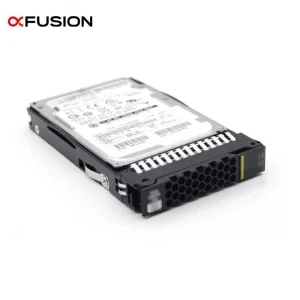
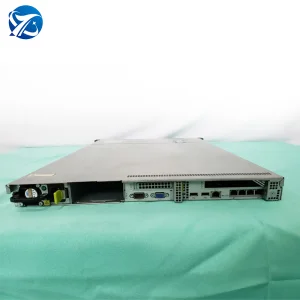
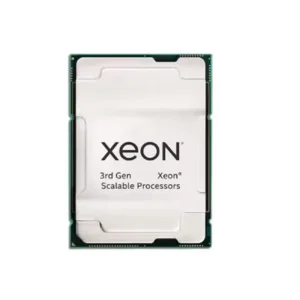
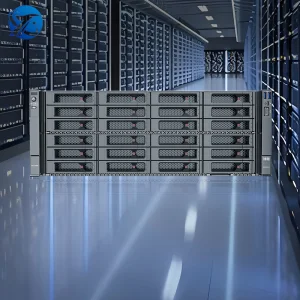
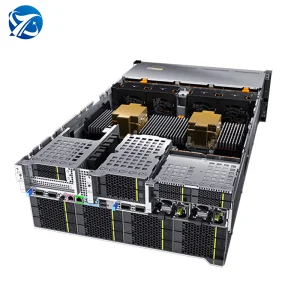
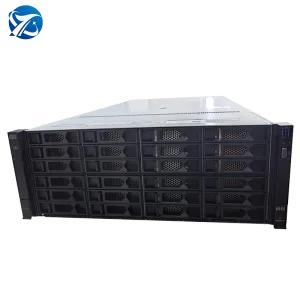
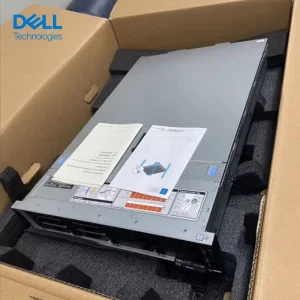
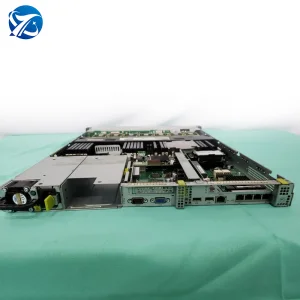
High-capacity storage drives, high-speed CPUs, and advanced server systems designed to support data workloads at the edge.