Zyphora
Zyphora
Zyphora
Explore our elite array of Enterprise Compute and Storage units engineered for real-time failover, low RTO/RPO targets, and continuous data mirroring.
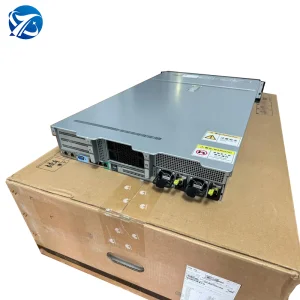
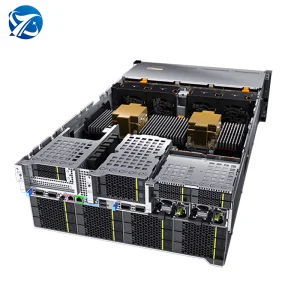
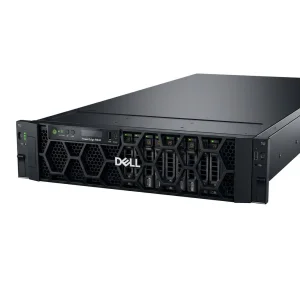
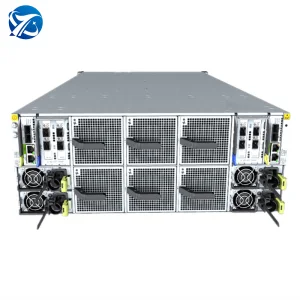
In the digital-first economy, data is the most critical asset for any enterprise. According to international market research, a single hour of system downtime costs enterprises between $300,000 to over $5 million, depending on industry vertical. Consequently, Disaster Recovery (DR) is no longer a mere contingency plan; it is a fundamental pillar of modern operational survival. Historically, disaster recovery focused on tape-based backups and simple cold-standby data centers. Today, with the rapid expansion of hybrid cloud architecture, massive IoT telemetry, and AI workloads, DR solutions have transitioned to real-time replication, containerized microservice failover, and hardware-accelerated recovery paths.
Globally, enterprise infrastructure must contend with a complex grid of failure modes—from natural disasters and electrical grids failing under heat domes to sophisticated ransomware attacks designed to corrupt active databases and shadow volume snapshots. Hardware robustness, controller-level intelligence, and fast disk access are critical when recovery objectives demand an RTO (Recovery Time Objective) of minutes and an RPO (Recovery Point Objective) of seconds. Physical topology optimization, thermal dissipation capabilities, and storage interface bandwidth determine how quickly a business can stand back up after catastrophic node failures.
An engineering deep-dive into the architectural setups that supply chains deploy to support mission-critical enterprise resilience.
Utilizes ultra-high-speed SAN and NVMe storage clusters synchronized over direct fiber connections. When write IOPS occur at the primary site, they are committed to the secondary recovery site concurrently before acknowledgement. Ensures zero data loss (RPO = 0).
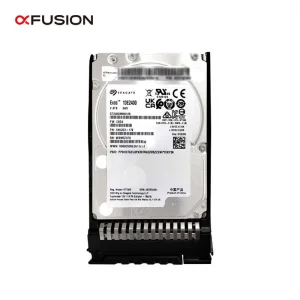
Uses SAS RAID controller cards (e.g., PCIe 4.0 X8 controllers) to compute hardware parity. This protects local disks against multiple concurrent drive losses. Hot spares activate automatically to reconstruct parity blocks and prevent arrays from degrading.
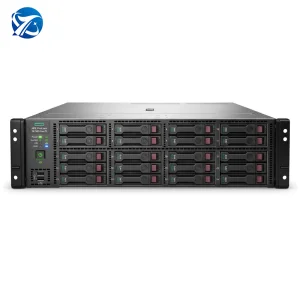
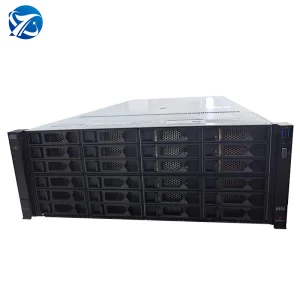
Employs high-density 4U, 36-bay to 60-bay enterprise storage servers to store snapshot sequences, incremental system backups, and database transaction logs. Built-in deduplication and compression reduce long-term cold-storage TCO.
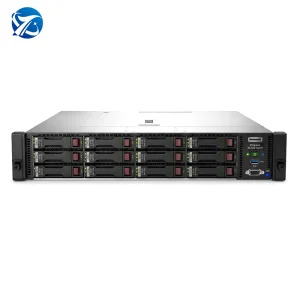
Configured using high-performance 2U 2-socket rack servers equipped with large memory banks. Runs hypervisors like ESXi or KVM to rapidly boot replicated VM files within minutes of a primary site failure, lowering overall RTO.
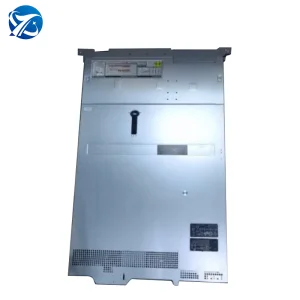
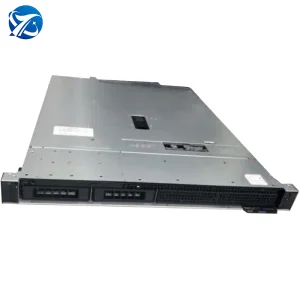
Consists of ruggedized 1U servers positioned at edge nodes or regional branches. These servers execute local recovery workflows and back up metadata to a centralized cloud, maintaining operations during regional network disruptions.
Deploying specialized GPU nodes at both the primary and recovery sites to continuously assess telemetry and workload health. AI models predict imminent system hardware failures, prompting proactive VM migrations to secondary infrastructure.
Implements physical and logical air-gapping on write-once-read-many (WORM) storage. By isolating backup repositories from public interfaces, it prevents ransomware from modifying or deleting existing recovery datasets.
Utilizes next-generation liquid-cooled servers for high-density recovery sites. Sustaining massive parallel bare-metal restores requires significant thermal stability. Liquid loops ensure systems maintain top processing capacity without thermal throttling.
A distributed network setup where physical servers in multiple regions form a mesh topology. If one region encounters a critical fault, workloads shift dynamically to remaining nodes across the global grid.
Pre-configured server systems with dedicated recovery management firmware. They support rapid automated operating system restoration directly onto raw hardware, using PXE boot schemas linked to off-site image repositories.
Assess how different server and storage setups align with your organization's specific recovery targets.
| Architecture Type | Ideal Target RTO | Ideal Target RPO | Required Hardware Components | Deployment Model |
|---|---|---|---|---|
| Active-Active Synchronous | < 5 Seconds | 0 (Zero Data Loss) | Low-latency Enterprise NVMe arrays, Dedicated fiber switches, Dual-controller systems | Hot Site Mirroring |
| Active-Passive Asynchronous | < 4 Hours | < 15 Minutes | High-capacity rackmount servers, SATA HDDs with hardware RAID redundancy | Warm Site Standby |
| Snapshot Archival Storage | < 24 Hours | < 24 Hours | High-density NAS platforms, 20TB+ enterprise drives, immutable firmware | Cold Storage / Air-Gap |
| Edge-to-Cloud Distributed | < 1 Hour | < 1 Hour | 1U compact rackmount systems, PCIe NVMe boot drives, dual-port LAN links | Hybrid Cloud Edge |
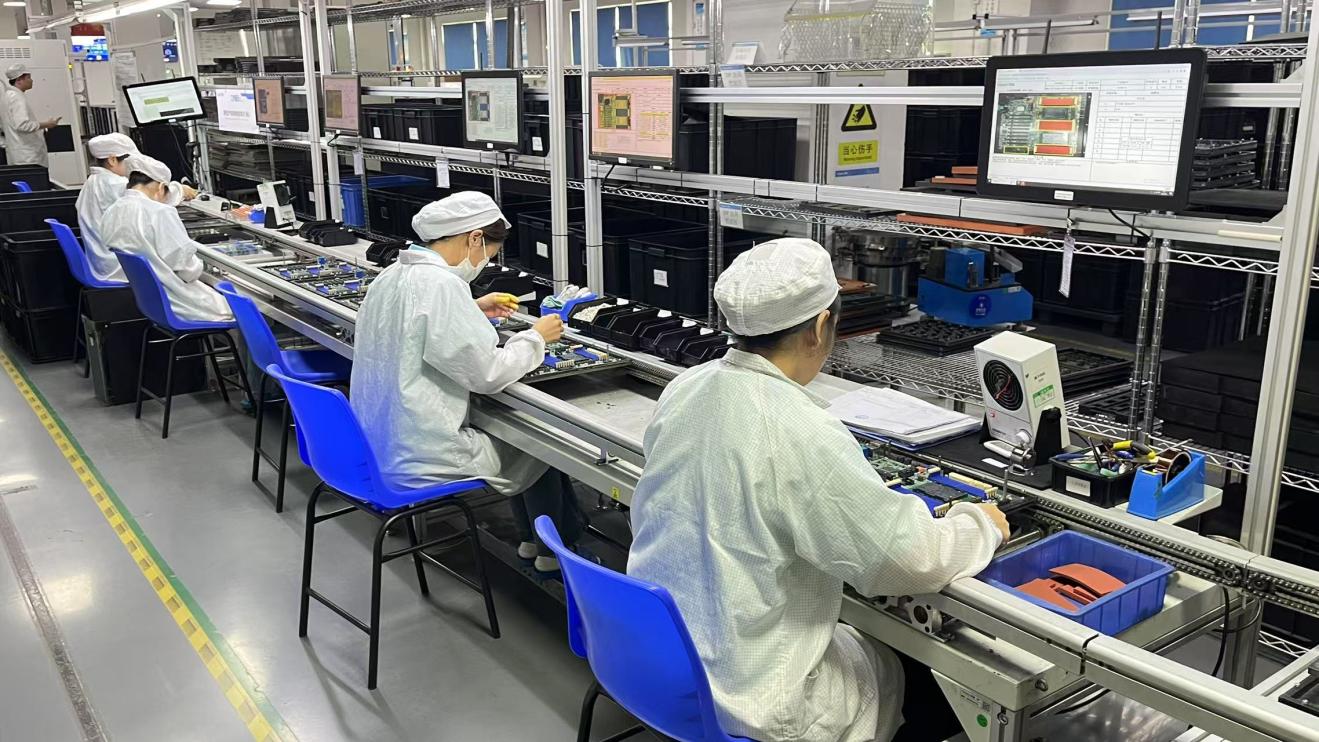
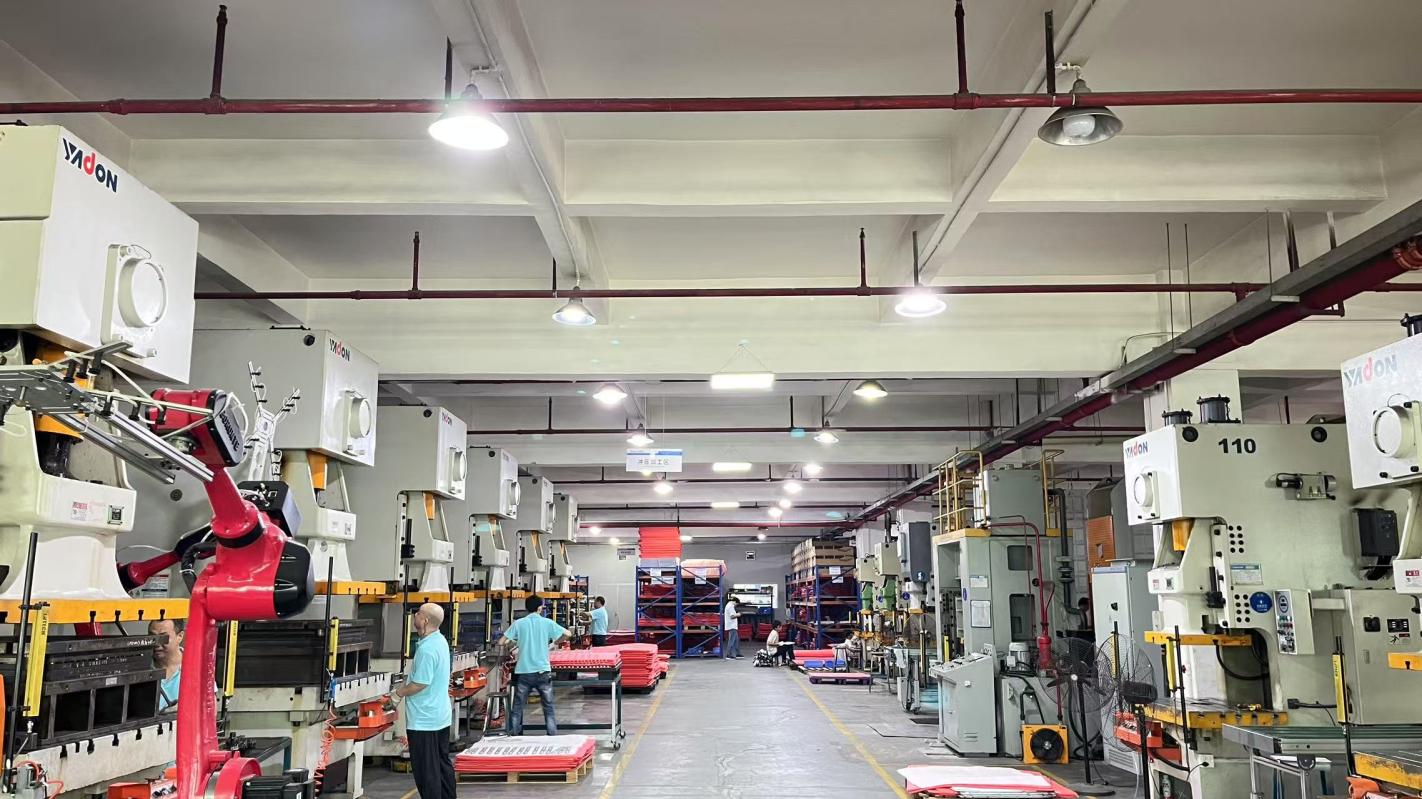
Shenzhen, China, serves as the heart of the global electronics and hardware manufacturing ecosystem. Zyphora's placement in this major technology hub provides clear benefits in cost, speed-to-market, and supply chain strength. The local environment features an extensive supplier network capable of sourcing raw silicon, printed circuit boards (PCBs), chassis sheet metal, high-frequency connectors, and thermal fans within hours rather than weeks.
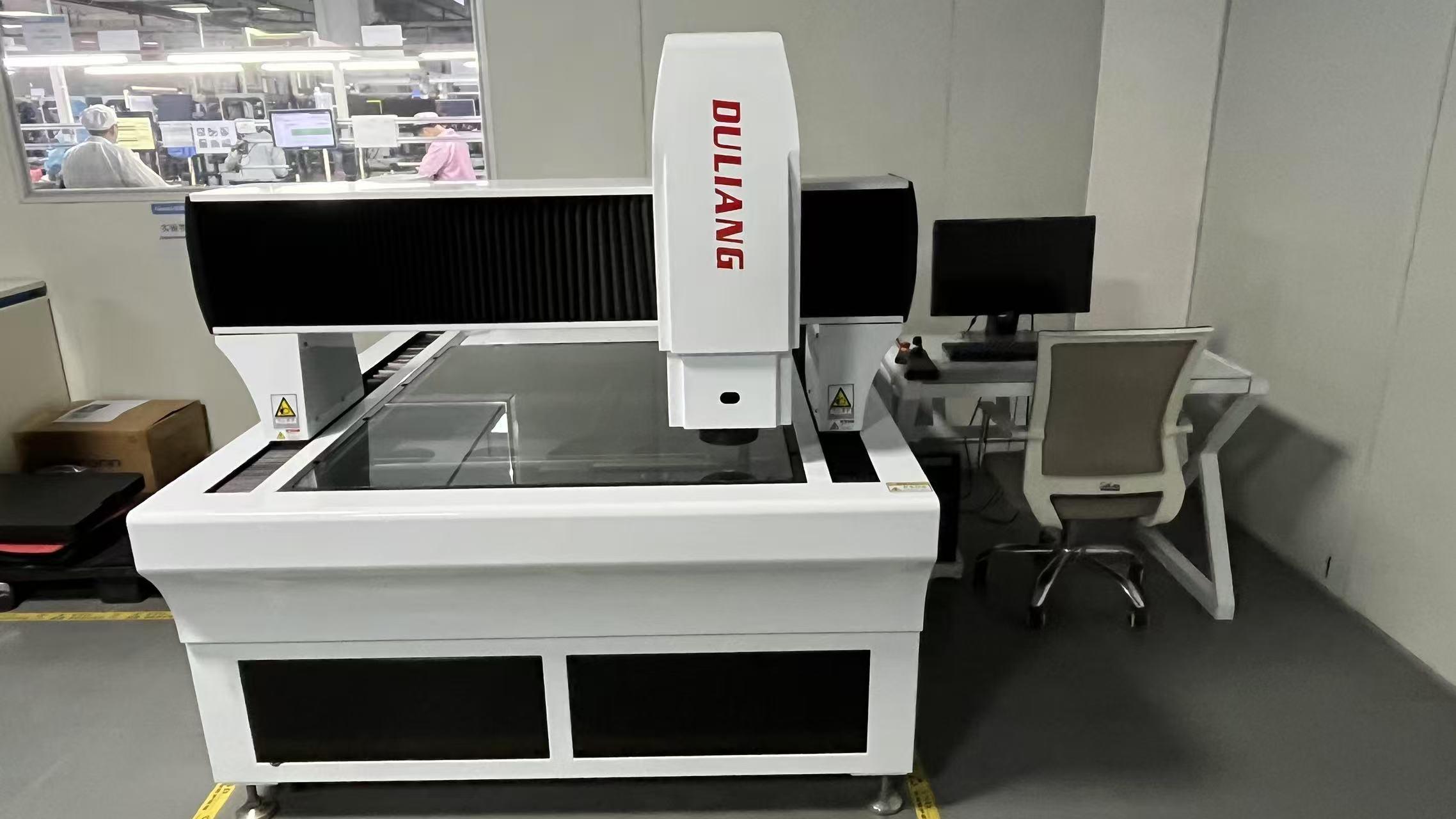
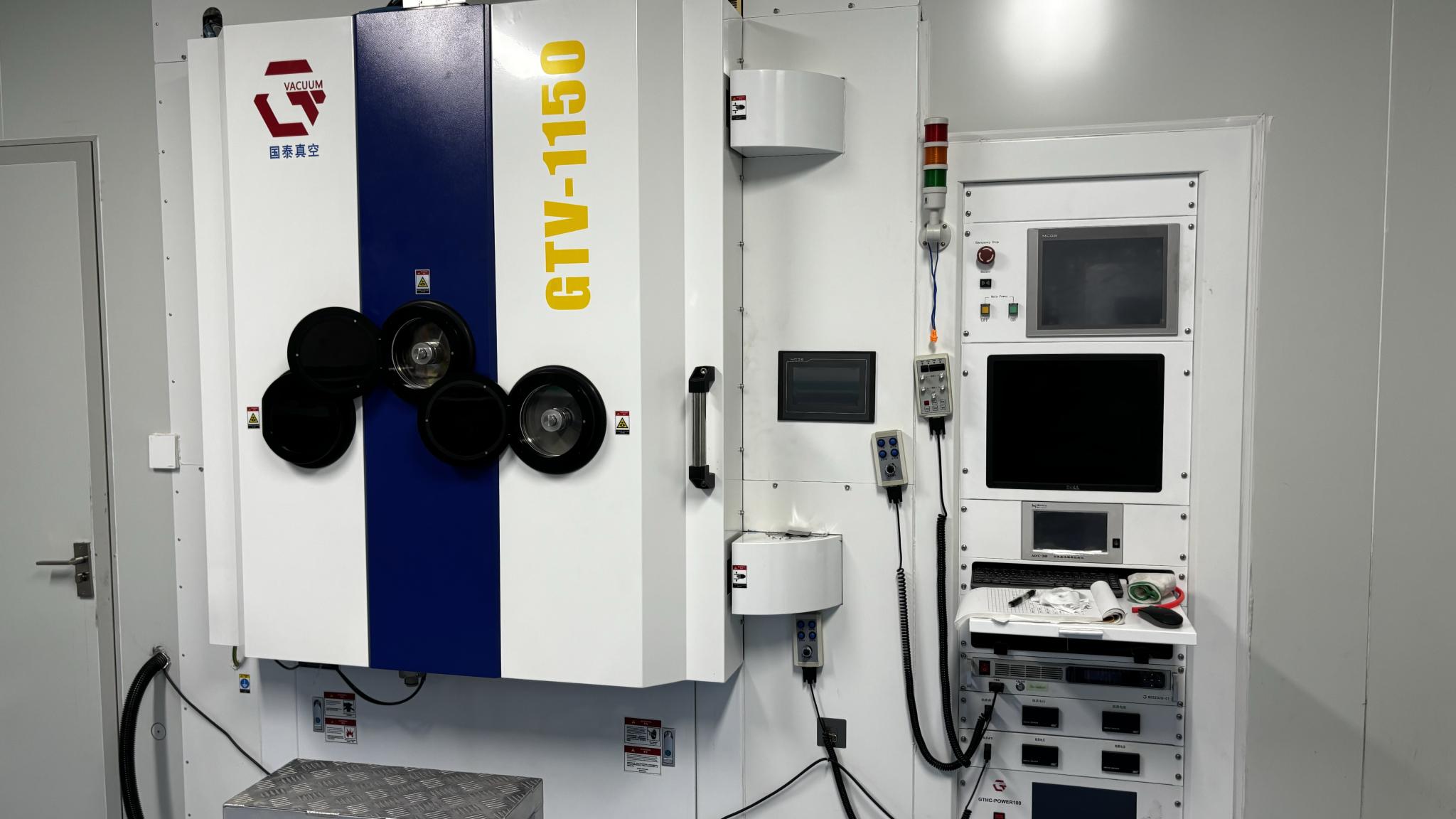
Supported by a comprehensive supply chain network of more than 1,200 qualified partners, Zyphora manages component procurement from top-tier chip and wafer manufacturers down to passive hardware. This dense local network helps insulate our assembly lines from global logistics bottlenecks. Our facility maintains raw component safety stocks alongside finished goods inventory, ensuring that even during global semiconductor shortages, we can supply, customize, and ship rackmount nodes to overseas customers without long delays. Our 42-member Quality Control team ensures each server chassis undergoes thorough thermal testing, burn-in validation, and vibrations tests prior to distribution, guaranteeing reliability in critical recovery scenarios.
Our long-term developmental blueprint is aligned with emerging enterprise data center trends.
We are deploying PCIe 5.0 lanes across our entire 2U server lineup. This upgrade doubles the transfer bandwidth to storage controllers and network adapters, speeding up data ingestion during high-workload restores.
To support high-density processing, we are launching server architectures with integrated liquid loops. This layout keeps CPU temperatures stable during sustained, high-load bare-metal recovery runs.
Our upcoming generation of storage controllers will include low-latency neural processing units (NPUs). These units scan incoming backup data streams for anomalous patterns, such as ransomware encrypting data, in real time.
Data privacy and information security regulations are tightening globally. Modern organizations must comply with regional frameworks such as GDPR in the European Union, HIPAA and SOC 2 in North America, and APRA in Australia. These regulatory frameworks state that data backup and recovery infrastructure must be secure, accessible, auditable, and resilient. Zyphora designs its hardware to meet these standards. We use components that support hardware-based AES-256 encryption, secure boot protocols, and Trusted Platform Modules (TPM 2.0).
Additionally, we work closely with system integrators to configure write-once-read-many (WORM) storage settings at the controller level. This provides protection against unauthorized data modifications and helps companies satisfy compliance audits. Our engineers verify compatibility with major enterprise backup software packages, enabling seamless deployment into multi-vendor environments while maintaining strict compliance configurations.
Founded in 2017, Zyphora is a professional manufacturer and global supplier of AI GPU servers, high-performance computing systems, and customized data center solutions. Headquartered in Shenzhen, China, the company operates a modern production facility covering 386 square meters and serves customers across North America, Europe, Southeast Asia, and the Middle East.
With annual export revenue exceeding USD 18 million, Zyphora has built a strong reputation in the AI computing infrastructure industry through continuous innovation, reliable product quality, and customer-focused service. Our team brings over 12 years of industry experience and 7 years of export expertise, enabling us to support clients worldwide with efficient project delivery and professional technical assistance.
Zyphora specializes in AI GPU servers, GPU workstations, rackmount servers, storage servers, and customized computing solutions for artificial intelligence, machine learning, cloud computing, and high-performance computing applications. Supported by a robust supply chain network of more than 1,200 qualified partners, we ensure stable sourcing, flexible production, and rapid delivery.
Quality is at the core of everything we do. Our products undergo comprehensive reliability testing, thermal performance evaluation, burn-in testing, and functional inspections throughout the manufacturing process. A dedicated quality control team of 42 professionals ensures that every product meets strict international standards before shipment. Our R&D department consists of 86 experienced engineers specializing in server architecture, thermal management, hardware integration, and AI infrastructure optimization. Each year, we introduce more than 120 new products and upgraded solutions to meet the evolving demands of global customers.
Zyphora offers comprehensive OEM and ODM services, including hardware customization, chassis design, branding, firmware configuration, and system integration. Our flexible manufacturing capabilities enable us to provide tailored solutions for cloud service providers, AI startups, research institutions, system integrators, data center operators, and enterprise customers.

Answers to common technical, logistics, and integration questions from data center operators and IT managers.
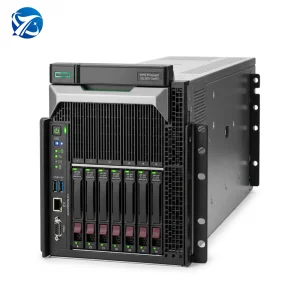
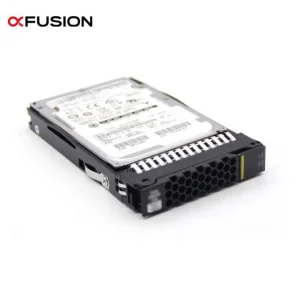
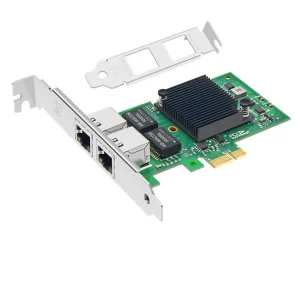
Select from our range of 1U, 2U, and 4U servers, high-performance network adapters, and high-density disk arrays designed for enterprise workloads.