Zyphora
Zyphora
Zyphora
Optimized for Deep Learning, Large-Scale AI Datacenters, and High-Throughput Clusters
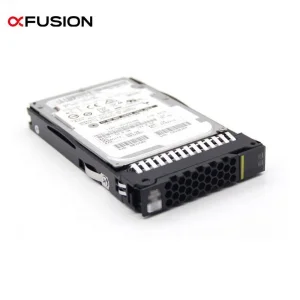
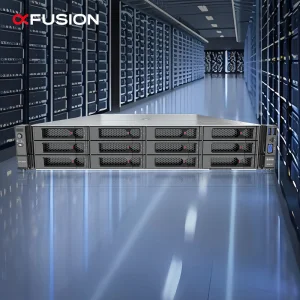
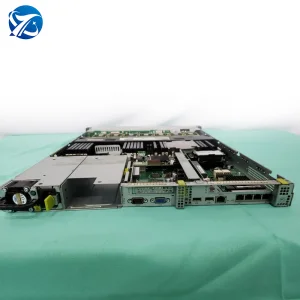
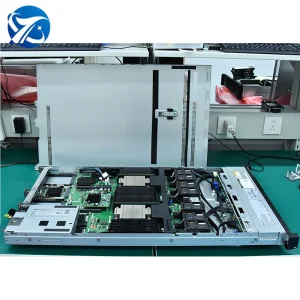
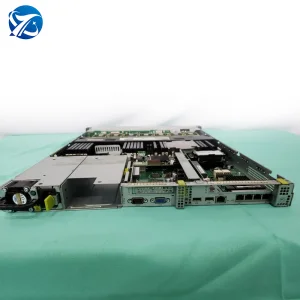
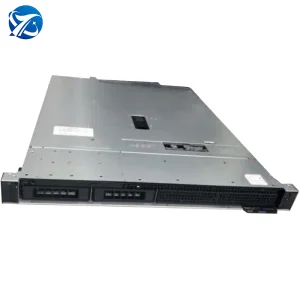
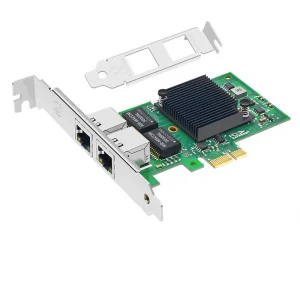
The global demand for high-performance artificial intelligence systems has reached unprecedented heights, driven by the emergence of massive foundation models, large language models (LLMs) such as DeepSeek, and complex deep learning algorithms. Training these neural networks requires computational power that standard commodity servers cannot support. Real-time compute tasks, model checkpointing, massive parallelization, and ultra-low latency interconnects have redefined the requirements for modern data centers.
An optimal AI training system is not merely a collection of high-end GPUs; it is a holistic, balanced architecture that coordinates compute clusters, fast NVMe-over-Fabrics (NVMe-oF) storage, high-density DDR5/HBM memory channels, and robust PCIe Gen 5 routing topologies. Without balanced systemic engineering, bottlenecks arise at the I/O bus, memory access channels, or thermal management stages, rendering valuable computing assets underutilized.
Why the World's Leading Tech Enterprises Partner with Shenzhen Factories
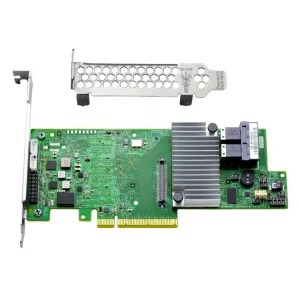
Shenzhen represents the heart of the worldwide electronics assembly and semiconductor layout system. From raw components and specialized PCBs to RAID storage controllers (like the 9560-16i PCIe 4.0 card) and raw chassis units, everything is sourced, assembled, and refined within a tight geographic perimeter. This proximity translates to shorter turnaround times and reduced logistics costs.
Unlike rigid off-the-shelf Western distribution systems, Chinese manufacturers provide extensive customized hardware and software solutions. Enterprise buyers can specify customized system bios configurations, alternative system board layouts, specific thermal heatsinks, or integrated storage arrays tailored precisely to their internal AI pipeline specifications.
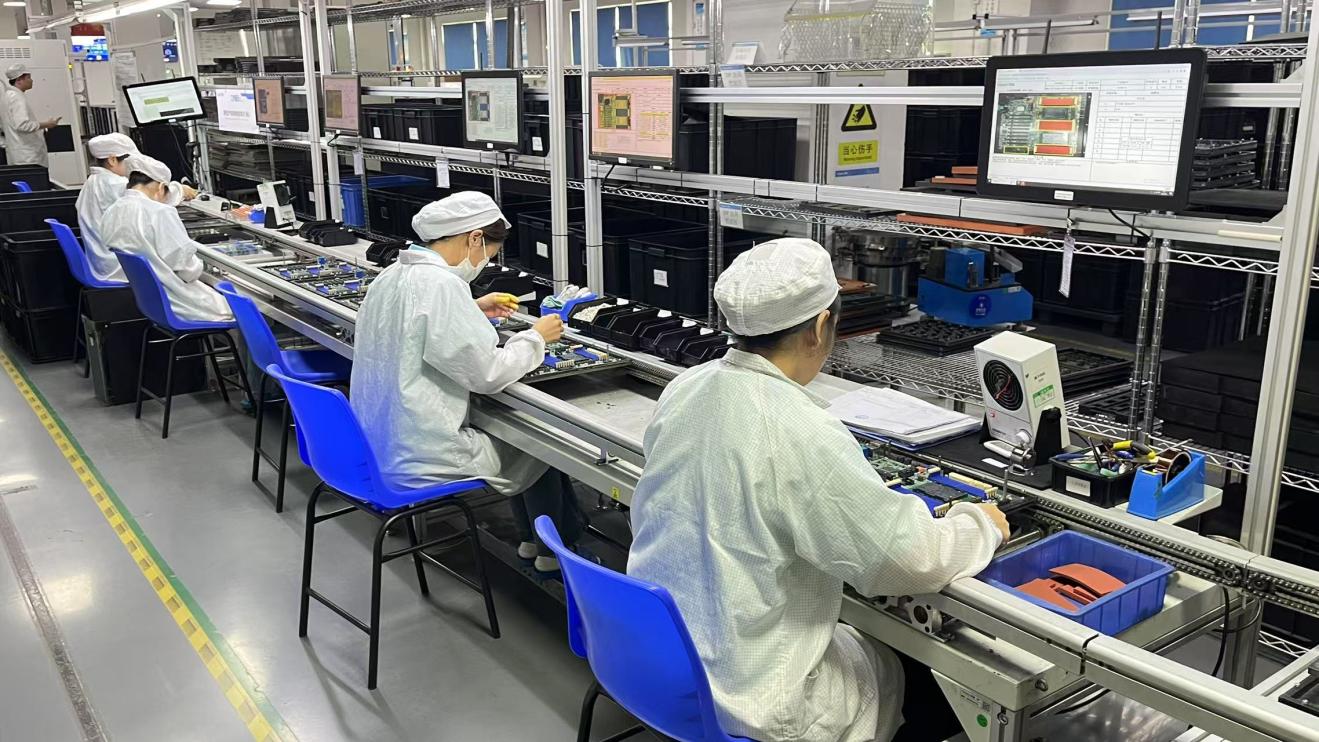
To compete at a global scale, Shenzhen manufacturers implement multi-stage QA systems. This includes high-temperature stress tests, full-load GPU/CPU burn-in operations for 48 to 72 hours, electromagnetic compatibility (EMC) assessments, and thermal distribution optimizations, ensuring failure rates are kept to negligible minimums.
Your Global Partner in Specialized AI Infrastructure & Computing Solutions
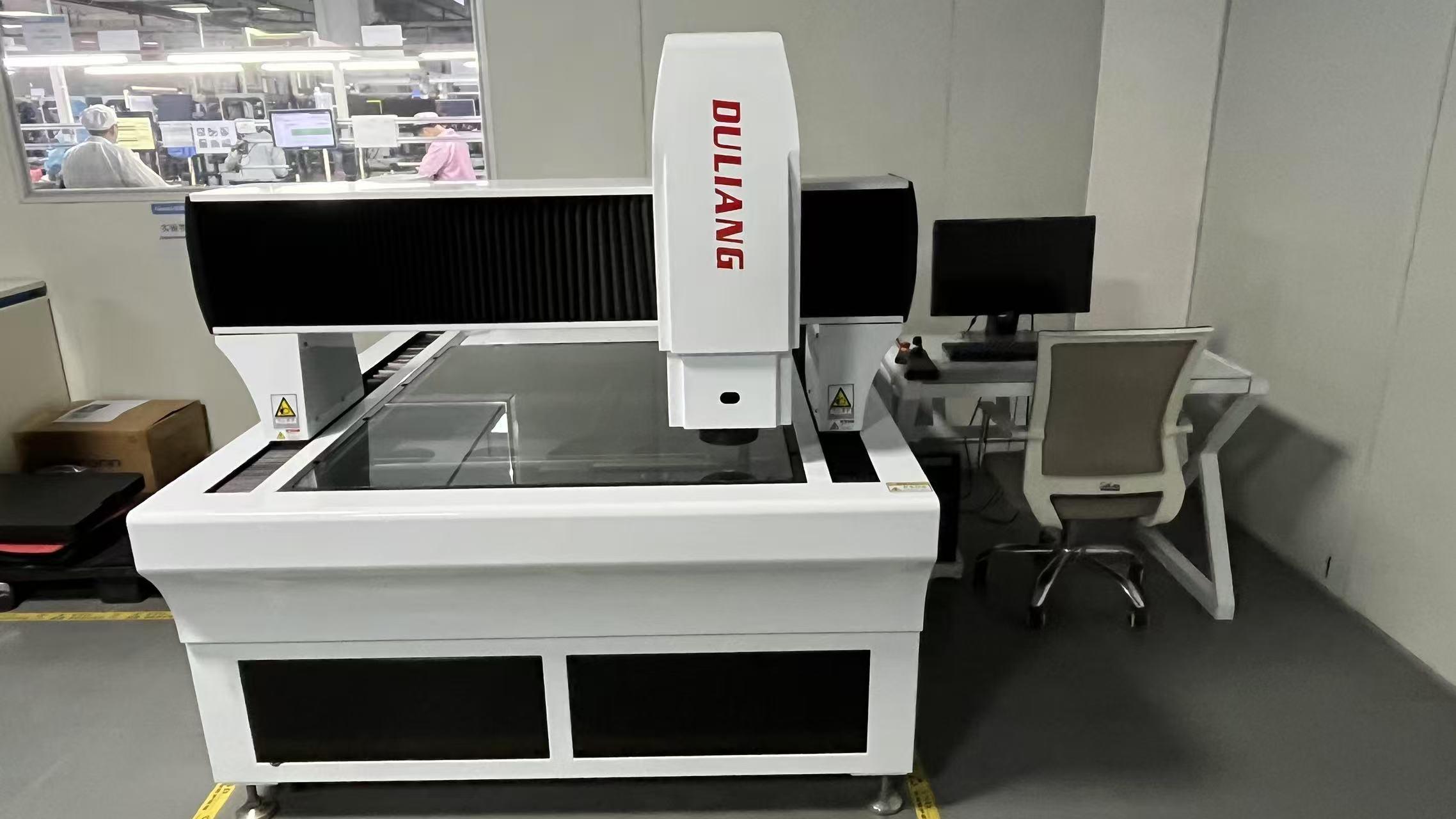
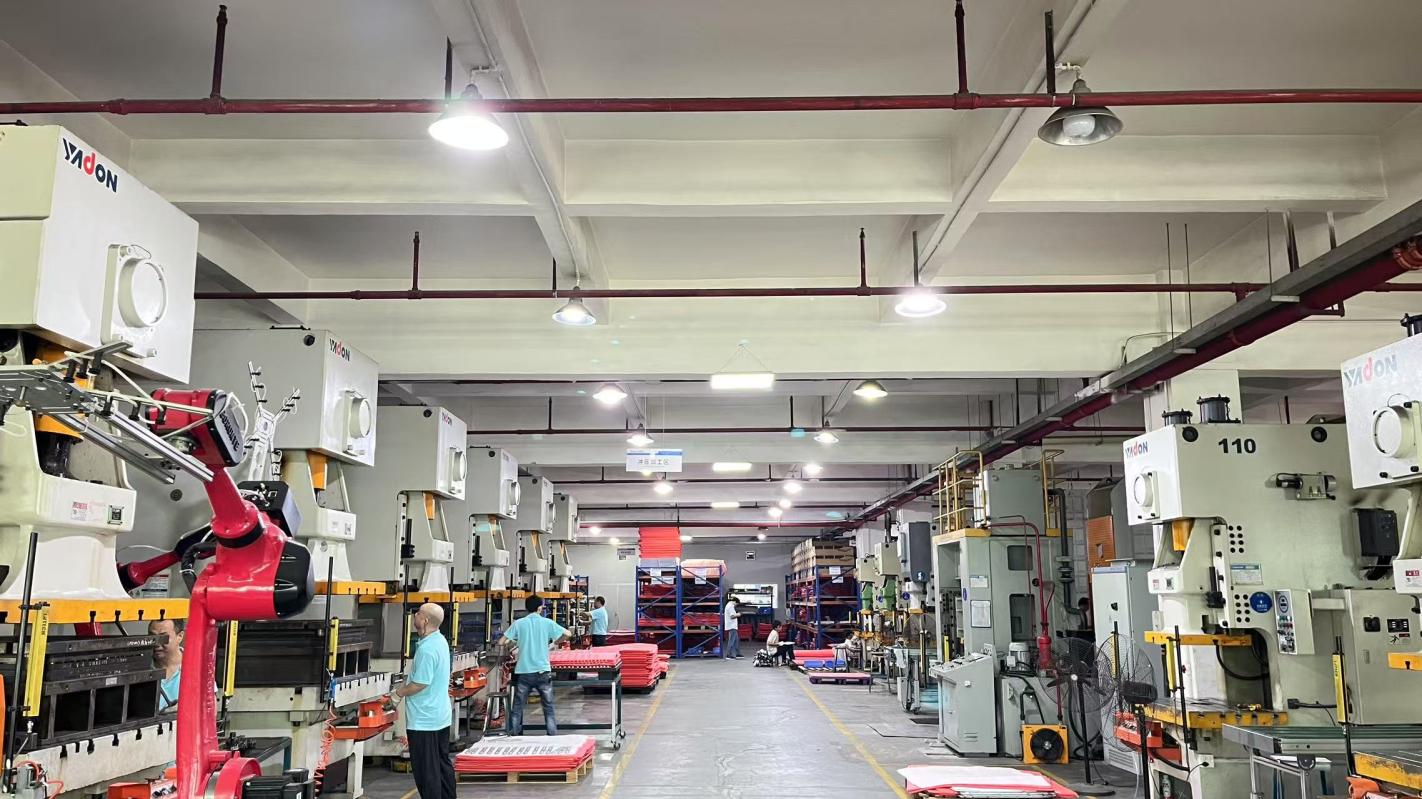
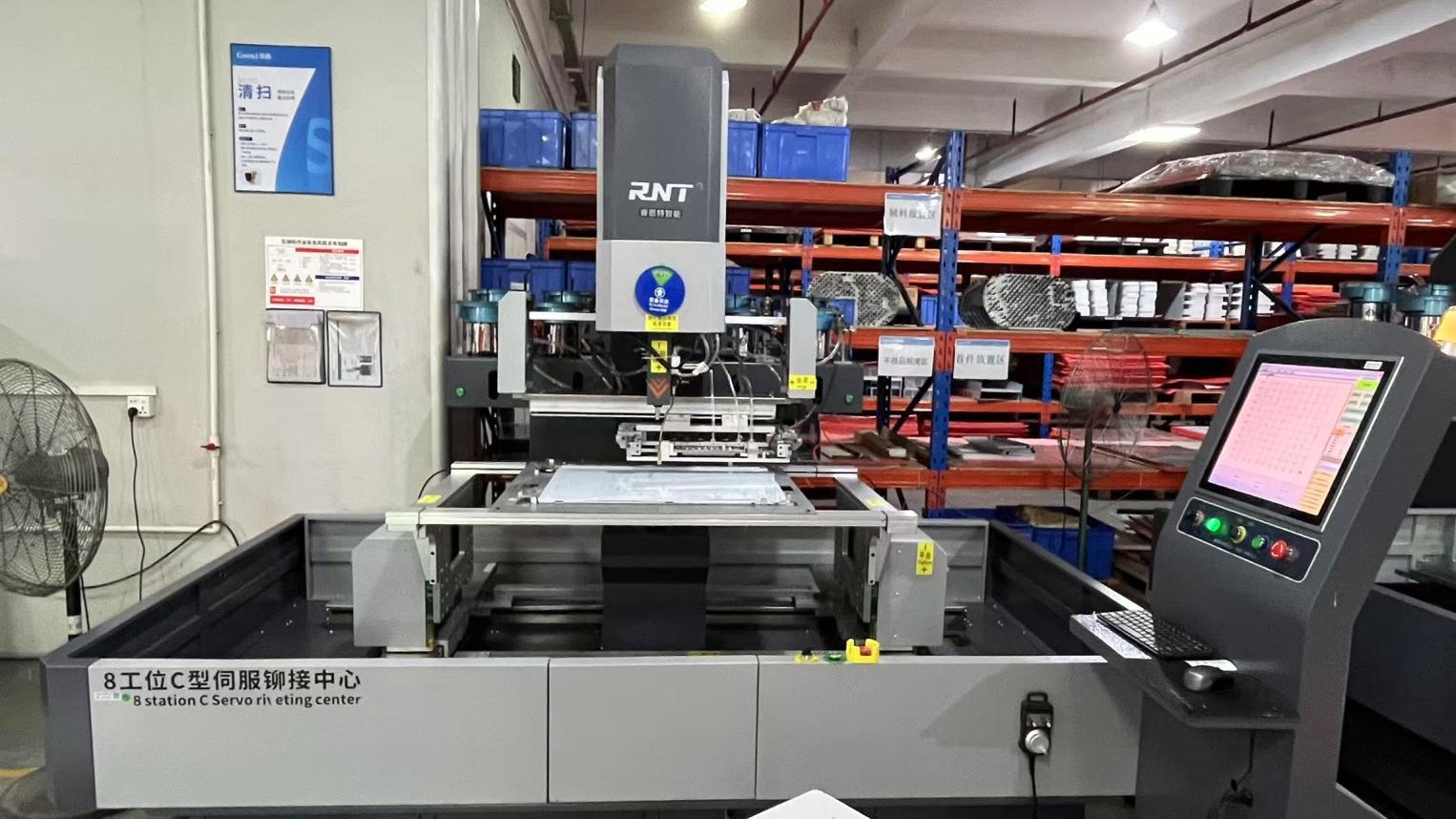
Founded in 2017, Zyphora is a professional manufacturer and global supplier of AI GPU servers, high-performance computing systems, and customized data center solutions. Headquartered in Shenzhen, China, the company operates a modern production facility covering 386 square meters and serves customers across North America, Europe, Southeast Asia, and the Middle East.
With annual export revenue exceeding USD 18 million, Zyphora has built a strong reputation in the AI computing infrastructure industry through continuous innovation, reliable product quality, and customer-focused service. Our team brings over 12 years of industry experience and 7 years of export expertise, enabling us to support clients worldwide with efficient project delivery and professional technical assistance.
Zyphora specializes in AI GPU servers, GPU workstations, rackmount servers, storage servers, and customized computing solutions for artificial intelligence, machine learning, cloud computing, and high-performance computing applications. Supported by a robust supply chain network of more than 1,200 qualified partners, we ensure stable sourcing, flexible production, and rapid delivery.
Quality is at the core of everything we do. Our products undergo comprehensive reliability testing, thermal performance evaluation, burn-in testing, and functional inspections throughout the manufacturing process. A dedicated quality control team of 42 professionals ensures that every product meets strict international standards before shipment.
Innovation drives our growth. Our R&D department consists of 86 experienced engineers specializing in server architecture, thermal management, hardware integration, and AI infrastructure optimization. Each year, we introduce more than 120 new products and upgraded solutions to meet the evolving demands of global customers.
Zyphora offers comprehensive OEM and ODM services, including hardware customization, chassis design, branding, firmware configuration, and system integration. Our flexible manufacturing capabilities enable us to provide tailored solutions for cloud service providers, AI startups, research institutions, system integrators, data center operators, and enterprise customers.
AI training clusters require specific hardware profiles depending on their operational context. Implementing high-density server clusters demands structured strategies that align compute, networking, and cooling constraints.
Training advanced ADAS (Advanced Driver Assistance Systems) models involves parsing petabytes of video streams and sensor fusion datasets (LIDAR, Radar, and Sonar). A unified architecture coupling high-density SSD storage, like SATA 6Gb/s Read Intensive SSDs, with dedicated GPU training cards helps scale this visual data pipeline efficiently, reducing batch processing duration.
Modern deep learning architectures (such as DeepSeek or Llama models) demand massive memory capacity across multiple GPUs to store model weights, gradients, and optimizer states. Multi-GPU node arrangements connected via high-bandwidth host controller adapters (HCAs) and managed via array controller cards like the XC170-M-8i RAID card enable parallelized training processes across massive clusters.
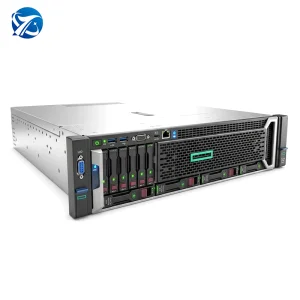
For molecular dynamics, protein folding simulation, and genomic mapping, compute platforms must integrate high CPU-core density alongside hardware-accelerated memory layers. Enterprise solutions like the HPE ProLiant Compute DL360 Gen12, boasting Intel Xeon 6 processing cores, provide the robust multi-threaded compute density needed for raw mathematical modeling.
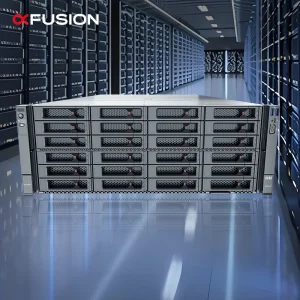
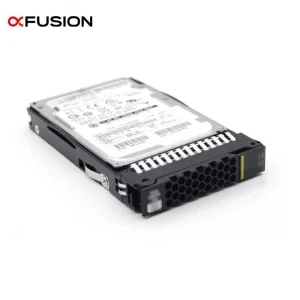
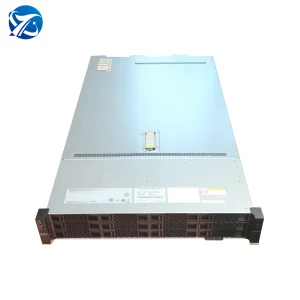
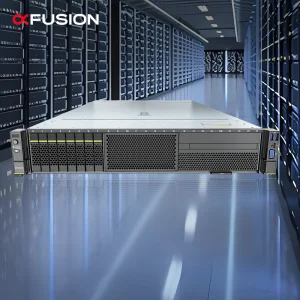
CSPs hosting AI training capabilities require flexible, virtualized environments that allow GPU dynamic slicing. Systems designed for modular expansion, such as the xFusion FusionServer 2288H V6 or 5288 V7 4U configurations, facilitate hot-swapping drive bays and PCIe expansion slots to scale resources dynamically based on client demand.
Enterprise buyers and system integrators must assess several key factors when negotiating contracts with AI system manufacturers:
Technical Insights & Procurement Clarifications
Expandable Compute Architectures and RAID Array Cards for Enterprise Operations