Zyphora
Zyphora
Zyphora
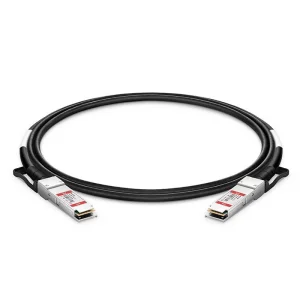
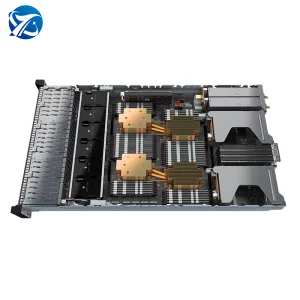
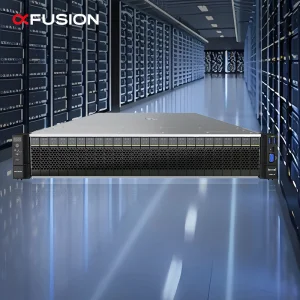
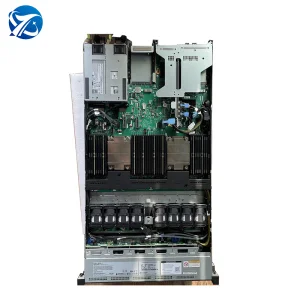
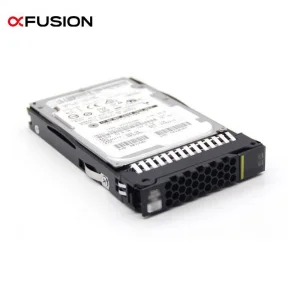
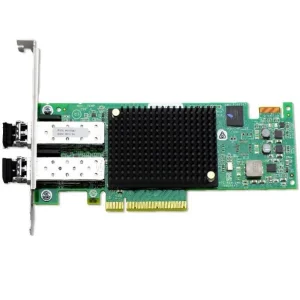
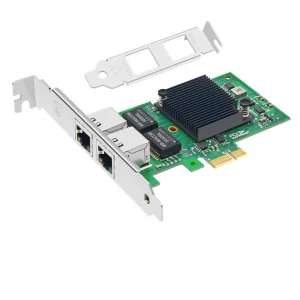
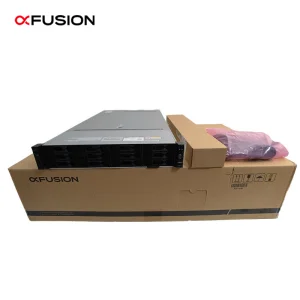
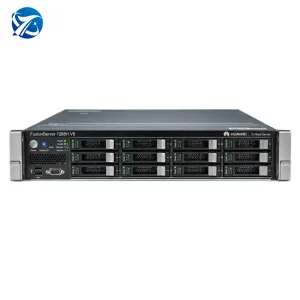
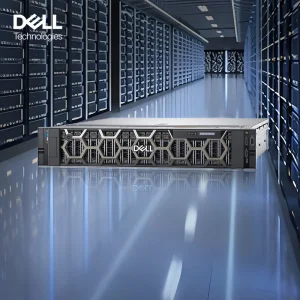
Modern Artificial Intelligence workloads require robust hardware foundations. Accelerating massive language models, complex neural network training pipelines, and DeepSeek model environments relies on direct board designs, high-throughput network adapters, and rapid server data storage arrays. Below is a curated range of high-density storage and networking components customized for modern rackmount infrastructure.
As deep learning workloads evolve and models scale to trillions of parameters, standard cloud servers face physical and thermal limits. GPU hosting factories construct specialized AI systems with thermal designs capable of handling high TDPs (Thermal Design Power) and high-speed PCIe Gen5 architectures. This whitepaper explains the procurement frameworks, engineering benchmarks, and logistics models used by the top 10 global manufacturers to deliver production-ready computing resources.
Enterprise buyers selecting an AI GPU hosting or manufacturing partner must analyze how server motherboard topologies, power delivery, and cooling systems work together. Top manufacturers do not simply assemble parts; they design high-efficiency, multi-GPU systems that maintain signal integrity across high-speed interfaces like NVLink, NVSwitch, and PCIe switches. Our research indicates that key factors in choosing a manufacturing partner include:
Designing system boards that support up to 8x or 16x PCIe accelerators with minimal signal degradation and latency across high-frequency pathways.
Employing advanced liquid loops, vapor chambers, and variable-speed fan controllers to keep silicon junctions below critical throttling limits.
Integrating high-efficiency power supplies (platinum or titanium rated) and busbars to distribute stable, high-amperage power directly to silicon dies.
Modern AI GPU hosting platforms must accommodate diverse system topologies. The selection between OAM (Open Accelerator Module) designs and standard PCIe layouts changes the rack density and cooling profiles. Leading ODM and OEM providers customize system backplanes to support high-density configurations, ensuring compatibility with major interconnect designs like NVLink and PCIe Gen5 fabrics.
Beyond the accelerators, memory bandwidth is a major bottleneck in deep learning training. High-density GPU configurations pair high-bandwidth memory (HBM3/HBM3e) with dual-socket processors like Intel Xeon Scalable or AMD EPYC architectures. System design must balance host memory capacity, storage bus throughput, and GPU memory capacity to prevent CPU bottlenecking during data ingestion cycles.
Shenzhen, China, is a central hub for computing hardware supply chains. The city's concentration of PCB manufacturers, surface mount technology (SMT) lines, chassis factories, and power supply design labs allows for rapid prototyping and manufacturing scaling. This ecosystem enables local manufacturers to adapt to new silicon designs and update chassis configurations faster than remote facilities.
This localized supply chain reduces lead times for critical materials, including high-frequency PCBs, copper heat pipes, liquid-cooling blocks, and customizable rackmount frames. By maintaining close partnerships with chip providers and component manufacturers, Shenzhen-based operations help secure supply lines against global logistics disruptions and component shortages.
Global enterprises evaluating GPU hosting solutions must weigh capital expenditure (CapEx) against operational expenditure (OpEx). Deploying hardware on-premises requires substantial power infrastructure, dedicated cooling, and on-site engineering teams. Consequently, many modern enterprises choose hybrid deployments: purchasing custom hardware from ODM factories and placing it in specialized GPU hosting and colocation data centers.
When drafting hardware procurement documents, enterprise technical officers evaluate several key performance indicators:
Deploying AI systems globally requires navigating different regulatory systems. Power emissions, safety standards, and environmental certifications (like CE, FCC, RoHS, and UL) dictate which hardware can be installed in specific regions. Leading factories ensure their server designs comply with regional safety frameworks prior to shipment.
Data sovereignty laws like GDPR in Europe and regional data protection acts require localized computing configurations. Global GPU hosting providers help enterprises meet these rules by offering isolated hardware, encrypted storage, and remote out-of-band management systems that keep sensitive model training data within required borders.
Founded in 2017, Zyphora is a professional manufacturer and global supplier of AI GPU servers, high-performance computing systems, and customized data center solutions. Headquartered in Shenzhen, China, the company operates a modern production facility covering 386 square meters and serves customers across North America, Europe, Southeast Asia, and the Middle East.
With annual export revenue exceeding USD 18 million, Zyphora has built a strong reputation in the AI computing infrastructure industry through continuous innovation, reliable product quality, and customer-focused service. Our team brings over 12 years of industry experience and 7 years of export expertise, enabling us to support clients worldwide with efficient project delivery and professional technical assistance.
Zyphora specializes in AI GPU servers, GPU workstations, rackmount servers, storage servers, and customized computing solutions for artificial intelligence, machine learning, cloud computing, and high-performance computing applications. Supported by a robust supply chain network of more than 1,200 qualified partners, we ensure stable sourcing, flexible production, and rapid delivery.
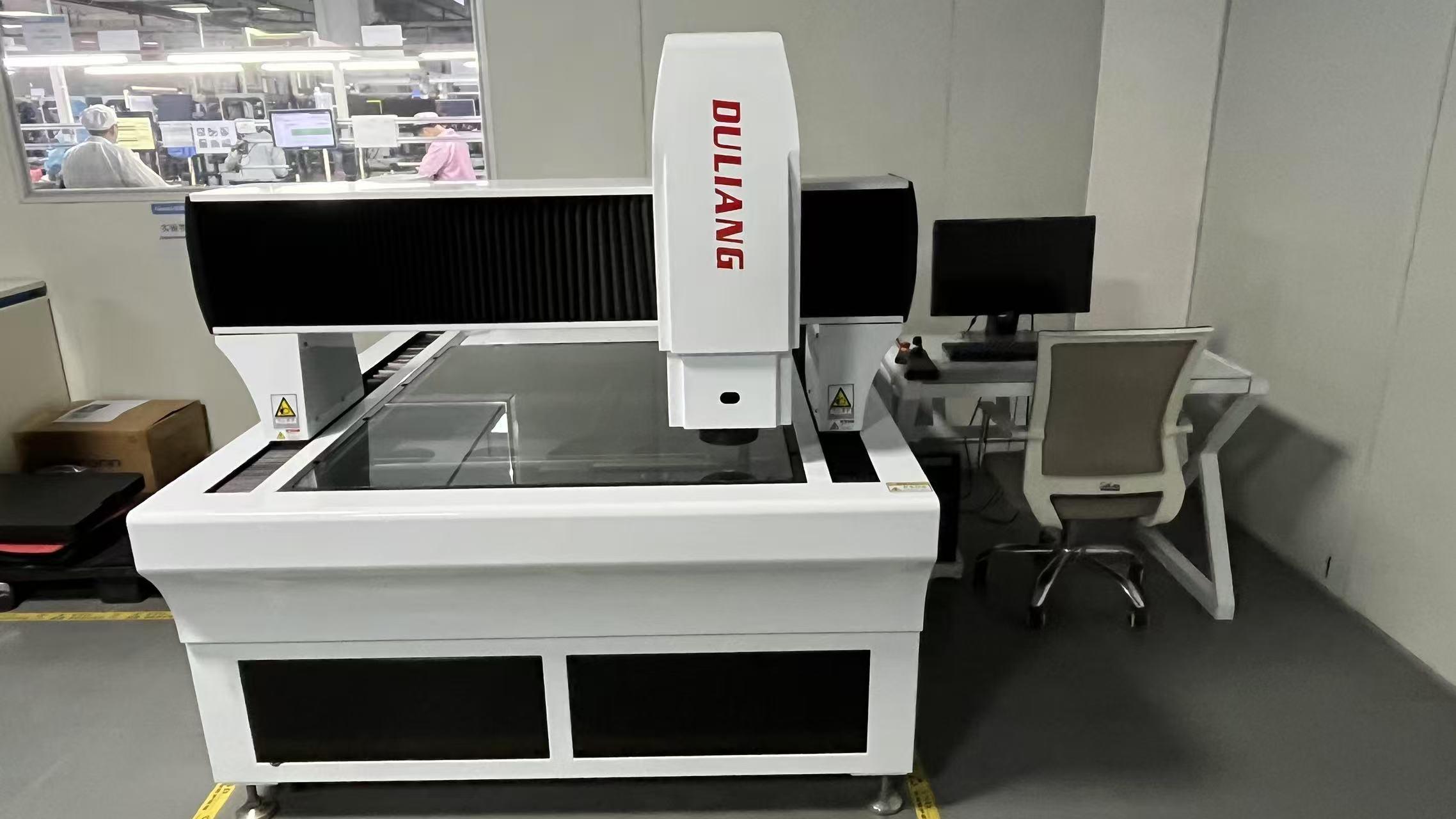
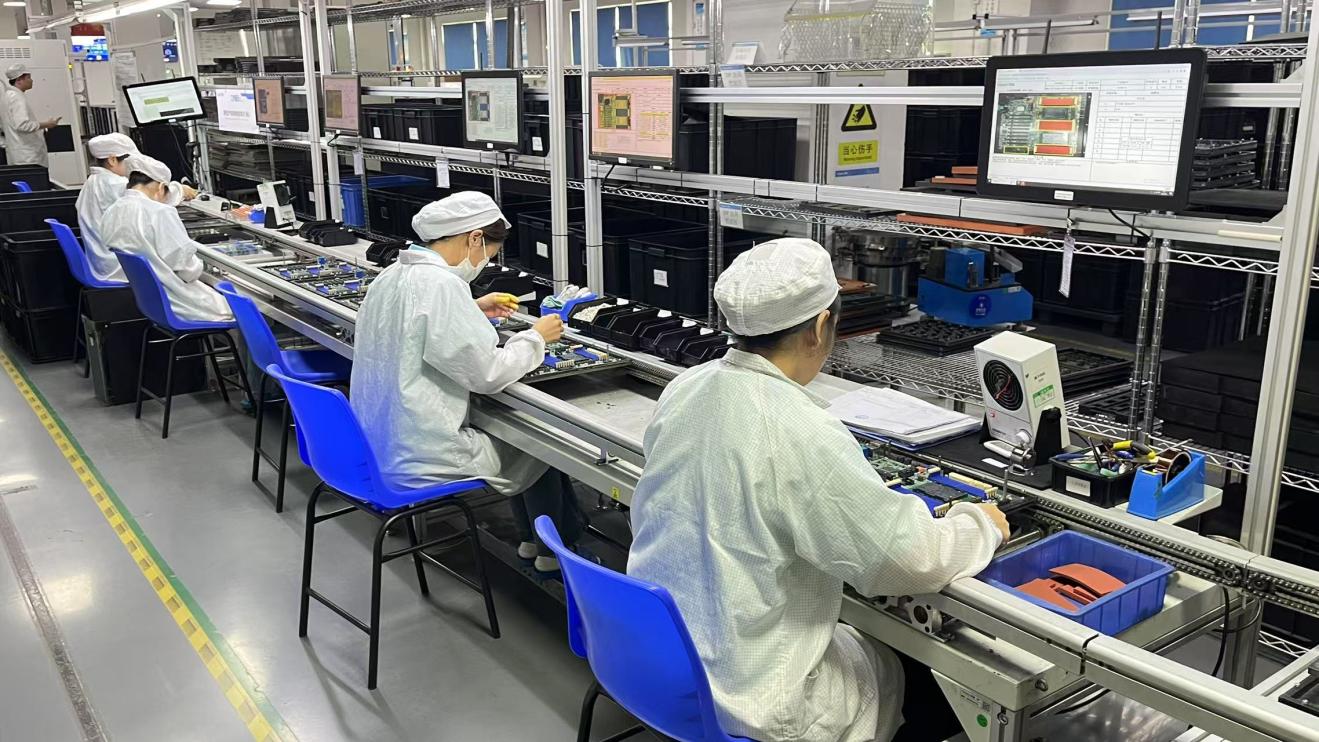
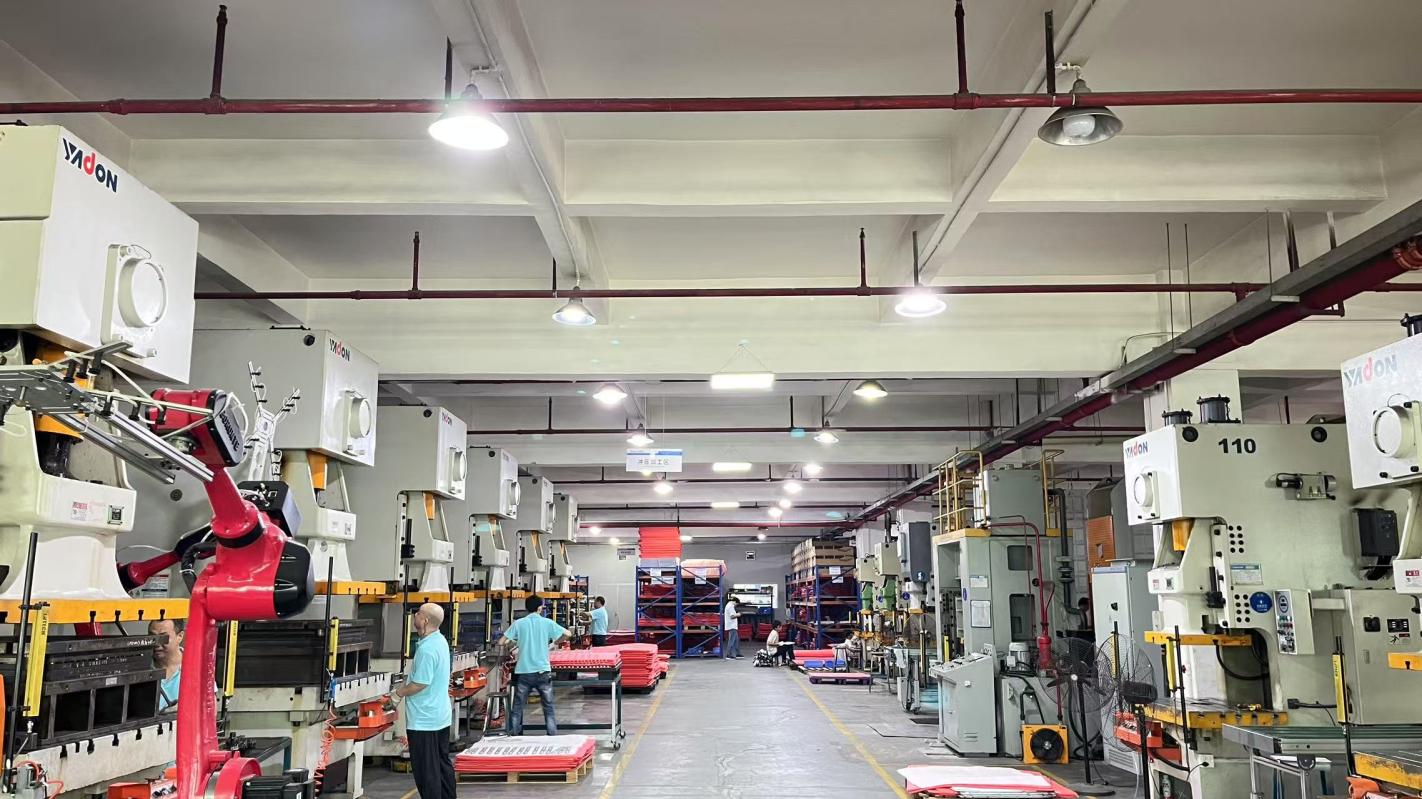

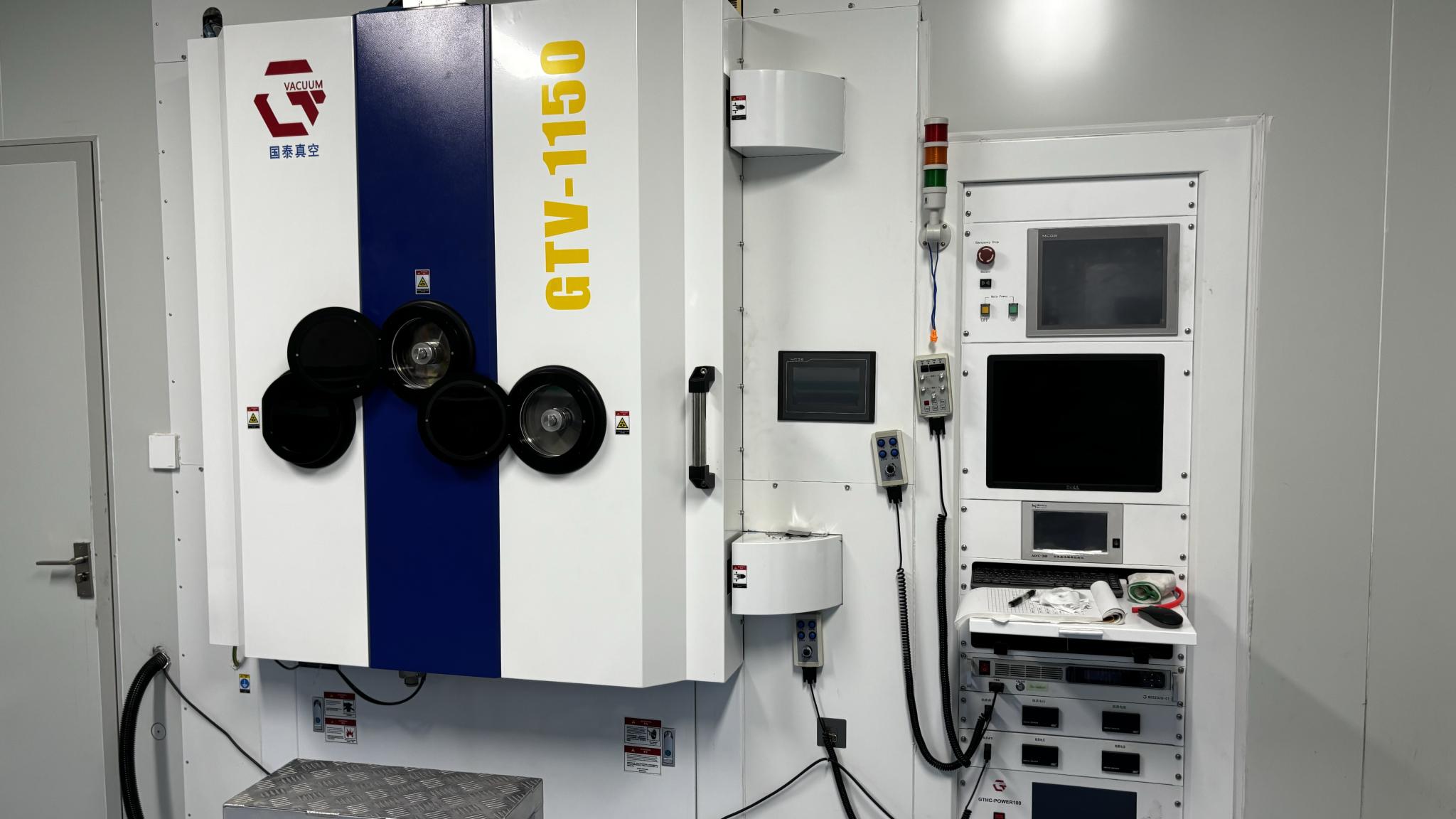
Quality is at the core of everything we do. Our products undergo comprehensive reliability testing, thermal performance evaluation, burn-in testing, and functional inspections throughout the manufacturing process. A dedicated quality control team of 42 professionals ensures that every product meets strict international standards before shipment.
Innovation drives our growth. Our R&D department consists of 86 experienced engineers specializing in server architecture, thermal management, hardware integration, and AI infrastructure optimization. Each year, we introduce more than 120 new products and upgraded solutions to meet the evolving demands of global customers.
Zyphora offers comprehensive OEM and ODM services, including hardware customization, chassis design, branding, firmware configuration, and system integration. Our flexible manufacturing capabilities enable us to provide tailored solutions for cloud service providers, AI startups, research institutions, system integrators, data center operators, and enterprise customers.
The AI hosting sector is moving toward liquid-cooled architectures. High-density GPU chips run hotter than standard processors, making traditional air cooling less practical for racks exceeding 40kW. Direct-to-chip liquid cooling (DLC) and two-phase immersion systems are transitioning from experimental deployments to standard factory designs.
Another shift is the design of specialized nodes for specific software models. Short-depth chassis design allows operators to deploy computing resources in edge-computing sites and standard enterprise racks, bringing inference models closer to end users. Manufacturers are also adapting designs to handle diverse chip architectures, including traditional GPUs and custom ASICs built for specialized deep learning models.
High-performance computing units operate in varied enterprise environments:
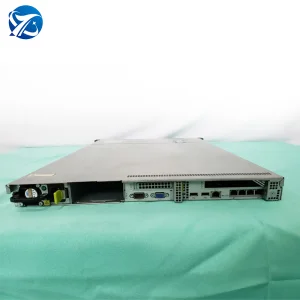
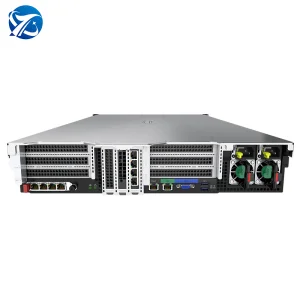
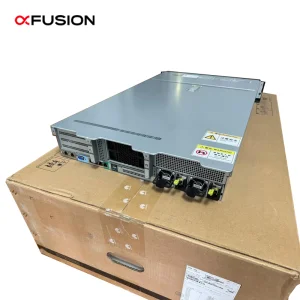
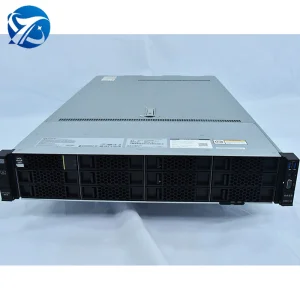
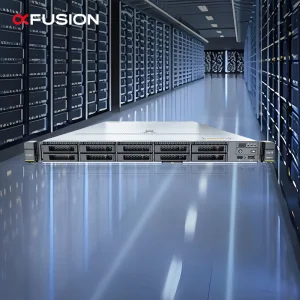
Browse our selection of storage options, network expansion cards, high-density server configurations, and customized systems built for AI workloads.