Zyphora
Zyphora
Zyphora
High-reliability servers, RAID controller cards, and modular GPU compute platforms designed for real-time industrial telemetry analytics.
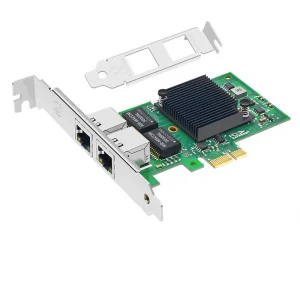
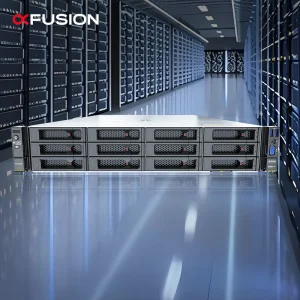
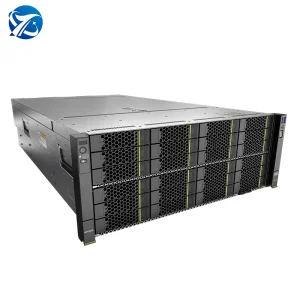
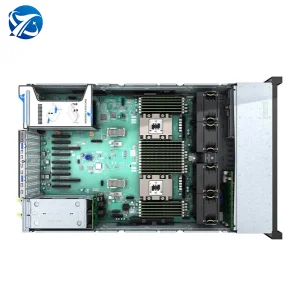
Predictive Maintenance (PdM) represents the vanguard of Industrial Internet of Things (IIoT) solutions, changing how global manufacturers and enterprise data centers optimize their assets. Standard preventive strategies rely on outdated timeline metrics, but modern PdM deployments leverage active data collection, real-time edge processing, and predictive deep learning algorithms to isolate fault trends before catastrophic failures happen.
At the center of this paradigm shift is high-integrity hardware. Vibrational sensors, thermal transducers, acoustic couplers, and high-frequency electrical telemetry generate extensive amounts of unstructured data that require processing at the edge or within centralized computing clusters. Building hardware configurations capable of managing these high workloads under strict operational conditions is the primary capability of Zyphora's engineering department.
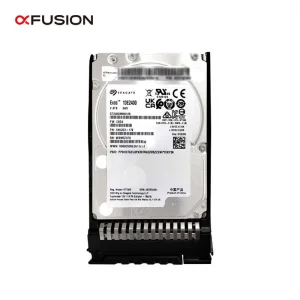
Running neural network models like LSTM (Long Short-Term Memory) or Autoencoders for anomaly detection on general-purpose office servers leads to high data latency, packet losses, and insufficient computing bandwidth. Processing sensory telemetry requires local data preprocessing and high-density, specialized computing power. For instance, high-speed vibrational diagnostics require Fast Fourier Transform (FFT) computations at the data collection point. The integration of high-reliability storage drives (like Enterprise PCIe NVMe SSDs) and RAID array controller cards ensures data integrity, even during major power disruptions or high physical vibration levels on the factory floor.
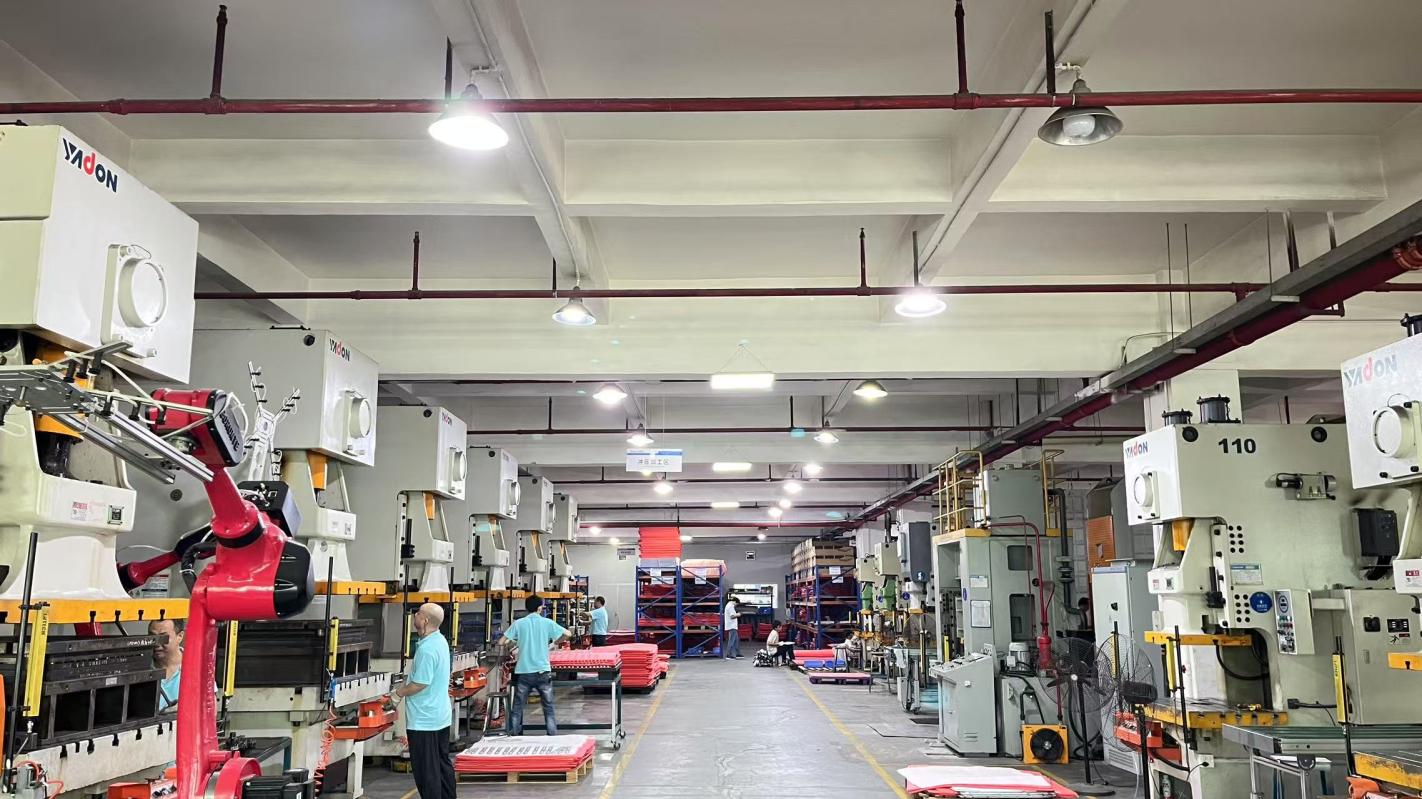
Robotic assembly lines and stamping presses operate under strict tolerances. A failure in a joint motor or hydraulic pump stops production lines immediately. By integrating vibration analysis, high-speed temperature sensing, and predictive computing modules directly on the production line, manufacturing operators can schedule replacements during planned breaks.
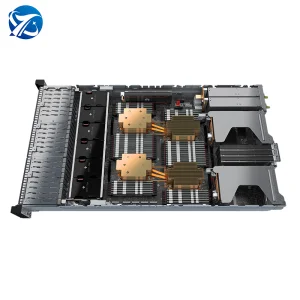
Modern data centers run dynamic workloads that stress power supplies and cooling units. Our GPU nodes and rackmount servers feature integrated system health sensors. These sensors track fan vibration, power unit fluctuations, and chip thermal variations, allowing operators to move workloads to other hardware resources before a unit fails.
Wind turbines and remote solar farms operate in harsh, isolated settings. Physical inspection is expensive and logistically difficult. Edge-based GPU hardware processes telemetry locally and sends only health warnings and operational assessments back to central operations, reducing reliance on satellite bandwidth.
Zyphora acts as a core OEM/ODM partner, working closely with global systems integrators to deliver custom-configured server hardware, custom firmware, and robust physical enclosures suited for challenging industrial environments.
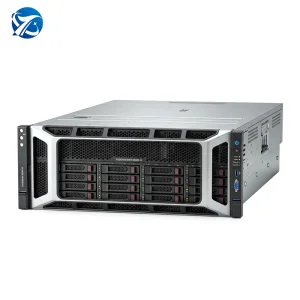
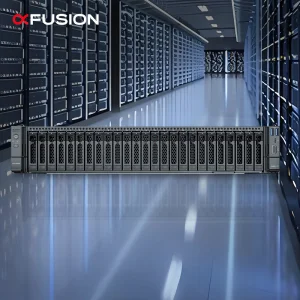
The field of predictive maintenance is shifting from centralized cloud processing to localized, real-time edge processing. Zyphora's R&D department is focused on this migration by optimizing our 1U and 4U servers for low-latency calculations. The goal is to run complex machine learning models directly at the data source, eliminating the need to transmit raw high-frequency telemetry back to central clouds.
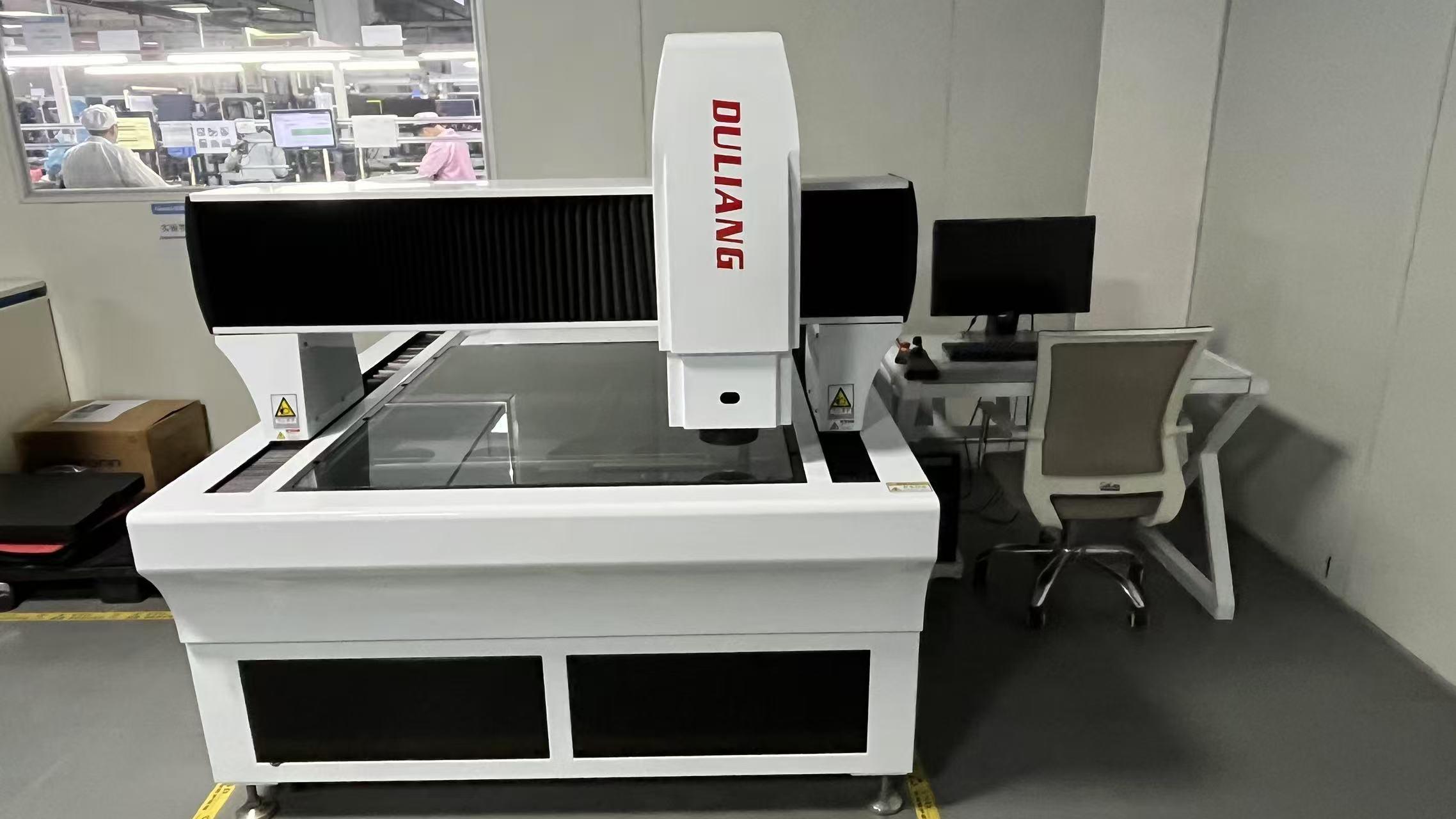
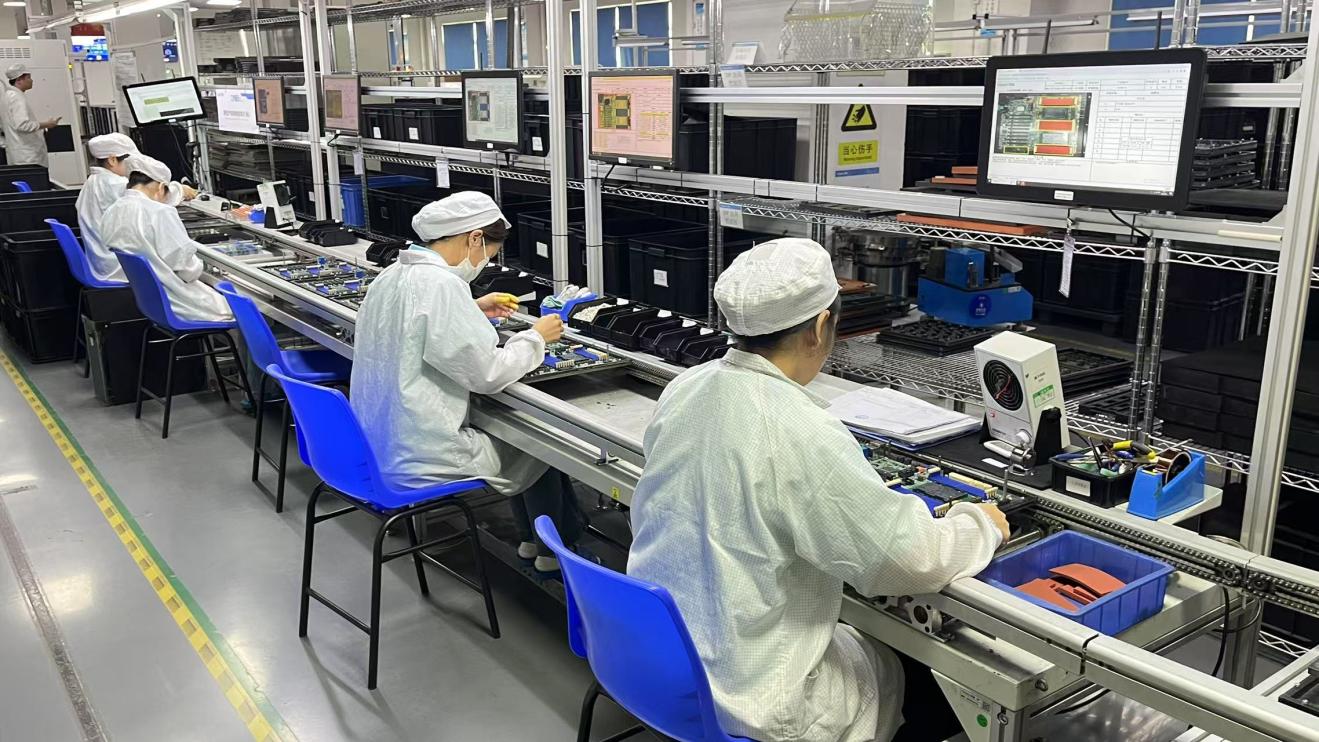
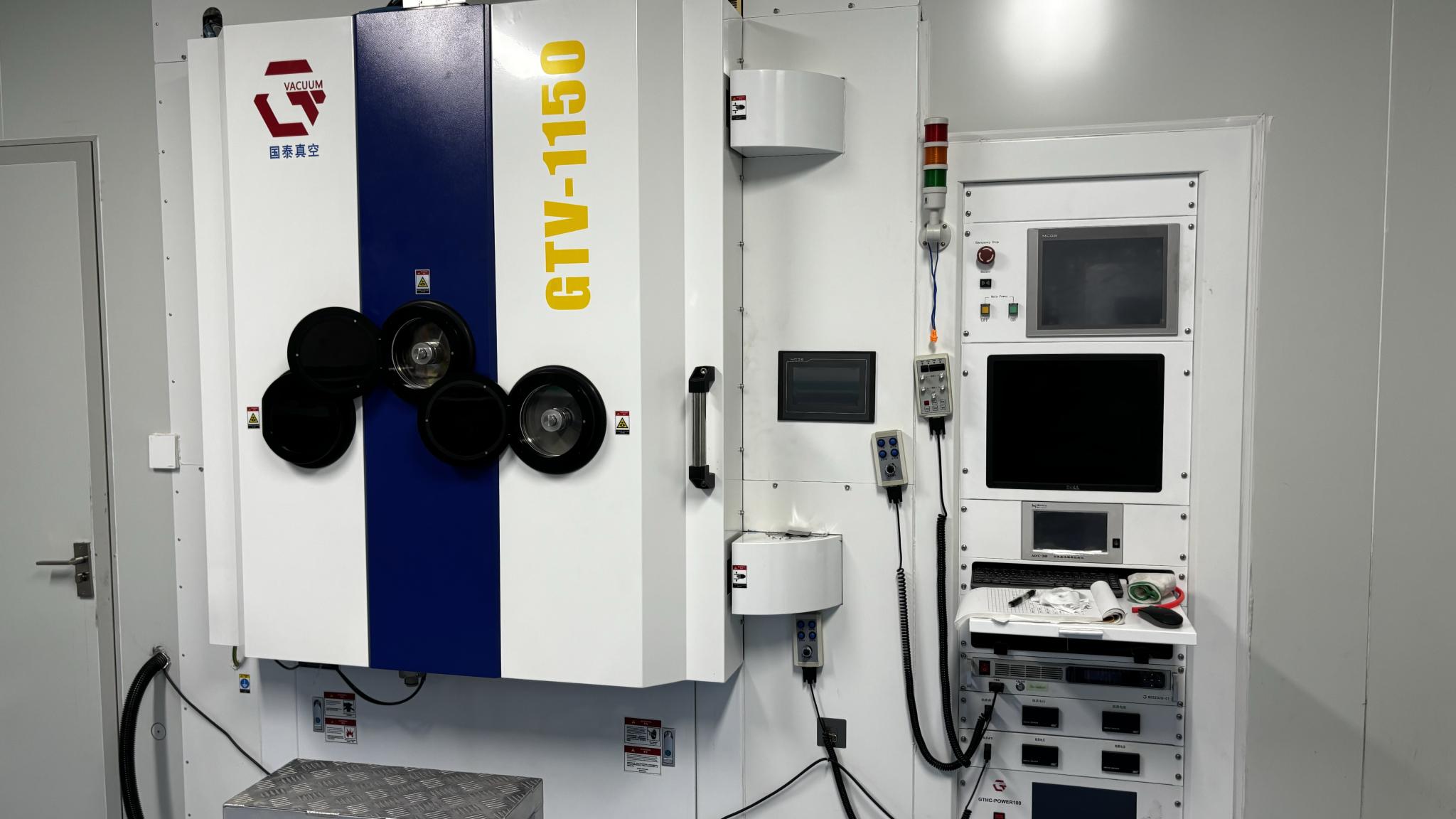
Located in Shenzhen, China's core electronics manufacturing hub, Zyphora's production plant utilizes modern automated assembly processes. Operating in this tech hub gives us access to a network of over 1,200 verified hardware, semiconductor, and component suppliers, helping us maintain stable production timelines and raw material costs.
A dedicated QA department of 42 professionals manages our quality procedures. Every rack server, custom motherboard, and RAID expansion board undergoes thermal simulation, full-load burn-in testing, and functional interface validation, ensuring high operational reliability before delivery.
Our production setup allows us to quickly switch between high-volume system builds and custom, low-volume prototype designs. Our R&D team of 86 engineers can adapt existing designs and create custom physical enclosures or modified system boards within a few weeks.
By purchasing key materials and chips directly from trusted component manufacturers, we reduce cost overheads and prevent supply chain delays, passing these speed and cost benefits directly to our international clients.
Implementing predictive maintenance hardware requires compliance with local regulations, safety standards, and data security policies. Zyphora assists customers in meeting these requirements across various regions:
Zyphora provides structured manufacturing and modification workflows for enterprise buyers, systems integrators, and industrial engineers:
Founded in 2017, Zyphora is a professional manufacturer and global supplier of AI GPU servers, high-performance computing systems, and customized data center solutions. Headquartered in Shenzhen, China, the company operates a modern production facility covering 386 square meters and serves customers across North America, Europe, Southeast Asia, and the Middle East.
With annual export revenue exceeding USD 18 million, Zyphora has built a strong reputation in the AI computing infrastructure industry through continuous innovation, reliable product quality, and customer-focused service. Our team brings over 12 years of industry experience and 7 years of export expertise, enabling us to support clients worldwide with efficient project delivery and professional technical assistance.
Zyphora specializes in AI GPU servers, GPU workstations, rackmount servers, storage servers, and customized computing solutions for artificial intelligence, machine learning, cloud computing, and high-performance computing applications. Supported by a robust supply chain network of more than 1,200 qualified partners, we ensure stable sourcing, flexible production, and rapid delivery.
Quality is at the core of everything we do. Our products undergo comprehensive reliability testing, thermal performance evaluation, burn-in testing, and functional inspections throughout the manufacturing process. A dedicated quality control team of 42 professionals ensures that every product meets strict international standards before shipment.
Innovation drives our growth. Our R&D department consists of 86 experienced engineers specializing in server architecture, thermal management, hardware integration, and AI infrastructure optimization. Each year, we introduce more than 120 new products and upgraded solutions to meet the evolving demands of global customers.
Zyphora offers comprehensive OEM and ODM services, including hardware customization, chassis design, branding, firmware configuration, and system integration. Our flexible manufacturing capabilities enable us to provide tailored solutions for cloud service providers, AI startups, research institutions, system integrators, data center operators, and enterprise customers.
Guided by the principles of quality, innovation, and customer success, Zyphora is committed to delivering advanced AI computing infrastructure that empowers organizations to accelerate digital transformation and unlock the full potential of artificial intelligence.

Our industrial systems feature physical reinforcement measures, including vibration-damped hard drive bays, conformal coating on motherboards to resist dust and moisture, and high-efficiency fan setups to maintain airflow in high-temperature environments.
Yes, our software and firmware team specializes in customizing BMC configurations, modifying IPMI sensor thresholds, and enabling custom secure boot options to ensure compatibility with your network architecture and security policies.
Our GPU systems support a wide range of ML applications, including LSTM models for time-series forecasting, Autoencoders for anomaly detection, and deep learning frameworks (such as PyTorch and TensorFlow) for processing video, thermal, and vibration sensor data.
These expansion boards ensure continuous data writing by using dedicated battery backup systems or flash-based protection modules. This prevents data corruption or loss of critical telemetry, even during sudden power outages on the factory floor.
Depending on the scope of the project, engineering design and initial prototyping take 3 to 6 weeks. After prototype approval, manufacturing and final QA testing take another 4 to 6 weeks, depending on component availability and order volume.
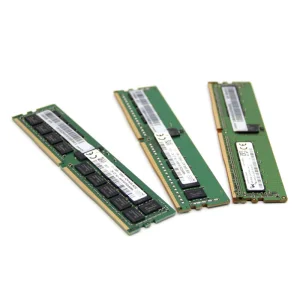
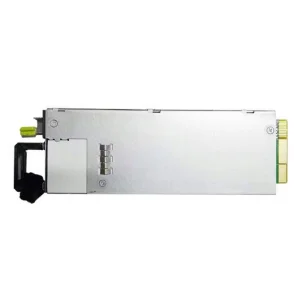
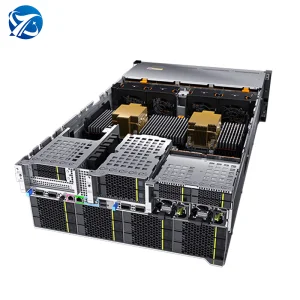
Original high-performance memory modules, power supplies, and multi-socket server platforms optimized for 24/7 continuous operations.