Zyphora
Zyphora
Zyphora
Maximize workload density and scaling efficiency with our enterprise-grade AI acceleration platforms.
As Large Language Models (LLMs) push the boundaries of trillion-parameter scaling, compute infrastructure must evolve away from single-server paradigms to unified data-center-scale architectures.
Modern high-performance computing requires a deep understanding of chip-to-chip interconnect bandwidth. The transition from NVIDIA Hopper H100/H200 architectures to Blackwell B100/B200 and the upcoming Rubin platform marks a critical shift in density, thermals, and interconnect strategies:
To support architectural shifts, Zyphora's R&D actively tracks PCIe Gen 6 and Gen 7 bus configurations alongside standard liquid-cooled loop components (both Direct-to-Chip and Rear-Door Heat Exchangers). We co-design servers to dissipate up to 1200W per GPU socket, ensuring your investments are forward-compatible with emerging silicon footprints.
Key Insight: High-density system design is transitioning from air-cooled 4U configurations to liquid-cooled multi-rack deployments (e.g., NVL72 architectures), demanding custom rack manifolds and smart fluid distribution units (CDUs).
We don't just assemble off-the-shelf components. Our engineers work at the electrical, mechanical, and logical layer to deliver tailored platforms that optimize your specific software workloads.
Designing motherboards and PCIe riser cards that maintain signal integrity at Gen 5 rates (32 GT/s per lane) requires expert trace routing. We mitigate crosstalk and signal loss using premium low-loss dielectric PCBs.
Using Computational Fluid Dynamics (CFD) models, we simulate localized hot spots. This enables us to design custom cooling blocks, high-static-pressure fan arrays, and optimized duct paths to prevent throttling.
We implement tailored open-source OpenBMC firmware configurations, allowing data centers to maintain deep telemetry, customize secure boot controls, and restrict external execution parameters.
From generative AI models and massive parallel execution systems to highly specialized pharmaceutical analysis platforms, we customize compute topography for direct utility.
Training modern massive foundation models or running dynamic Mixture-of-Experts (MoE) inference requires zero-latency networking. We design customized multinode structures integrating InfiniBand NDR (400Gb/s) and RoCEv2 (RDMA over Converged Ethernet) to maximize data throughput and GPU operational metrics.
Running simulations, camera-sensor fusion modeling, and real-time pathfinding routines demands highly specific PCI Express channel distributions. Our customized server variants allow high-capacity storage drives to sit directly adjacent to processing cores, eliminating bottlenecks.
Headquartered in Shenzhen, China's premiere high-technology hub, Zyphora combines manufacturing precision with global supply-chain agility.
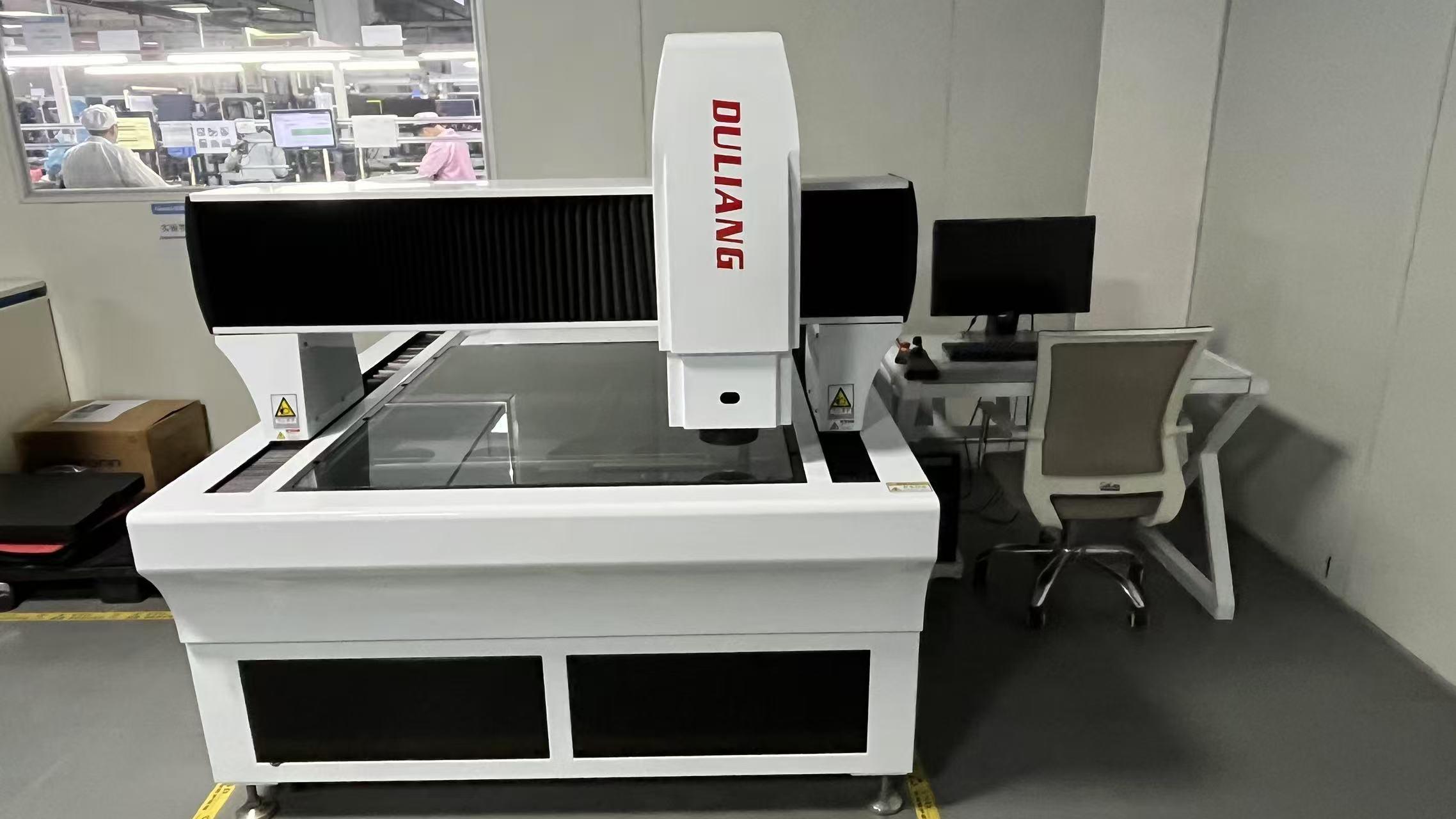
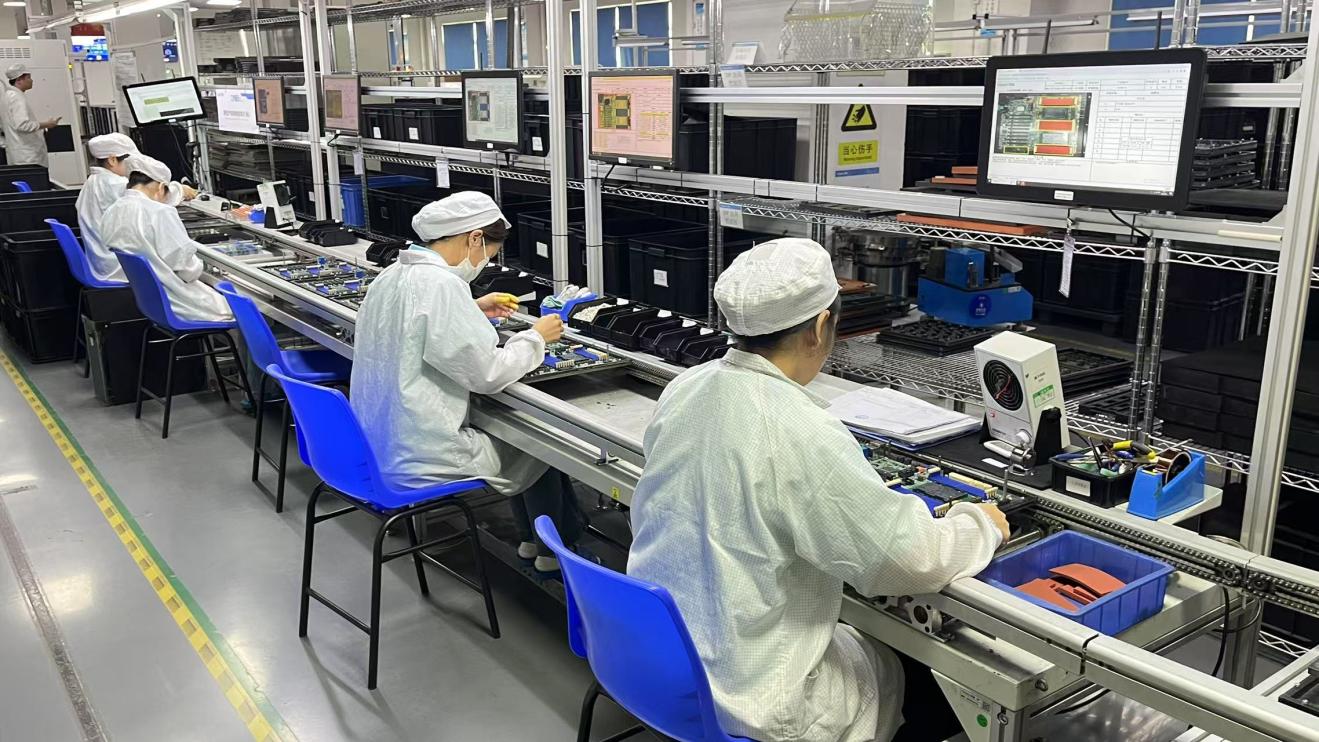
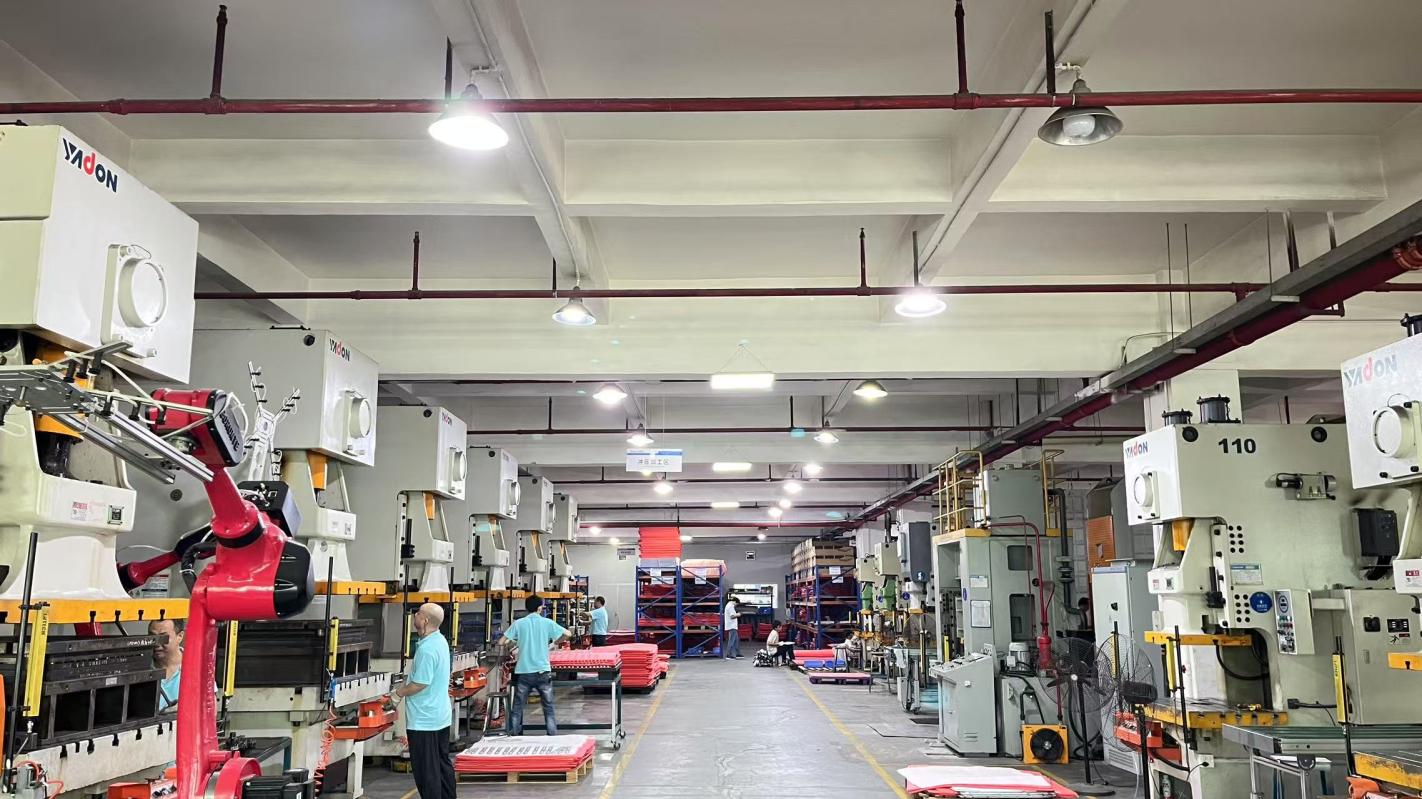
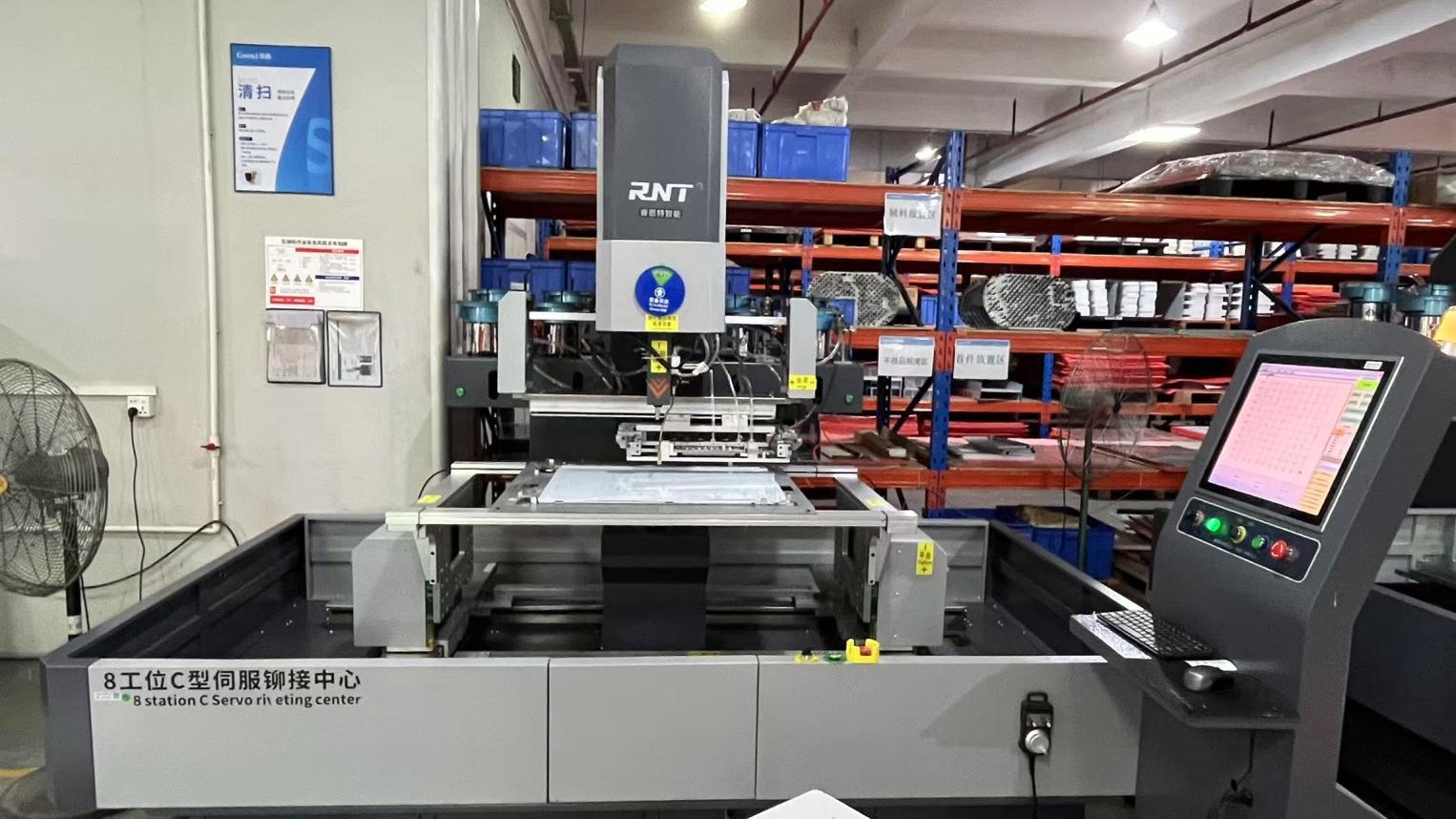
Our state-of-the-art 386 square meter manufacturing space is optimized for agile system configuration. Operating in Shenzhen gives us immediate, friction-free access to top-tier component suppliers, high-frequency PCB fabricators, custom chassis manufacturers, and global distribution ports. This integration helps minimize production lead times and insulates your projects from supply disruptions.
Over 1,200 verified partner relationships enable us to secure component allocations (from high-density capacitors and power converters to specialized controllers) even during global component shortages.
Deploying massive compute structures globally requires compliance with regional regulatory bodies. We make certain your systems arrive pre-certified and ready for integration.
Every custom build is validated to meet global electrical safety, emissions, and environmental standards including CE, FCC, RoHS, UL, and CB.
We coordinate end-to-end global shipping and custom clearance routes to North America, Europe, Southeast Asia, and the Middle East, reducing logistical friction.
We back our systems with dedicated technical support and replacement parts routing, ensuring your operations remain up and running with minimal downtime.
Purchasing high-density AI servers requires assessing several key factors to ensure optimal long-term return on investment.
Enterprise buyers must weigh immediate capital expenditures (CapEx) against long-term operational costs (OpEx). Factors like power transformation efficiency, air-to-liquid cooling retrofits, and compute density per rack unit can dramatically alter total cost of ownership (TCO) over a typical 3-to-5-year hardware lifecycle.
Our engineering team works directly with your facility managers to optimize power usage effectiveness (PUE) at the system level before manufacturing begins.
Founded in 2017, Zyphora is a professional manufacturer and global supplier of AI GPU servers, high-performance computing systems, and customized data center solutions. Headquartered in Shenzhen, China, the company operates a modern production facility covering 386 square meters and serves customers across North America, Europe, Southeast Asia, and the Middle East.
With annual export revenue exceeding USD 18 million, Zyphora has built a strong reputation in the AI computing infrastructure industry through continuous innovation, reliable product quality, and customer-focused service. Our team brings over 12 years of industry experience and 7 years of export expertise, enabling us to support clients worldwide with efficient project delivery and professional technical assistance.
Zyphora specializes in AI GPU servers, GPU workstations, rackmount servers, storage servers, and customized computing solutions for artificial intelligence, machine learning, cloud computing, and high-performance computing applications. Supported by a robust supply chain network of more than 1,200 qualified partners, we ensure stable sourcing, flexible production, and rapid delivery.
Quality is at the core of everything we do. Our products undergo comprehensive reliability testing, thermal performance evaluation, burn-in testing, and functional inspections throughout the manufacturing process. A dedicated quality control team of 42 professionals ensures that every product meets strict international standards before shipment.
Innovation drives our growth. Our R&D department consists of 86 experienced engineers specializing in server architecture, thermal management, hardware integration, and AI infrastructure optimization. Each year, we introduce more than 120 new products and upgraded solutions to meet the evolving demands of global customers.
Zyphora offers comprehensive OEM and ODM services, including hardware customization, chassis design, branding, firmware configuration, and system integration. Our flexible manufacturing capabilities enable us to provide tailored solutions for cloud service providers, AI startups, research institutions, system integrators, data center operators, and enterprise customers.
Guided by the principles of quality, innovation, and customer success, Zyphora is committed to delivering advanced AI computing infrastructure that empowers organizations to accelerate digital transformation and unlock the full potential of artificial intelligence.
Get answers to common technical, logistics, and engineering questions about our customizable systems.
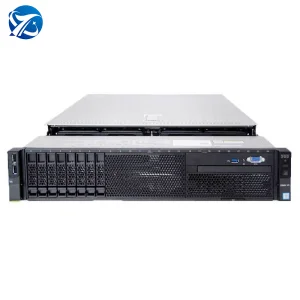
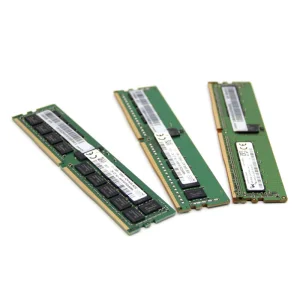
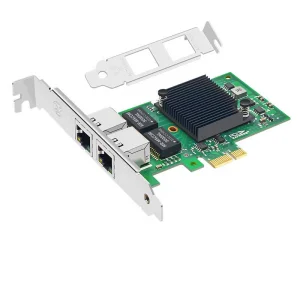
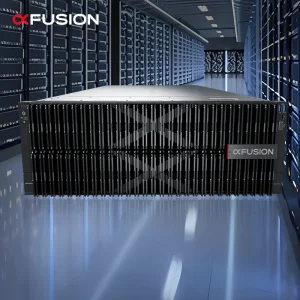
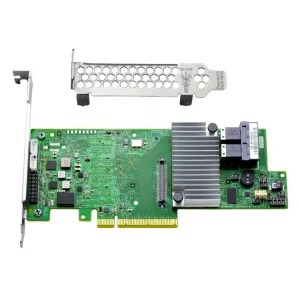
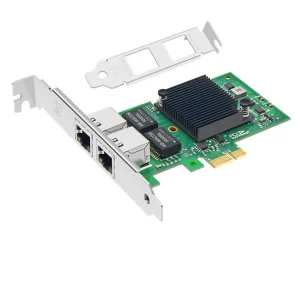
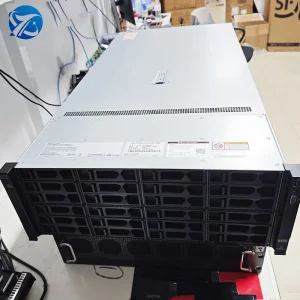
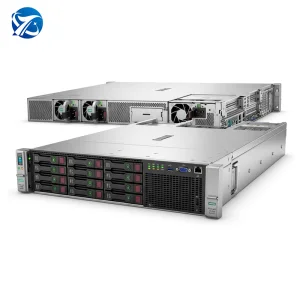
From specialized host controllers and memory modules to high-density GPU chassis, browse our full integration catalog.