 Zyphora
Zyphora
Zyphora
High-efficiency processing hardware engineered to interface seamlessly with modern data center liquid-to-chip and precision airflow architectures.
The modern data center industry is facing an unprecedented thermal paradigm shift. The rise of Exascale high-performance computing, massive Deep Learning neural networks, and dense GPU clusters has rendered traditional air-cooling methodologies virtually obsolete. Modern AI accelerators push die-level Thermal Design Power (TDP) thresholds beyond 700W to 1200W+ per processor. Managing this extreme heat density requires more than standard fans and raised-floor HVAC systems; it demands a fundamental transition to liquid-to-the-chip cooling architectures, hybrid thermal manifolds, and highly integrated thermal distribution units.
As leading OEM/ODM data center cooling manufacturers and exporters, Zyphora stands at the cutting edge of this transition. We provide scalable, high-efficiency liquid cooling systems, customized rack architectures, and direct-to-chip heat exchangers tailored for global cloud service providers, research networks, and AI computing operators. Our technology guarantees optimal system temperatures, helps slash Power Usage Effectiveness (PUE) ratios below 1.15, and ensures long-term operational efficiency.
"The threshold for traditional air cooling tops out at roughly 30–35 kW per rack. Beyond this limit, direct liquid cooling (DLC) or immersive environments are mandatory to prevent localized hot spots, thermal throttling, and catastrophic hardware failures."
Founded in 2017, Zyphora has evolved into a key global manufacturer and specialized exporter of high-performance computing systems, AI GPU servers, and bespoke data center thermal management configurations. Headquartered in Shenzhen, China, our advanced engineering facility covers 386 square meters of high-precision assembly, testing, and system integration space, operating as the hub for our global design and production services. Over our years of intensive growth, we have expanded our reach across North America, Europe, Southeast Asia, and the Middle East, generating an annual export revenue exceeding USD 18 million.
Our operation is anchored by over 12 years of industry experience and 7 years of pure export expertise, allowing us to manage complex international deployments, customized firmware standards, and complex logistics challenges. Supported by an extensive supply chain ecosystem comprising more than 1,200 qualified partners, Zyphora guarantees reliable component sourcing, highly scalable production pipelines, and exceptionally fast lead times for custom-engineered equipment.
Year Founded
Annual Export Value
R&D Thermal Engineers
Supply Chain Partners
Innovation remains the core driver of our success. The Zyphora R&D division features 86 hardware design and thermal optimization engineers specializing in structural chassis design, fluid dynamics simulation, custom cold plate topology, and motherboard BIOS integration. This engineering force enables us to release over 120 new products and modular structural updates annually, matching the rapid hardware cycles of the enterprise chip market. Our dedicated 42-member Quality Control department oversees multi-phase stress testing, thermal chamber monitoring, and high-load burn-in processes to ensure every shipment complies with global standards.
The roadmap for high-efficiency data center thermal systems is defined by the physical limits of air heat transport. As power density escalates, Zyphora is spearheading research and implementation across three primary thermal paths:
D2C cooling leverages high-conductivity micro-channel copper cold plates placed in direct mechanical contact with the GPU and CPU dies. A secondary liquid loop circulates low-conductivity coolants (e.g., PG25 or deionized water) to draw heat away immediately. Our custom-designed cold plates feature specialized internal micro-fins that maximize contact surface area, maintaining die junctions at safe operating ranges even under continuous overclocked AI workloads.
For data centers utilizing legacy room architectures but deploying high-density server rows, RDHx represents an optimal transition technology. Mounted directly onto the back of standard server cabinets, these active or passive water-cooled doors capture heat from exhaust air before it exits into the room, effectively converting hot aisles into neutral spaces without structural rebuilds.
Looking further ahead, immersion cooling represents the ultimate endpoint for exascale systems. By submerging entire server blades in dielectric fluid, we eliminate the need for heat sinks, fans, and complex internal piping. Single-phase immersion cycles fluid via external heat exchangers, while two-phase systems utilize vaporizing low-boiling fluids to form a highly efficient latent heat transfer loop, reducing auxiliary cooling power demands by up to 95%.
Engineered with custom internal micro-fin channels down to 0.15mm, offering unmatched thermal absorption at the processor die level.
Closed-loop Coolant Distribution Units dynamically adjust flow rates and pressures based on live BMC telemetry from AI servers.
Engineered with quick-disconnect couplings, smart pressure-drop sensors, and redundant pumps for risk-free liquid containment.
Different enterprise workloads require targeted thermal profiles to prevent operating inefficiencies. Zyphora designs macro solutions that balance upfront CAPEX with long-term OPEX advantages across three key fields:
Operating out of Shenzhen, China's hardware capital, gives Zyphora a distinct supply chain advantage. The region's dense electronics ecosystem allows us to move from blueprint designs to physical prototypes much faster than competitors in western hubs. Supported by our network of over 1,200 verified partner suppliers, we source military-grade tubing, specialized fittings, high-purity aluminum fins, and control micro-controllers in record time.
This localized supply density directly reduces production costs and shields our international buyers from market volatility. We utilize advanced component tracing, unified logistics hubs, and rapid sheet metal tooling adjustments to keep production lines running smoothly, ensuring consistent delivery schedules even during global chip or material shortages.
When selecting OEM/ODM cooling partners, enterprise buyers must weigh immediate capital expenditure (CAPEX) against operating expenditure (OPEX) over a 5-to-10-year facility cycle. Zyphora's solutions focus on reducing overall Total Cost of Ownership (TCO) through several design methodologies:
Navigating global compliance standards is essential for successful deployments. All Zyphora thermal systems and GPU servers are designed, tested, and certified to meet regional standards including UL, CE, FCC, RoHS, and local grid safety requirements. Our 42 QC professionals run rigorous structural, insulation, and leak tests to guarantee safe long-term operation under heavy loads.
We combine manufacturing in Shenzhen with support channels worldwide. Zyphora offers reliable warranty policies, spare parts warehousing, and remote engineering assistance to ensure prompt system maintenance. Our team provides fast troubleshooting, engineering consultations, and quick design revisions to keep clients' compute infrastructures operating at peak efficiency.
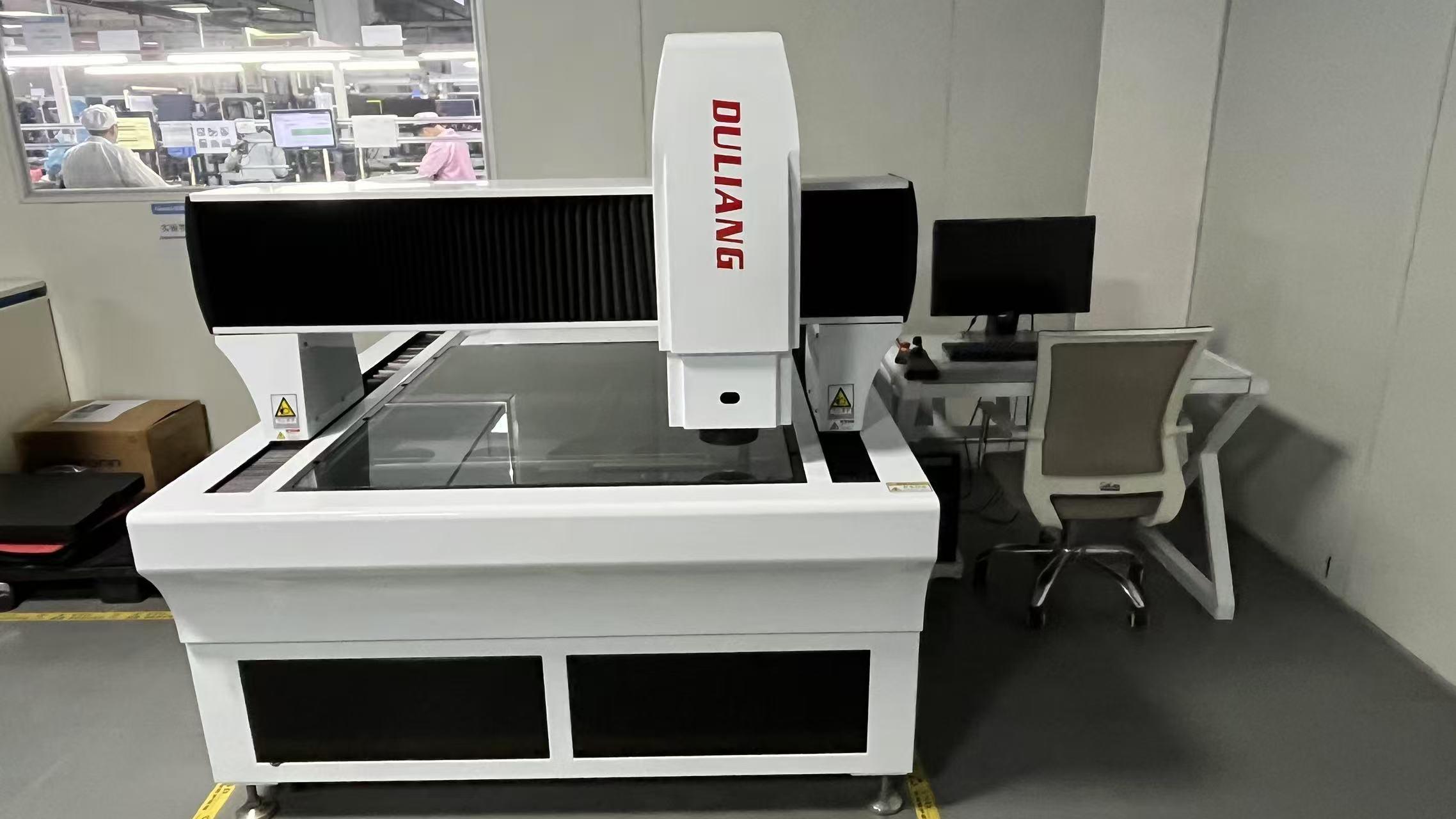
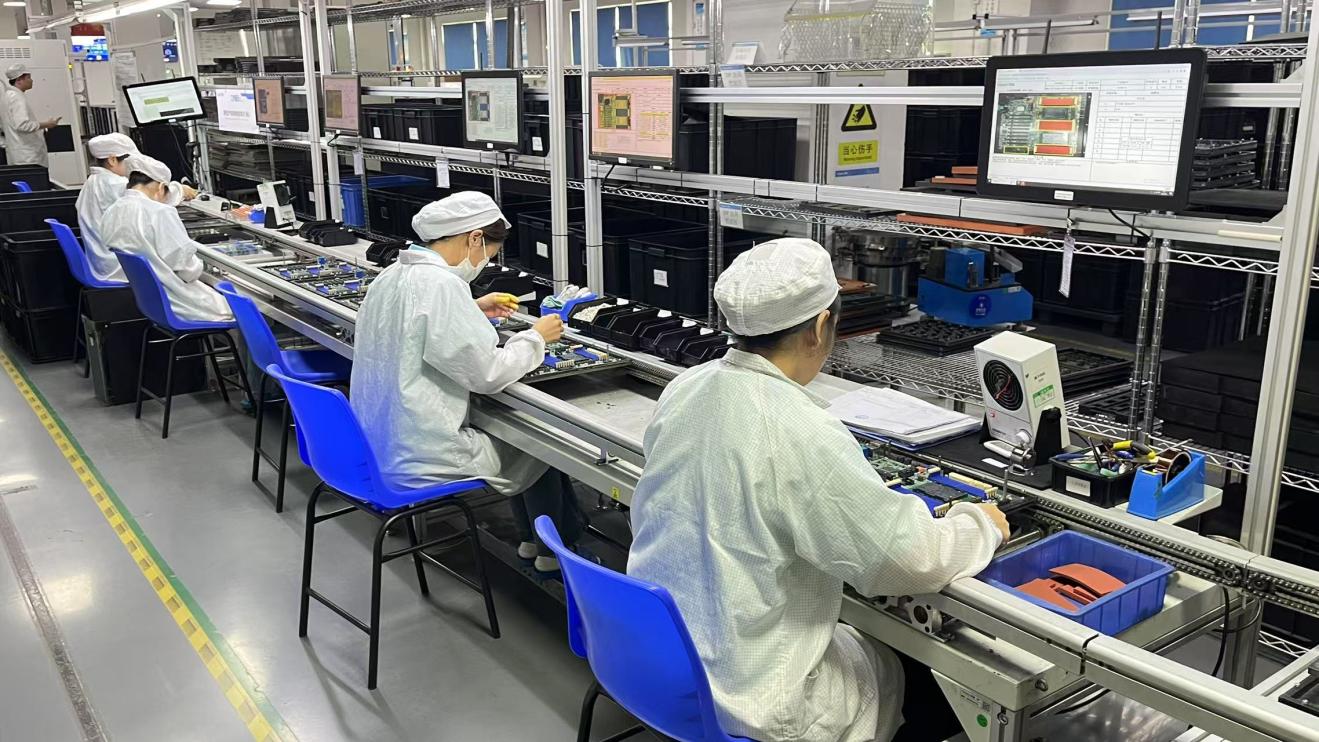
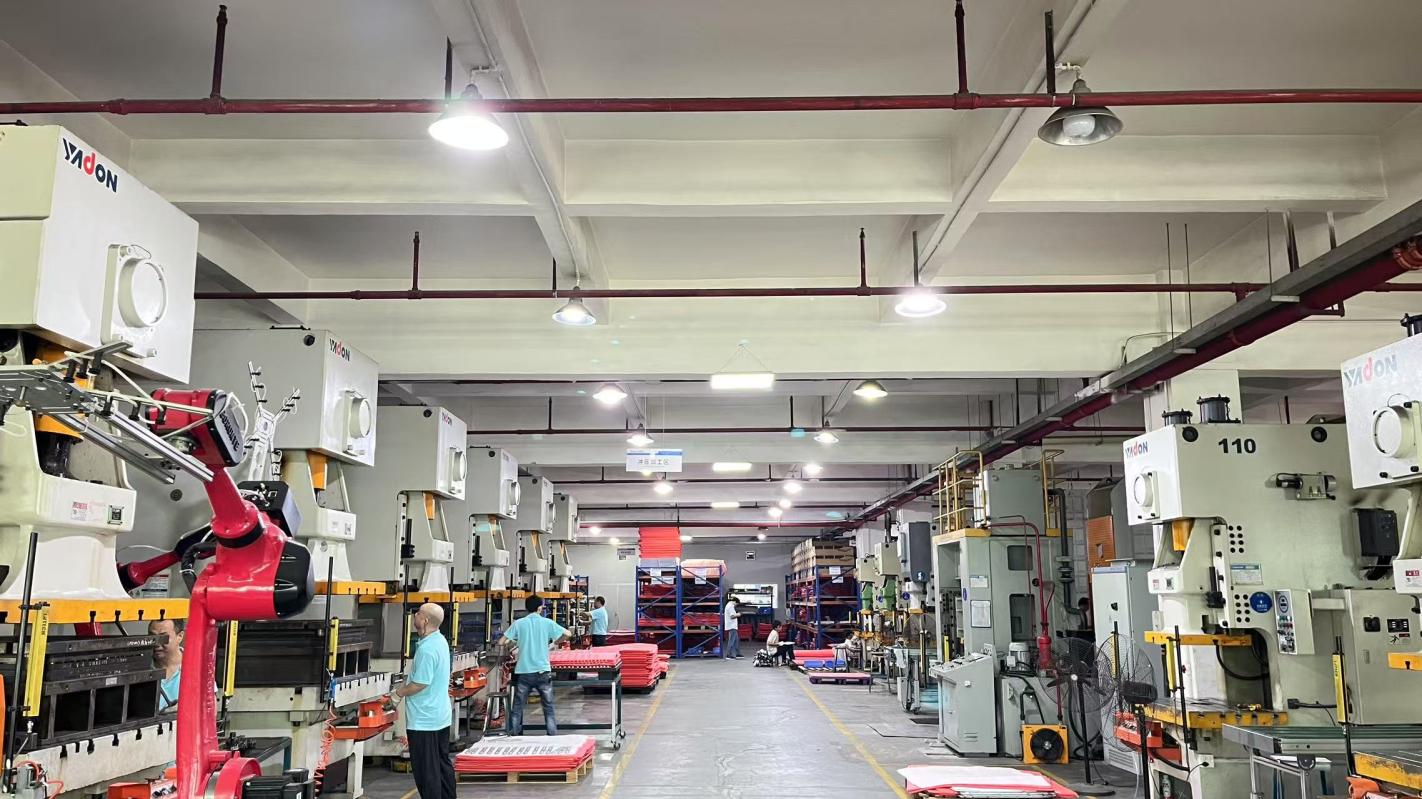
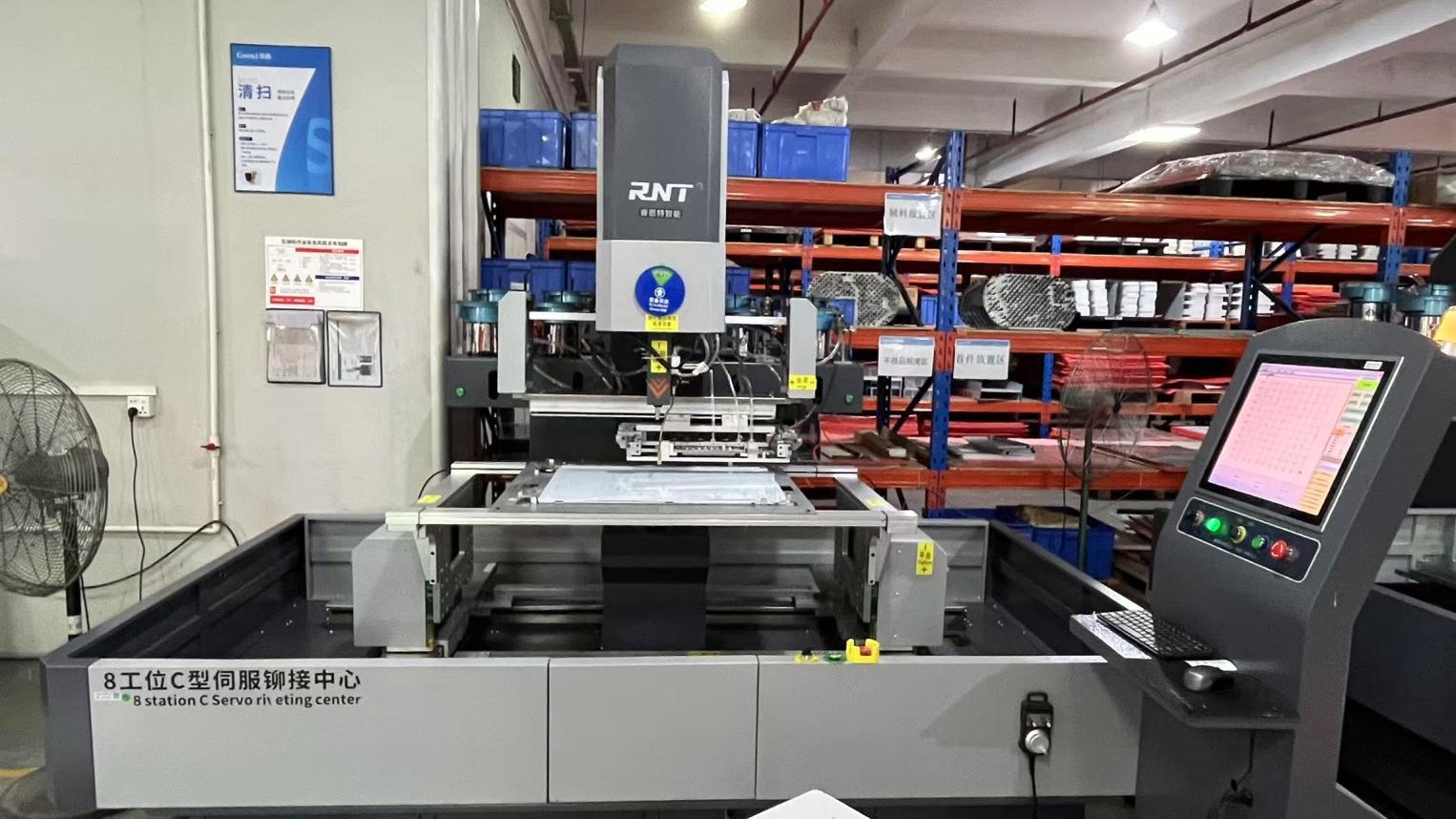
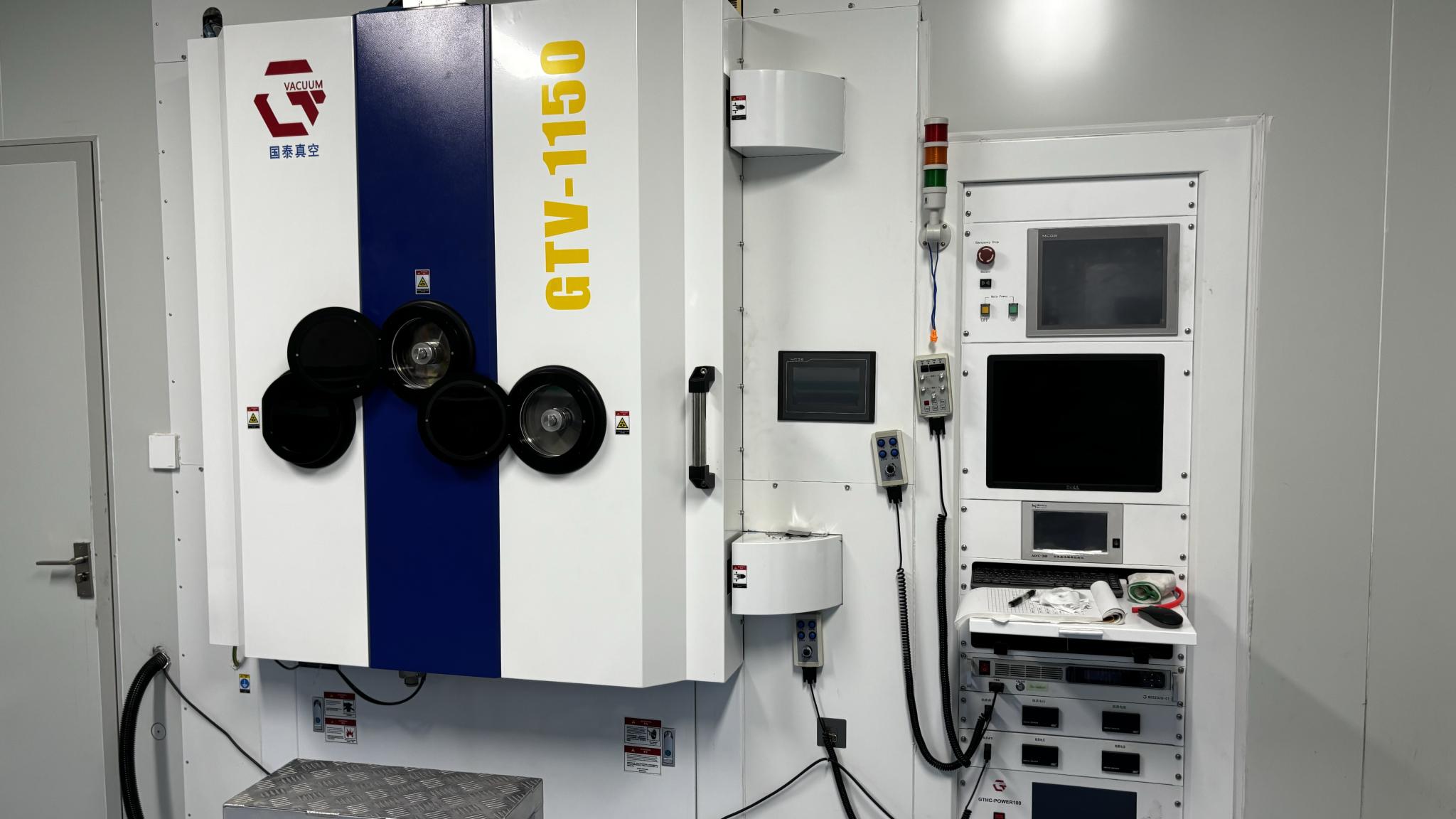
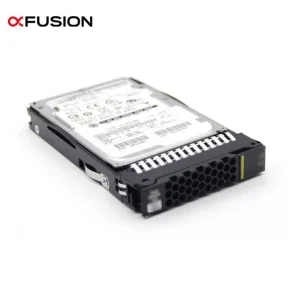
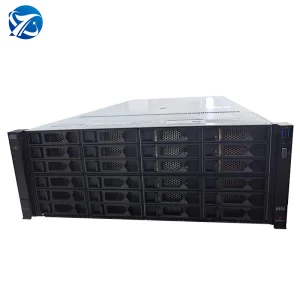
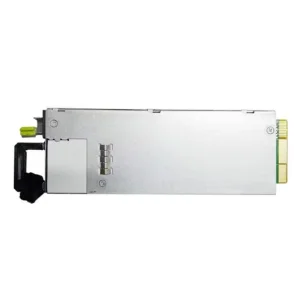
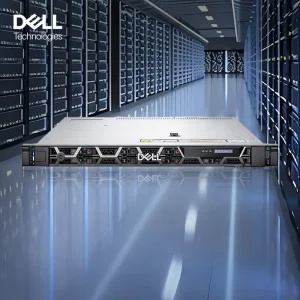
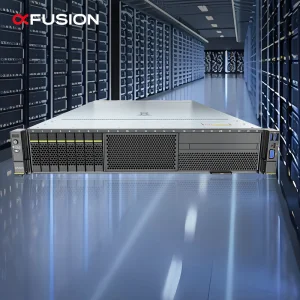
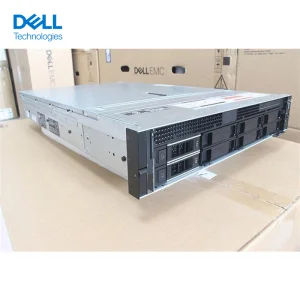
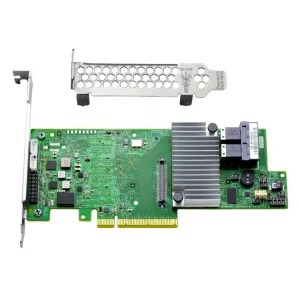
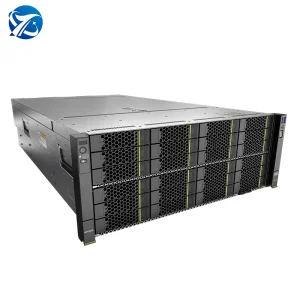
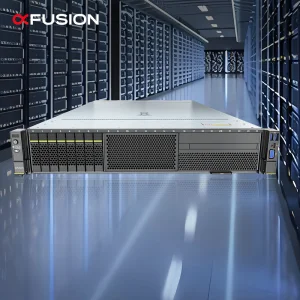
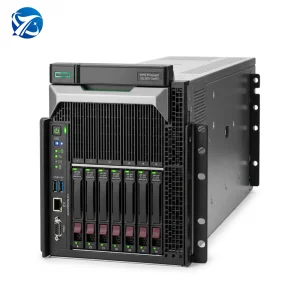
Enterprise compute architectures, power distribution units, and storage accessories designed for stable thermal performance in heavy workloads.
Technical explanations and performance answers from our principal hardware engineering department.
Traditional air cooling becomes inefficient around 350W per processor die. When rack power requirements exceed 35 kW, air systems struggle to prevent thermal throttling. Beyond this threshold, transition to Direct-to-Chip (D2C) liquid interfaces or immersion systems is recommended to maintain safe die temperatures and avoid hardware damage.
Zyphora's OEM/ODM designs integrate liquid loops at the chassis level, utilizing certified fluid quick-disconnect valves and dry-break technology. We work directly with primary motherboard suppliers to ensure all fluid routing conforms to official engineering specifications. This preserves system warranty policies and ensures reliable operation under heavy workloads.
Yes, our R&D team specializes in designing custom cold plates, manifolds, and Coolant Distribution Units (CDUs) compatible with major server brands. Through detailed mechanical profiling, we design retrofitted hardware blocks that replace standard heatsinks, enabling liquid cooling within legacy server cabinets.
We recommend high-stability synthetic fluorochemical fluids or pure hydrocarbon oils. These fluids maintain high dielectric strength, low viscosity, and clean material compatibility over years of constant operation, without risking residue build-up or breakdown of plastics, thermal pastes, or seals.
Transitioning to direct liquid cooling drops secondary chiller loops and high-load fans out of the equation. This can reduce PUE scores from typical legacy averages of 1.6 down to 1.15 or lower. The reduction in energy consumption lowers daily electricity expenses and aligns operations with global environmental regulations.
Leveraging our network of over 1,200 Shenzhen partner suppliers, we deliver first-run engineering prototypes within 4 to 6 weeks. Mass production cycles typically range between 6 and 8 weeks, depending on order size and complexity. Shipping times vary by destination, with logistics support provided across Europe, North America, and Southeast Asia.