Zyphora
Zyphora
Zyphora
Explore our top-tier server configurations engineered for compute-heavy applications, generative AI, and multi-tenant cloud storage ecosystems.
How next-generation architecture modifications solve high-density computational bottlenecks, thermal constraints, and scale limitations.
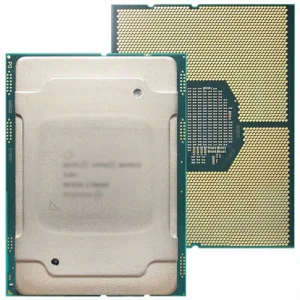
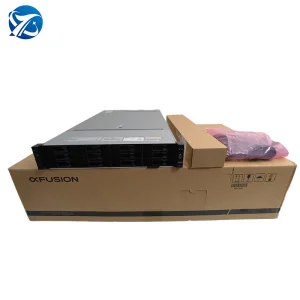
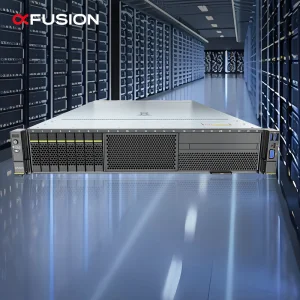
In the contemporary digital landscape, the global computing infrastructure has shifted towards massive parallel processing driven by LLMs, machine learning, and multi-tenant virtualization. The V6 generation server architectures (such as the xFusion FusionServer 2288H V6) represent a pivotal milestone. Operating on Intel Xeon Scalable 3rd Gen processors and high-capacity DDR4/DDR5 system memory, they bridge the transition between standard virtualization environments and high-intensity artificial intelligence inference workloads.
For data center managers worldwide, upgrading to V6 provides crucial balance. The architecture integrates PCIe Gen4 capabilities, doubling the throughput of previous generations, and supporting direct NVMe storage setups. By doing so, it eliminates the bottleneck between the storage layer and the CPU, reducing latency across large database queries and fast container networks.
Globally, enterprise computing infrastructures are plagued by two primary hurdles: Power Usage Effectiveness (PUE) limits and rack-space limitations. Standard legacy servers cannot cope with the thermal load of modern workloads. The V6 architecture features intelligent energy-saving technologies such as DEMT (Dynamic Energy Management Technology). This enables an automatic optimization framework that reduces power draw during low-load intervals without introducing latency when workloads surge.
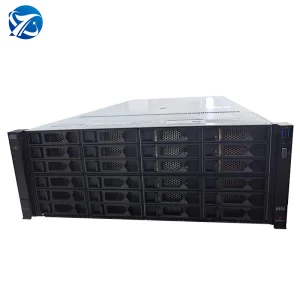
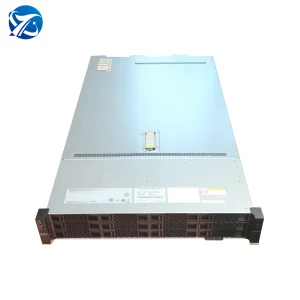
Whether deploying in hyperscale facilities in North America or edge stations in Southeast Asia, V6 servers deliver localized density. By supporting up to two physical processors, massive memory channels, and multiple high-wattage GPUs in standard 2U form factors, they maximize compute output per square meter.
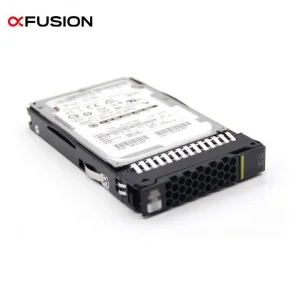
Features hybrid storage flexibility with support for SAS/SATA/NVMe SSD drives. Incorporates top-tier hardware RAID controllers with cache protection to secure volatile database registers.
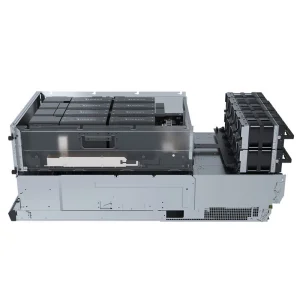
Dual-channel smart speed adjustment fans, optimized wind paths, and low-loss component placement cut overall system PUE, keeping thermal thresholds steady under 100% capacity loads.
Equipped with fully redundant, hot-swappable power supplies (platinum or titanium grades) and active carrier-class system diagnostic panels to minimize service downtime.
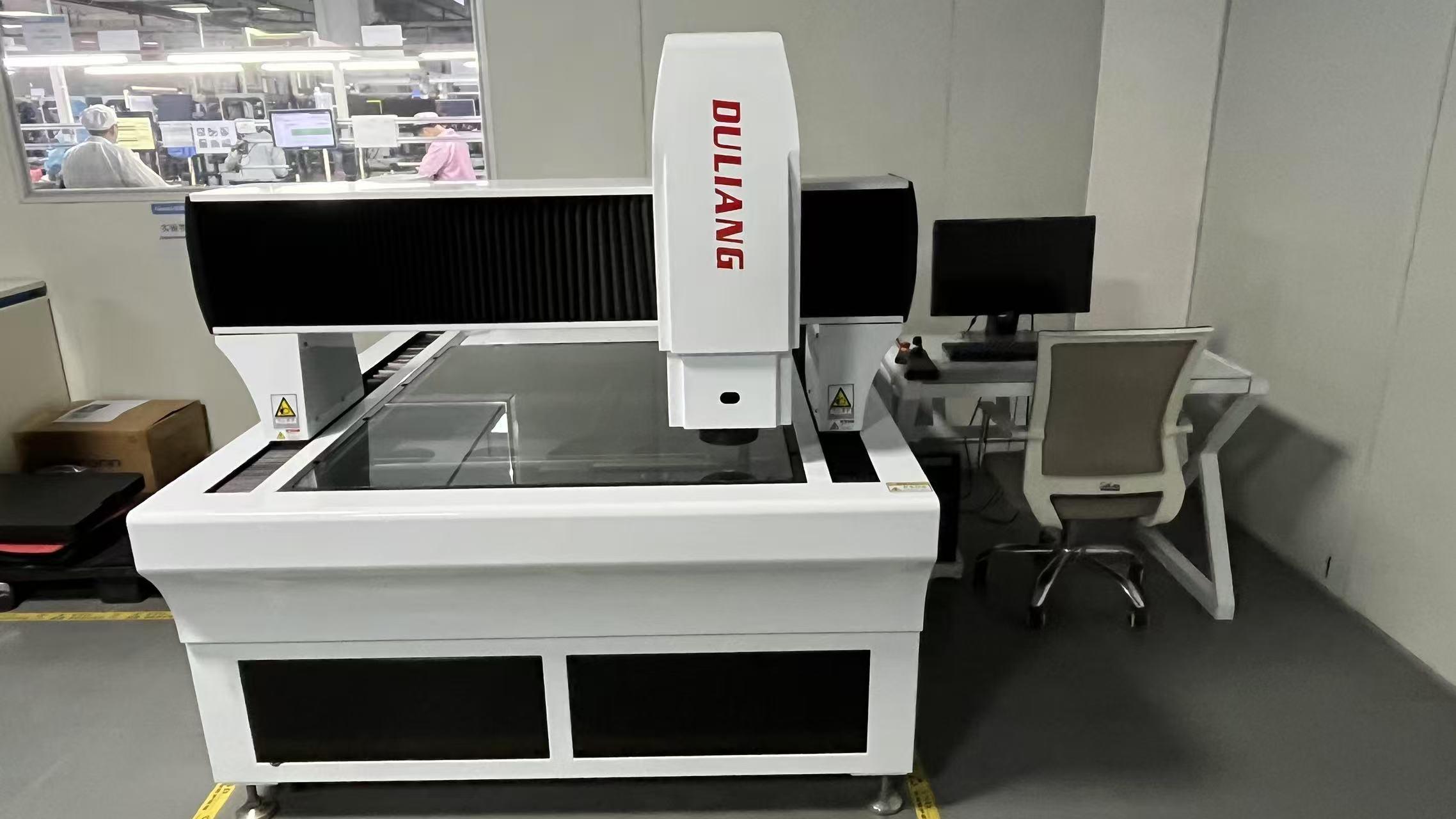
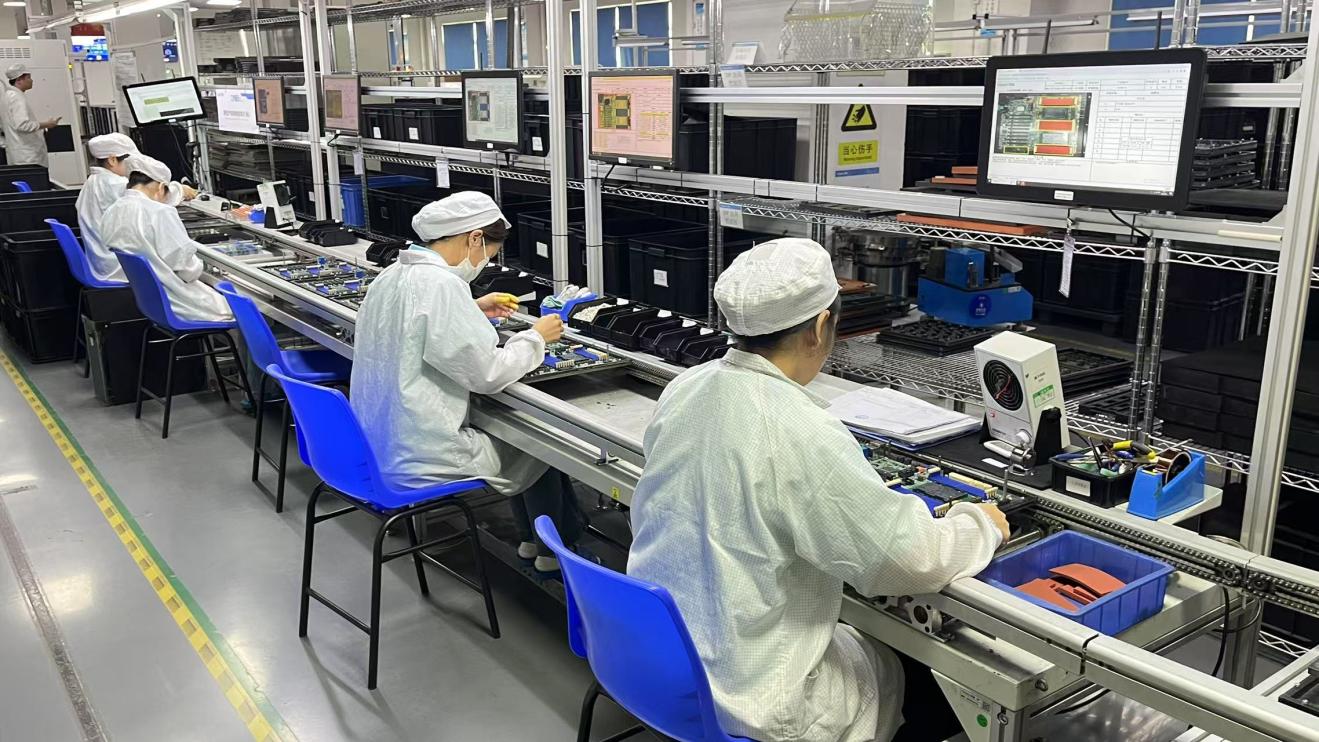
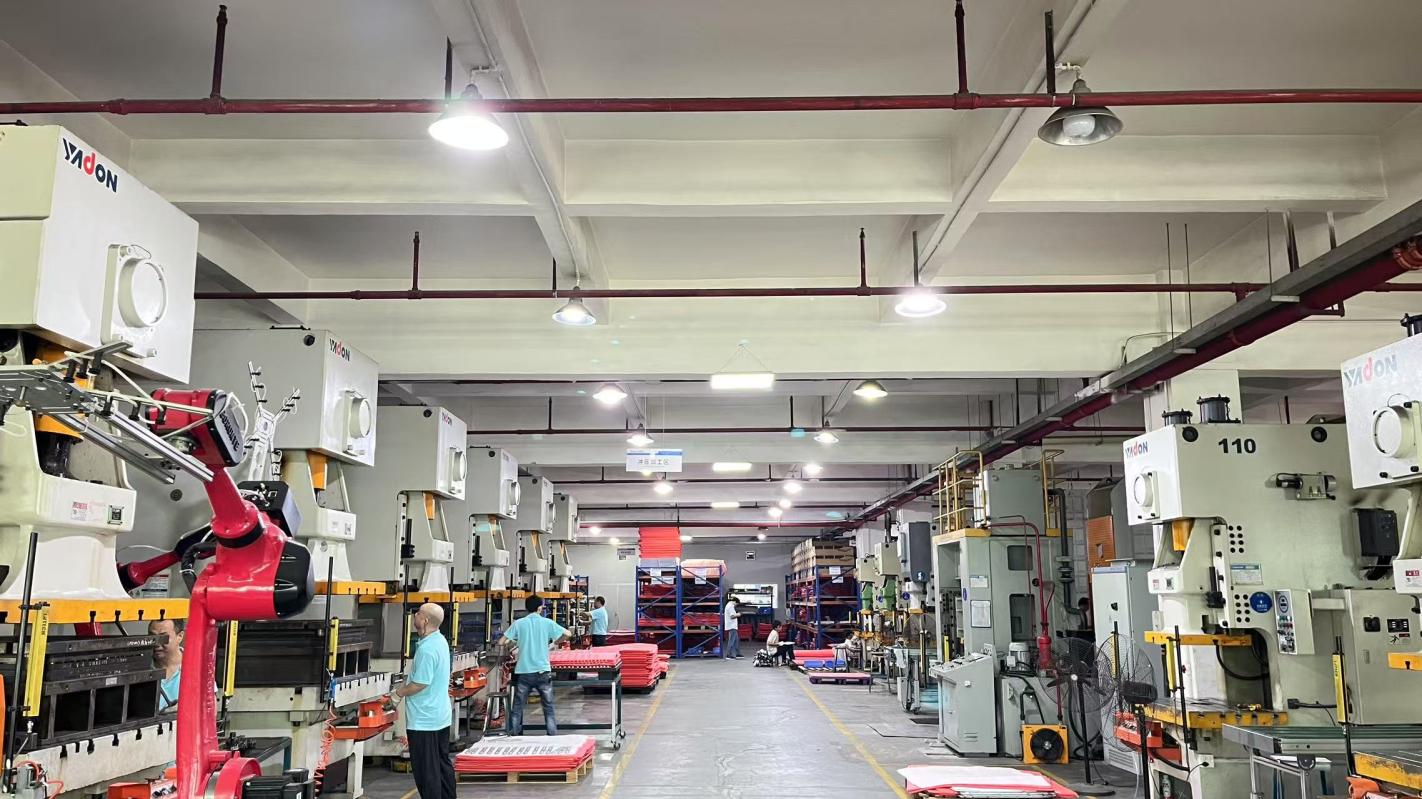
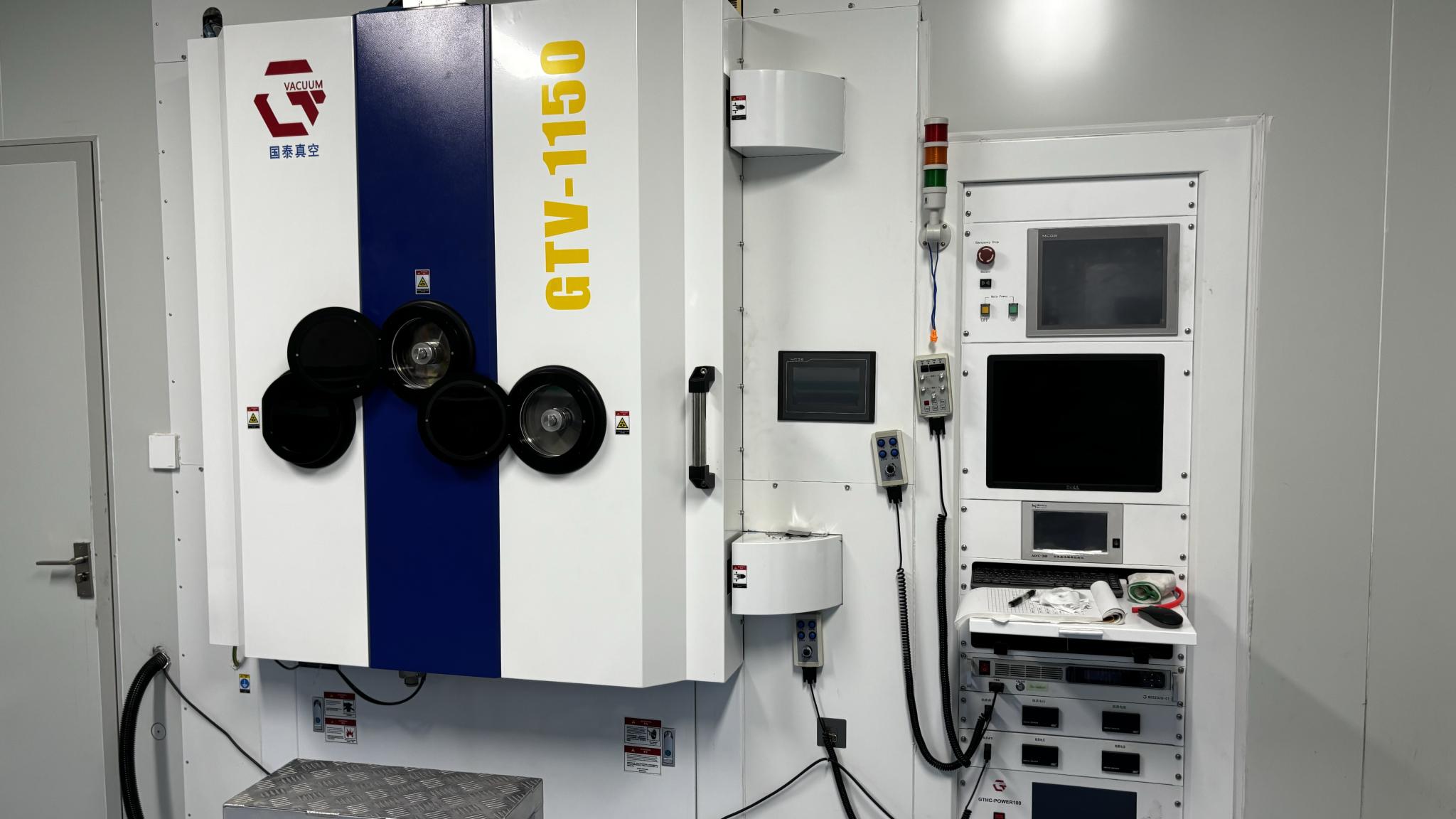
Founded in 2017, Zyphora is a professional manufacturer and global supplier of AI GPU servers, high-performance computing systems, and customized data center solutions. Headquartered in Shenzhen, China, the company operates a modern production facility covering 386 square meters and serves customers across North America, Europe, Southeast Asia, and the Middle East.
With annual export revenue exceeding USD 18 million, Zyphora has built a strong reputation in the AI computing infrastructure industry through continuous innovation, reliable product quality, and customer-focused service. Our team brings over 12 years of industry experience and 7 years of export expertise, enabling us to support clients worldwide with efficient project delivery and professional technical assistance.
Zyphora specializes in AI GPU servers, GPU workstations, rackmount servers, storage servers, and customized computing solutions for artificial intelligence, machine learning, cloud computing, and high-performance computing applications. Supported by a robust supply chain network of more than 1,200 qualified partners, we ensure stable sourcing, flexible production, and rapid delivery.
Quality is at the core of everything we do. Our products undergo comprehensive reliability testing, thermal performance evaluation, burn-in testing, and functional inspections throughout the manufacturing process. A dedicated quality control team of 42 professionals ensures that every product meets strict international standards before shipment.
Innovation drives our growth. Our R&D department consists of 86 experienced engineers specializing in server architecture, thermal management, hardware integration, and AI infrastructure optimization. Each year, we introduce more than 120 new products and upgraded solutions to meet the evolving demands of global customers.
Zyphora offers comprehensive OEM and ODM services, including hardware customization, chassis design, branding, firmware configuration, and system integration. Our flexible manufacturing capabilities enable us to provide tailored solutions for cloud service providers, AI startups, research institutions, system integrators, data center operators, and enterprise customers.
Guided by the principles of quality, innovation, and customer success, Zyphora is committed to delivering advanced AI computing infrastructure that empowers organizations to accelerate digital transformation and unlock the full potential of artificial intelligence.

Deploying V6 and V7 processing nodes to match specialized target workloads from DeepSeek AI models to complex enterprise database virtualization.
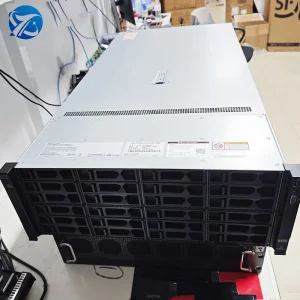
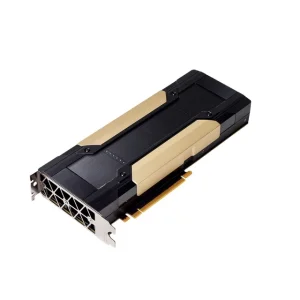
With the release of complex models like DeepSeek 2025, computational demands have skyrocketed. Deploying these frameworks on legacy architectures causes critical throughput bottlenecks. Our flagship configurations, such as the FusionServer G8600 V7 or the xFusion 2258 V7, integrate multi-GPU arrays natively. By utilizing high-bandwidth GPU interconnects alongside enterprise-grade NVMe storage layers, they facilitate high-speed checkpoint loading and sub-millisecond tensor response times during model training and inference phases.
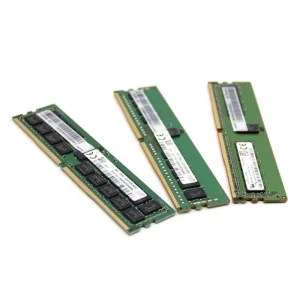
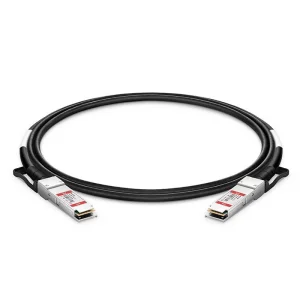
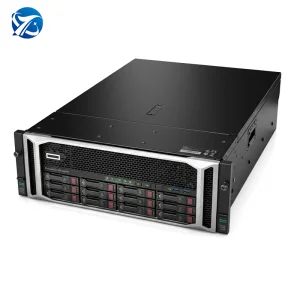
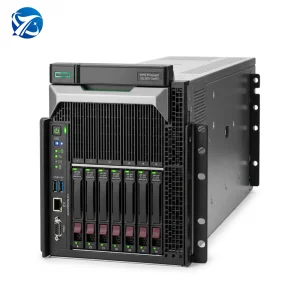
Enterprise data environments demand secure, low-latency shared storage options. System configurations including the HPE ProLiant DL380 Gen12 and the FusionServer 2288H V5 serve as powerful building blocks for hybrid software-defined storage (SDS) infrastructures. Equipped with custom-capacity memory chips, such as xFusion DDR4 ECC RDIMMs, and connected via high-speed, direct-attach cables (e.g., QSFP+ 40G CU3M), these units provide reliable data replication nodes. They handle thousands of simultaneous active virtualization threads without dropping packets or bottlenecking network switches.
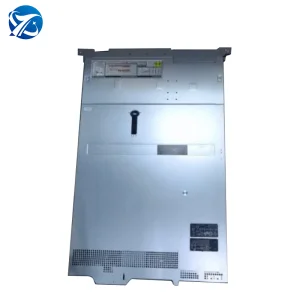
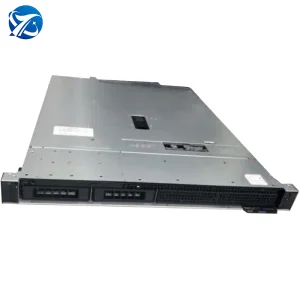
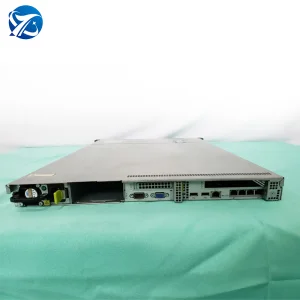
In localized edge processing—such as IoT sensor hubs, remote branch offices, and distributed manufacturing yards—space and physical access are restricted. The compact, high-efficiency 1U servers (like the PowerEdge R260 or R350) are optimal. They offer dedicated out-of-band remote administration (IPMI/iDRAC/iBMC) so network administrators can securely modify firmware, flash BIOS settings, or monitor PSU temperatures from off-site support locations.
Ensuring worry-free operations through certified quality assurance, global logistics, and compliance frameworks.
Navigating global electronics imports requires strict compliance with international trade and safety laws. Zyphora implements a thorough testing routine on every rack server, storage blade, and component before they depart our facility:
Understanding that deployment cycles vary, Zyphora supports project rollouts with dedicated Field Application Engineers (FAE). We provide configuration guidelines, BIOS parameter tuning for GPU optimization, and custom firmware flashing to integrate smoothly with your data center's infrastructure monitoring tools.
The pathway toward PCIe Gen6 integration, hyper-dense CPU cores, and sustainable liquid-to-air cooling systems.
Deployment of custom liquid cooling manifolds for high-density 2U servers, allowing heat dissipation up to 350W per socket, keeping PUE below 1.15 in hot climates.
Introducing upgraded motherboard chipsets designed to leverage CXL (Compute Express Link) protocols, enabling shared memory architecture between host CPUs and multi-GPU racks.
Launching specialized hardware systems optimized for model sharding, featuring high-speed 800Gbps network interfaces directly on the server backplane.
Answers to common inquiries regarding wholesale orders, hardware customization, logistics, and post-sale technical support.
Complete your data center rollout with enterprise-grade RAM, networking interconnects, high-capacity processor units, and rack components.