Zyphora
Zyphora
Zyphora
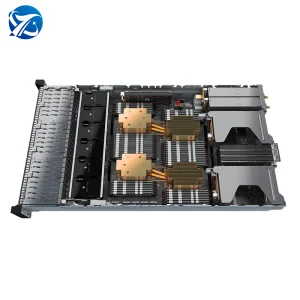
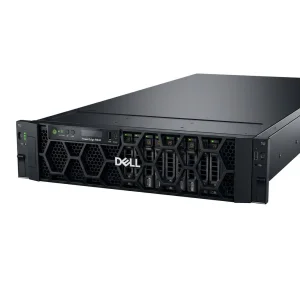
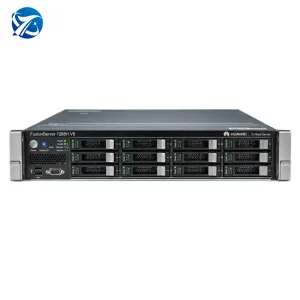
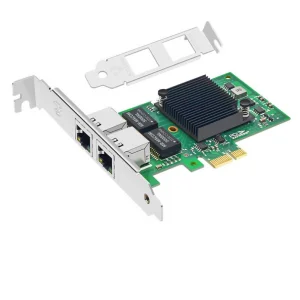
High-performance rack servers and hardware accelerators configured to host sophisticated UTM platforms, firewall operating systems, and AI security nodes.



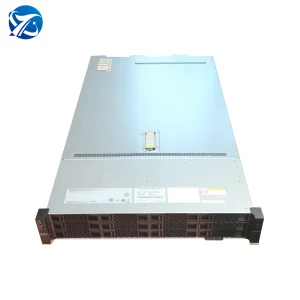
In an era defined by decentralized data, rapid cloud migration, and sophisticated artificial intelligence-driven cyberattacks, legacy perimeter defenses are no longer sufficient. Unified Threat Management (UTM) has transitioned from a basic packaging of basic security tools (such as firewalls and antivirus programs) into a comprehensive, deeply integrated, and hardware-accelerated security gateway. Today's UTM systems are designed to offer multi-layered protection while maintaining optimal network throughput.
By combining deep packet inspection (DPI), stateful inspection firewalls, intrusion prevention systems (IPS), gateway antivirus, content filtering, and Virtual Private Network (VPN) capabilities into a single physical or virtual appliance, organizations significantly reduce structural complexity. Sourcing directly from advanced China UTM hardware manufacturers enables global enterprises, managed service providers (MSPs), and industrial operators to acquire high-density hardware platforms that handle these computationally intensive pipelines without creating network bottlenecks.
The global network security landscape is heavily driven by the convergence of security and networking, commonly recognized as Secure Access Service Edge (SASE) and Security Service Edge (SSE). The demand for high-performance UTM hardware on-premises and at the edge is surging. In commercial offices, financial branches, healthcare clinics, and smart retail centers, physical appliances remain a vital first line of defense.
Industrial environments present an even more challenging environment. The convergence of Operational Technology (OT) and Information Technology (IT) introduces vulnerabilities to critical infrastructure, such as smart grids, manufacturing plants, and petroleum refineries. Sourcing standard and customizable rackmount servers from dedicated OEM/ODM suppliers provides the exact computing footprint required to run proprietary intrusion detection systems tailored for legacy industrial protocols (e.g., Modbus, DNP3, and PROFINET).
Utilizing dedicated cryptoprocessors to execute SSL/TLS decryption (up to TLS 1.3) without taxing the primary system CPU.
Analyzing application layers to prevent hidden threats inside seemingly benign web traffic.
Combining multiple WAN links with dynamic traffic steering to optimize SaaS performance and reduce MP-LS costs.