Zyphora
Zyphora
Zyphora
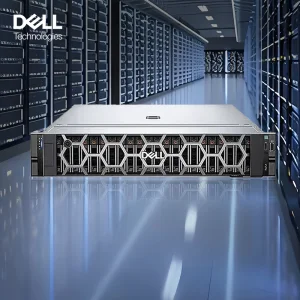
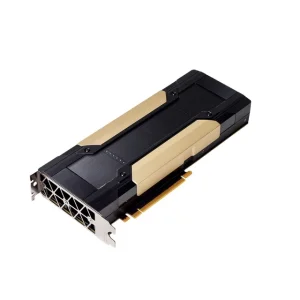
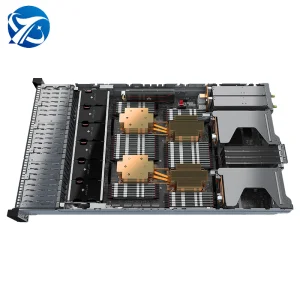
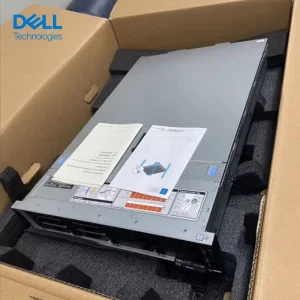
As digital ecosystems expand through multi-cloud architectures, edge computing networks, and generative AI pipelines, the demand for highly optimized network security appliances has surged globally. Enterprises no longer rely solely on software-based layers; the sheer volume of encrypted traffic (SSL/TLS 1.3) requires dedicated physical execution planes to run deep packet inspection (DPI), Intrusion Prevention Systems (IPS), and Zero Trust Network Access (ZTNA) protocols at line-speed.
The manufacturing infrastructure in China, specifically centered in technical hubs like Shenzhen, has positioned the country as the premier developer and OEM partner for high-reliability computer servers, switches, and custom network security appliances. China's rapid prototype validation cycles and massive electronic components ecosystem allow manufacturers to construct purpose-built systems that combine high-density processing cores with specific encryption hardware accelerators.
Processing security policies closer to the endpoints minimizes latency and protects localized local area networks (LANs) from lateral threat propagation.
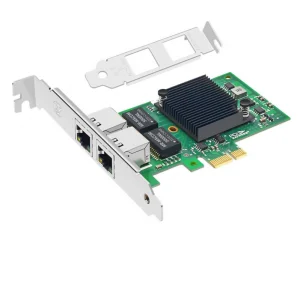
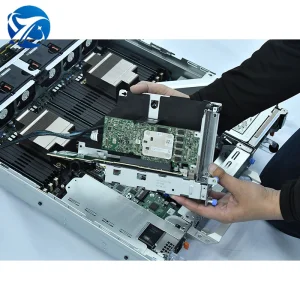
Integrating cryptographic offload engines directly onto standard server bus slots (PCIe) ensures SSL/TLS decryption doesn't choke main CPU workloads.
Localized manufacturing allows enterprises to run audited firmware versions on dedicated physical servers, ensuring compliance with strict domestic data laws.
Modern network design demands that processing hardware adapt dynamically. Several key engineering shifts are transforming the architecture of network security appliances today:
Rather than relying solely on static signature databases, modern security systems run dynamic ML threat models directly on localized server platforms. Deploying GPU cards (like the USED NVIDIA V100 PCIe 32GB GPU) adjacent to standard rack servers enables immediate processing of deep-packet telemetry. Security devices analyze millions of connections in real-time, detecting anomalies and mitigating zero-day attacks before they compromise the inner layers of the intranet.
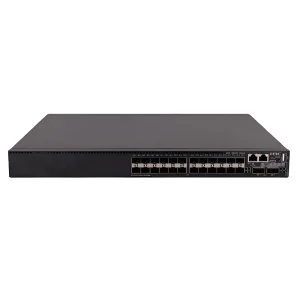
Data transmission rates of 10G, 40G, and 100G pose a substantial computational challenge for general-purpose server architectures. By utilizing advanced network switches like the H3C S6520X-30QC-EI, which features high-capacity 10G/40G optical routing, data centers offload packet filtering and traffic policing from the central CPUs. Smart Network Interface Cards (SmartNICs) process firewall rules inside the NIC circuitry, freeing up core computing resources on servers (like xFusion or Dell PowerEdge architectures) to handle system applications.
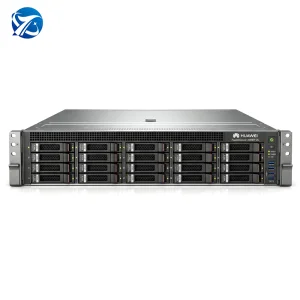
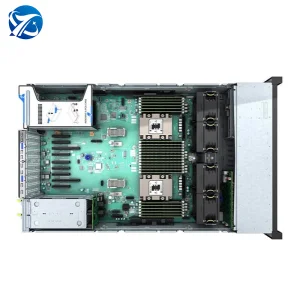
As organizations transition to Secure Access Service Edge (SASE) models, the physical equipment must support compute, storage, and networking tasks simultaneously. Enterprise platforms like the FusionServer 2488H V6 combine high-socket density with local solid-state storage (SSDs) to act as hyper-converged security nodes. These nodes run containerized firewall instances, perform log storage, and route traffic through secure tunnels without requiring separate appliance clusters.
Deploying specialized security appliances depends heavily on the specific workloads and environmental conditions of the destination facility. Below are typical enterprise use-cases:
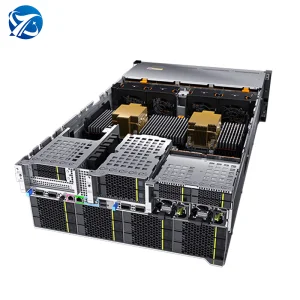
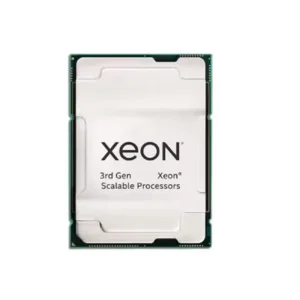
Deployment: Multi-socket high-performance units (e.g., xFusion FusionServer 5288 V6 with dual Intel Xeon processors and high-capacity storage bays).
Objective: Run virtualization-layer firewalls, manage multi-tenant routing tables, and defend against targeted DDoS attacks on public cloud ingress points.
Deployment: Low-latency core routers and switches equipped with hardware-based cryptographic accelerators.
Objective: Conduct real-time data encryption and packet inspection on high-frequency trading networks without introducing latency overheads exceeding sub-millisecond tolerances.
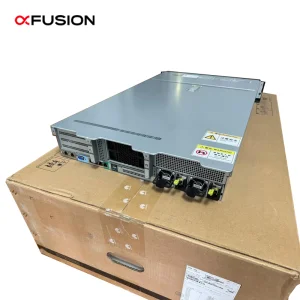
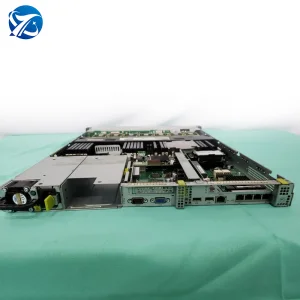
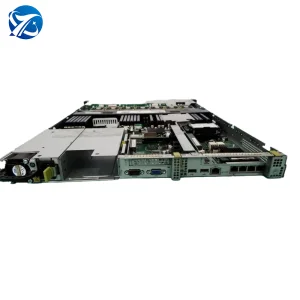
Deployment: Compact 1U rack servers (such as the FusionServer 1288H V5) adapted with environmental shielding.
Objective: Bridge the gap between corporate IT security systems and Operations Technology (OT) on manufacturing lines, inspecting Modbus and industrial Ethernet protocols for malware insertion.
| Appliance/Server Class | Processor & Memory Architecture | Network Interfaces | Ideal Network Security Workload |
|---|---|---|---|
| Dell PowerEdge R760 2U | Intel Xeon Scalable 8452Y / DDR5 RAM | PCIe Gen5 Expansion Slots | Hyper-Scale Stateful Firewall & Deep Packet Inspection (DPI) |
| FusionServer 2488H V6 | 4-Socket Intel Xeon / Scalable Storage | Multiple On-board 10GE/25GE ports | Enterprise-Wide Threat Management & Security Event Correlator (SIEM) |
| H3C S6520X-30QC-EI | Hardware-ASIC packet processor | 24x 10G SFP+ / 2x 40G QSFP+ | Core Network Access Control (ACL) & Hardware Rate Limiting |
| FusionServer 1288H V5 | Dual Intel Xeon Scalable Series | Dual 10GbE BASE-T or SFP+ | Localized Edge Gateway, VPN Concentrator & ZTNA Controller |
As the cryptographic baseline shifts toward Quantum-Resistant Algorithms (QRA) and workloads require even lower execution bounds, the hardware roadmap for network security appliances is taking clear directions:
While general-purpose servers like the Dell and xFusion platforms remain standard for management software, core firewall packet routing is shifting to specialized chips. ASIC technology performs layer 3/4 filtering on the silicon chip itself, ensuring that even under massive distributed denial of service (DDoS) attempts, the core operating system of the security server remains responsive. Manufacturers are increasingly integrating customized FPGA cards alongside traditional CPUs to adapt physical firewalls to changing encryption standards without replacing core chassis.
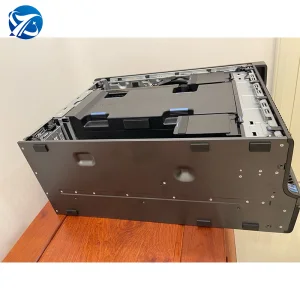
High-capacity processing nodes release significant heat when performing continuously. Custom configurations call for optimized cooling tracks. System designs that integrate advanced chassis structures, like those utilized by leading Chinese ODMs, run high-power processing environments at lower thermal levels. This reliability in server operation directly impacts network uptime, ensuring security barriers remain active without thermal throttling failures.
Establishing robust defense policies requires unified hardware orchestration. Our custom manufacturing capabilities allow us to construct tailormade infrastructure architectures:
Using redundant server configurations (such as dual 2U chassis R760 or 2288H V6 systems) linked via fast fiber optic switches, organizations run active-active cluster nodes. If one node encounters a hardware exception, state tables switch over instantly, preventing connectivity drops.
By positioning core switches (like the S6520X-30QC-EI) at network boundaries and routing traffic through rackmount firewall appliances, systems build logical layers. Isolated zones run unique access protocols, containing security threats in local loops.
Security clusters configured with GPU capabilities (e.g., V100 card integrations) inspect deep-learning data transfers. They filter unauthorized training data additions or injection attacks targeted at large models, protecting corporate IP.
Founded in 2017, Zyphora is a professional manufacturer and global supplier of AI GPU servers, high-performance computing systems, and customized data center solutions. Headquartered in Shenzhen, China, the company operates a modern production facility covering 386 square meters and serves customers across North America, Europe, Southeast Asia, and the Middle East.
With annual export revenue exceeding USD 18 million, Zyphora has built a strong reputation in the AI computing infrastructure industry through continuous innovation, reliable product quality, and customer-focused service. Our team brings over 12 years of industry experience and 7 years of export expertise, enabling us to support clients worldwide with efficient project delivery and professional technical assistance.
Zyphora specializes in AI GPU servers, GPU workstations, rackmount servers, storage servers, and customized computing solutions for artificial intelligence, machine learning, cloud computing, and high-performance computing applications. Supported by a robust supply chain network of more than 1,200 qualified partners, we ensure stable sourcing, flexible production, and rapid delivery.
Quality is at the core of everything we do. Our products undergo comprehensive reliability testing, thermal performance evaluation, burn-in testing, and functional inspections throughout the manufacturing process. A dedicated quality control team of 42 professionals ensures that every product meets strict international standards before shipment.
Innovation drives our growth. Our R&D department consists of 86 experienced engineers specializing in server architecture, thermal management, hardware integration, and AI infrastructure optimization. Each year, we introduce more than 120 new products and upgraded solutions to meet the evolving demands of global customers.
Zyphora offers comprehensive OEM and ODM services, including hardware customization, chassis design, branding, firmware configuration, and system integration. Our flexible manufacturing capabilities enable us to provide tailored solutions for cloud service providers, AI startups, research institutions, system integrators, data center operators, and enterprise customers.
Guided by the principles of quality, innovation, and customer success, Zyphora is committed to delivering advanced AI computing infrastructure that empowers organizations to accelerate digital transformation and unlock the full potential of artificial intelligence.
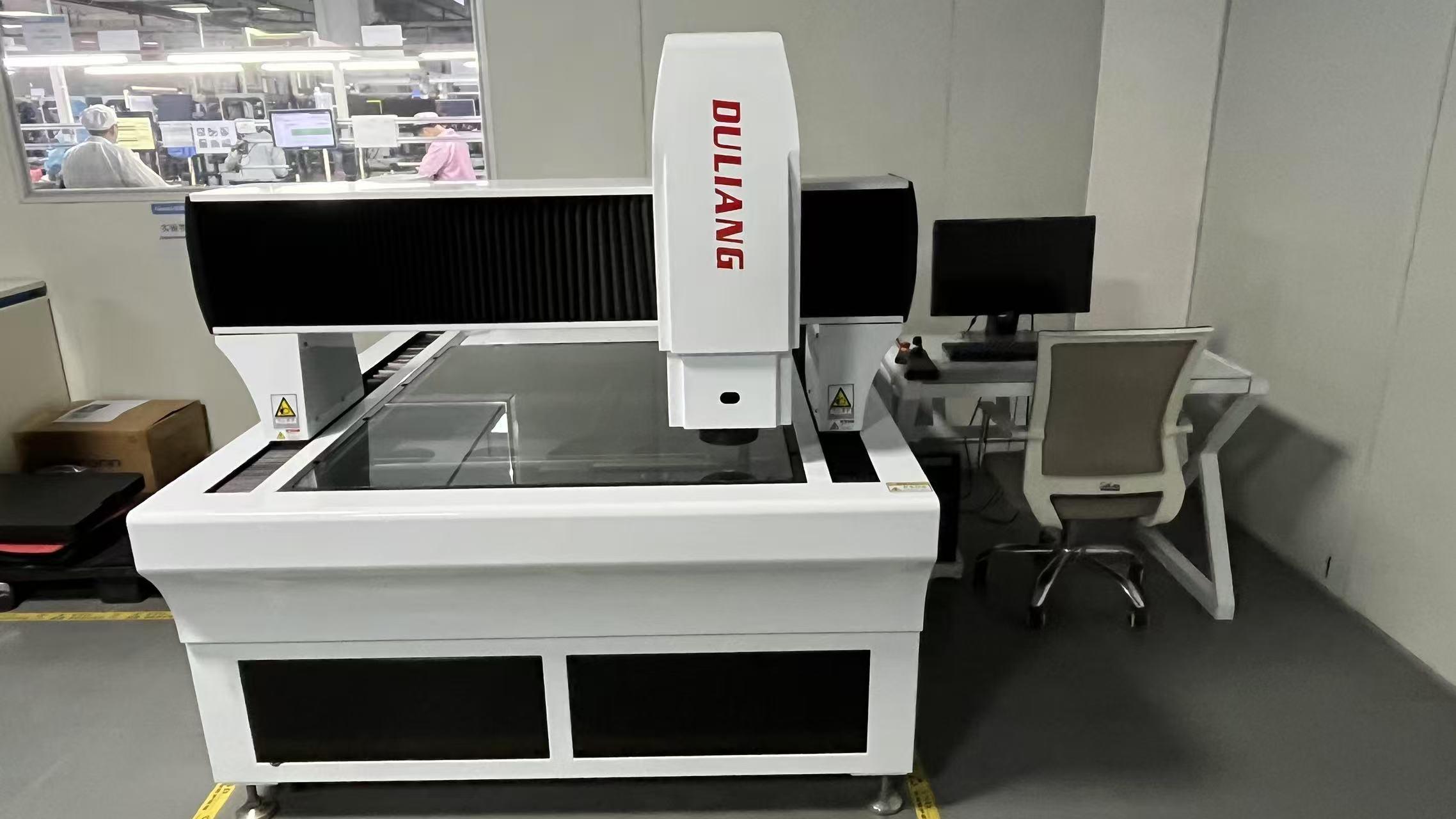
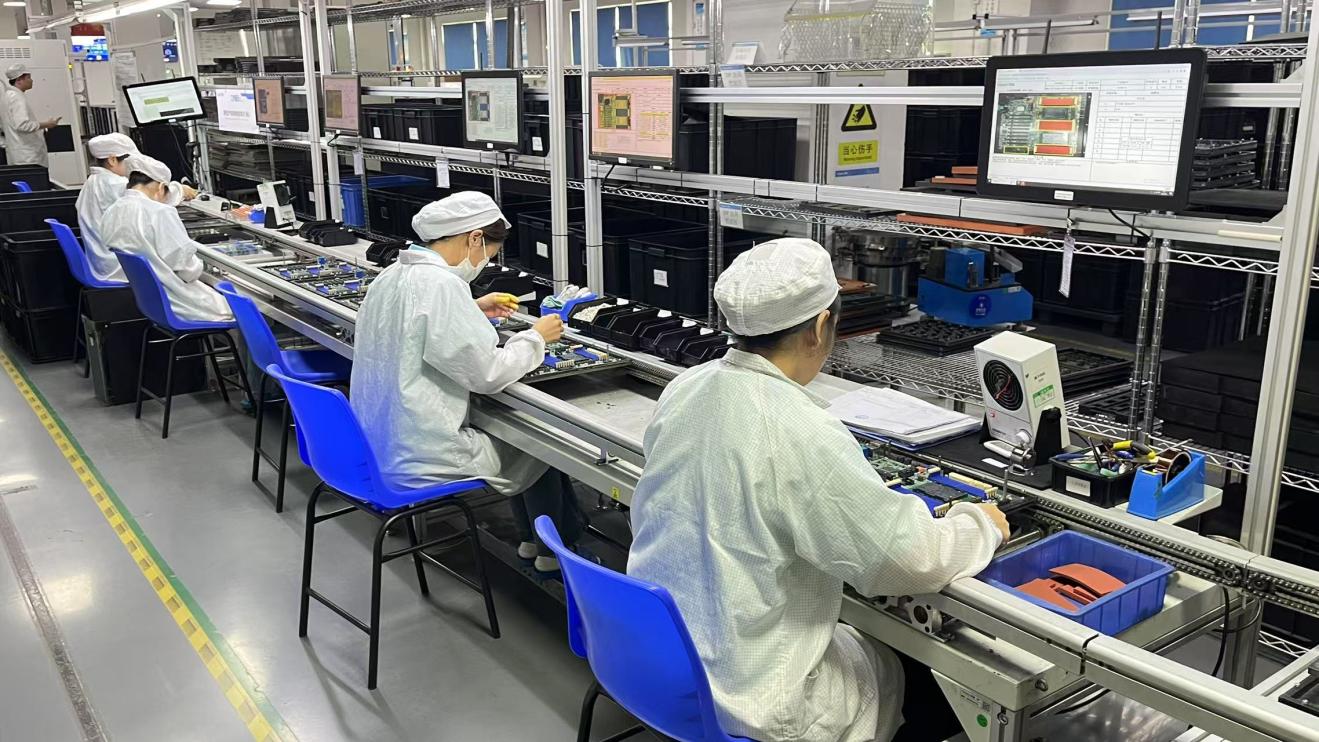
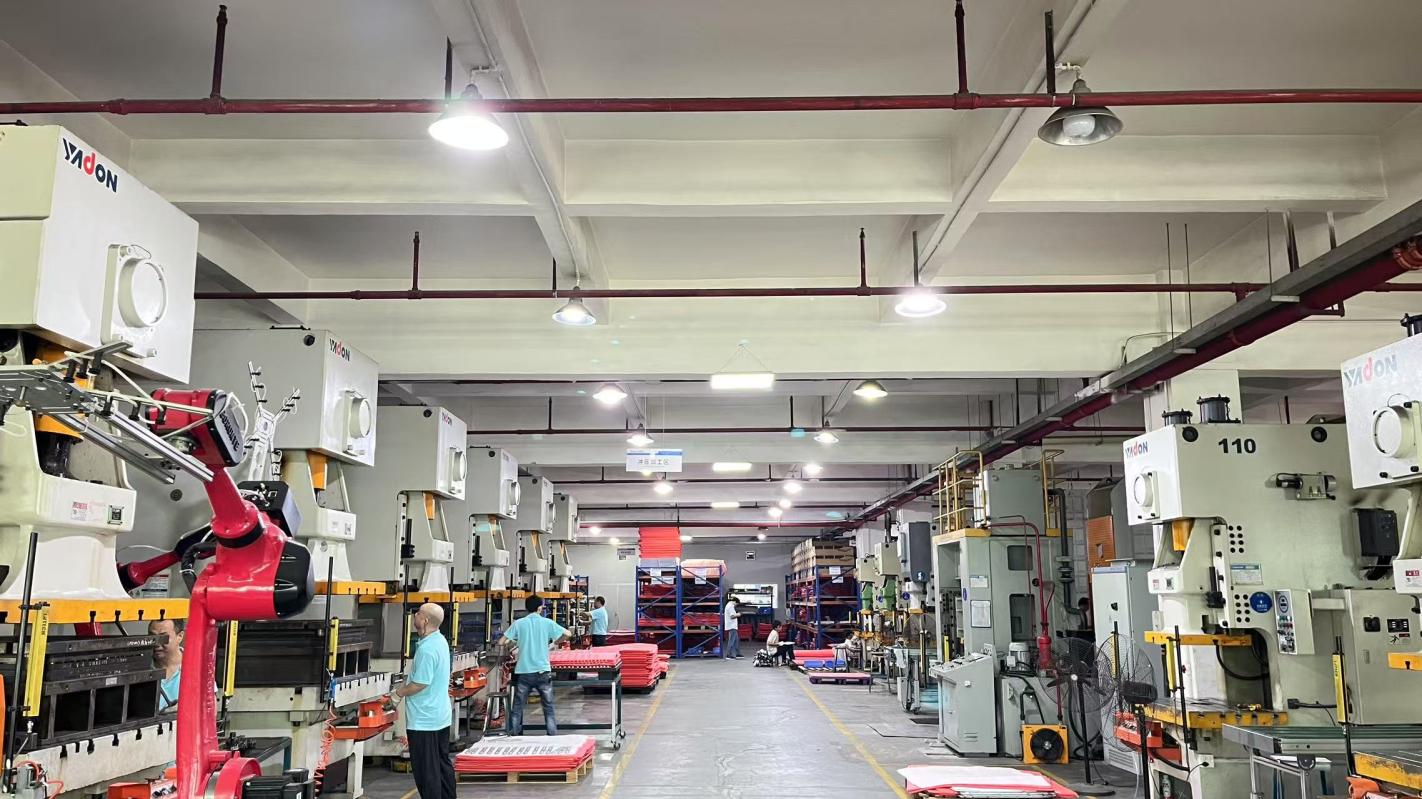
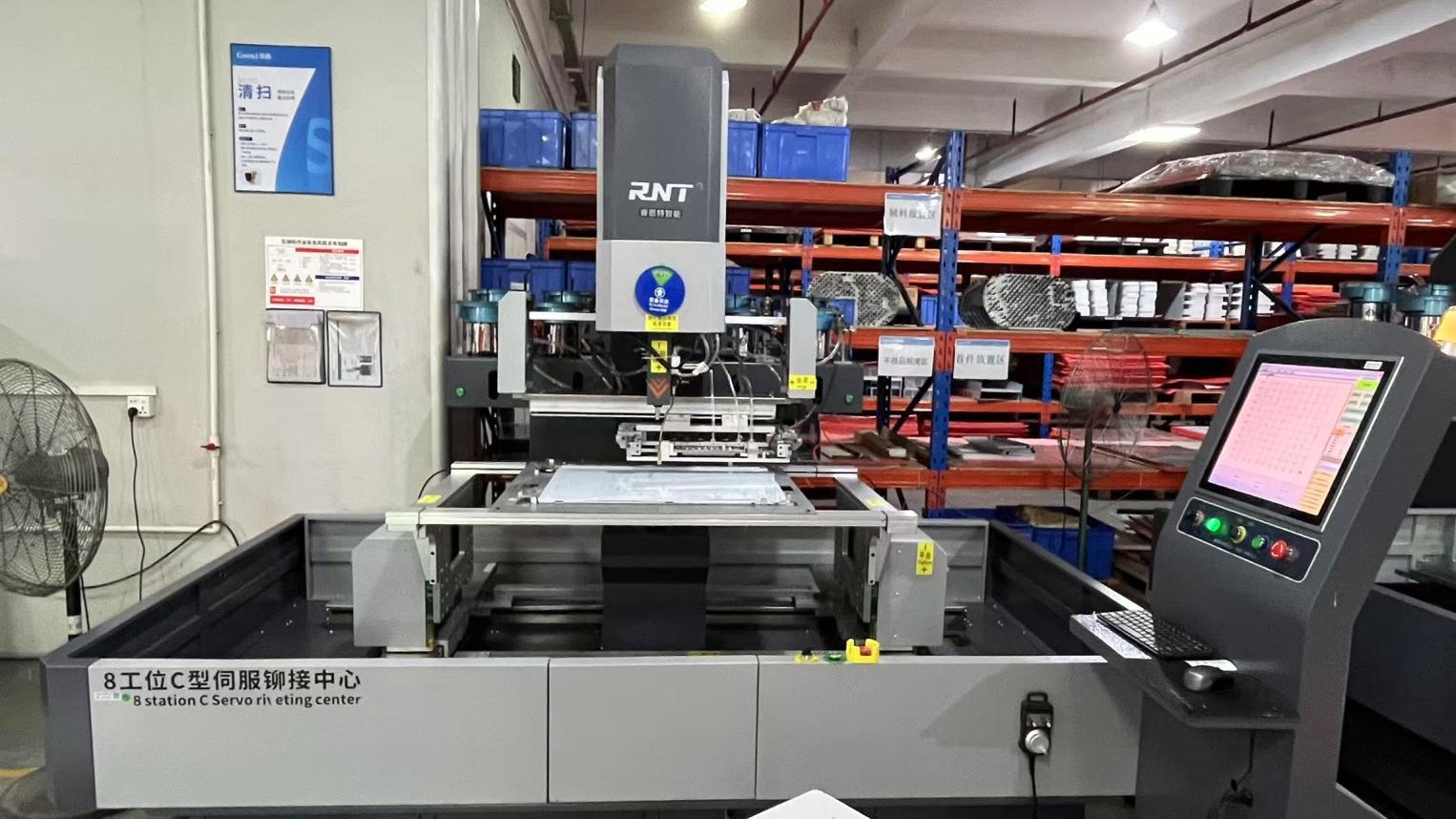
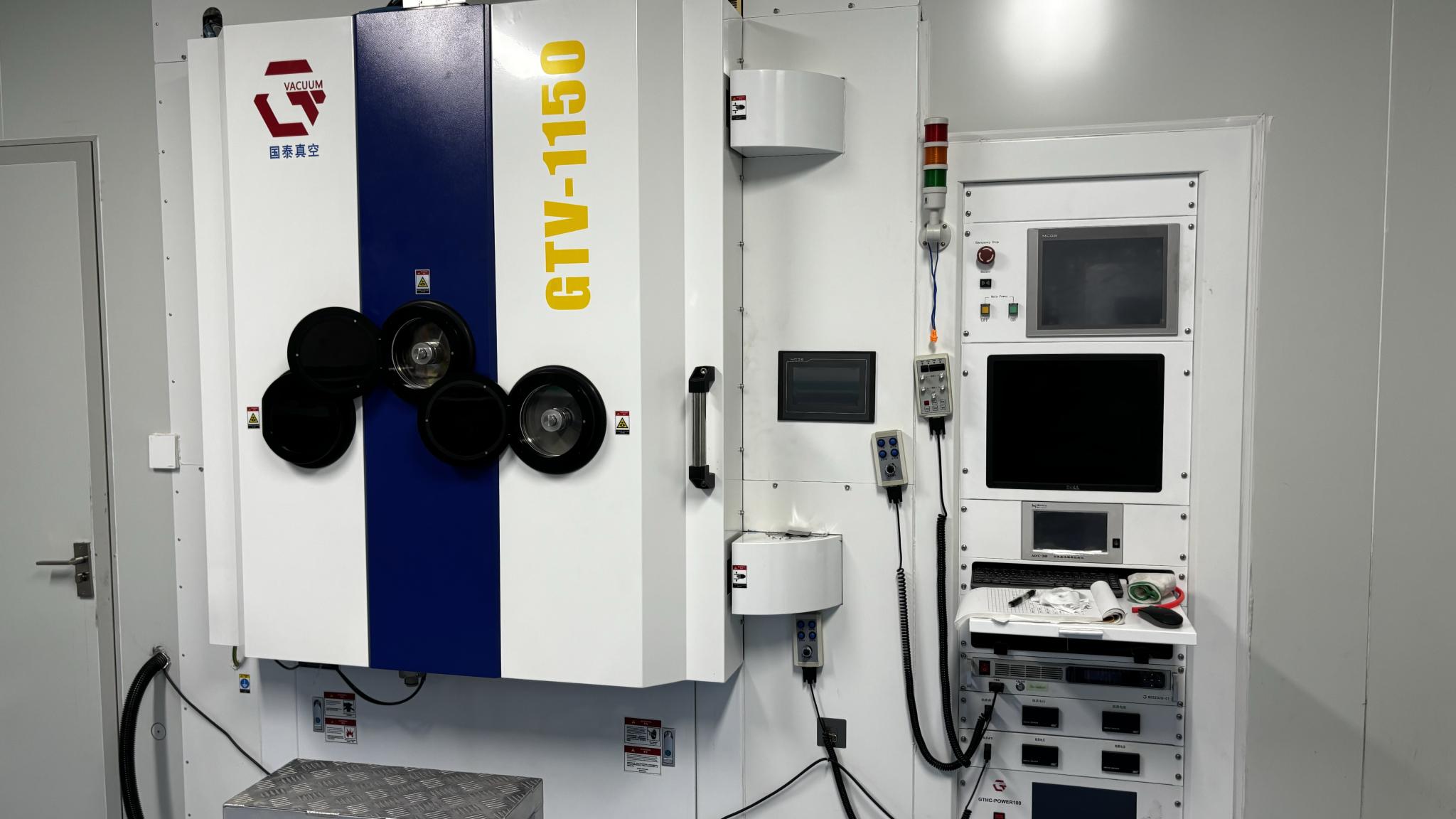
Dedicated network security appliances feature hardware optimized specifically for network I/O, utilizing expansion interfaces, dynamic crypto-offload cards, and custom hardware setups. This configuration ensures consistent performance and minimal latency compared to virtualized software instances sharing general-purpose system processes.
Yes. Zyphora offers complete OEM and ODM services. This includes physical rack chassis alterations, customized port layouts, custom BIOS and firmware configurations, and custom client branding for distributors and cloud security providers globally.
Network security hardware often runs continuously under full load. Custom thermal configurations, including high-flow fan controllers, structured airflow barriers, and quality heatsinks, prevent hardware degradation and thermal throttling, keeping network systems stable over years of operation.
Yes, by installing specialized Network Operating Systems (such as pfSense, OPNsense, or proprietary Linux firewall platforms) and adding expansion cards (NICs/SmartNICs), standard servers can serve as high-performance network security appliances.