Zyphora
Zyphora
Zyphora
Direct factory-sourced system integration components and next-generation storage nodes.
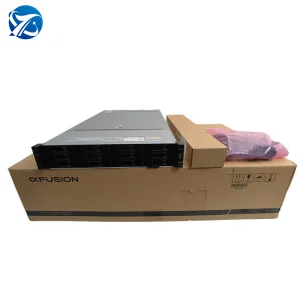
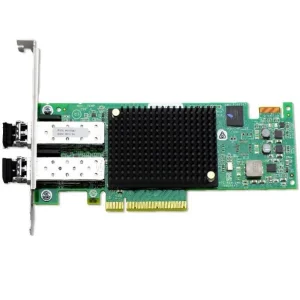
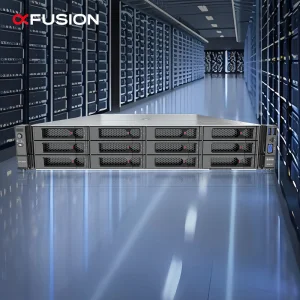
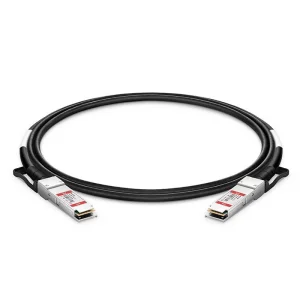
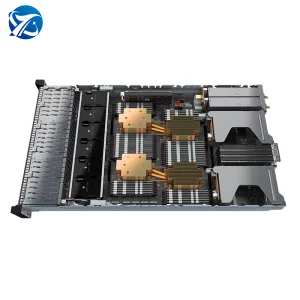
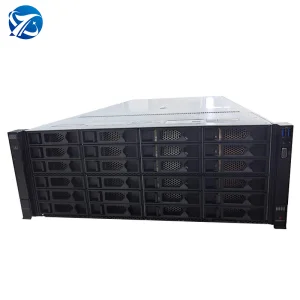
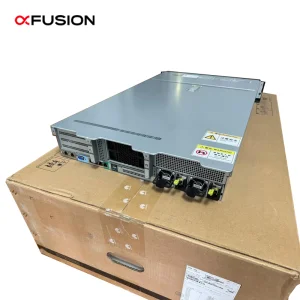
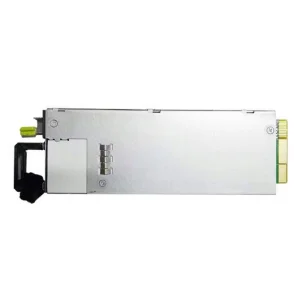
Based in the technological core of Shenzhen, China, Zyphora delivers end-to-end datacenter customization, processing node integration, and world-class GPU configurations.
Founded in 2017, Zyphora has established itself as an authoritative global supplier of AI GPU servers, heavy-duty processing configurations, and bespoke enterprise solutions. By combining the vast hardware manufacturing networks of Shenzhen with deep domain expertise in CPU and GPU system integrations, Zyphora supports critical digital transformations across North America, Europe, the Middle East, and Asia.
With an annual export volume exceeding USD 18 million, our focus spans beyond simple component reselling. We provide robust architectural design, strict hardware burn-in validation, and customizable OEM/ODM pipelines that meet the stringent hardware specifications of hyperscalers, edge developers, and private cloud providers worldwide.
Understanding the shifting paradigms in high-performance silicon manufacturing, motherboard design, and complete system assembly.
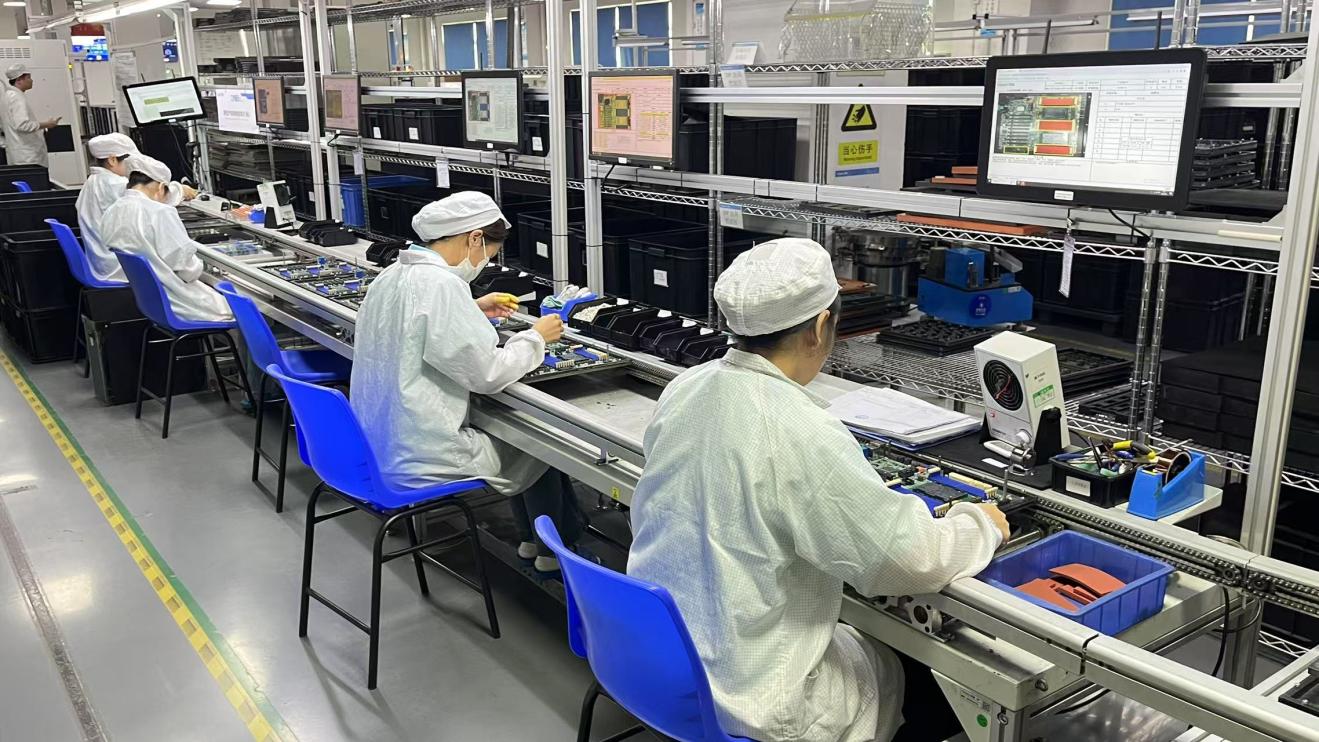
Over the last decade, China’s industrial computer architecture has transitioned from localized component assembly to sophisticated multi-layered circuit integration. Factories in the Greater Bay Area now host the complete pipeline for board-level design, SMT (Surface Mount Technology), thermal interface material application, and high-frequency board testing. This ecosystem allows manufacturers to seamlessly adapt to diverse processor standards, from legacy x86 architectures to RISC-V prototypes and customized AI application-specific integrated circuits (ASICs).
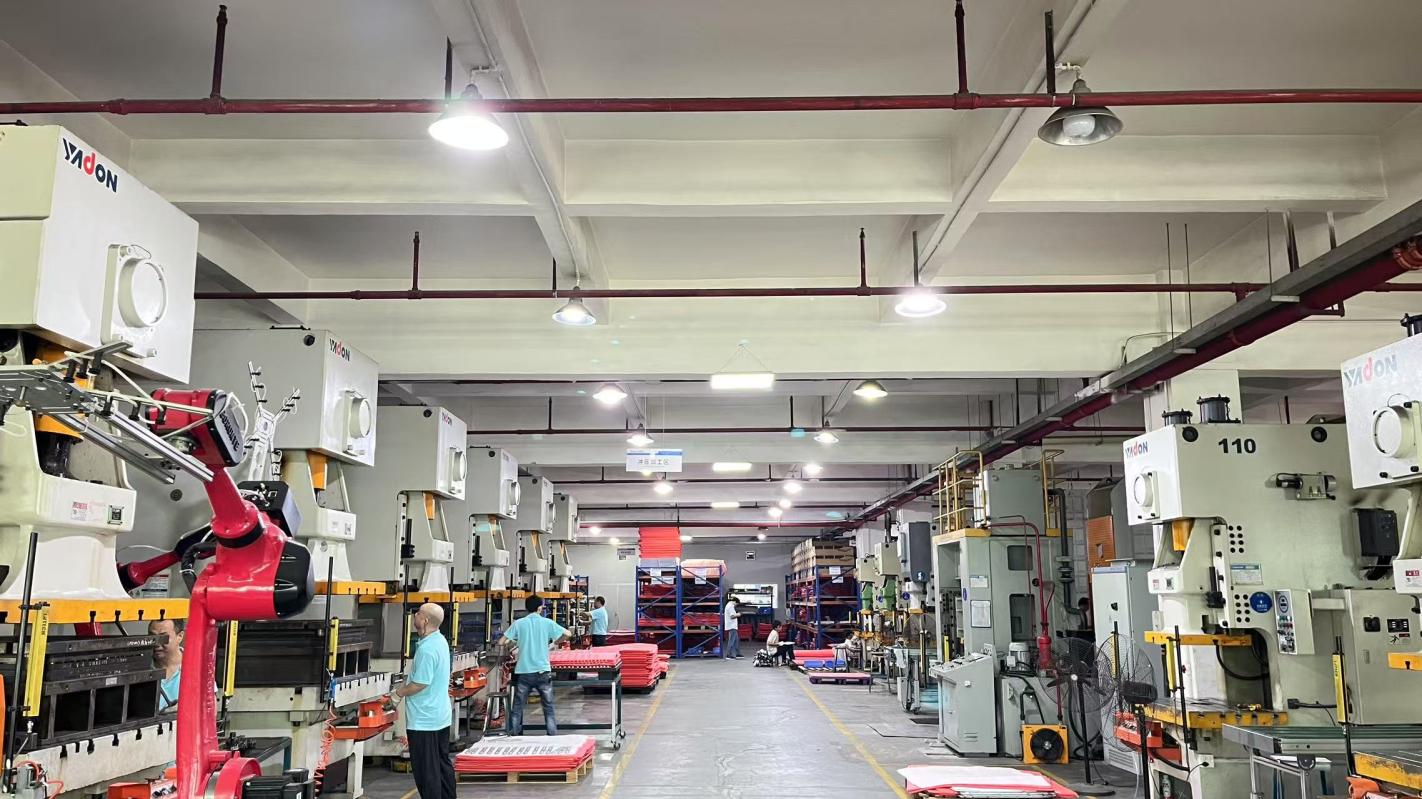
The competitive advantage of Chinese factories lies in their geographical synergy. A server manufacturing facility in Shenzhen does not simply build chassis; it sits adjacent to PCB substrate fabricators, high-reliability capacitors suppliers, custom power module builders, and advanced cooling system manufacturers. This localized density eliminates long-distance transit times for essential inputs and minimizes lead times from months to mere weeks.
As enterprise demands evolve toward hybrid-cloud applications and localized LLM (Large Language Model) processing, hardware designs must scale quickly. The physical integration of next-gen server components—such as PCIe Gen 5 expansion buses, dual-port 32G Fibre Channel adapters, and robust storage backplanes—requires absolute synchronization between circuit designers and material science engineers. This deep architectural agility is the signature trademark of China's top tier computing factories.
How optimization of logistics, integrated components sourcing, and fast-prototyping builds structural advantages for worldwide procurers.
Purchasing computational nodes directly from advanced manufacturing facilities in China provides distinct strategic advantages that cannot be replicated by simple local assembly operations in other parts of the world. By integrating complete component pipelines, these factories offer:
Navigating custom configurations, logistics bottlenecks, compatibility validation, and lead time predictability.
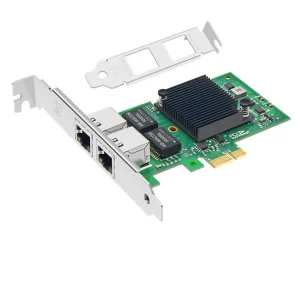
Many enterprise IT departments struggle to source server configurations built precisely to their application requirements. Standard off-the-shelf nodes either lack necessary network expansions (like dual-port SFP28/SFP56 cards) or over-allocate storage bays. A factory-direct engagement allows structural customizations of backplanes, customized riser cards, and targeted storage node optimization.
Global microchip shortages and freight volatility have made shipment predictability highly critical. Zyphora mitigates this risk by securing long-term allocation contracts across a partner matrix of 1,200 verified supply nodes. This secures component supply paths, maintaining steady shipping timelines even during global logistics pinches.
Integrating high-frequency storage controllers, multi-port fiber adaptors, and high-performance CPUs requires extensive compatibility and signal integrity testing. Sourcing from a factory that provides hardware burn-in validation ensures that components work harmoniously out of the box, reducing post-installation downtime to near zero.
Tailored computing setups optimized for high-density AI clusters, scale-out network storage, and virtualized workloads.
Computing demands differ widely between corporate virtualization nodes, high-density media storage networks, and hyper-scale deep learning clusters. Our configurations are designed to meet these specialized macro applications:
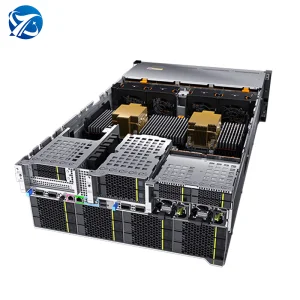
Modern neural network training and inferencing (including models like DeepSeek, LLaMA, and custom enterprise AI systems) require massive parallel processing capability. To avoid PCIe bottlenecking, we deploy high-throughput multi-GPU configurations utilizing PCIe switches and high-speed NVMe storage. Dual-socket motherboard design balances multi-core performance with the high power demands of modern computing components.
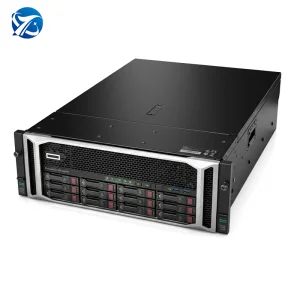
High-volume storage applications require stable backplanes that support both SATA and SAS drives, backed by highly reliable RAID controller cards (e.g., 9540-8i PCIe 4.0 storage adapters). These systems are typically coupled with high-speed Fiber Channel Host Bus Adapters (such as Emulex 32Gb FC cards) to ensure stable, low-latency, and redundant file sharing across corporate environments.
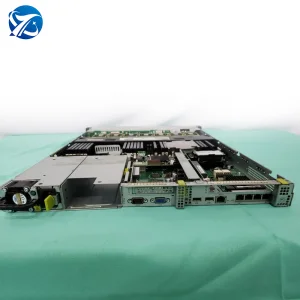
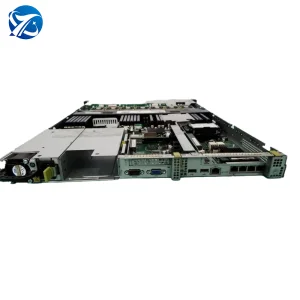
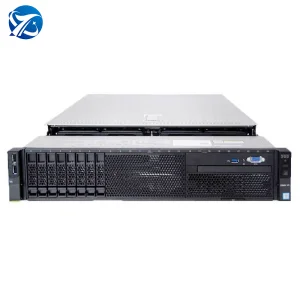
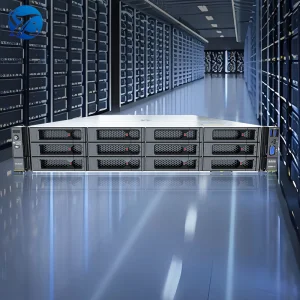
Hyper-converged infrastructure demands reliable 1U and 2U rack server options (such as the FusionServer 1288H V5 or 2288H V7) designed to maximize CPU core density per rack unit. High-efficiency power supplies (e.g., HVDC1500wb redundant PSU setups) ensure optimal power usage, keeping operational costs low while guaranteeing continuous system uptime.
A look inside our testing processes to ensure zero-defect hardware delivery.
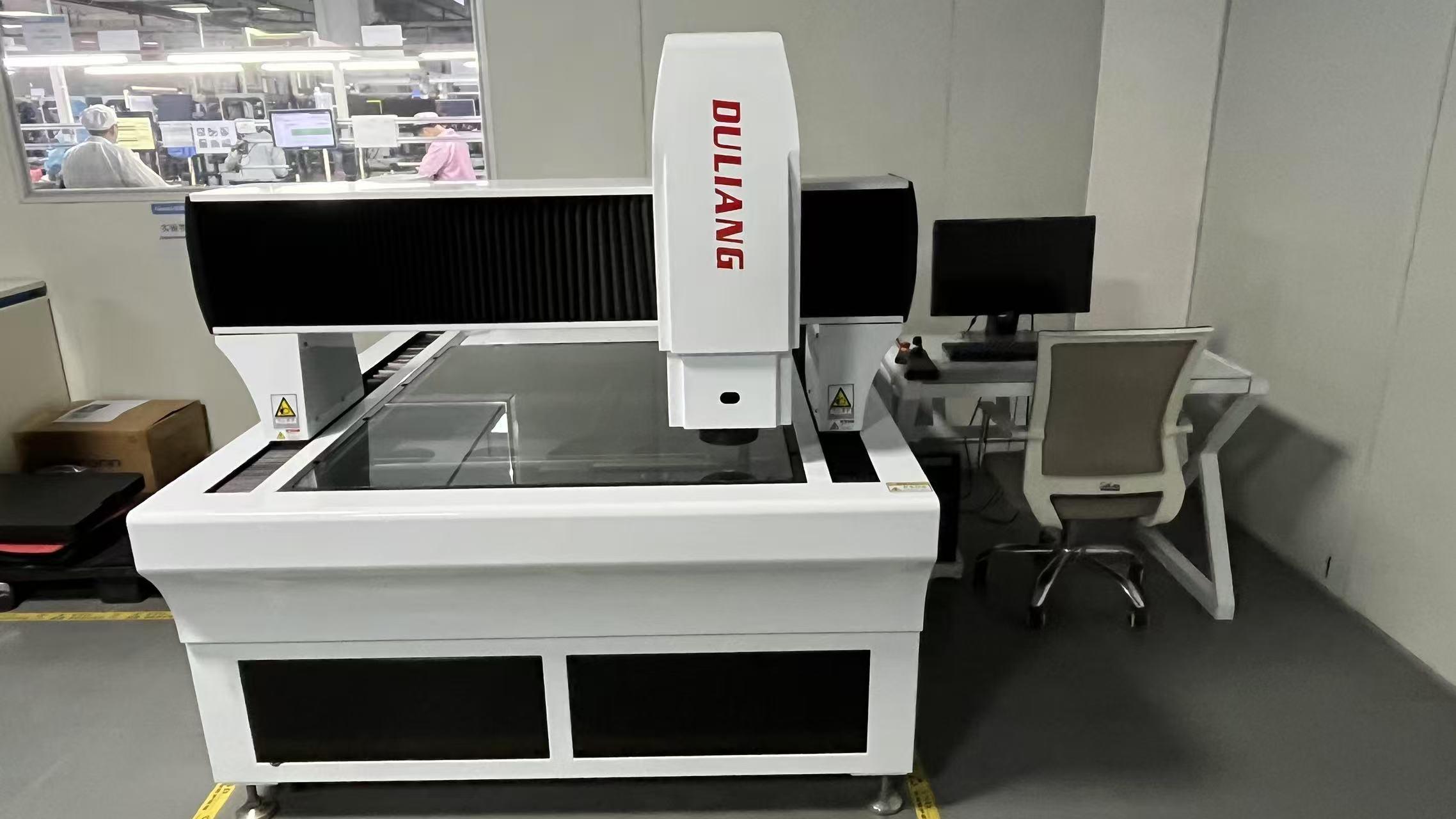
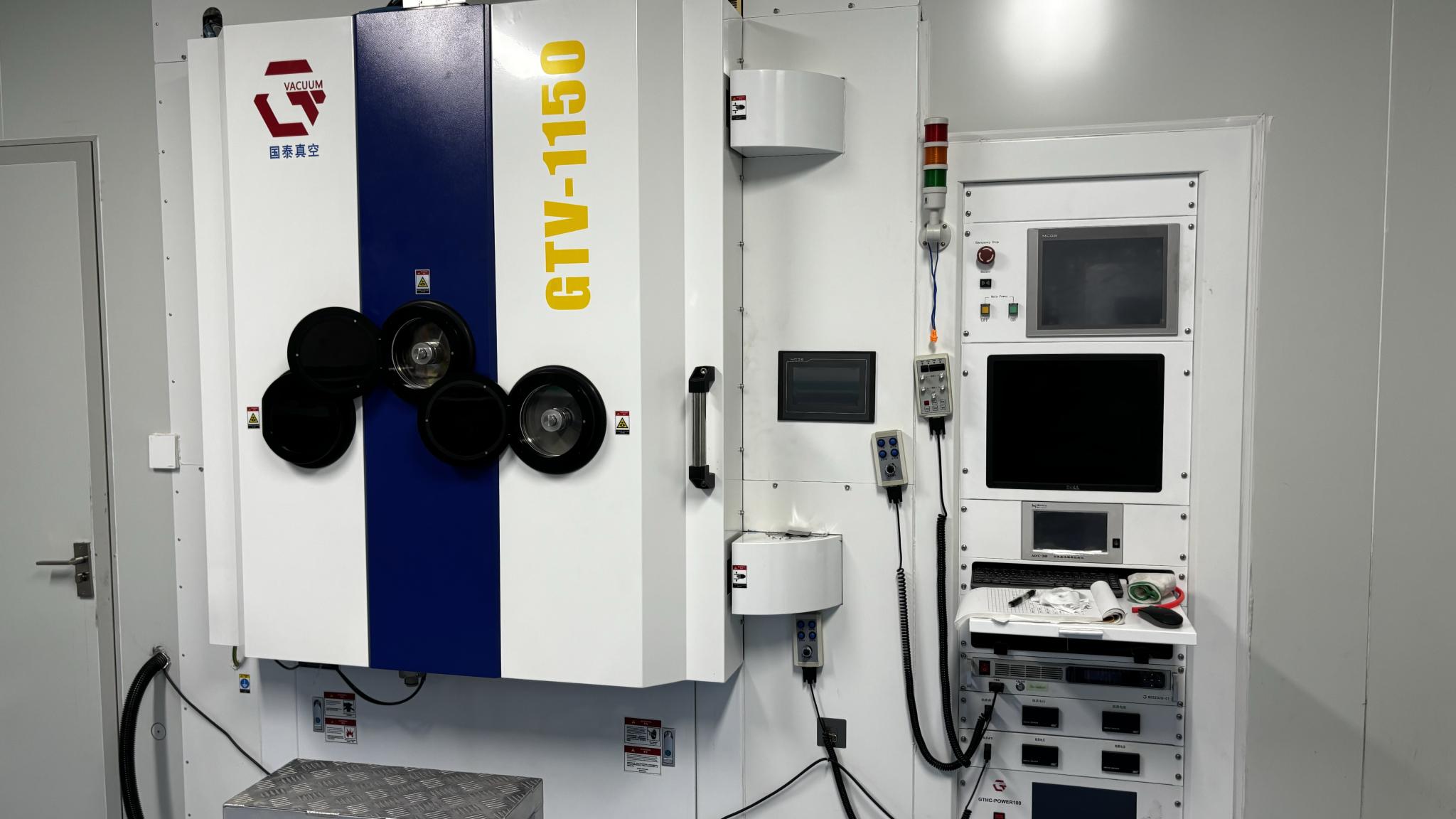
At Zyphora, quality control is built directly into our design process. Every single compute node, server chassis, host adapter, and power module undergoes extensive testing procedures designed to verify structural reliability and endurance:
Answering critical questions on server sourcing, custom BIOS, logistics configurations, and hardware maintenance.
All our custom systems are verified against industry-standard operating systems, including Red Hat Enterprise Linux, CentOS, Ubuntu Server, and VMware ESXi. We perform compatibility testing with specific hypervisors and drivers prior to shipping to ensure seamless field deployment.
Our ODM services cover custom chassis designs, bespoke PCB motherboard layouts, custom backplane wiring, branded packaging, and custom BIOS splash screens. Our R&D engineering team coordinates with your tech leads to refine the system configuration to your specifications.
We design custom fan ducts and select high-CFM, speed-controlled fans to optimize internal airflow patterns. Thermal paste interfaces and heat sink designs are calibrated to matching component TDPs, keeping overall temperatures low even under sustained enterprise workloads.
Standard server configurations usually ship within 7 to 15 business days. Bespoke ODM orders, requiring customized components or custom metal fabrications, typically take 3 to 6 weeks depending on design complexity and production scheduling.
Our team of 42 QC professionals conducts strict incoming material inspections (IQC) on all key parts, including memory, storage drives, and controllers, before they reach the assembly floor. This strict screening process prevents faulty third-party hardware from entering our production line.
Yes. We provide complete hardware warranty coverage and carry replacement parts in stock—including power supplies, host bus adapters, fans, and memory modules. We offer quick air shipping for replacement parts to minimize any operational downtime.

Expand system capacity and processing speed with these additional hardware components and chassis setups.