Zyphora
Zyphora
Zyphora
Explore our cutting-edge server products, high-speed RAM, components, and acceleration modules designed for modern hyper-converged cloud systems.
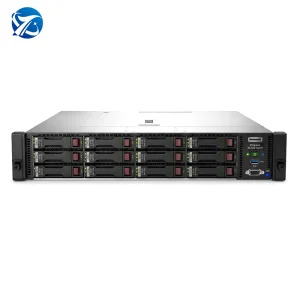
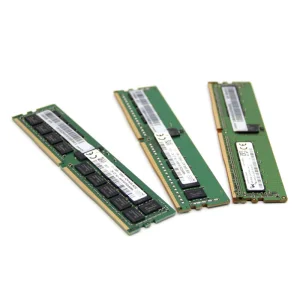
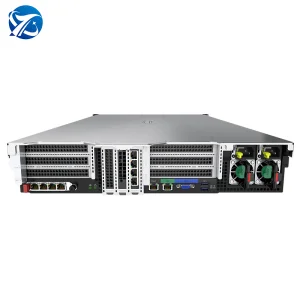

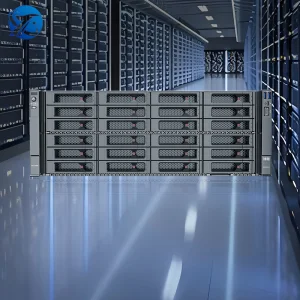
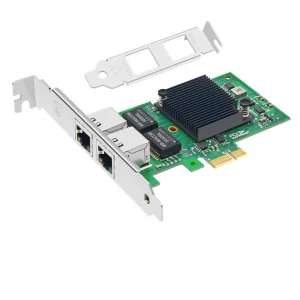
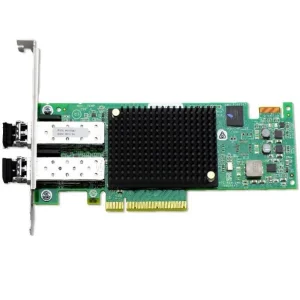
Global cloud infrastructure demands are undergoing a historic transformation. Industrial enterprises, hyperscalers, and AI research institutes require hardware stacks that balance initial CAPEX with long-term computational density. The V5 cloud architecture standard—anchored by ultra-reliable 4-socket configurations and highly optimized DDR4 pipelines—continues to serve as the critical bedrock for mission-critical enterprise systems, database workloads, and hybrid virtualization topologies.
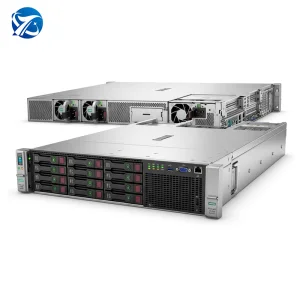
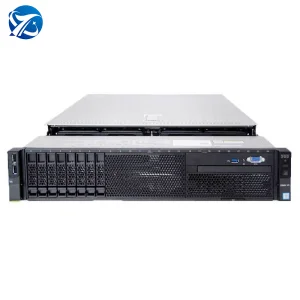
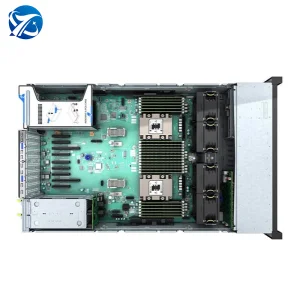
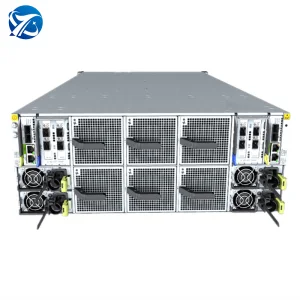
By implementing specialized, multi-socket layout designs such as the FusionServer 2488H V5, enterprise operations can realize up to a 50% reduction in licensing fees and space allocations compared to traditional 2-socket infrastructure setups. Zyphora sits at the convergence of this physical supply chain, delivering customizable system assemblies designed to integrate seamlessly with newer PCIe Gen5 standards and liquid-cooling blocks.
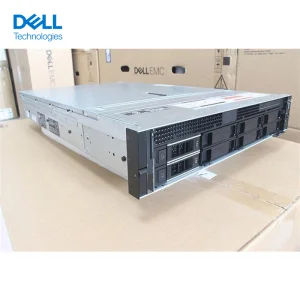
Modern data centers suffer from escalating thermal profiles. Selecting a V5 or V7 high-performance computing node is no longer just a memory bandwidth decision—it is a thermal management strategy. Integration of liquid cooling at the rack-mount level (such as HPE ProLiant Gen12 and specialized GPU cabinets) permits computing structures to run under peak-frequency turbo states without hitting thermal throttling ceilings. This ensures continuous, uninterruptible processing pipelines for heavy model evaluations.
Understanding how regional demands shape hardware requirements for computational workloads worldwide.
Focus is prioritized on strict environmental parameters, Carbon Usage Effectiveness (CUE), and dynamic liquid-to-air cooling options. Hardware must align with compliance parameters while ensuring PCIe Gen 5 interoperability for massive AI workloads.
Rapid deployment speeds and physical equipment customizability rule these markets. High-performance density rack servers are configured with dual or quad sockets to process localized consumer, sovereign AI, and e-commerce database transaction logs.
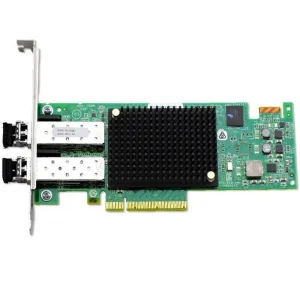
Deploying specialized cloud networks requires highly reliable component channels. By using optimized accessories like the Emulex LPe35002 HBA and array cache cards, operators avoid bottlenecks at the physical data layer.
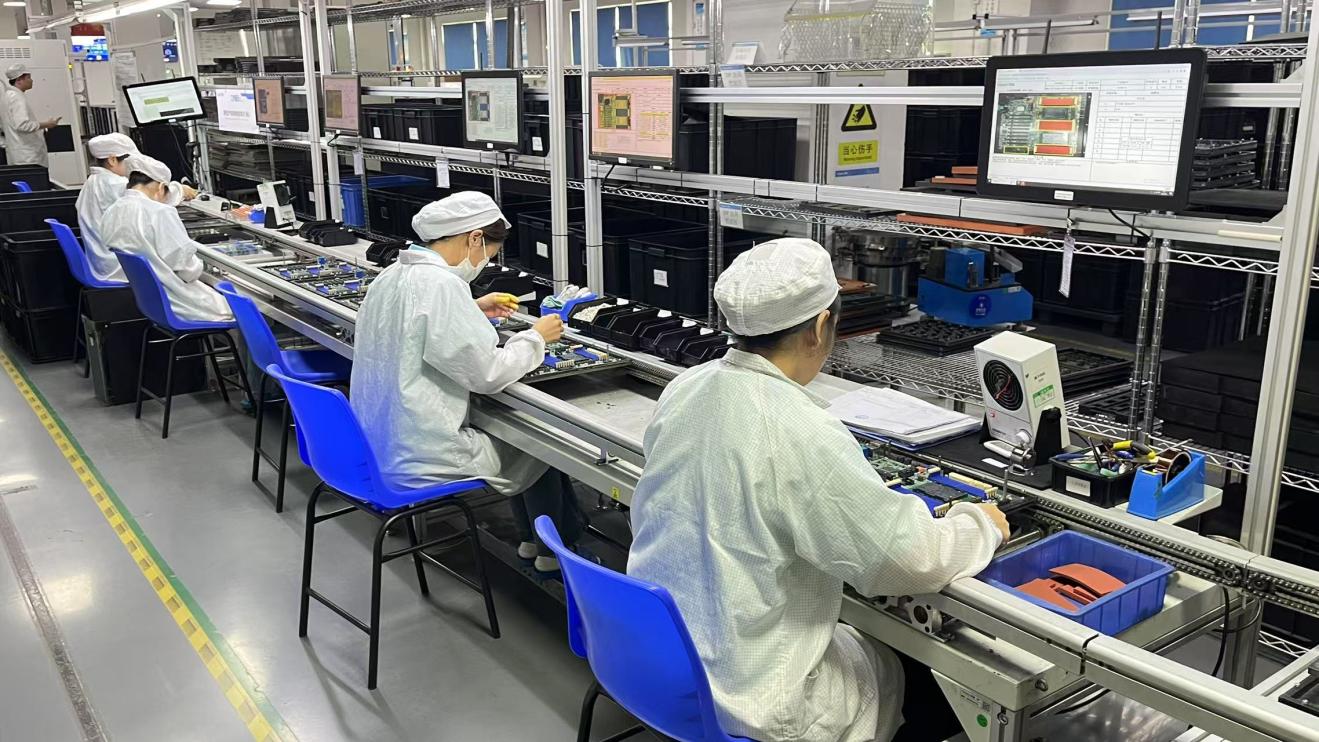
Founded in 2017, Zyphora is a professional manufacturer and global supplier of AI GPU servers, high-performance computing systems, and customized data center solutions. Headquartered in Shenzhen, China, the company operates a modern production facility covering 386 square meters and serves customers across North America, Europe, Southeast Asia, and the Middle East.
With annual export revenue exceeding USD 18 million, Zyphora has built a strong reputation in the AI computing infrastructure industry through continuous innovation, reliable product quality, and customer-focused service. Our team brings over 12 years of industry experience and 7 years of export expertise, enabling us to support clients worldwide with efficient project delivery and professional technical assistance.
Our infrastructure supports AI GPU servers, GPU workstations, rackmount servers, storage servers, and customized computing solutions for artificial intelligence, machine learning, cloud computing, and high-performance computing applications. Supported by a robust supply chain network of more than 1,200 qualified partners, we ensure stable sourcing, flexible production, and rapid delivery.
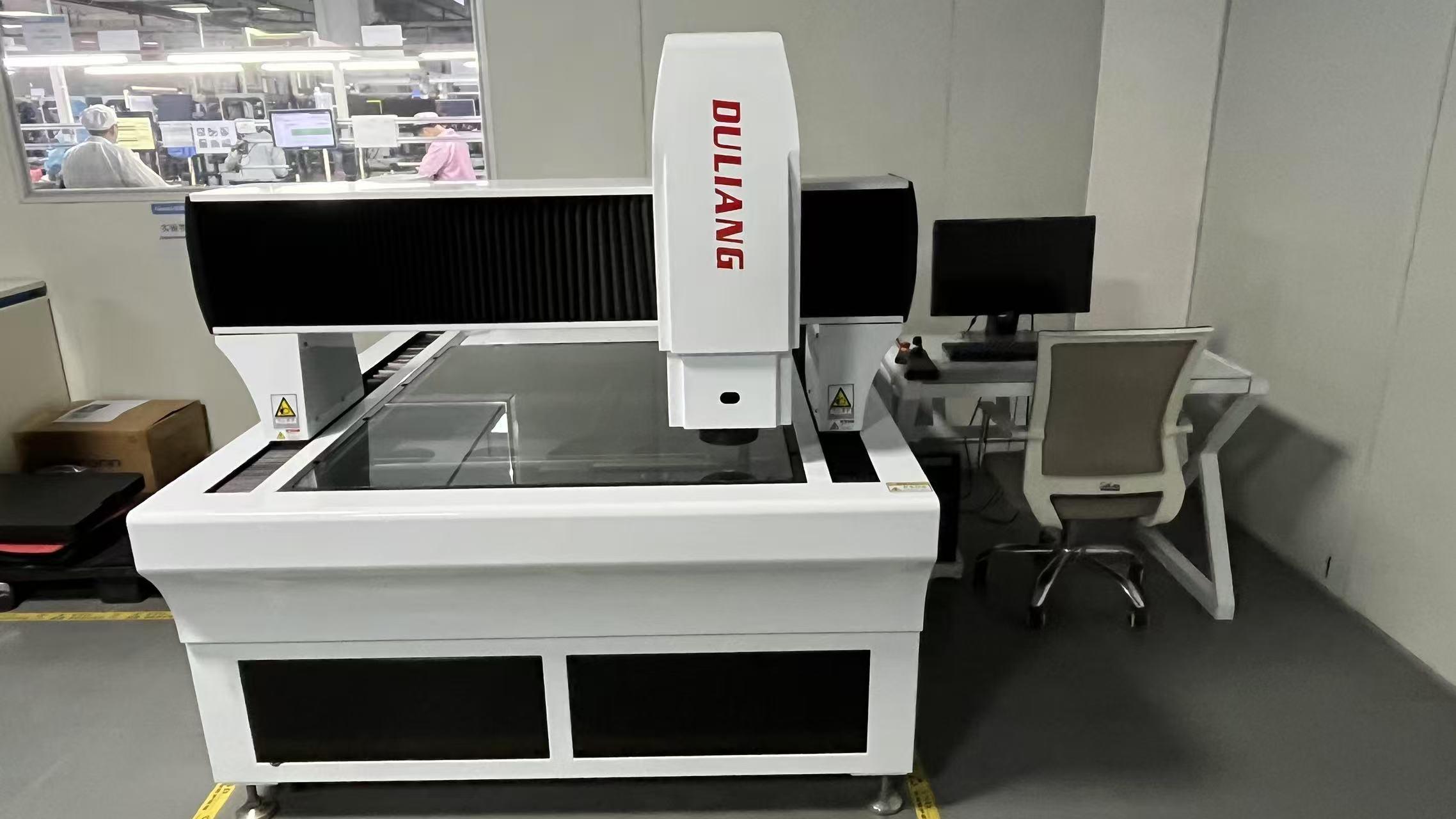
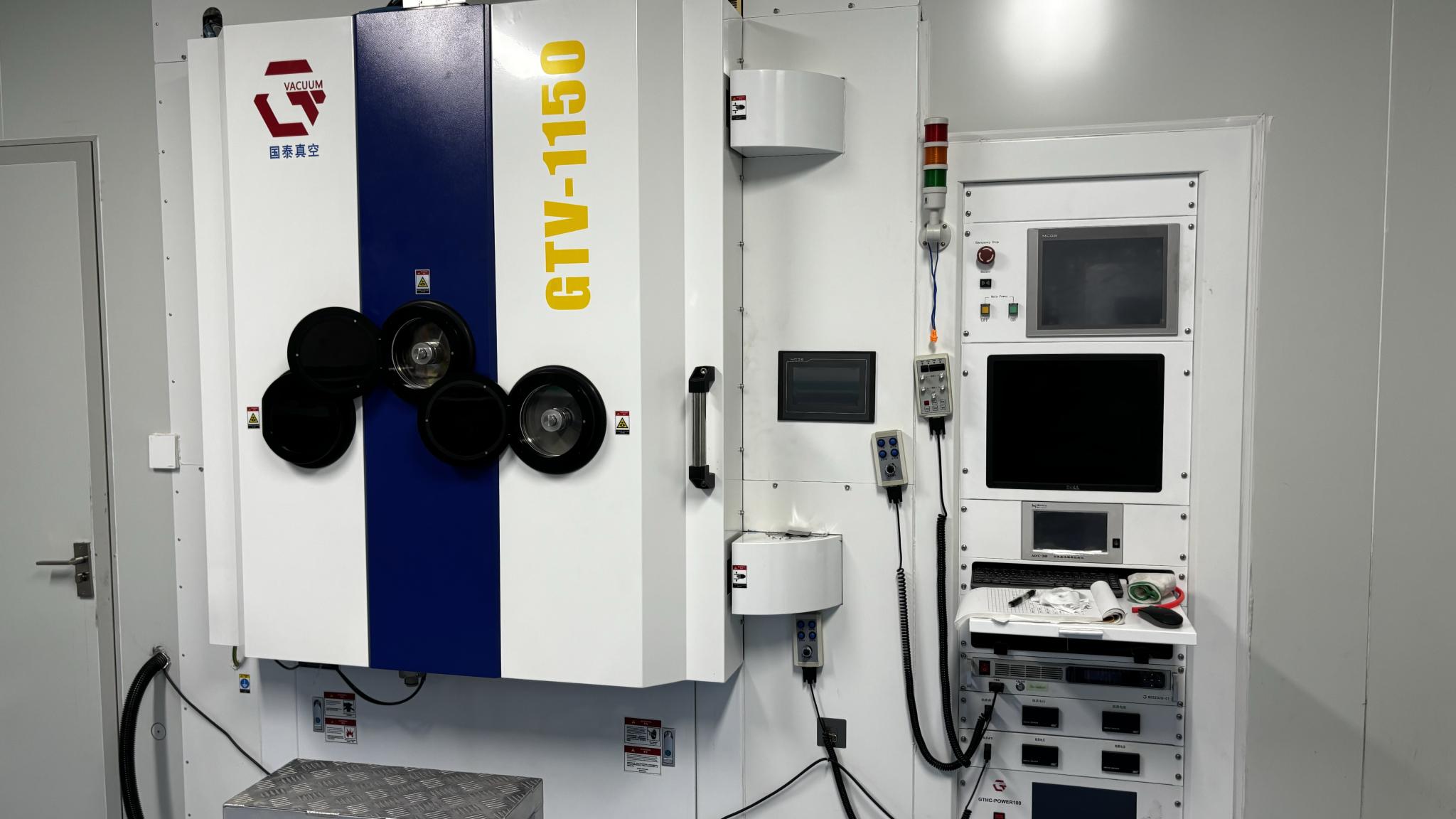
Quality is at the core of everything we do. Our products undergo comprehensive reliability testing, thermal performance evaluation, burn-in testing, and functional inspections throughout the manufacturing process. A dedicated quality control team of 42 professionals ensures that every product meets strict international standards before shipment.
Innovation drives our growth. Our R&D department consists of 86 experienced engineers specializing in server architecture, thermal management, hardware integration, and AI infrastructure optimization. Each year, we introduce more than 120 new products and upgraded solutions to meet the evolving demands of global customers.
Zyphora offers comprehensive OEM and ODM services, including hardware customization, chassis design, branding, firmware configuration, and system integration. Our flexible manufacturing capabilities enable us to provide tailored solutions for cloud service providers, AI startups, research institutions, system integrators, data center operators, and enterprise customers.


Deploying targeted computational capacity tailored to vertical-specific industrial environments.
Integrating highly optimized multi-GPU topologies to support model architectures like DeepSeek. Utilizing high-throughput memory channels ensures minimized parameter exchange latency during training iterations.
Leveraging high-reliability SAS RAID controllers (such as the XC470C-M-8i) paired with PCIe NVMe storage planes to register, cache, and write microsecond-level financial transactions without risking drive failures.
Processing localized video feeds using dense edge computing clusters. These environments depend on chassis designs that filter airborne dust particles while sustaining maximum computational loads.
Navigating global border customs and electrical configurations requires an experienced operational layout. Zyphora manages regulatory pathways across North America, Europe, and Asia-Pacific. Every customized rack solution is tested to align with FCC, CE, RoHS, and local telecommunications network interface clearances.
Our quality verification protocol guarantees system durability before installation. A dedicated group of 42 QC professionals implements detailed multi-stage validation routines inside Zyphora's facilities:
Strategic milestones and developmental roadmaps defining the transition into next-generation high-density cloud networks.
Transitioning high-density server configurations (like HPE DL360 Gen12 architectures) to direct-to-chip water loops, reducing datacenter power consumption metrics.
Adapting physical layouts to support Compute Express Link protocols, creating shared memory pools that enable hyper-scale processor workloads.
Upgrading supply chain and assembly lines to utilize recycled packaging and low-carbon metals, meeting strict global datacenter regulations.
Technical guidance and answers from Zyphora's engineering department regarding cloud deployments.
Explore our storage systems, multi-node configurations, processing components, and network interface cards.