 Zyphora
Zyphora
Zyphora
Choosing the right enterprise AI server manufacturer can be a daunting task. With the demand for AI technologies skyrocketing, businesses must carefully evaluate their options. According to a recent report by Gartner, the AI server market is expected to grow by over 25% annually through 2025. This rapid growth highlights the importance of selecting a reliable manufacturer that aligns with a company's specific needs.
Renowned industry expert Dr. Amy Chang emphasizes, “The right AI infrastructure is vital for unlocking true business potential.” Her insight reflects the pressing need for manufacturers to provide dependable, scalable solutions. As organizations explore their choices, factors like performance, support, and scalability emerge as critical criteria.
Yet, many companies overlook these aspects, leading to regrettable investments. Inadequate support or outdated technology can hinder growth. Therefore, businesses must approach their selection process with a keen perspective, weighing each manufacturer’s capabilities against their strategic goals. This careful consideration is essential for achieving success in an increasingly competitive AI landscape.
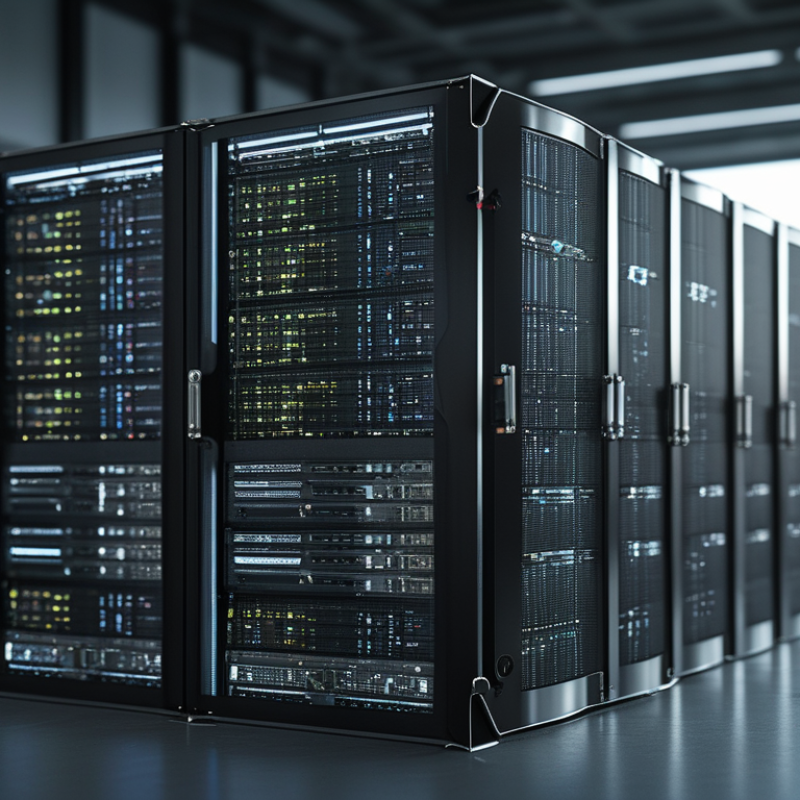
When choosing an AI server manufacturer, several key factors play a crucial role. Reliability is essential. Look for manufacturers with a strong track record in delivering high-performance servers. Research online reviews and case studies to gather insights on performance and support. Engaging with community discussions can provide deeper perspectives on real-world experiences.
Technical support is another critical element. Chat with potential suppliers to gauge their responsiveness and expertise. A knowledgeable support team can make a significant difference during the setup and troubleshooting processes. Additionally, consider the scalability of their solutions. Can the manufacturer accommodate your future growth? It’s vital to align server specifications with both current and anticipated needs.
Lastly, cost considerations cannot be overlooked. While it’s tempting to choose the cheapest option, evaluate the total value. High initial costs may lead to better performance and lower maintenance fees over time. Keep an eye on hidden costs like energy consumption and upgrade expenses. Reflect on what aligns with your long-term strategy to ensure optimal decision-making.
| Criteria | Description | Importance Rating (1-5) |
|---|---|---|
| Performance | Evaluate the server's processing power, memory, and storage capabilities. | 5 |
| Scalability | Ability to expand system resources as business needs grow. | 4 |
| Reliability | Assess uptime, redundancy, and disaster recovery options. | 5 |
| Technical Support | Quality and availability of customer support and technical assistance. | 4 |
| Cost | Overall investment including initial purchase, maintenance, and operational costs. | 3 |
| Energy Efficiency | Consider the power consumption and environmental impact of the system. | 3 |
| Compatibility | Ensure the server is compatible with existing infrastructure and software. | 4 |
| Security Features | Look for built-in security measures to protect sensitive data. | 5 |
: Look for their history in AI solutions. Reliability often comes with experience in the industry.
Case studies reveal a manufacturer’s capability to handle various applications. They provide valuable insight into effectiveness.
A knowledgeable team can enhance product quality. Their skills are often linked to the final output.
Regular updates indicate a manufacturer’s awareness of current trends. Staying current is vital in the tech world.
Check for responsiveness and 24/7 availability. Quick support can help avoid larger issues down the road.
Focus on uptime guarantees and response times. Clear terms minimize misunderstandings related to service.
Collaborations can suggest credibility and expertise. However, don’t solely rely on these as indicators of quality.
Yes, it provides insights into reliability. Balance positive and negative reviews for a comprehensive understanding.
Manufacturers should grow with your needs. Consider whether they offer specialized services as your business expands.
They can be hard to interpret. It’s essential to ask questions for clarity on your agreement.
When selecting the right enterprise AI server manufacturer, several key factors must be considered to ensure optimal performance and support for AI workloads. Firstly, evaluating the manufacturer’s expertise and industry experience is crucial, as this can significantly impact the quality of the servers and the support provided. Furthermore, understanding hardware specifications tailored for AI tasks will help in choosing a system that meets specific computational needs.
Another important aspect is assessing the scalability and upgradability options of the AI server solutions offered. This flexibility is vital for organizations that anticipate growth or changing technology demands. Finally, examining customer support and service level agreements (SLAs) will ensure that businesses can rely on prompt assistance and maintenance, further safeguarding their investment in an enterprise AI server manufacturer.
